Amira Adel: Egyptian photographer documenting the people and everyday life of rural Egypt

14 mins read
•
Published5 Nov, 2026

"I can take up to a thousand photographs in a single day! I love experimenting with different angles ... I genuinely enjoy the process, and finding a beautiful frame can completely change my mood."

Amira Adel is an Egyptian photographer based in Cairo whose journey began in 2011, following an early interest in drawing, painting, and visual expression. Having spent 18 years living in the United Arab Emirates, she now photographs people, architecture, and everyday life across Egypt, with a particular interest in rural communities and the relationship between people and their surroundings.

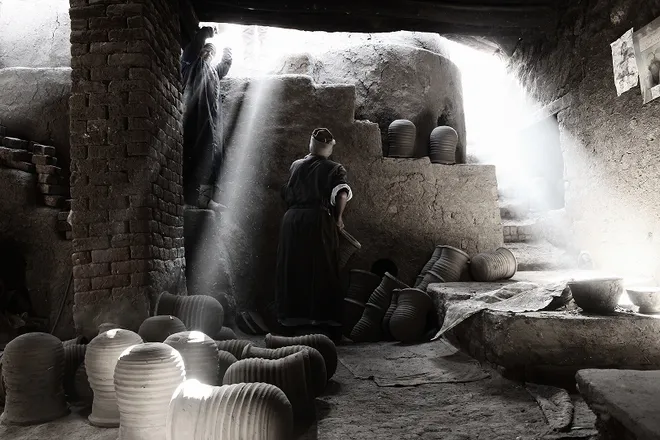
Her work has received recognition in Egypt and internationally. In 2026, she won Sony AlphaFemme’s Point of Beginning competition and received First Place and an Honourable Mention in Visions of Home: The Handmade City during Egypt Urban Week. Her photographs have also been exhibited at Trieste Photo Days and published in Al-Ahram. Alongside her artistic practice, she has organised photography activities, including a street photography walk in Cairo attended by more than 70 participants.
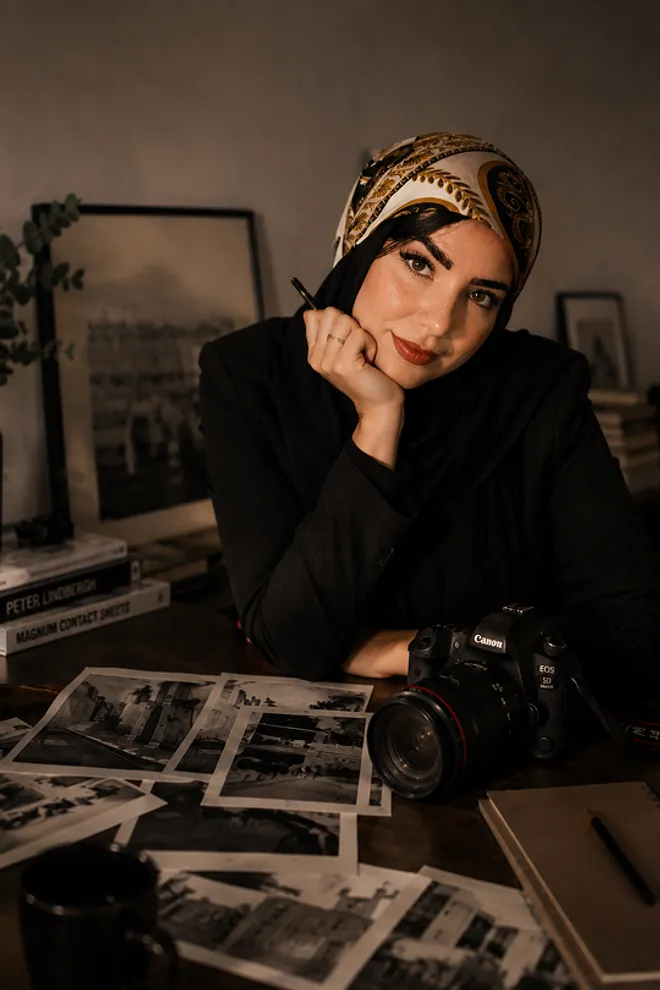
Portrait of Amira Adel - Egyptian documentary photographer

How did you get started in photography?

My photography journey began with art. My father is a Fine Arts graduate and a university professor, so I grew up surrounded by creativity. From a young age, I was drawn to drawing, painting, colours, and visual expression. I was always attentive to beauty, composition, and detail.

As I grew older, I gradually moved away from drawing, and my interest in visual expression remained. In high school, a close friend introduced me to photography, and I immediately connected with it. I bought my first camera in 2011, just as I was beginning university.

Photography became my way of observing the world, preserving fleeting moments, and finding stories in everyday scenes.

How would you describe yourself?

I am curious, observant, and deeply visual. I am drawn to people, places, colours, and small details that often go unnoticed. I enjoy being present, observing my surroundings, and finding meaning in ordinary moments.

A fun fact about me is that I can take up to a thousand photographs in a single day! I love experimenting with different angles, poses, compositions, and details until I find the frame that feels right. I genuinely enjoy the process, and finding a beautiful frame can completely change my mood.

"Documentary photography gives me the opportunity to explore stories in greater depth and share experiences that deserve attention."

What are the main themes that inspire your photography?

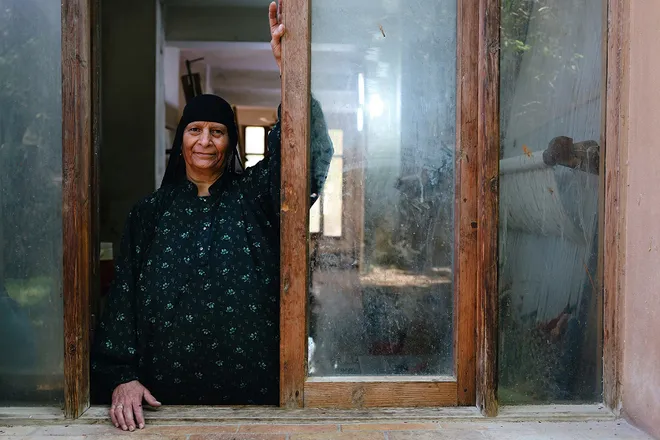
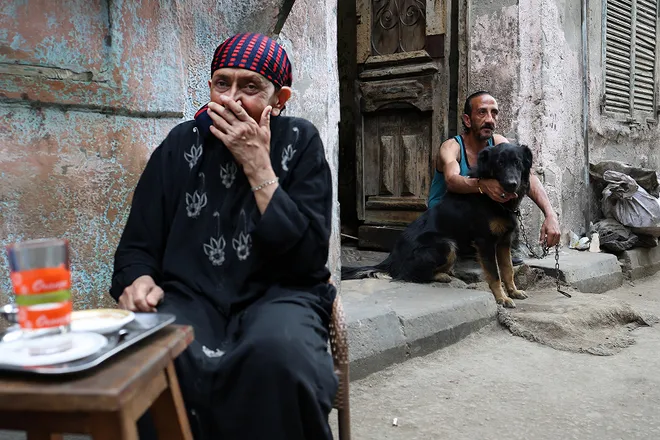
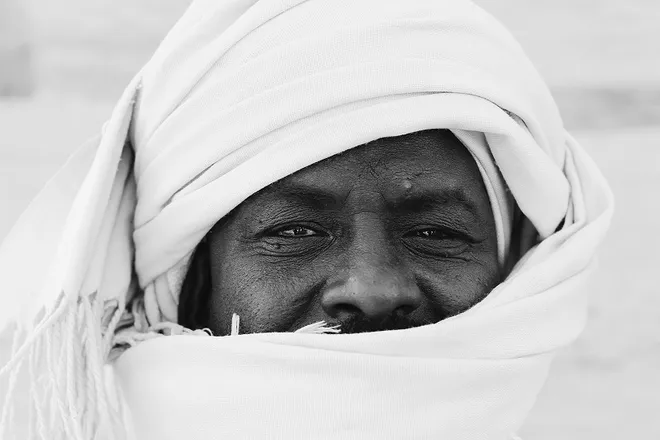
I am drawn to people and the stories carried in their faces, gestures, and everyday lives. Older people fascinate me because their expressions often reveal layers of history, experience, and emotion.

I also find inspiration in architecture, particularly lines, shapes, colours, textures, and the relationship between people and their surroundings.

In street photography, I look for unexpected interactions, gestures, contrasts, and fleeting moments. Documentary photography gives me the opportunity to explore stories in greater depth and share experiences that deserve attention.

I want my photographs to encourage people to pause, look closely, and become curious about the lives and places behind the images.

“Receiving the Sony A7C through the 'AlphaFemme’s Point of Beginning' felt like a new beginning and a beautiful reminder that sometimes a loss can lead to something unexpected.”

What moment in your career are you most proud of?

I feel proud of every achievement in my journey. What means the most to me is seeing something I created being recognised and appreciated by others. Art is deeply personal, and because taste is subjective, that recognition always feels meaningful to me.

One of my most memorable achievements was winning Sony AlphaFemme’s Point of Beginning competition.

Two years earlier, my Canon 700D had been stolen while I was travelling in Spain. I had used that camera for years, and losing it felt like losing a piece of an important chapter in my photographic journey.

Receiving the Sony A7C through the competition felt like a new beginning and a beautiful reminder that sometimes a loss can lead to something unexpected. I still use the camera today, and I love photographing with it.

I am also deeply proud when my photographs connect with people at exhibitions. When someone stops, looks closely, asks about the story, or shares what they felt, it reminds me why I photograph in the first place.

“For documentary work, I like to research the history, culture, people, and context of a place before photographing it, while still leaving room for unexpected moments and discoveries.”

What is your unique technical or visual approach?

My approach is rooted in observation, visual research, attention to detail, and composition. I am naturally drawn to light, colours, lines, textures, and the small details that can easily be overlooked.

Visual research is an important part of my creative process. I regularly study the work of other photographers, explore exhibitions, and look at previous photographic projects to understand different approaches to light, timing, composition, and storytelling.

For documentary work, I like to research the history, culture, people, and context of a place before photographing it, while still leaving room for unexpected moments and discoveries. I look at what has already been documented and consider how I might approach the subject from my own perspective.

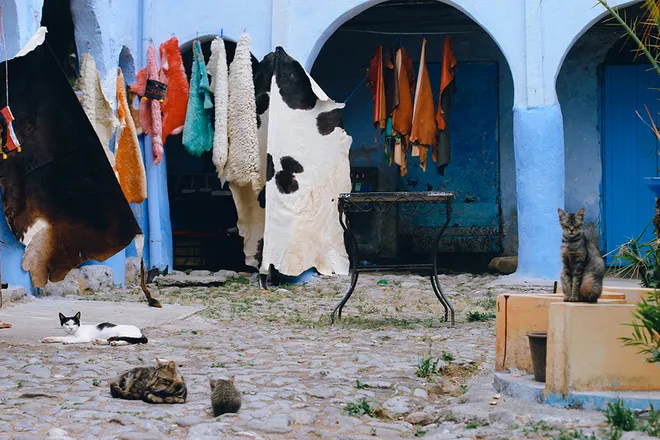
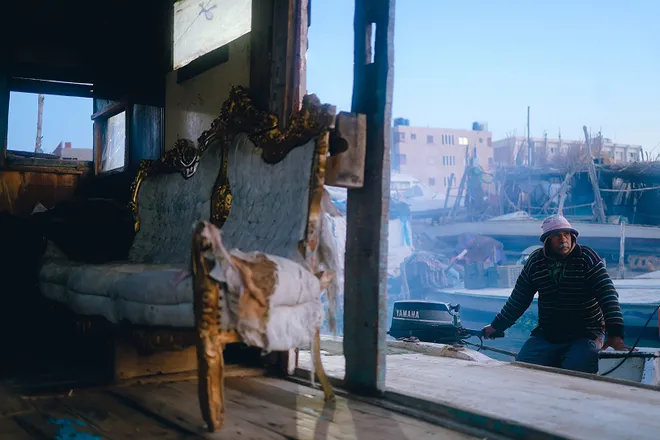
When photographing people, I enjoy combining traditional portraits with environmental portraits, allowing their surroundings to become part of the story. In street photography, I look for fleeting moments, interactions, and contrasts.

I often explore a scene from several perspectives, experimenting with angles, distances, and compositions. I can be very patient when searching for the frame I envision.

My approach combines visual aesthetics with curiosity and a documentary instinct. I want each image to reflect the character of the people and places I photograph.

"Some of the most powerful stories are found in ordinary moments: people working together, life in rural communities, local markets, or simply the rhythm of everyday life.”

How's the photography and art scene in your country?

Egypt has an incredibly rich and diverse photography and art scene, especially for street and documentary photography. There are stories everywhere, across urban and rural environments, traditions, landscapes, and communities.

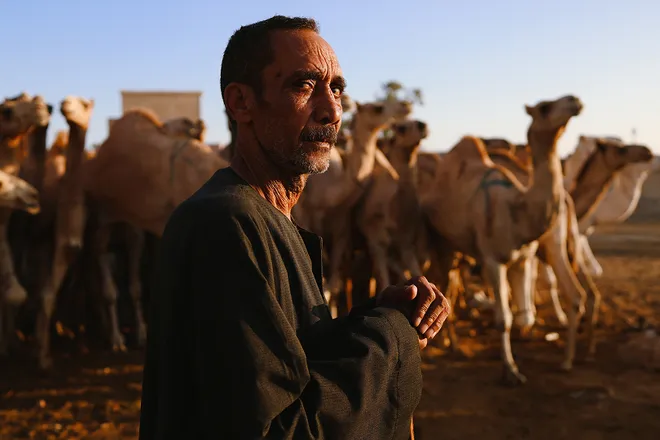
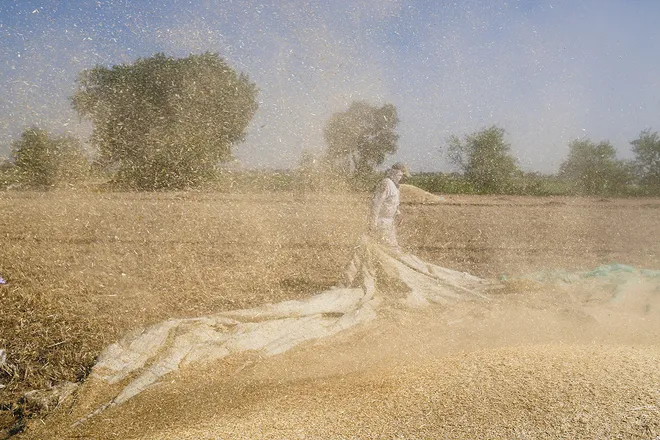
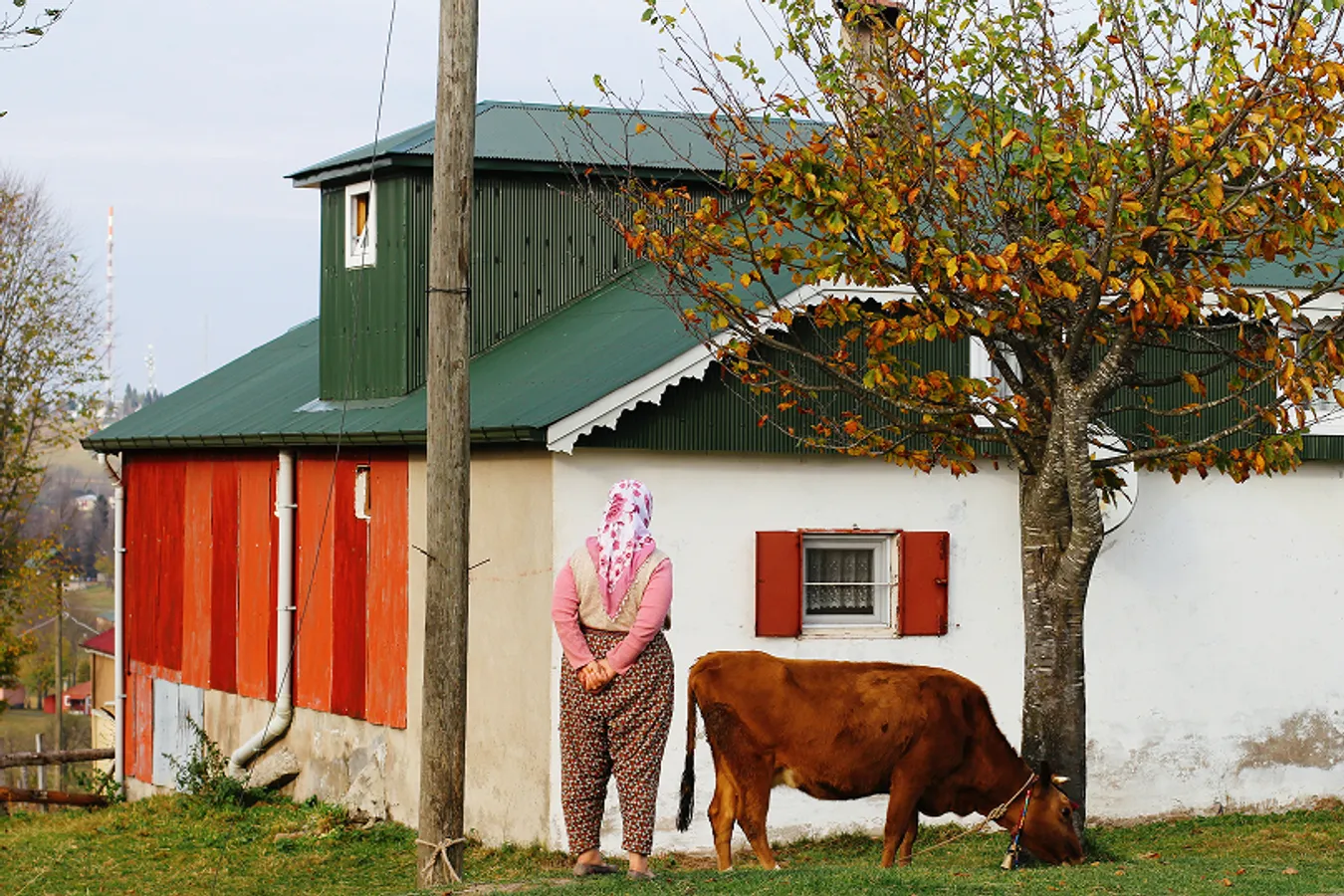
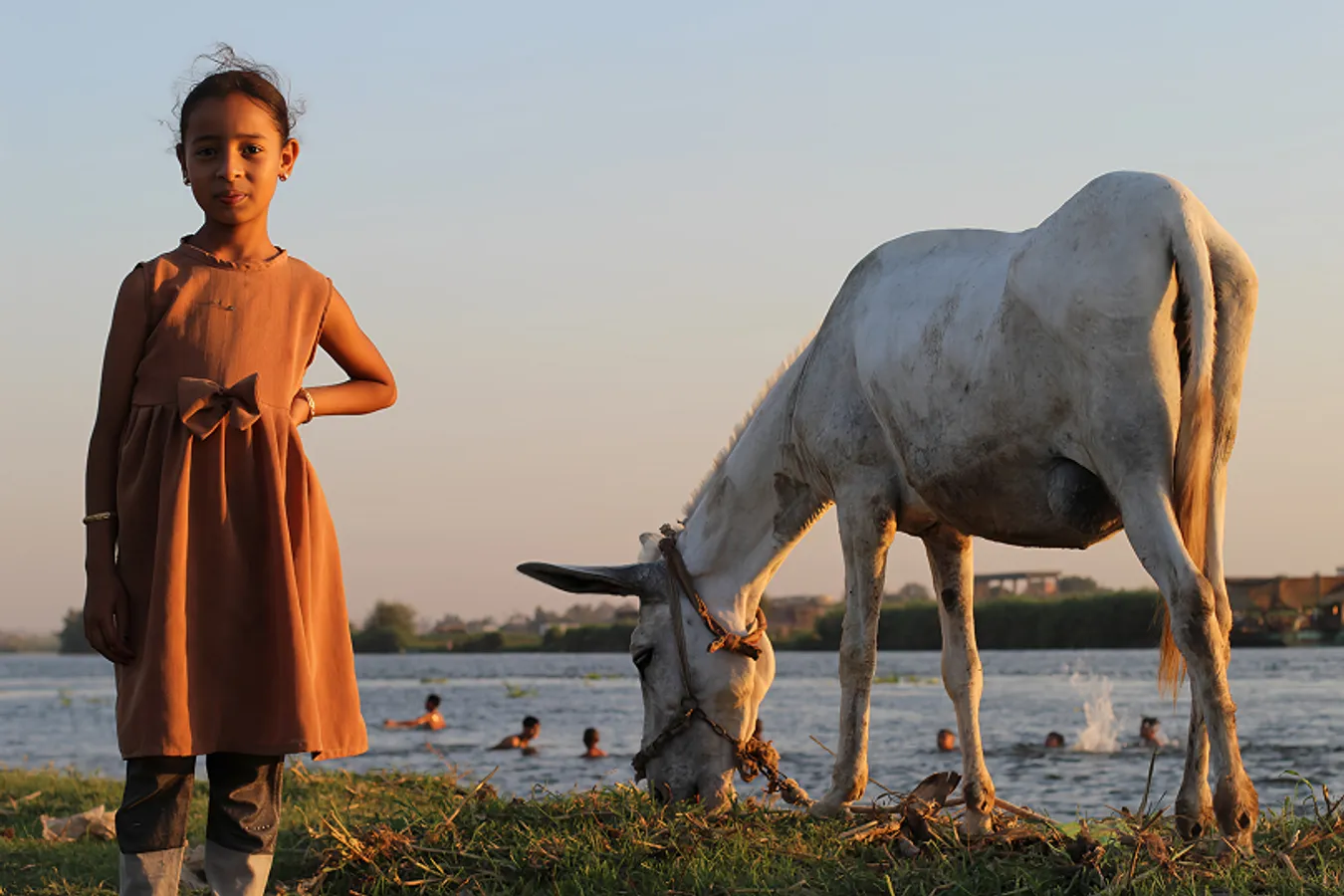
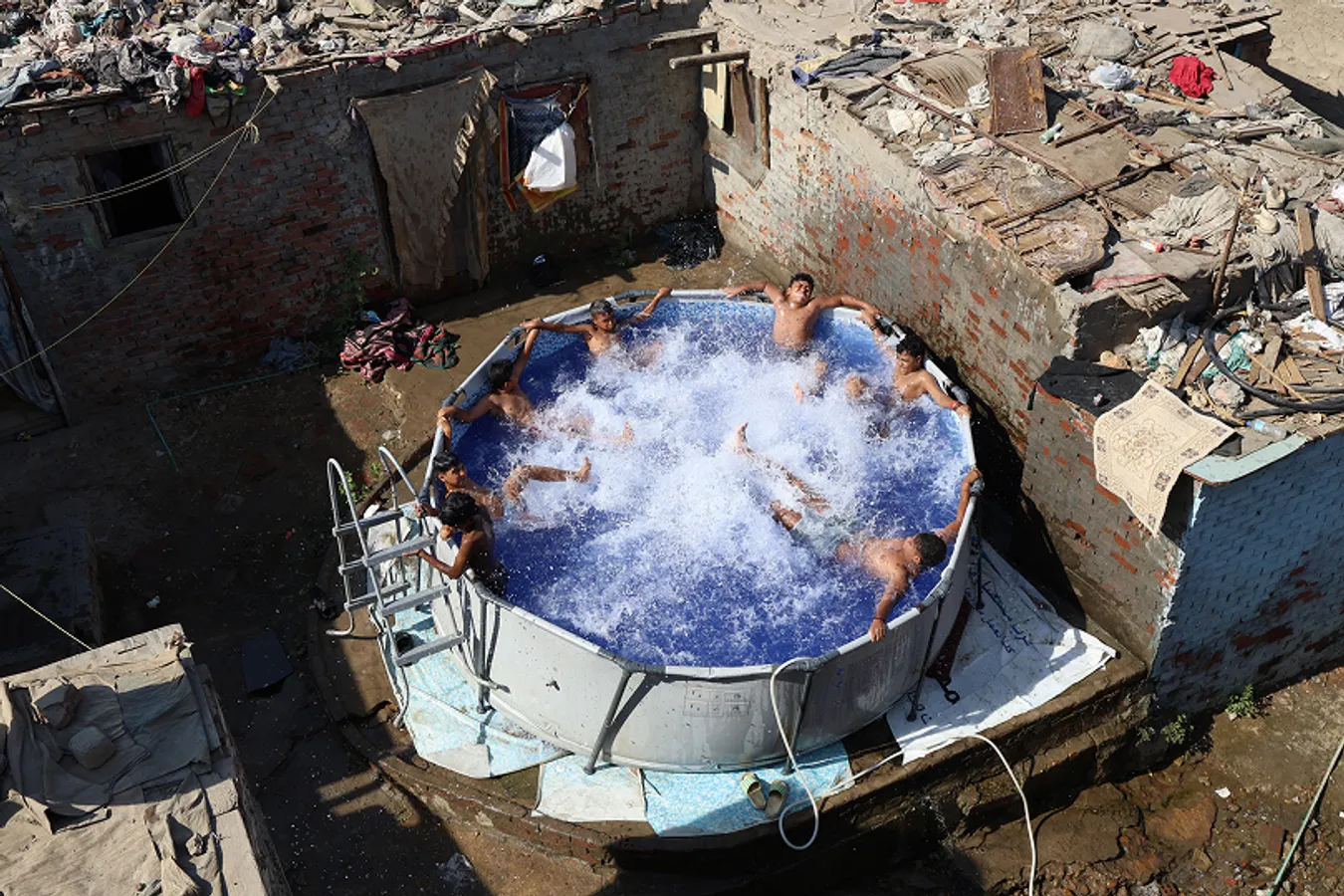
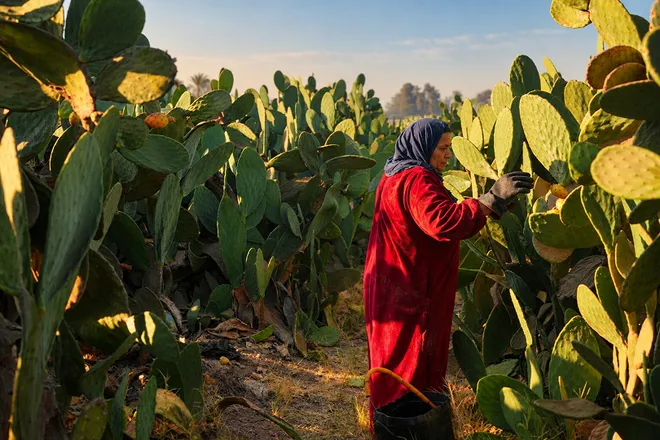
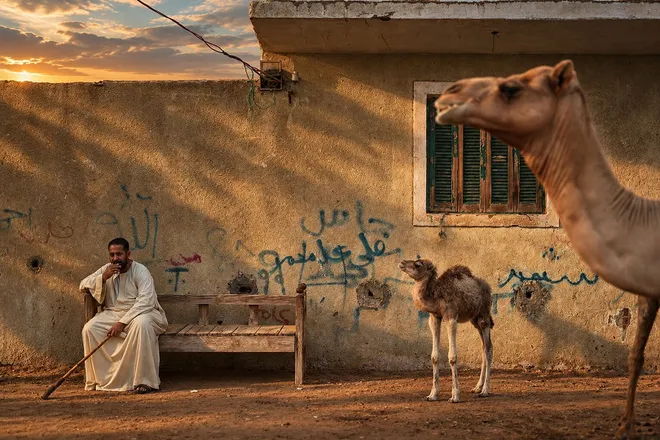
What excites me most is travelling beyond Cairo. Every governorate has its own visual identity, culture, rhythm, and stories. I have photographed in Upper Egypt, Sinai, and rural communities, documenting everyday life, collective work, agriculture, and local traditions.

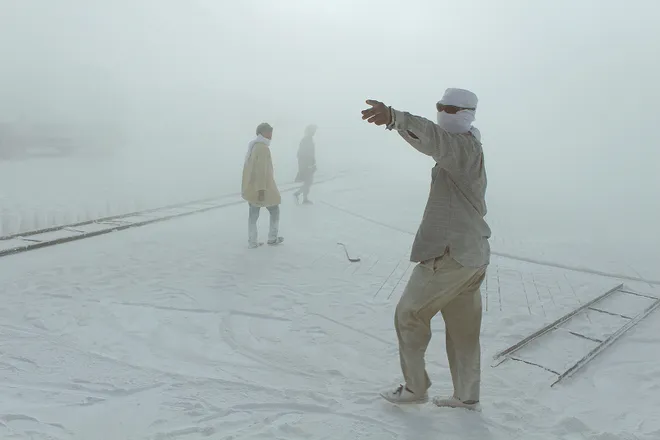
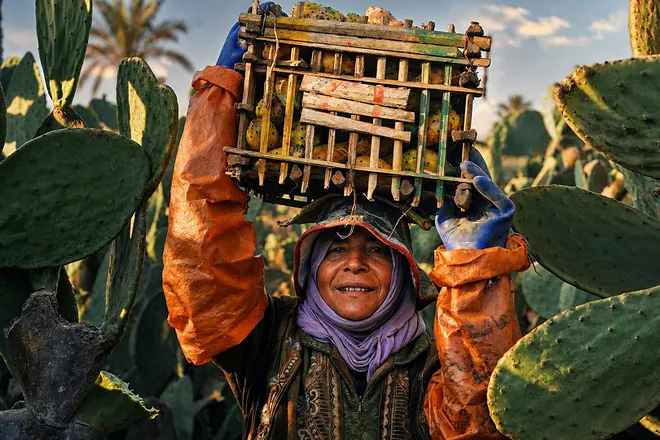
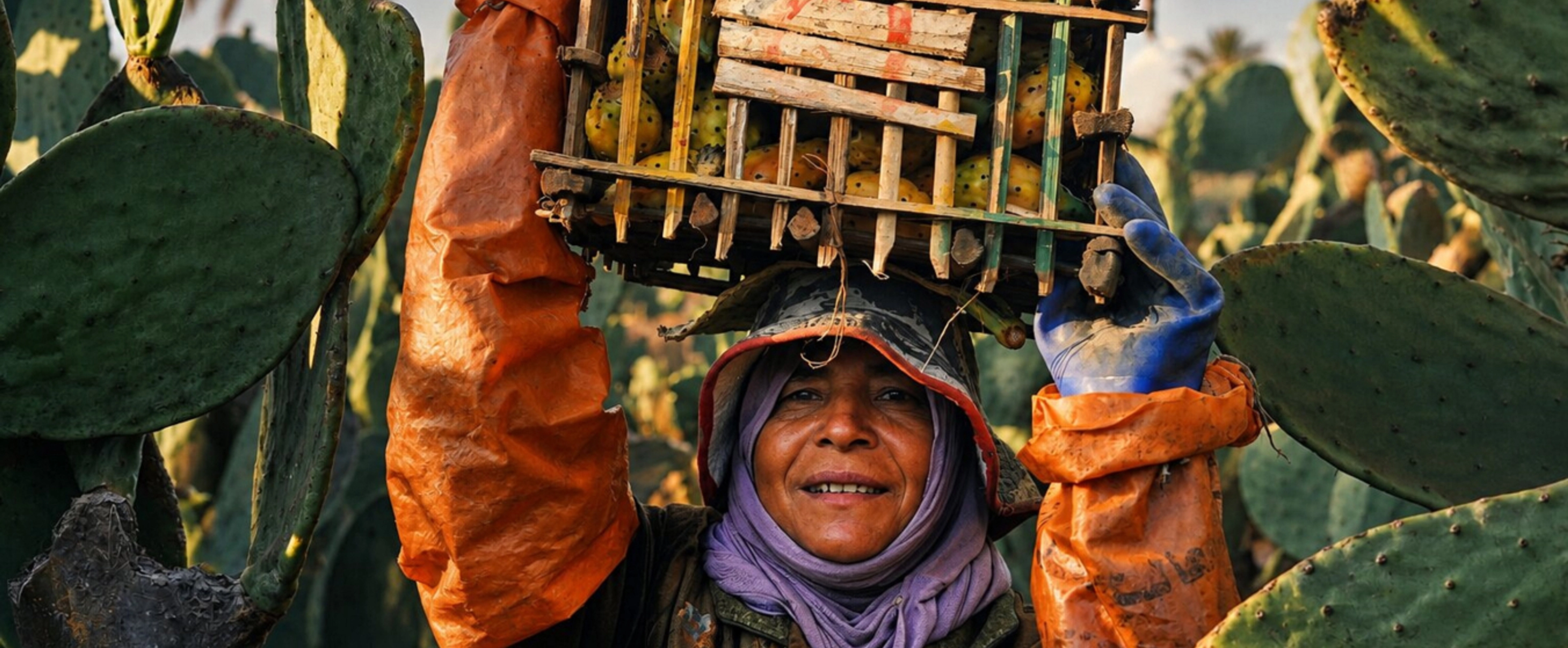
I have also photographed mango, strawberry, wheat, and prickly pear harvests. These experiences have allowed me to observe the relationships between people, work, land, family, and community.

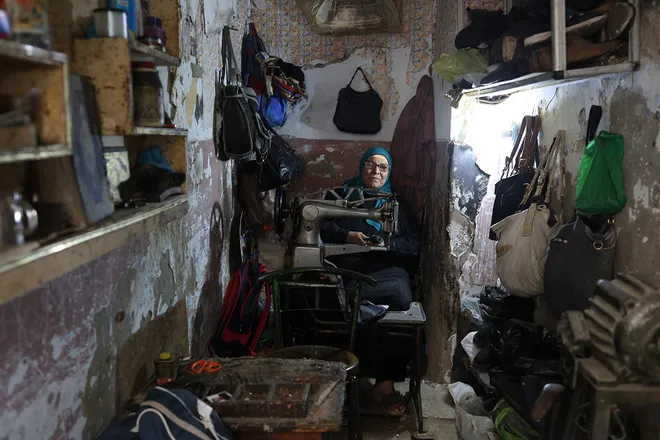
For me, some of the most powerful stories are found in ordinary moments: people working together, life in rural communities, local markets, or simply the rhythm of everyday life.

I am particularly drawn to the relationships and traditions revealed through collective work. These experiences offer an opportunity to document the culture, history, and identity of different communities.

Egypt has countless stories waiting to be documented, and I want to continue exploring them and sharing them with a wider audience.

What is one professional standard you never compromise on?

The professional standard I never compromise on is respect for the people I photograph, their stories, privacy, and boundaries.

For me, this also means having the social intelligence to approach different people, communicate naturally, listen genuinely, and know when to speak and when to step back.

Especially in street and documentary photography, I believe human connection comes first. I want the people I photograph to feel comfortable and respected.

I try to build trust, understand the person in front of me, and respect their comfort. Sometimes the best photograph comes after a conversation, not before it.

What do you think of the 54Ruum platform?

I think 54Ruum is a wonderful platform for photographers, especially because of its focus on supporting African talent and bringing different visual voices together.

I appreciate the diversity and quality of the photographers and work it showcases, as well as its commitment to creating visibility for artists across the continent.

I would love to be part of 54Ruum and contribute my perspective as an Egyptian photographer. Having my work showcased would mean a lot to me, both as recognition of my photography and as an opportunity to share my stories with a wider African and international audience.

I would be happy to grow within a community that values photography, storytelling, culture, and different ways of seeing Africa.

Credits

Text

Moyin Adediran

Photography

Amira Adel

Curation

guvnor

SHARE THIS STORY

Join Our Community

Explore more content

Company

The Ruum AfricaJoin our team

Products

Select™RTM

© 2026 The Ruum Africa

Built by54grid logo