Ayomide Okanlawon: Nigerian visual artist & photographer shaping visual stories through colour, culture, and contrast

11 mins read
Published29 Aug, 2026

“I see myself as a vessel rather than the owner of creativity. I believe ideas already exist somewhere in the universe, and my responsibility is simply to be open enough to receive them and bring them to life."

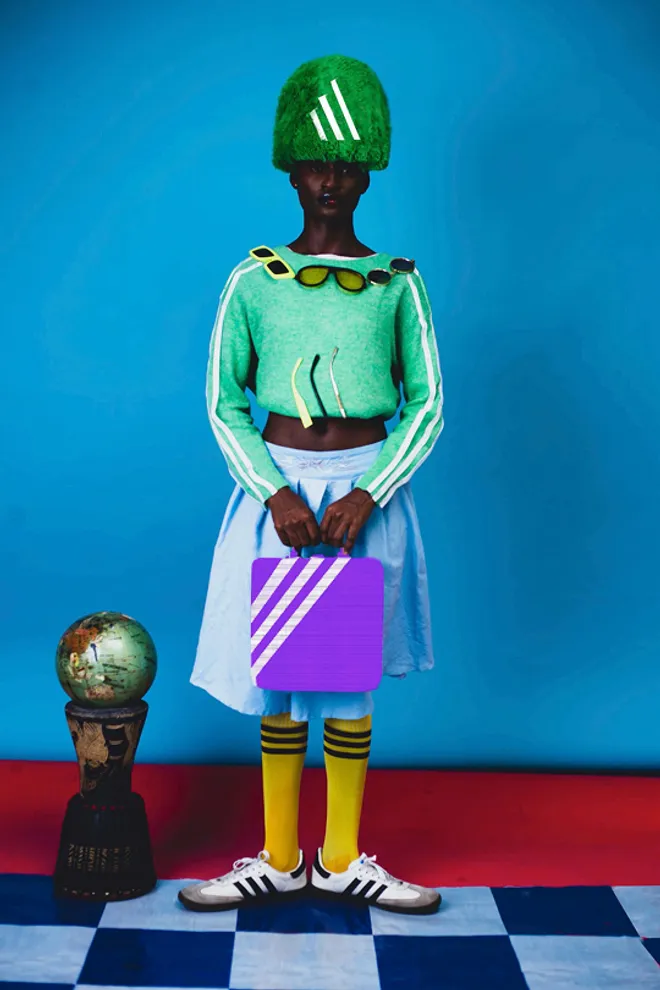
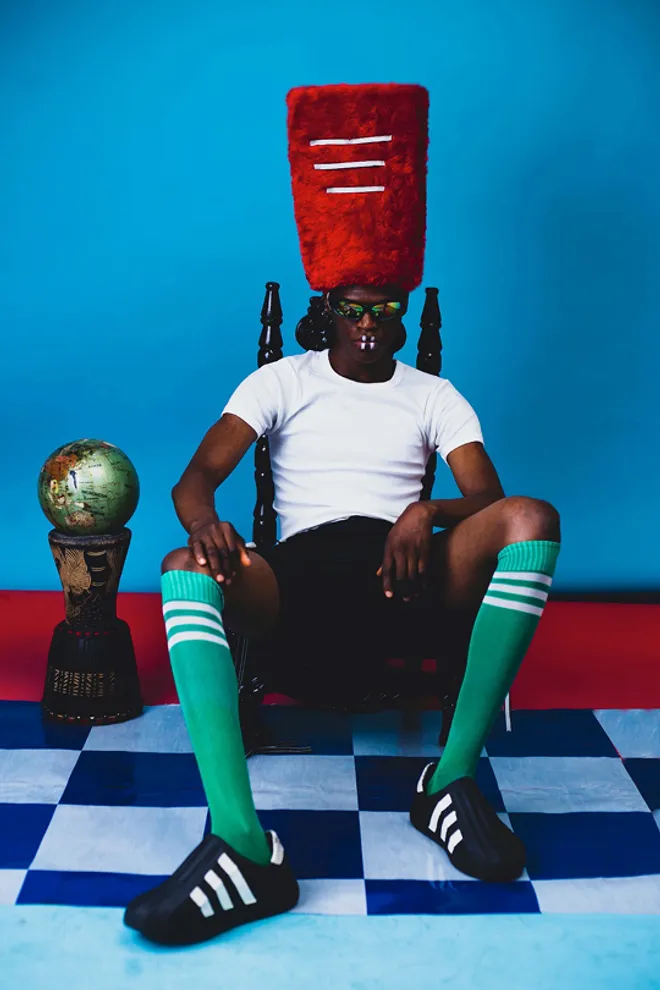
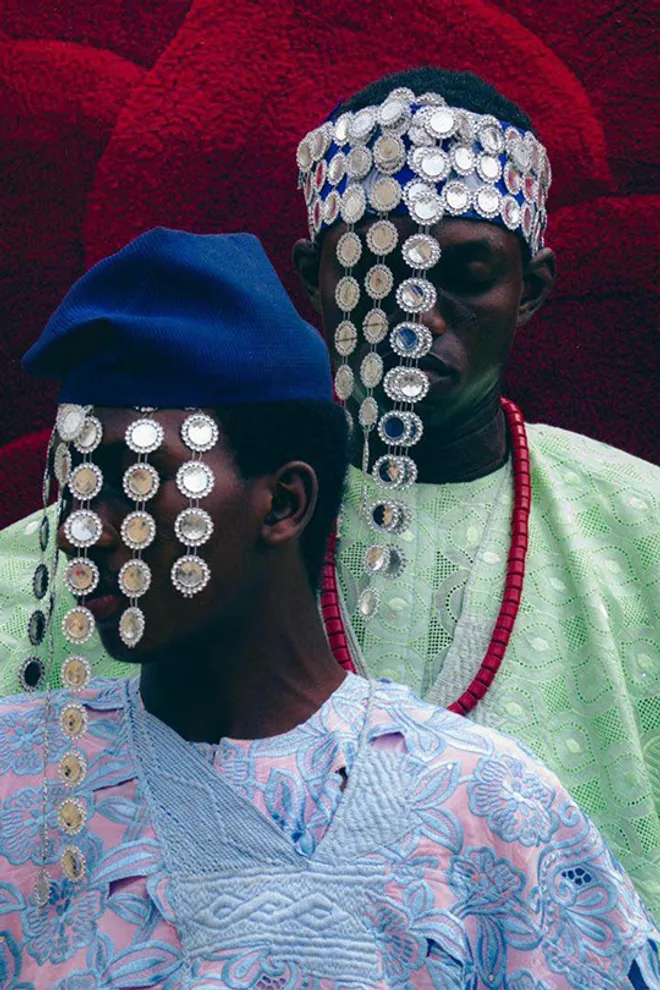
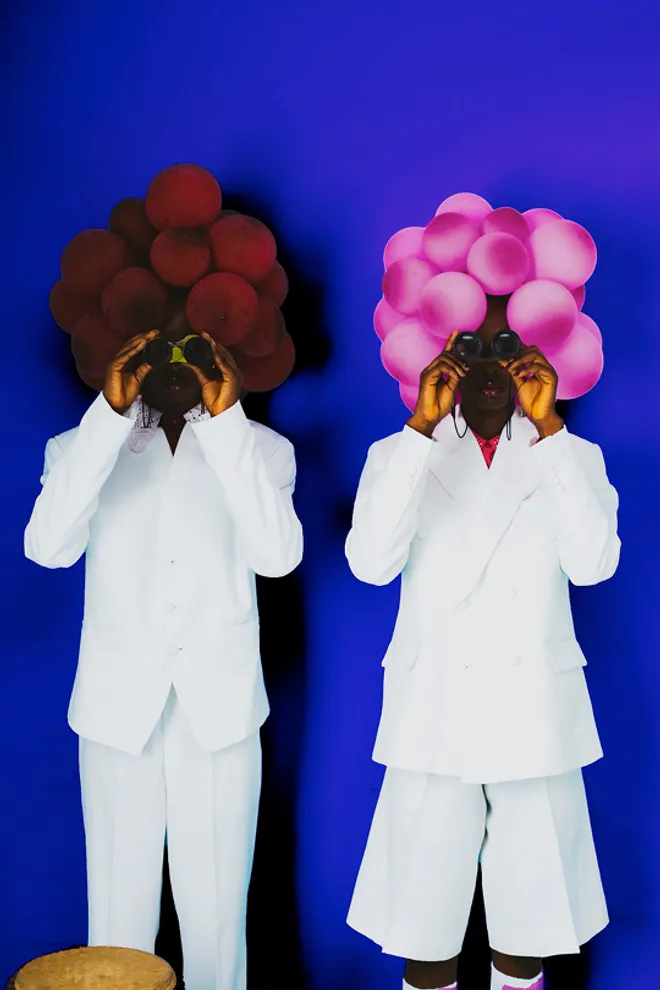
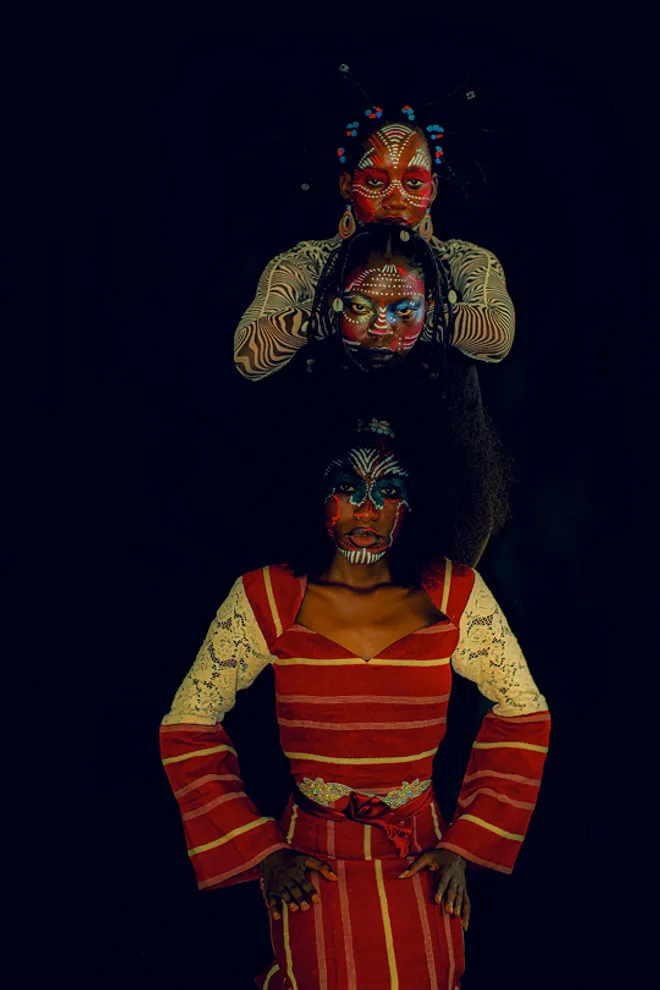
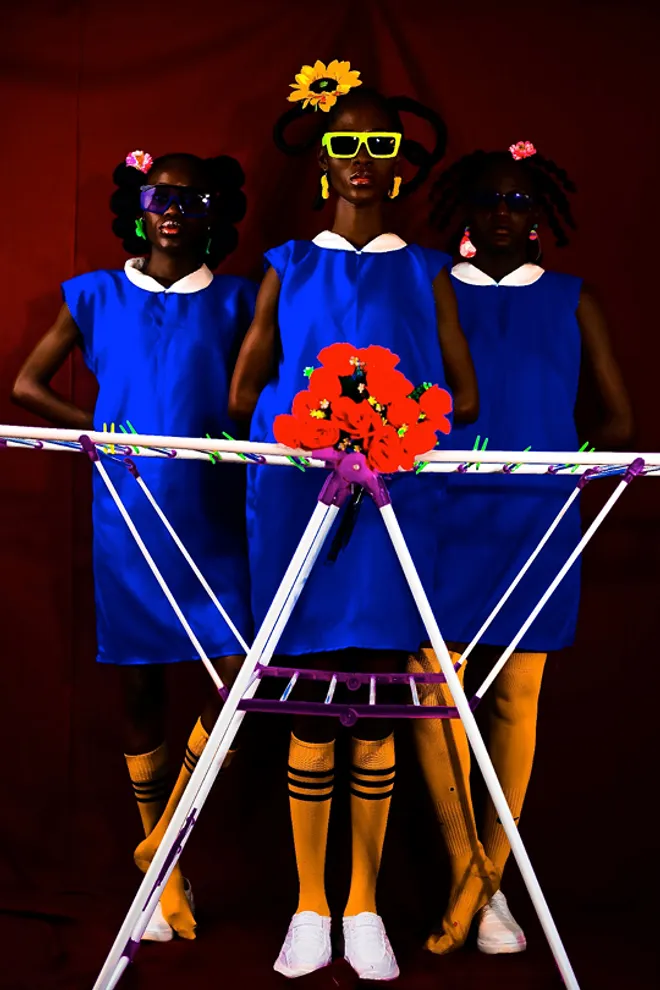
Ayomide Okanlawon is a Nigerian photographer, creative director, and visual artist whose practice is rooted in colour, culture, and contrast. Raised in Ibadan, he grew up surrounded by the colours and patterns of everyday Nigerian life, from Ankara fabrics and lace to the visual energy of markets and streets.

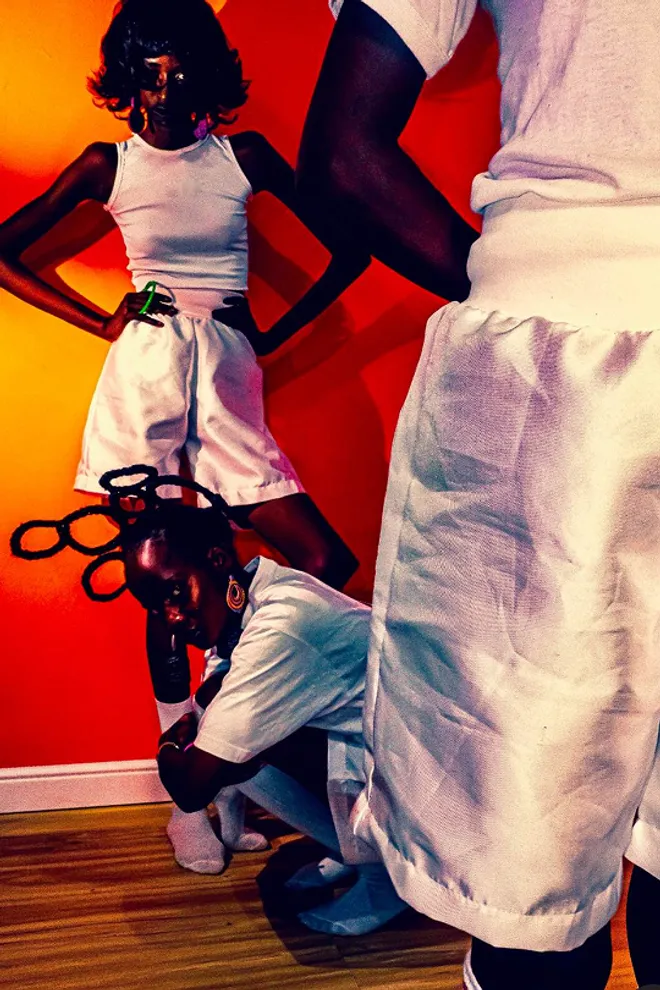
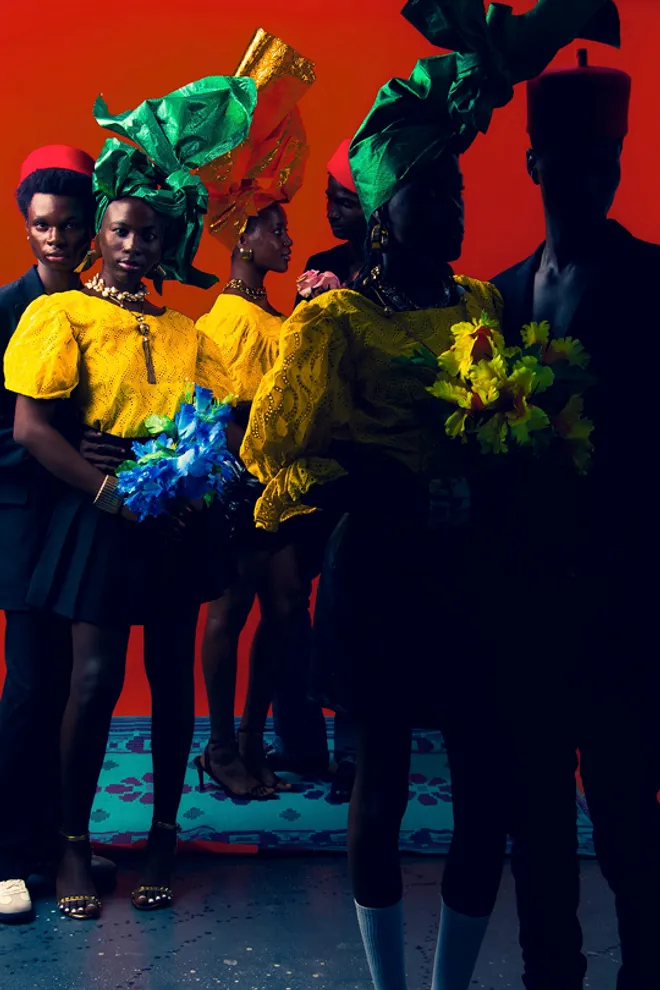
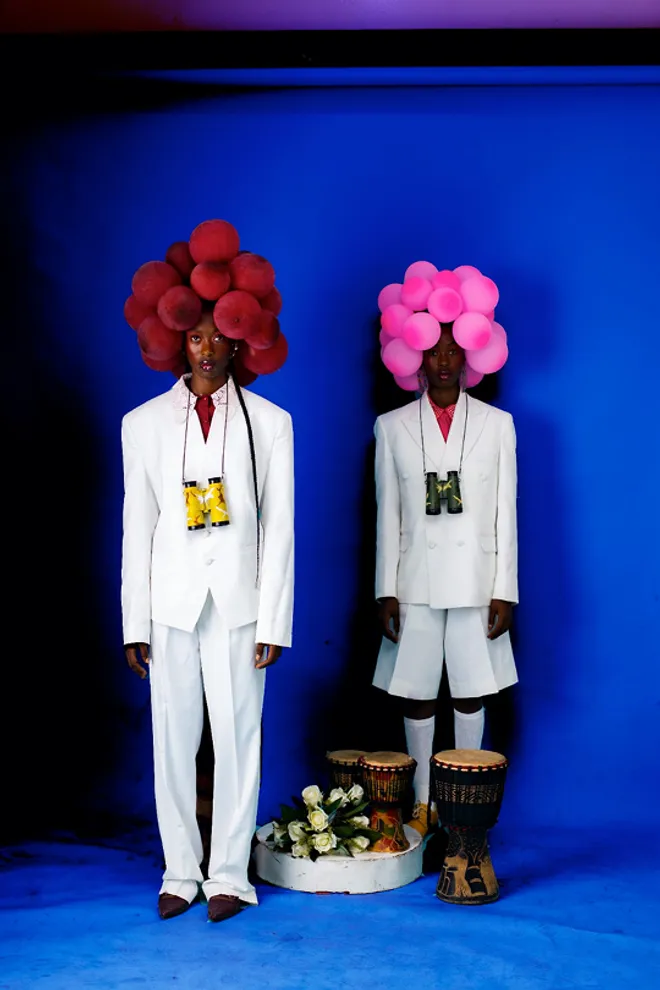
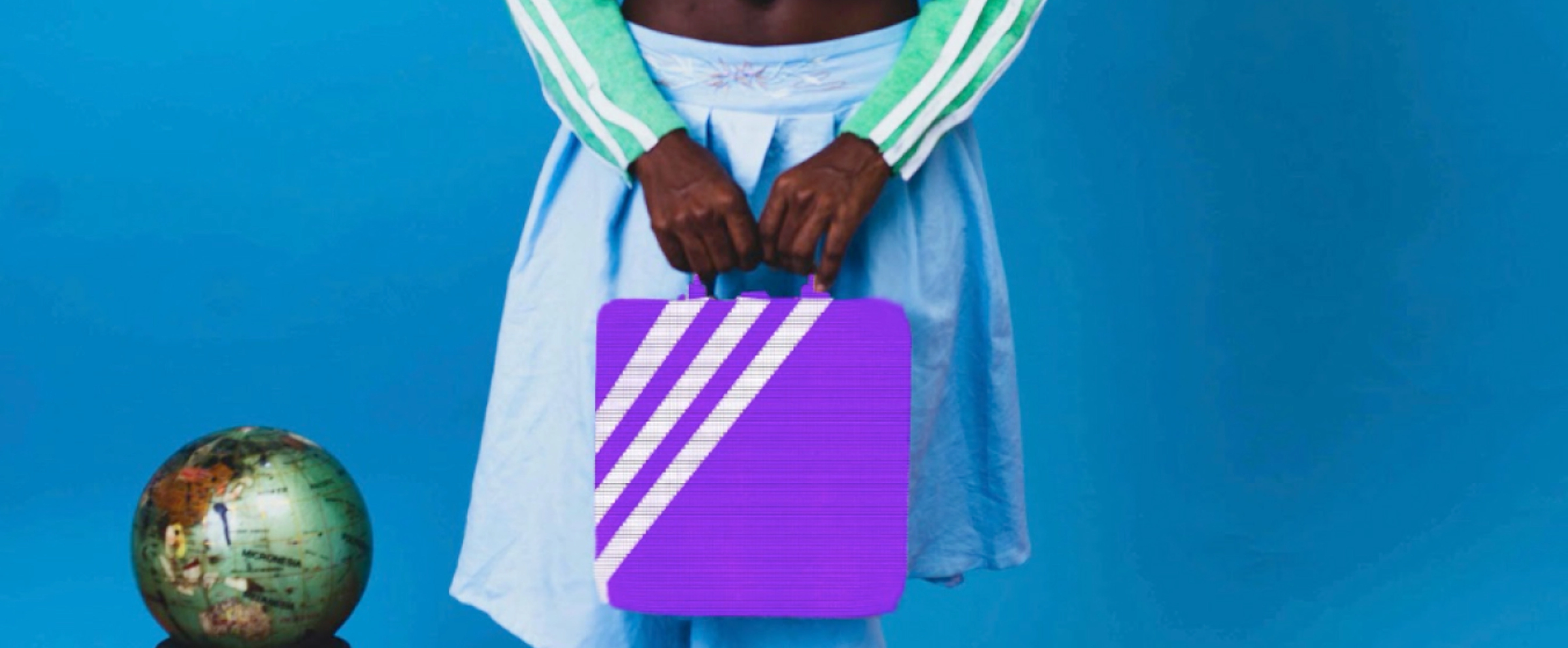
He describes these influences through what he calls the 3Cs: colour, culture, and contrast. His work brings these elements together with an interest in emotion, identity and the beauty found in ordinary surroundings. Alongside photography, his practice extends into creative direction and visual art, allowing him to approach each project through different forms of image making.
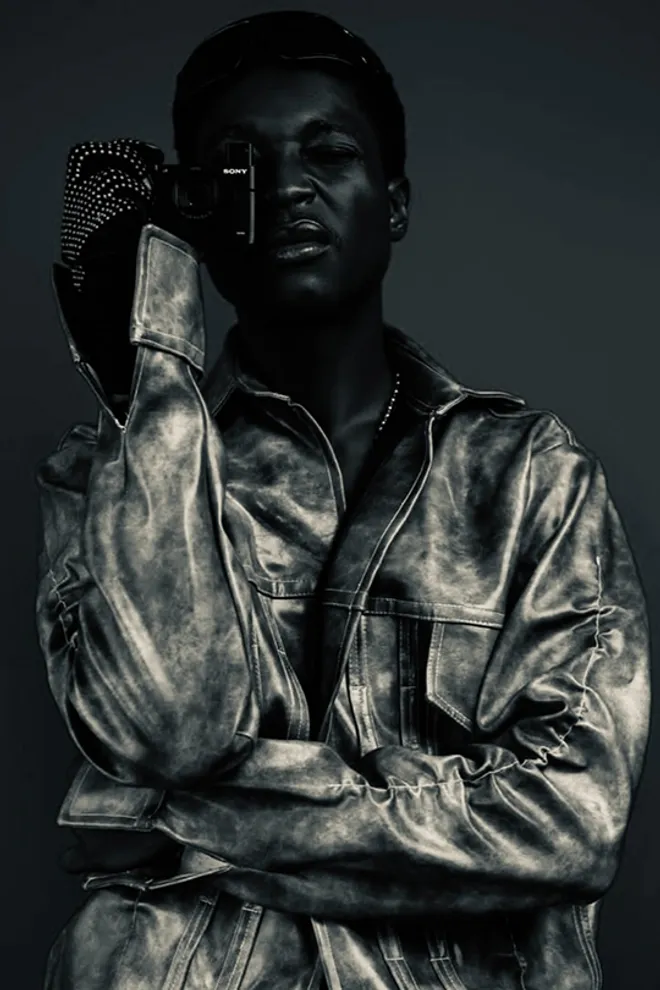
Ayomide Okanlawon - Nigerian visual artist & photographer

How did you get started in photography?

I started photography a little over a year ago, although looking back, I think photography had been around me long before I recognised it. Growing up, I was constantly experimenting with phones because I was fascinated by colours, patterns, and the way ordinary moments could become beautiful depending on how you looked at them.

Over time, I decided to give photography a real trial. My work as a creative director also led to my first-ever shoot, and that experience pushed me further into photography. Since then, I have continued learning through experimentation and by creating as many projects as I can.

“I spend a lot of time chasing the right feeling rather than technical perfection. If someone can look at one of my photographs and genuinely feel something, then I have accomplished what I set out to do.”

How would you describe yourself?

I'm a curious little boy playing with colours, and I do not want the world to tell me otherwise about my relationship with colour.

I write the majority of my projects before bringing them to life, usually without a moodboard. A belief that guides both my life and my work is that ideas do not really belong to us. I see myself as a vessel rather than the owner of creativity. I believe ideas already exist somewhere in the universe, and my responsibility is to remain open enough to receive them and bring them to life.

I also spend a lot of time chasing the right feeling rather than technical perfection. Technical skill matters to me, but emotion matters even more. If someone can look at one of my photographs and genuinely feel something, then I have accomplished what I set out to do.

“Photography is about connection. I want my work to evoke emotion, spark conversation, and live beyond social media.”

What are the main themes that inspire your photography?

Identity, human emotion, resilience, memory, and the beauty hidden within everyday life. They also connect closely to my 3Cs: colour, culture, and contrast.

Through my work, I want people to slow down and notice details they may have walked past every day without seeing. Whether it is colour, texture, light or emotion, I hope my photographs encourage people to look at themselves and their surroundings from a different perspective.

Photography for me is about connection. I appreciate creating visually strong images, but my deeper goal is to create work that evokes emotion, sparks conversation, and can live beyond social media, in museums, galleries, schools, and spaces where people gather to reflect. If someone sees one of my portraits and recognises part of their own story in it, then the photograph has done what I intended it to do.

What moment in your career are you most proud of?

Having my first-ever body of work and first book exhibited at the University of the Arts London. For me, it was a powerful moment of encouragement and a sign that the work I had been developing could reach spaces beyond my immediate environment.

“I decided to focus on expression before expectation. I kept experimenting, refining my craft and trusting my instincts.”

What is the biggest challenge you have faced as a photographer?

Learning to trust my own creative voice and continue developing my style while working within a commercial environment that can place strong emphasis on clean and technically precise images.

Financially, it has also not always been easy. Many of my projects have been supported through my own resources or by people who believed in my vision. There were times when I felt pressure to create work that would sell rather than work that genuinely expressed what I wanted to say.

Eventually, I realised that following commercial expectations too closely could pull me away from the reason I started creating in the first place. I decided to focus on expression before expectation. I kept experimenting, refining my craft, and trusting my instincts. The more honest my work became, the more opportunities began to follow.

That experience taught me that growth comes through consistency and that authenticity is one of the most valuable things an artist can offer. No one else can tell a story exactly the way you can.

“My interests sit across photography, fashion, fine art, culture and visual storytelling, and I would like to continue working across these spaces.”

What type of photography do you specialise in?

My practice is centred on image-making, with photography, creative direction, and visual art informing one another. I began as a photographer and gradually moved into creative direction, which opened up more opportunities to experiment with different forms of visual expression.

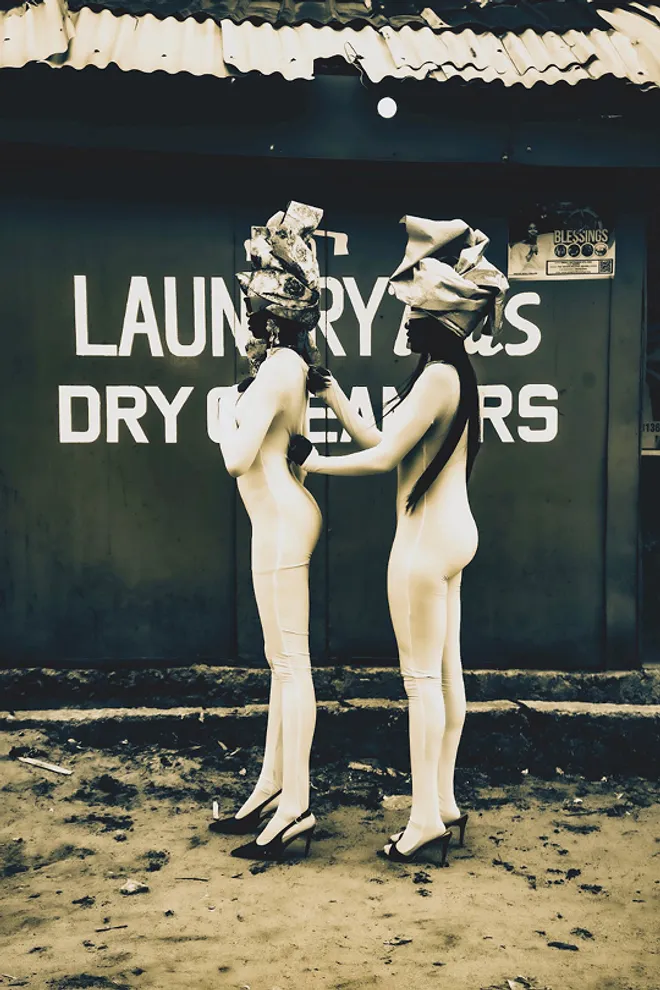
My work is connected to what I call the GLOCAL approach, bringing global and local perspectives together. I am interested in taking elements from my own cultural environment and presenting them through a visual language that can connect with audiences beyond it.

What is your primary commercial niche?

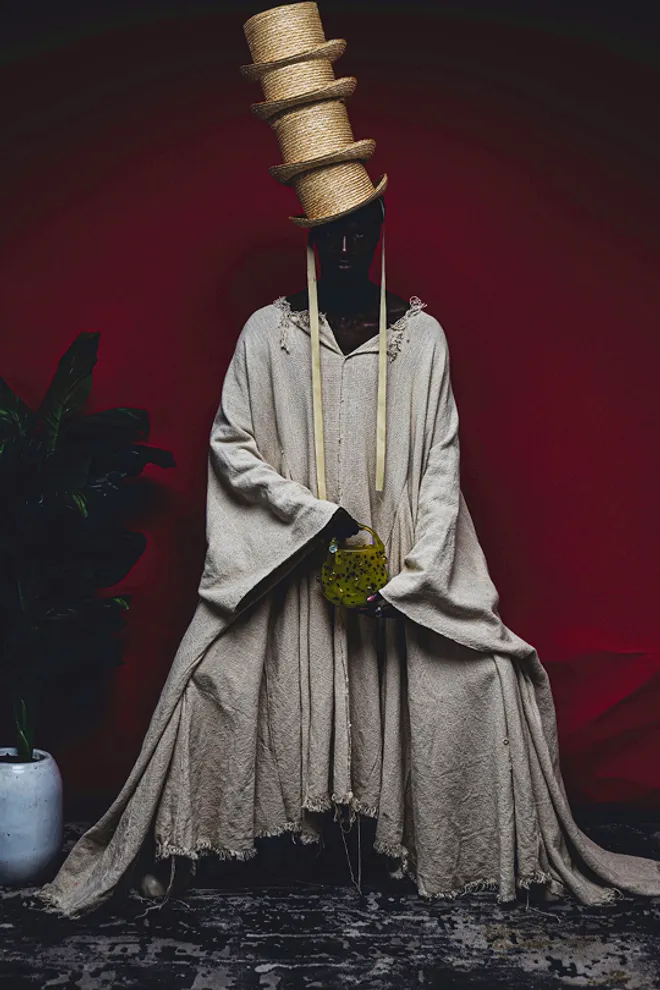
My commercial interests are centred on editorial, portrait, and fine art photography. I am particularly interested in projects that give me room to bring my visual language and creative perspective into the work.

What is your unique technical or visual approach?

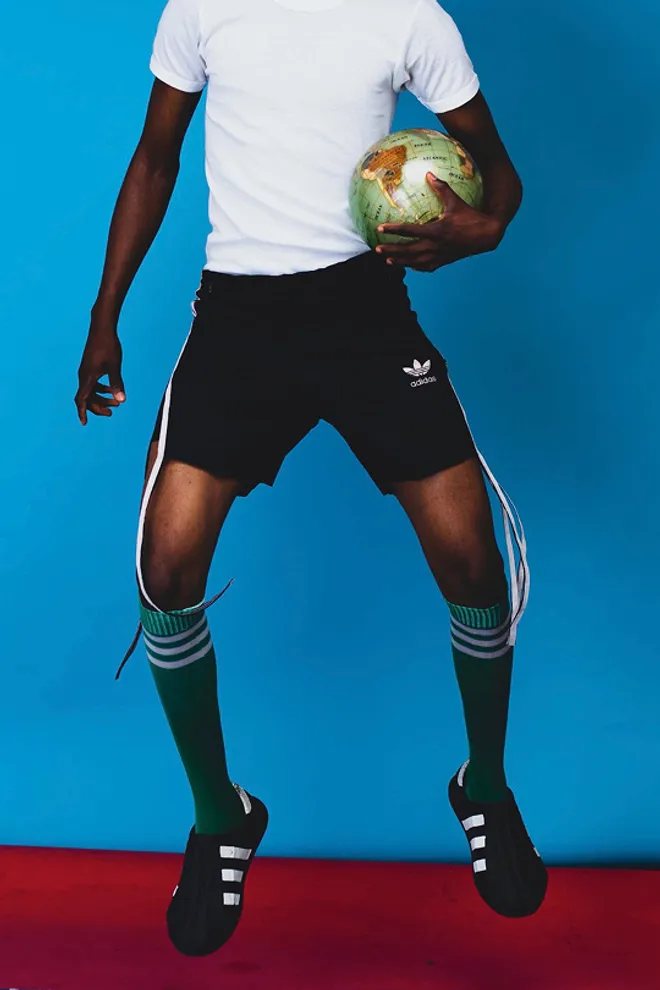
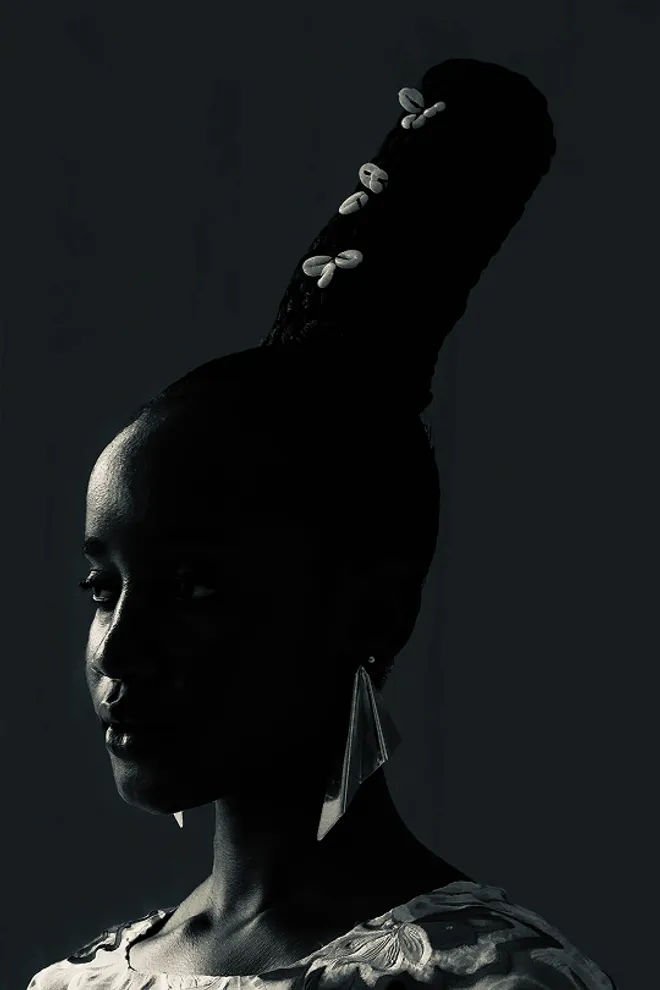
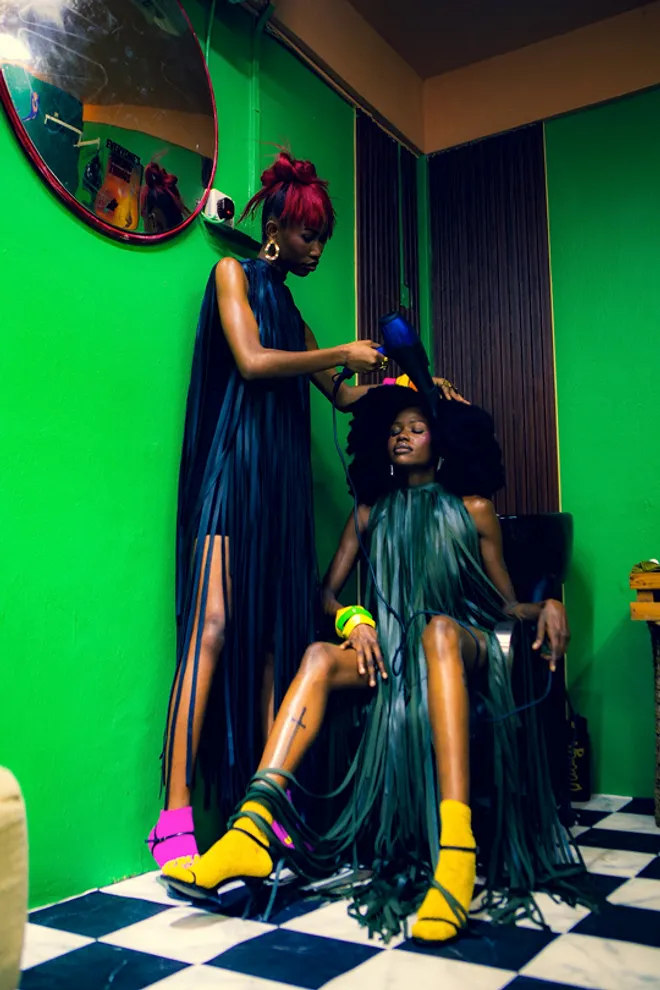
My visual approach is rooted in creating images that feel emotionally lived-in rather than observed. I work with natural light, restrained compositions, and carefully considered colour to create photographs with a quiet, cinematic atmosphere.

Colour is particularly important to my process. I pay attention to how colours, patterns, textures, and contrasts interact within a frame and how they contribute to the emotion of an image. I want the visual decisions in my work to feel intentional while allowing the image to retain a sense of life and feeling.

Which global brands, photographers, or industries do you feel your work aligns with most?

I want to work with brands and publications such as Adidas, Gucci, Nike, Vogue, and Dazed, alongside filmmakers, image makers, art curators, and collectors.

I am interested in collaborations that give artists room to bring their own identity into the work. My interests sit across photography, fashion, fine art, culture and visual storytelling, and I would like to continue working across these spaces.

How is the photography and art space in Nigeria?

Nigeria’s photography and contemporary art scene has grown significantly over the past decade and has become one of the most active creative ecosystems on the continent.

Artists and photographers are gaining international recognition through exhibitions, residencies, festivals, publications, and collaborations, while local communities continue to create spaces for experimentation and dialogue. Photography has also developed into a medium for exploring identity, memory, culture, and social change.

A new generation of photographers is using personal narratives and conceptual approaches to present more nuanced perspectives of Nigerian life. This continued development creates space for artists to experiment with their own visual languages while contributing to a wider understanding of contemporary Nigerian culture.

What do you think of the 54Ruum platform?

I think 54Ruum is a great platform for African artists. There are still relatively few platforms creating this kind of space for African photographers and artists to share their work and gain visibility.

I appreciate the work 54Ruum is doing to bring attention to artists across the continent and create a space where their stories and creative practices can be seen.

Credits

Text

Lillian Wangari

Photography & direction

Ayomide Okanlawon

Curation

guvnor

SHARE THIS STORY

Join Our Community

More Stories

Abdoulaye Gueye : photographe documentaire sénégalais, un regard qui capture Dakar entre nostalgie et mémoire
Mariam Ashraf: Egyptian documentary photographer documenting identity, memory, and belonging through people and place
Kwadwo Abrokwa: Documenting Ghanaian culture through portraiture, music, and creative life
Frehiwet Abebe: Ethiopian photographer capturing faith, emotion, and everyday life through candid images
Norkor Nortey: Ghanaian documentary photographer portraying African women through movement, colour, and quiet observation
Kimberly Isibusiso Mduli: South African multidisciplinary artist turning photography into acts of care, memory, and devotion
Ahmad Alaa: Egyptian filmmaker and photographer preserving fleeting moments through photography and film
Oghenetega Ojovbo: Nigerian photographer finding beauty in scars through emotional black-and-white storytelling
Safi Mohamed: Algerian documentary photographer exploring everyday life, vulnerability, and human connection
Fauziah Anyango: Kenyan conceptual photographer exploring identity, culture, and emotional tension
Kananelo Moshabesha: Mosotho documentary photographer capturing culture, human connection, and authentic moments
Nada Ghanem: Egyptian documentary photographer capturing everyday life, emotion, and authentic moments on the streets of Egypt
Nesrine Kaddour: Algerian street photographer exploring Algiers through memory, identity, and cultural history
Ayanda Kanise: South African documentary photographer exploring memory, identity, and culture
Bouchra Ayad: Algerian documentary photographer preserving emotion through quiet observation

Explore more content

Company

The Ruum Africa

Products

RTM

© 2026 The Ruum Africa

Built by