Portia Ncwane, cultural documentary filmmaker based in South Africa

4 mins read
Published5 Sep, 2025

"I’ve always loved capturing moments wherever there were gatherings at home, with friends, or colleagues. Looking back at those photographs always made me appreciate the memories."

Portia Ncwane is a South African photographer and filmmaker passionate about cultural, documentary, and portrait photography. She has always loved capturing moments at gatherings with family, friends, and colleagues, and with time he began to appreciate the power of those images.

She was inspired by photographers Mawanda Maphumulo andAvumile Magadla, who often documented my project events and showed me the importance of timing, presence, and perspective behind the camera.

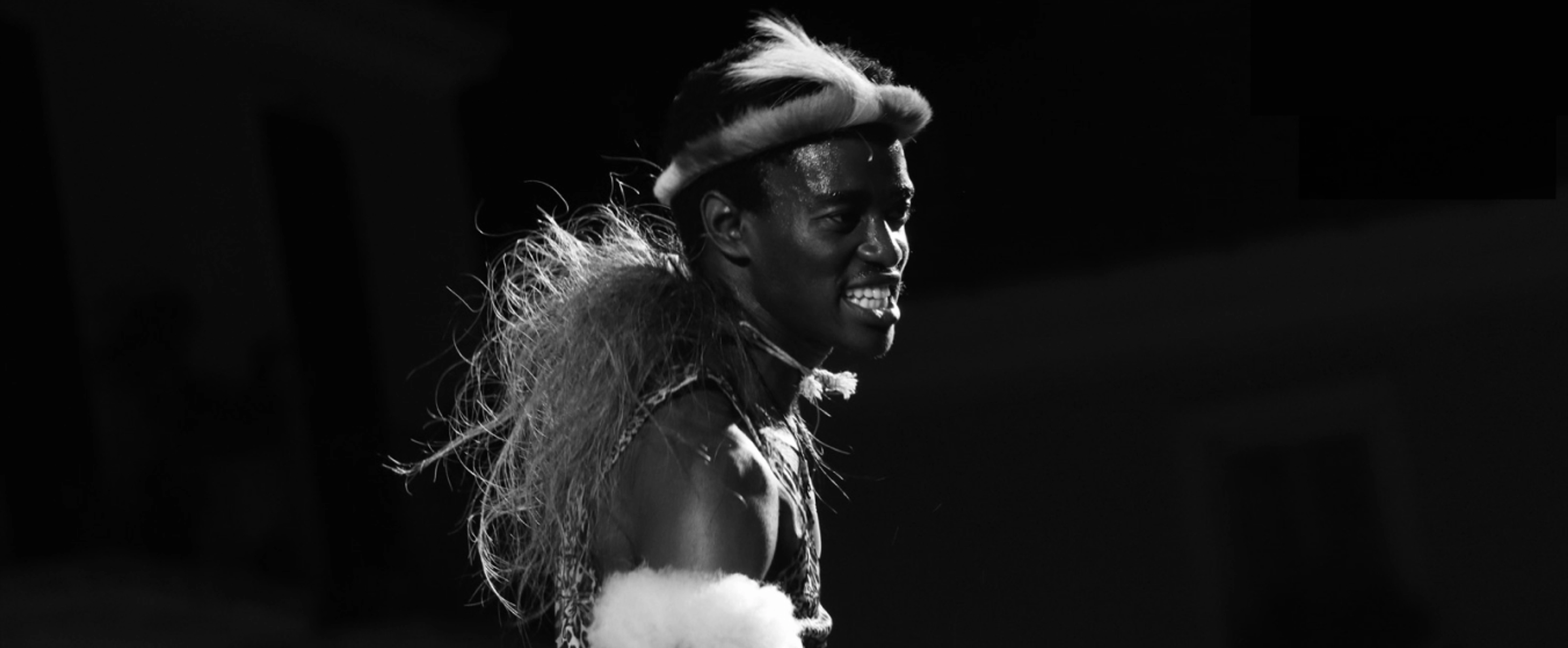
As a Zulu woman and cultural activist, she sees photography as a tool for preserving identity, memory, and representation. For her, it is more than an art, it’s cultural preservation, visual storytelling, and a way of giving people a mirror to see themselves with pride and dignity.
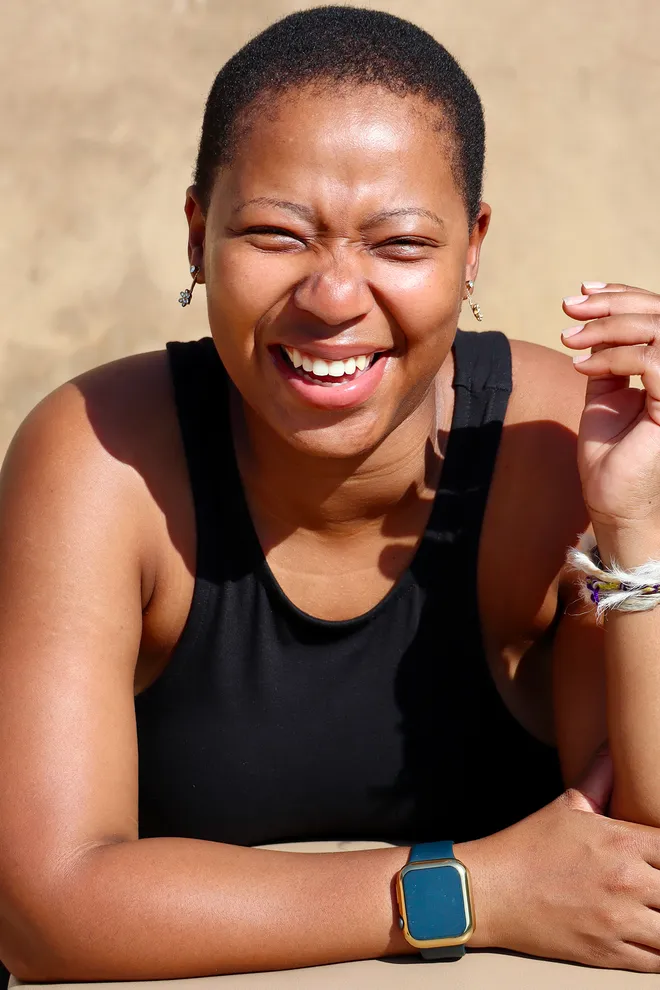
Portrait of Portia Ncwane

How did you first get into photography?

I’ve always loved capturing moments wherever there were gatherings at home, with friends, or colleagues. Looking back at those photographs always made me appreciate the memories.

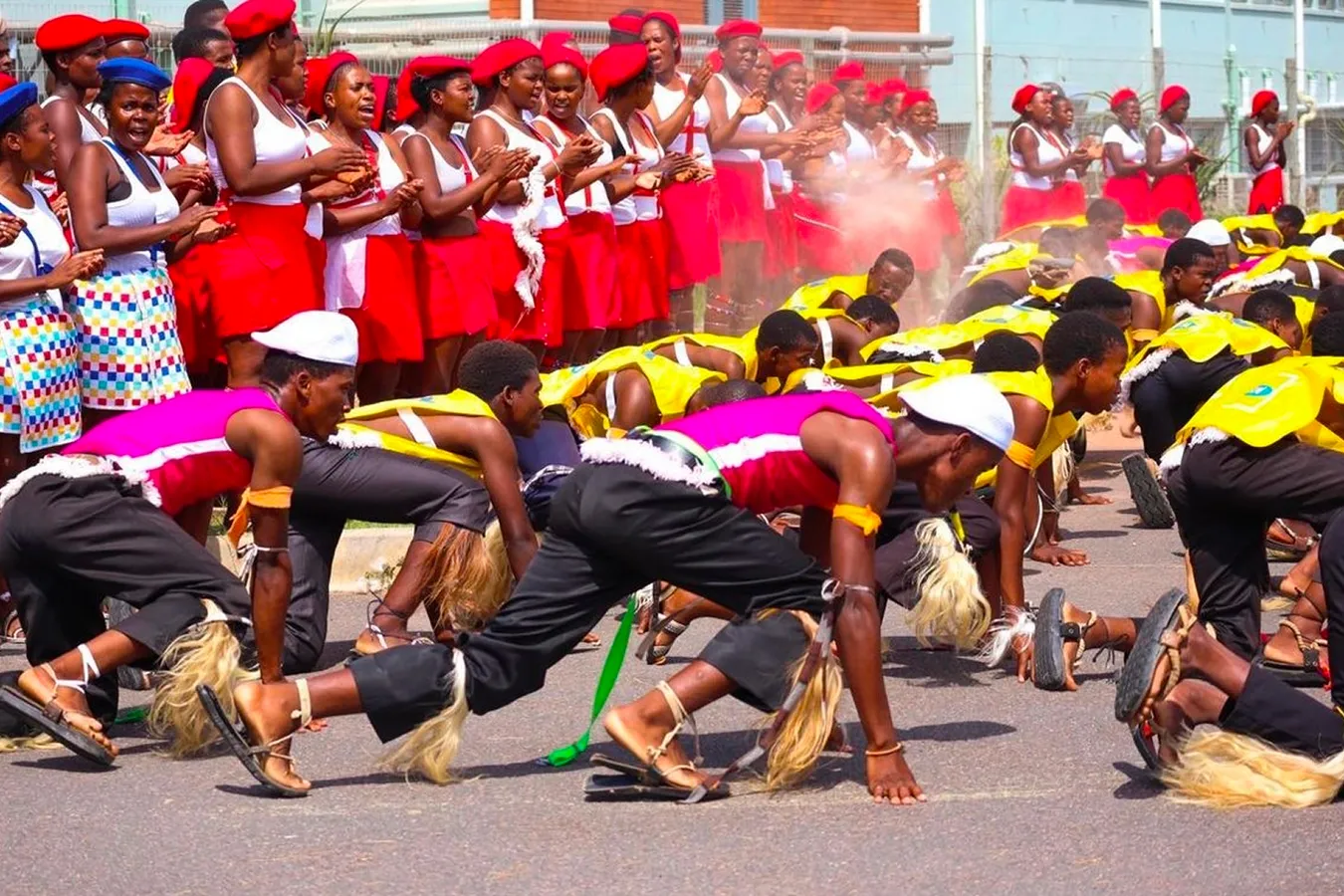
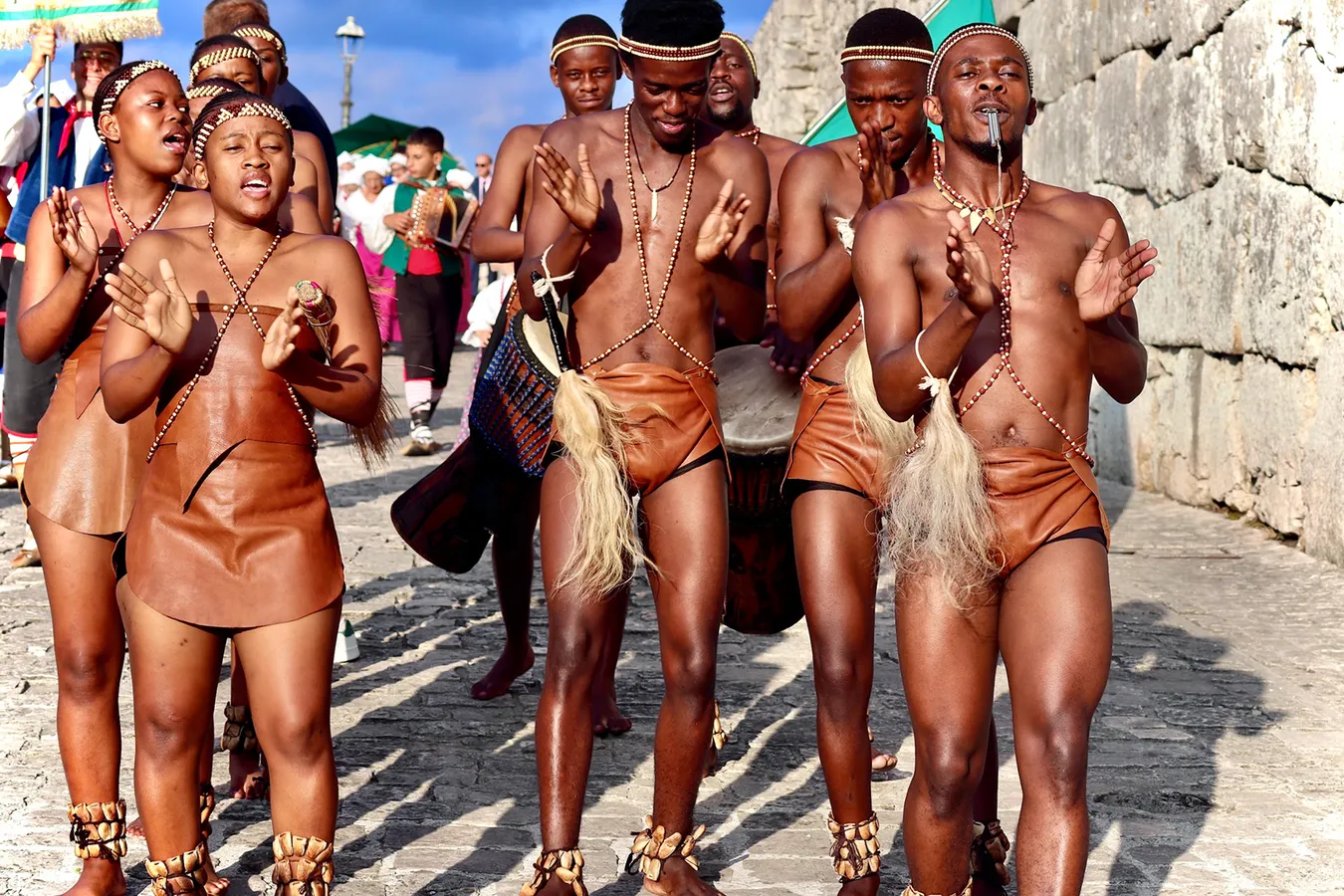
Working with photographers like Mawanda Maphumulo and Avumile Magadla, who documented my project events, inspired me as they always seemed to know exactly when and how to capture the essence of a moment. My passion for culture and heritage also played a big role, especially in wanting to photograph folk dancers and cultural expressions around the world.

What type(s) of photography do you specialise in, and why did you choose this niche? How has your style evolved over time?

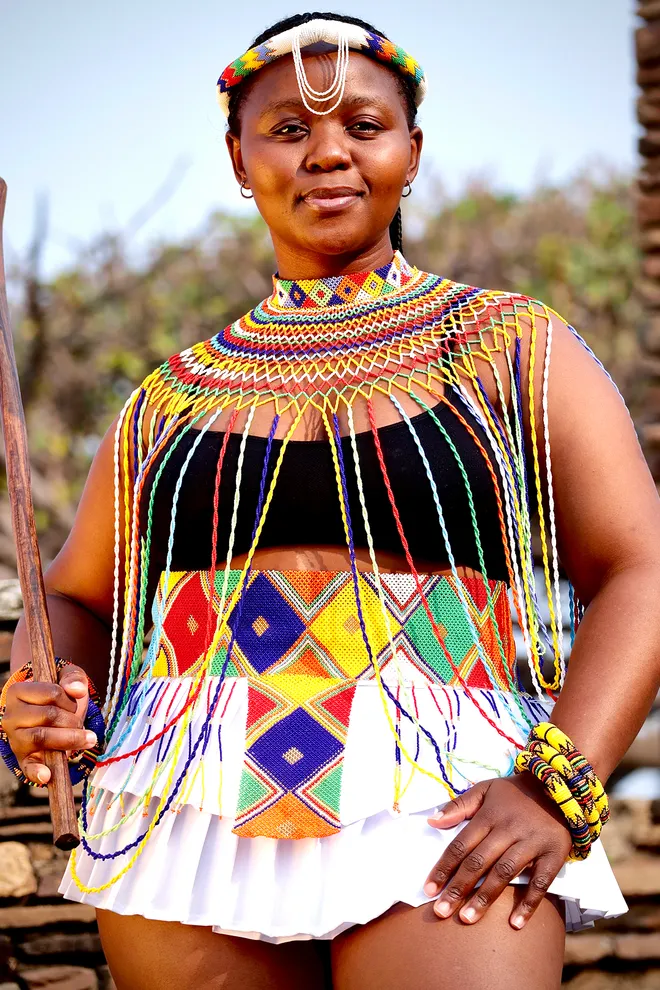
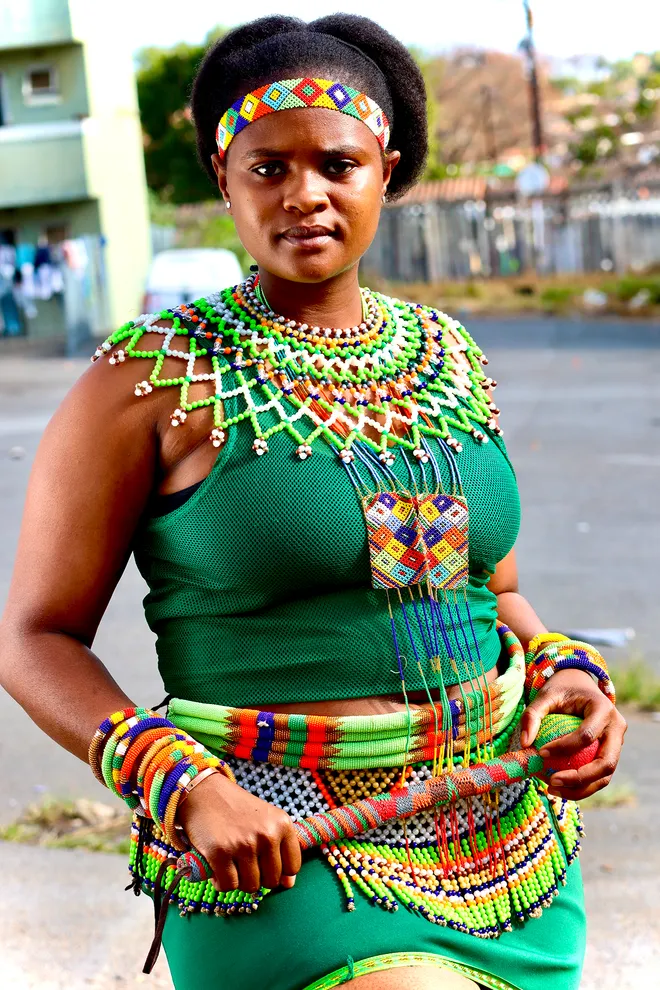
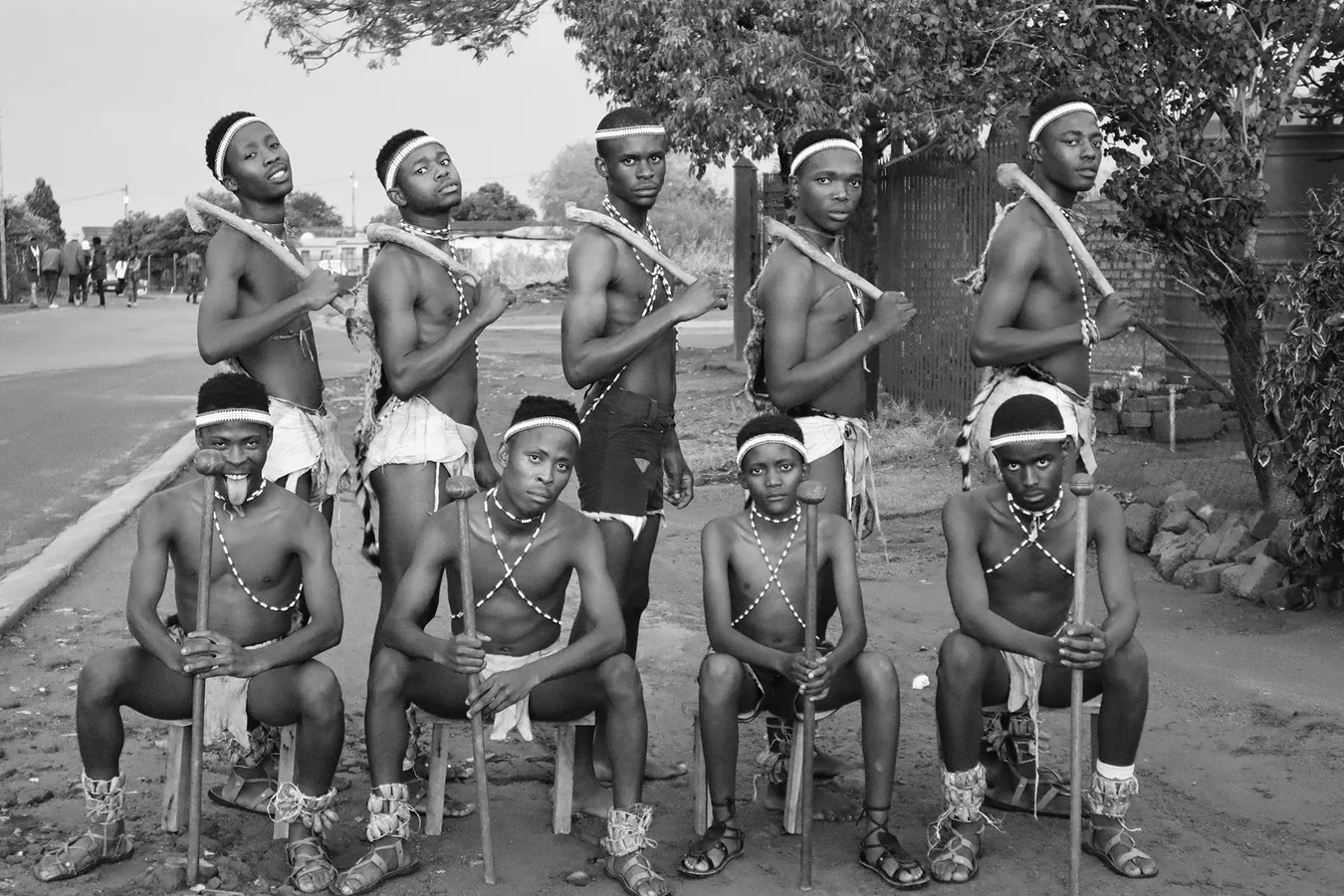
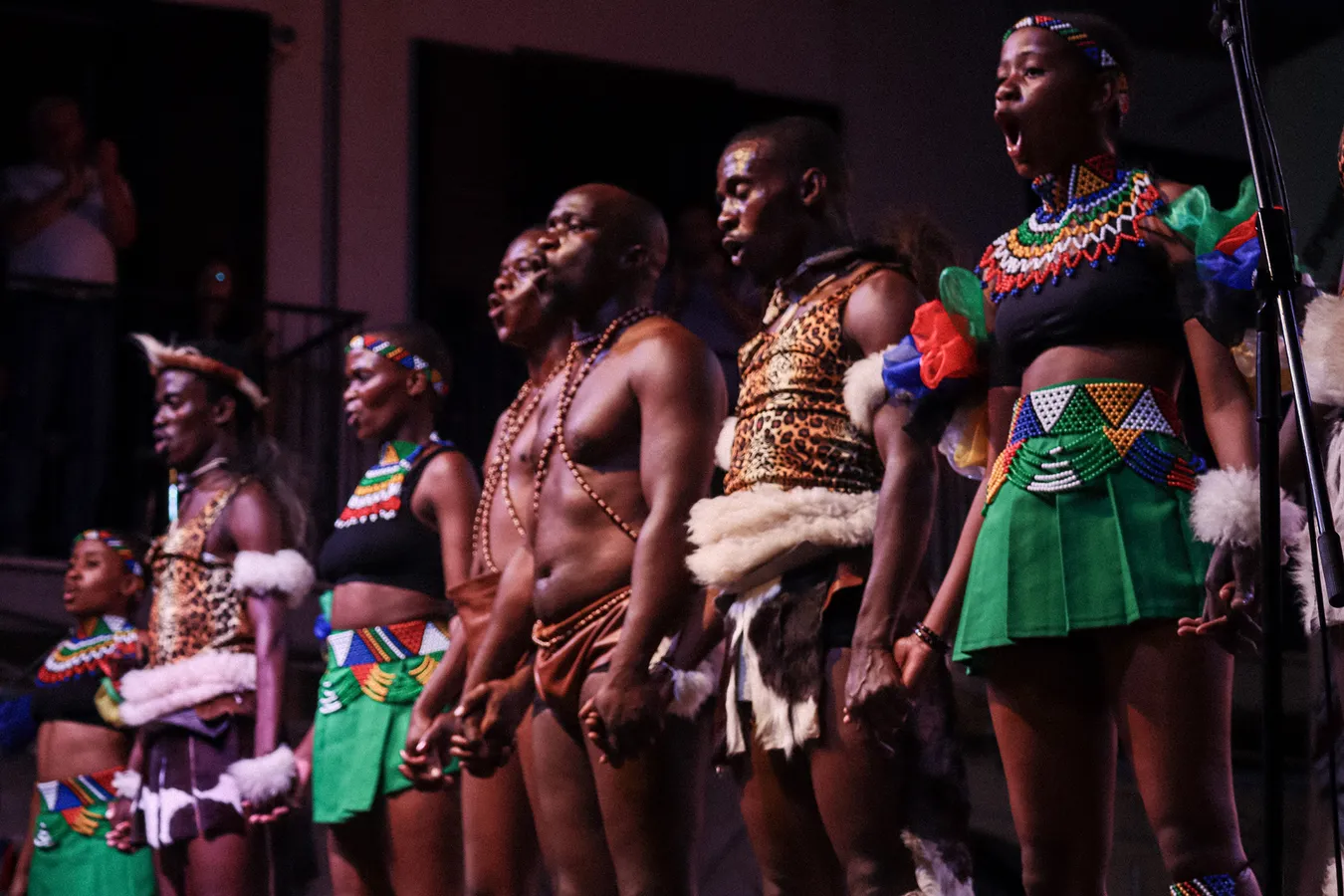
I specialise in cultural and heritage, documentary, and portrait photography because I believe in the power of visual storytelling to preserve, celebrate, and reclaim who we are as African people. As a Zulu woman and cultural activist, I’ve seen how much of our history and indigenous knowledge systems are undocumented, misrepresented, or forgotten.

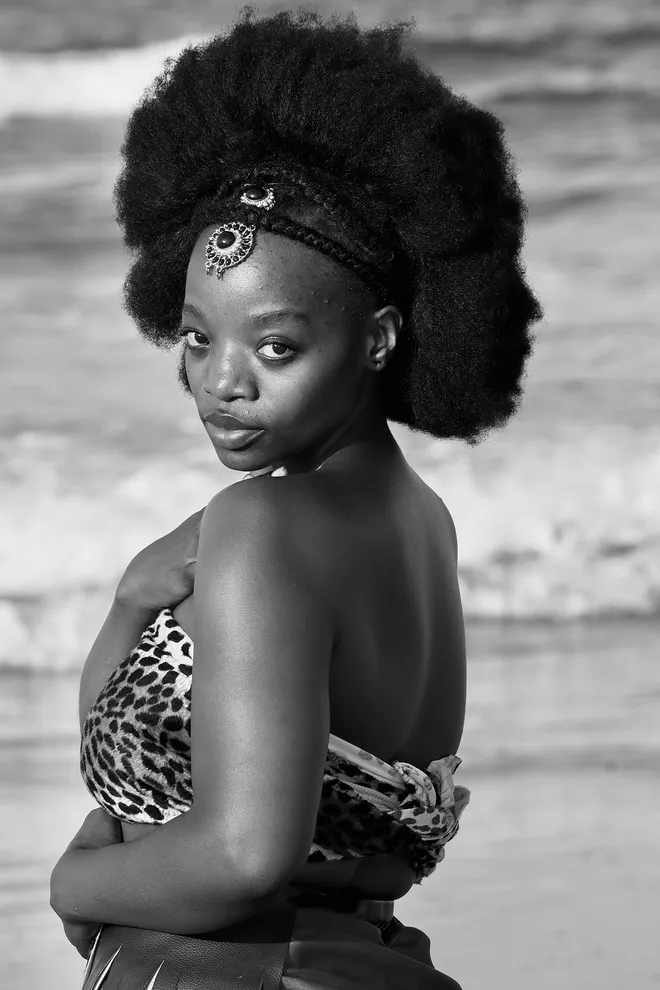
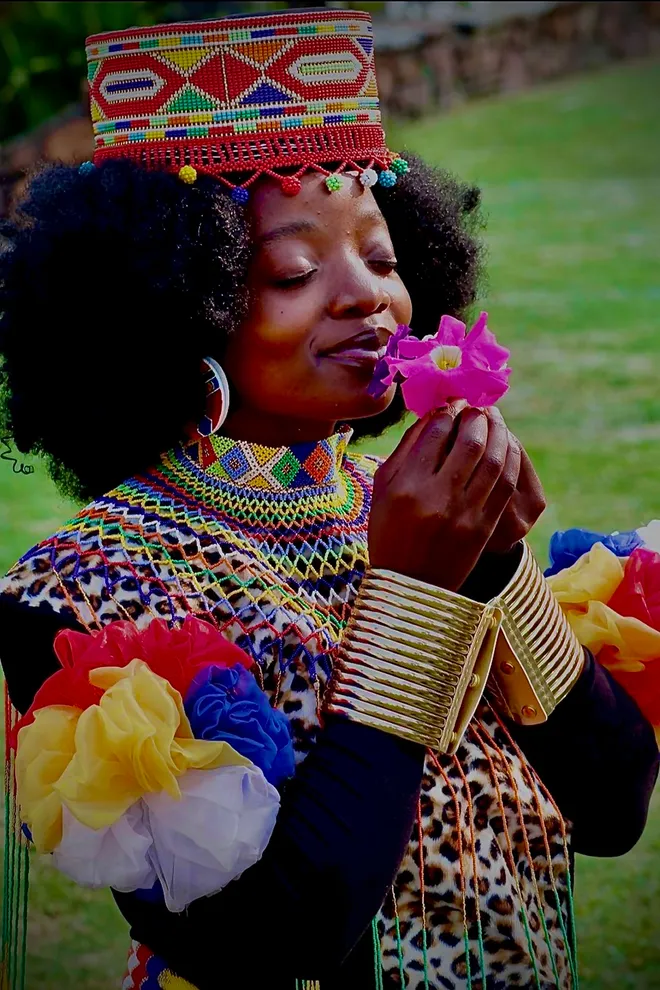
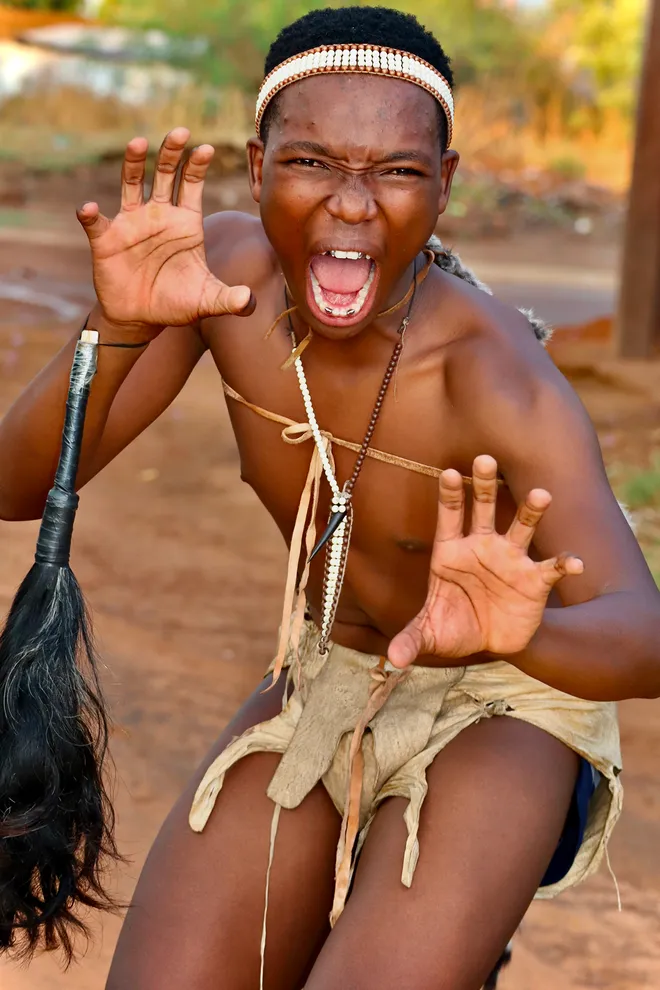
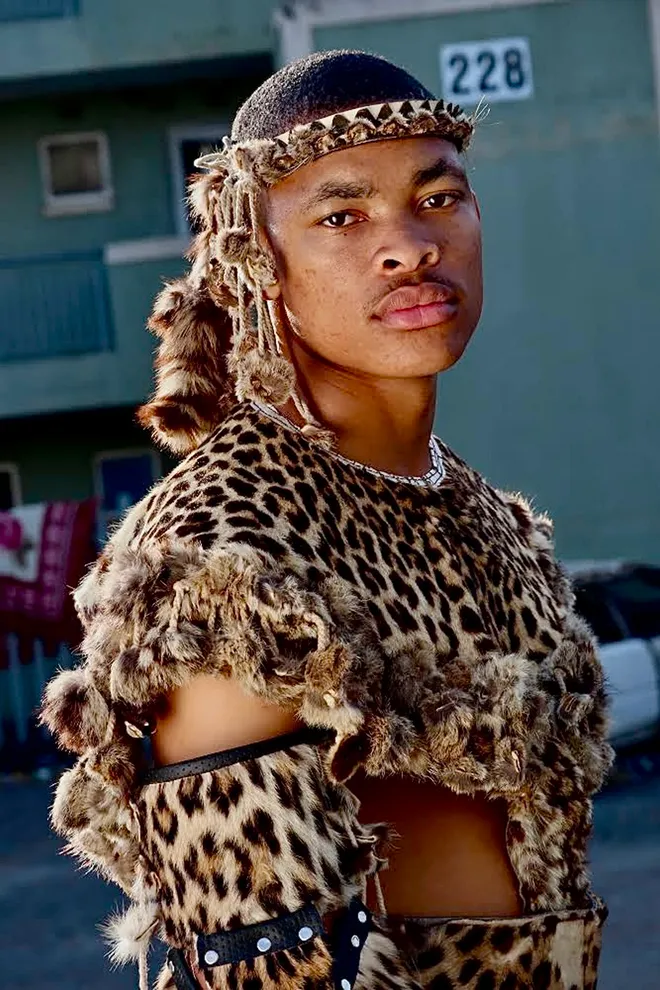
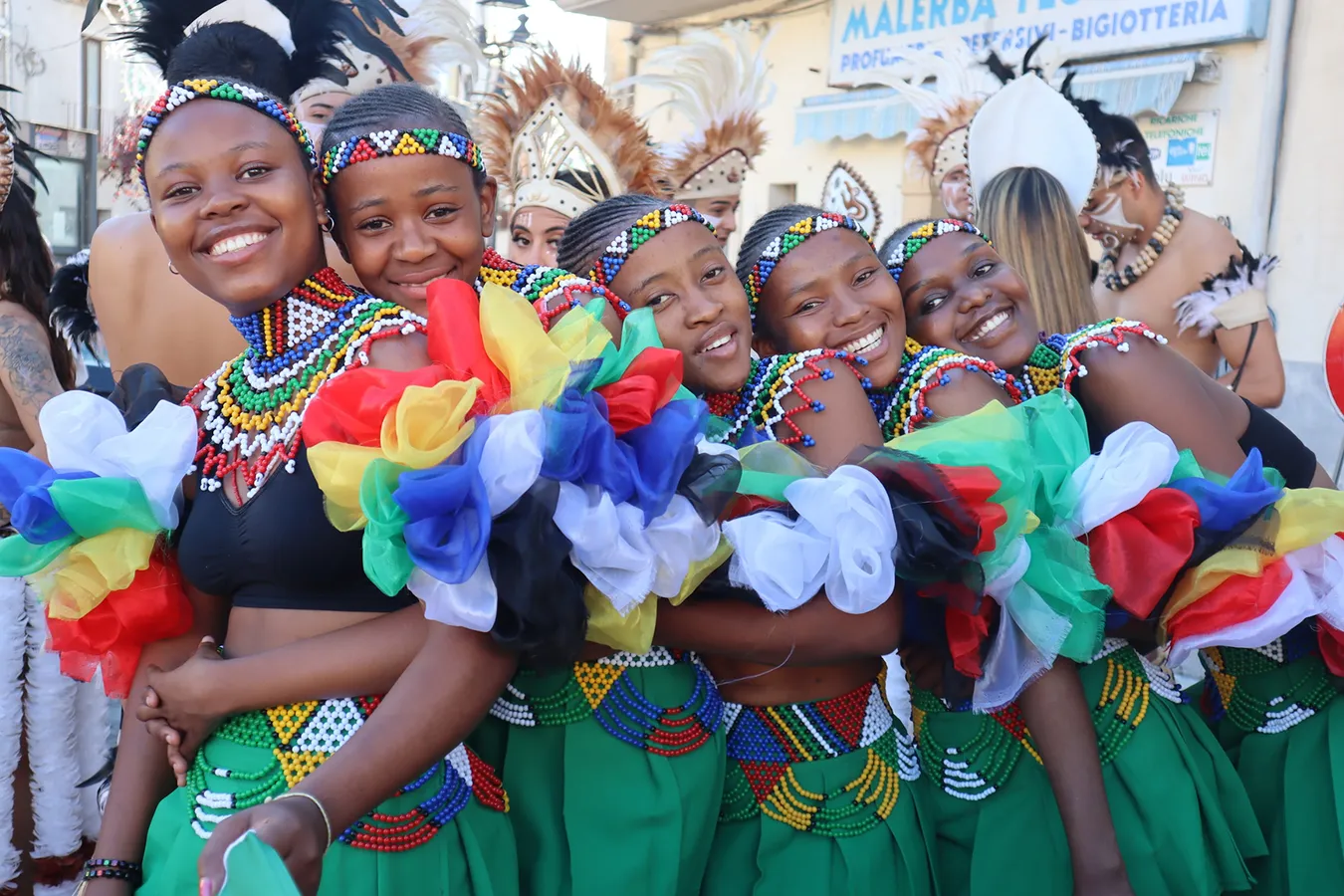
Through cultural and heritage photography, I capture traditional ceremonies, attire, dances, and ways of life that carry ancestral wisdom. With documentary photography, I tell stories of communities, daily life, and unsung heroes, not for spectacle, but for impact. And with portrait photography, I create mirrors for people to see themselves with pride, especially those who feel unseen.

My style has evolved into producing more documentaries and films, which broaden the ways I tell stories and preserve cultural memory.

Can you share the underlying themes or ideas that drive your photography? How do you use your images to connect with others?

The underlying themes in my work are identity, memory, resilience, and representation. Whether I am documenting cultural ceremonies, capturing intimate portraits, or telling stories through a documentary lens, my goal is to honor where we come from, reflect who we are, and imagine what we can become.

In my cultural photography, I focus on preserving the richness of South African traditions, dance, attire, rituals, and oral storytelling. Through portrait photography, I create safe spaces where people can be seen authentically.

"Through documentary photography, I approach stories with empathy, curiosity, and honesty."

My images spark conversations, challenge perceptions, and ignite healing. Whether exhibited, published, or shared in workshops, they go beyond aesthetics, they awaken pride, preserve legacy, and connect people across generations and cultures.

What's the one achievement or moment in your photography career that you're most proud of?

Being featured as one of the artists in the International BRICS Universe Photo Exhibition in Russia, where I showcased Zulu cultural and heritage photography, is one of my proudest achievements. It was a milestone that affirmed my journey as a creative photographer and filmmaker.

What's the biggest challenge you've faced as a photographer, and how did you overcome it? What did you learn from that experience?

One of my biggest challenges was stressing over capturing the “perfect” moment and worrying about whether my equipment was ready. Over time, I’ve learned to prepare thoroughly with my team at Sbani Media Productions and also go with the flow when needed.

This taught me that preparation is important, but presence and adaptability are just as crucial in photography.

If you could collaborate with anyone, who would it be and why? Add his/her Instagram link to your answer

  • Trevor Stuurman: His work celebrates African fashion, tradition, and individuality with boldness and elegance. I’d love to collaborate on a photo-documentary series that reimagines Nguni, especially Zulu, heritage through the lens of modern African youth.
  • Netflix Africa: Their storytelling reach and creativity could amplify African cultural narratives on a global stage.

What are your thoughts on the 54Ruum platform?

54Ruum is a refreshing and necessary space, especially for African photographers reclaiming narratives. What I love is that it’s not just about visuals, but about intentional storytelling, cultural honesty, and building networks.

It highlights diverse perspectives and fosters conversations around heritage, memory, and identity, which align deeply with my own work. Communities like 54Ruum are powerful because they allow us to see ourselves and one another more fully.


If you could give one piece of advice to someone just starting their photography journey, what would it be?

Start by photographing what moves you. Don’t chase trends, chase truth. The most powerful images come from deep emotion and curiosity.

It’s not about the best camera, it’s about an honest eye and an open heart. Trust your journey, tell your story, and let your lens become a tool of healing, pride, and purpose. Stay the course, and everything will align.


SHARE THIS STORY

Join Our Community

Company

The Ruum Africa

Products

RTM
Cookie Policy

© 2026 The Ruum Africa

Built by