Soufian Chemcham: Algerian documentary photographer exploring youth, hip-hop culture, and urban life

9 mins read
Published8 Jul, 2026

“Photography is simply an honest exchange between my lens and the spontaneous energy around me.”

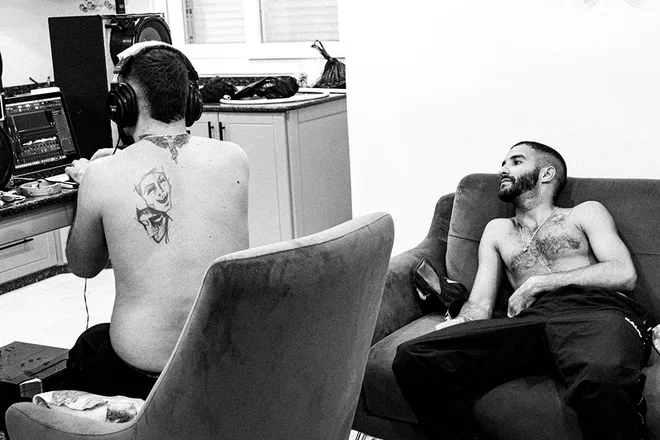
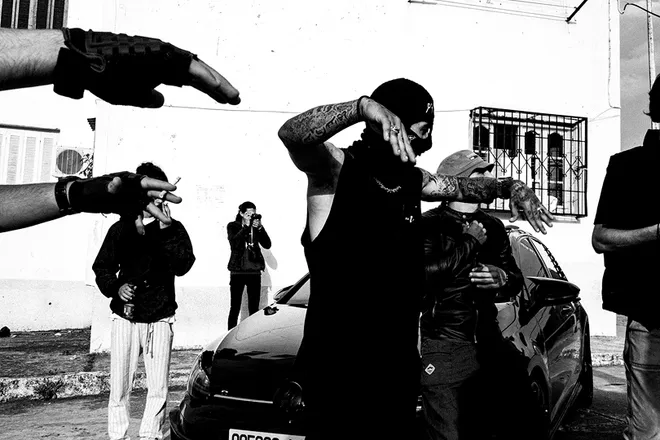
Soufian Chemcham is an Algerian photographer whose work draws inspiration from the street life of his hometown, Jijel, and hip-hop culture.

As a self-taught photographer, Chemcham focuses on documentary projects exploring youth across various aspects and contexts. He is a member of Collective 220, a group of Algerian photographers aiming to present a unique, personal outlook on contemporary Algeria.

His work has been showcased at various festivals and exhibitions across Algeria, Morocco, Spain, France, Turkey, Jordan, and the USA.
How did you get started in photography?

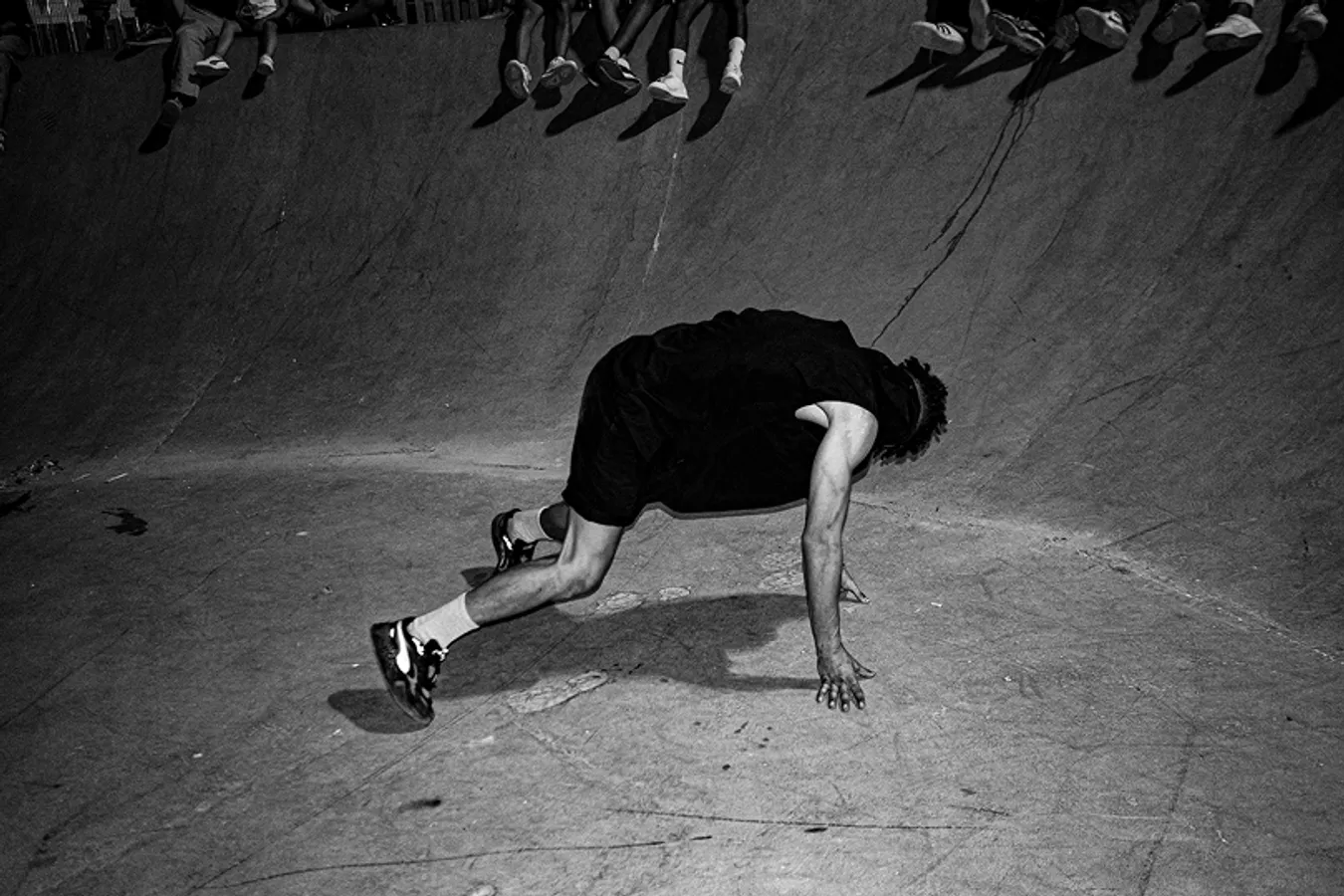
My journey began as a B-boy, captivated by the raw energy and spontaneity of street culture. Everything changed when my dance crew bought a camera to document our battles and left it in my hands.

Exploring the tool, I found profound inspiration in my close friend Hychem Chouikh, a local photographer and musician. What started as capturing urban movement naturally evolved into long-form documentary projects, allowing me to explore deeply personal stories through the lens.

How would you describe yourself?

People expect a dancer to choose video, but even as a B-boy, I was mentally framing still postures. In my view, breakdancing was about sculpting frozen moments; I have always been a photo-maker at heart.

Today, the street is my cypher. I step into the open space, lock into the ambient rhythm and react in real time. Free from scripts or competition, photography is simply an honest exchange between my lens and the spontaneous energy around me.

“I treat the frame as a high-stakes convergence where information, emotion and rigorous aesthetic balance must coexist simultaneously.”

What are the main themes that inspire your photography?

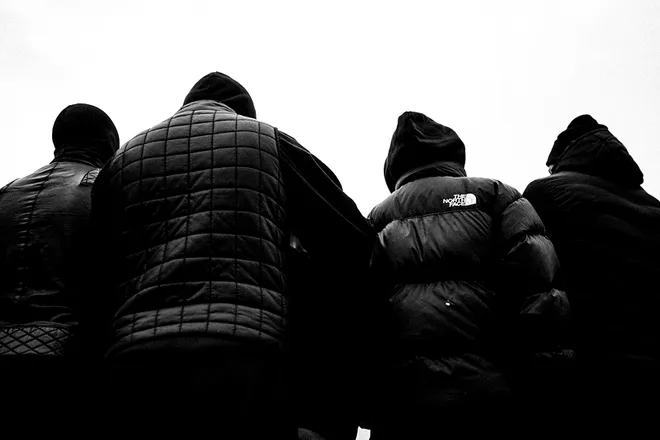
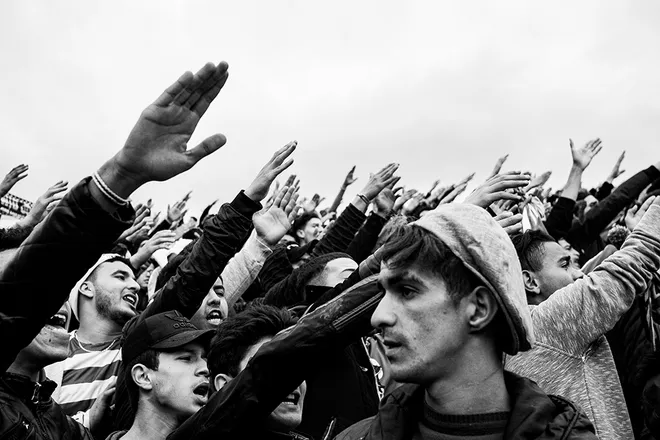
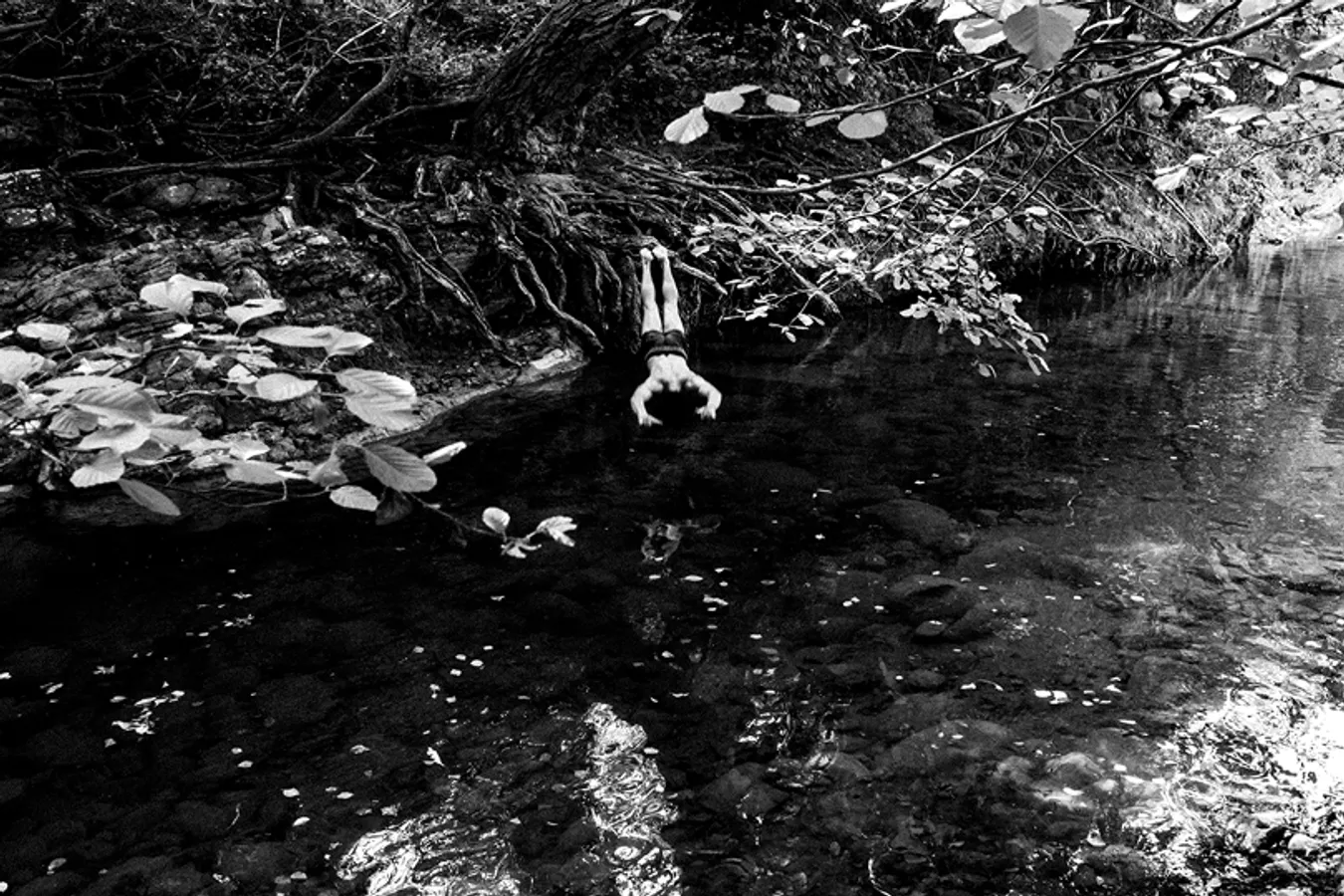
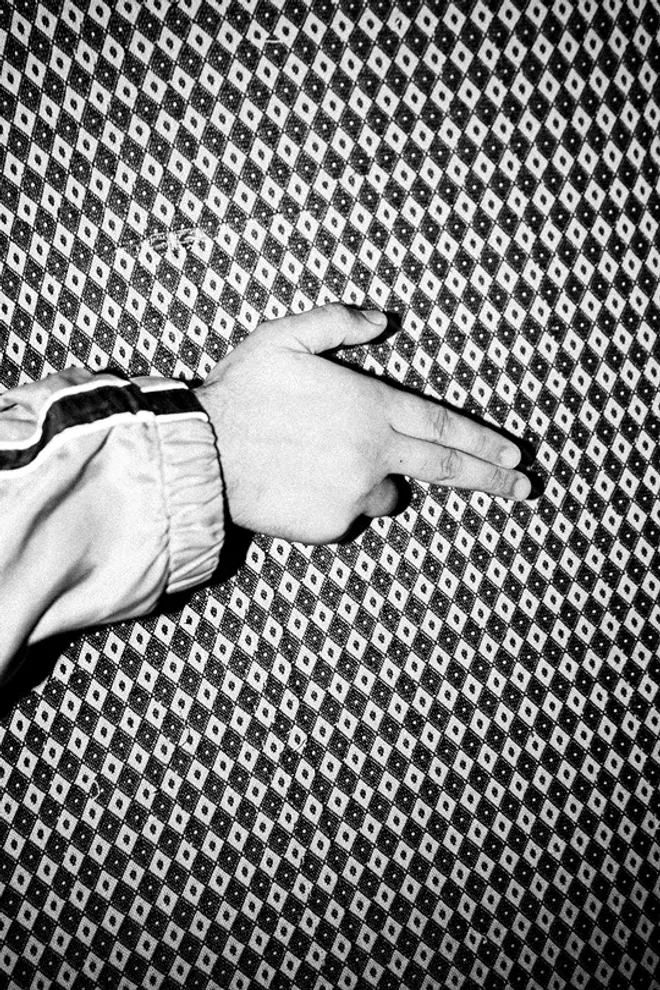
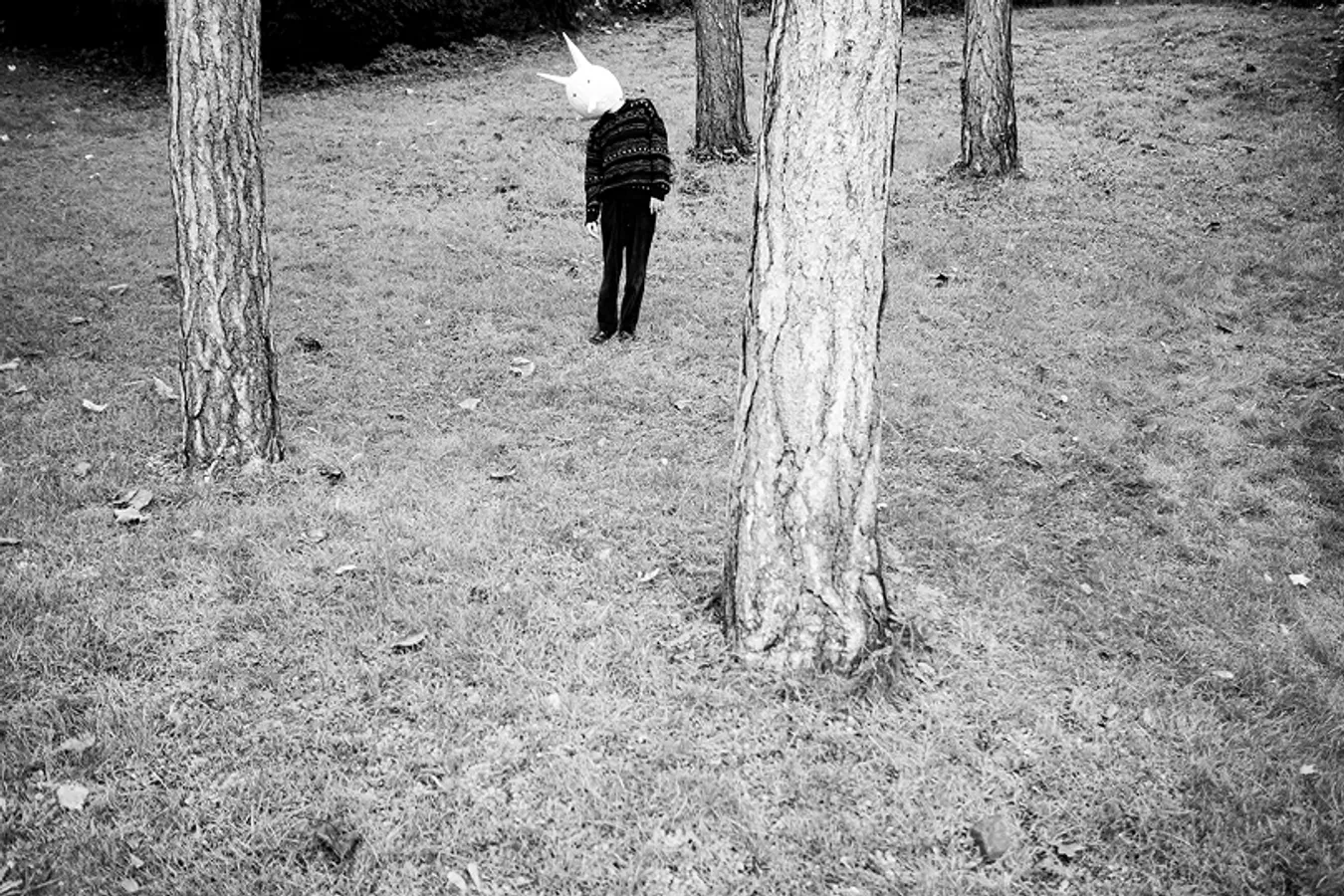
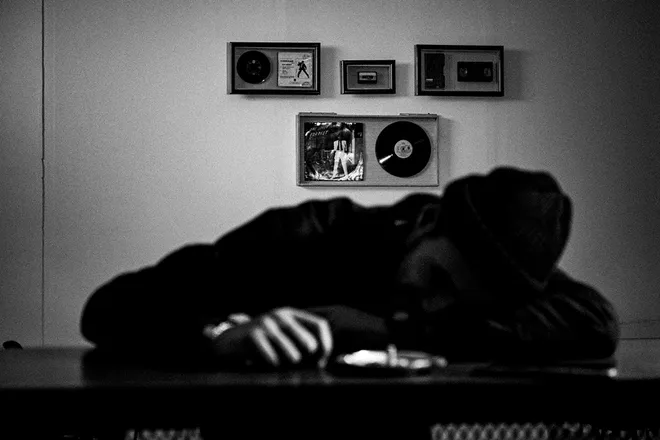
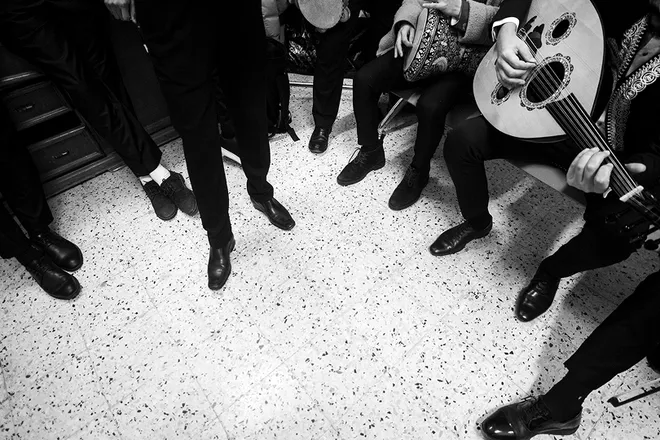
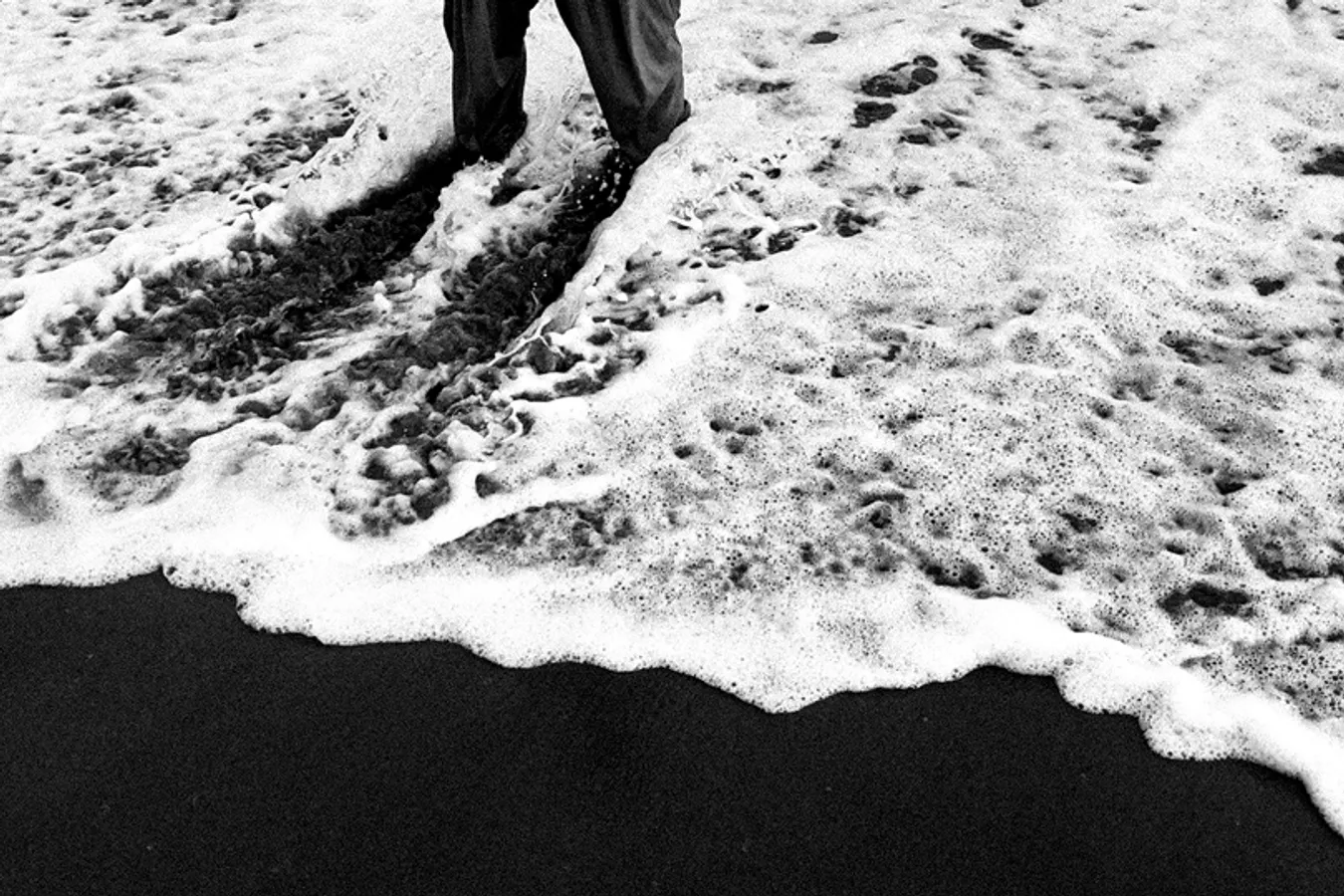
My prominent themes centre on youth in different contexts, hip hop culture, how young people navigate changes within the notion of family, and the struggles with immigration and memory.

What moment in your career are you most proud of?

It was when I exhibited at the International Centre of Photography (ICP), next to two of the most iconic photographers who captured hip-hop culture in the 1980s. I knew of them as a B-boy before I ever started photography, and I knew that they were references in this medium. In 2024, I found my work displayed alongside theirs.

Professionally, I found it very difficult to work alone. I realised that photography is not just an individual pursuit.

What is the biggest challenge you've faced as a photographer?

There have been two major challenges. On an economic level, I am still trying to strike a balance between pursuing my creative projects and earning enough to make a living. Professionally, I found it very difficult to work alone.

I realised that photography is not just an individual pursuit. While taking photographs often happens alone, everything beyond that benefits from a strong network of fellow photographers, editors, curators, and other creatives. Joining a collective made a huge difference and showed me the value of working as part of a community.

What type of photography do you specialise in?

I usually do not categorise myself into a specific style, but I currently practice documentary photography the most.

What is your primary commercial niche?

I resist the confinement of a singular commercial label; instead, my primary interests are editorial, fashion and architectural photography.

What is your unique technical or visual approach?

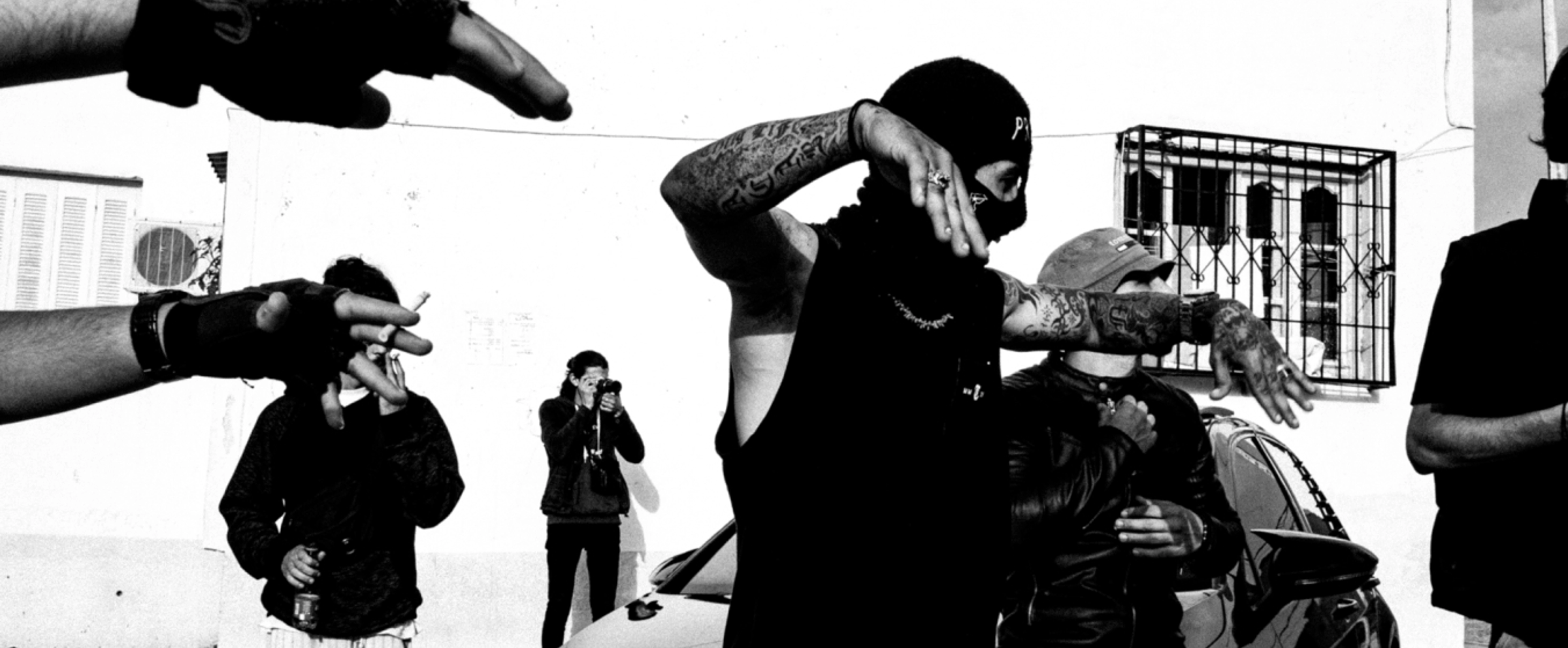
I treat the frame as a high-stakes convergence where information, emotion and rigorous aesthetic balance must coexist simultaneously. It is about capturing a single, unrepeatable micro-moment where the geometry of the street aligns perfectly with a raw human truth, making the transient feel permanent.

Which global brands, photographers, or industries do you feel your work aligns with most?

Boogie and Trent Parke. They are a bit different, but I feel like my work sits right in between these two styles; blending roughness and street life with a dreamy aesthetic. Regarding brands, I personally use Olympus and always prefer small cameras like the Ricoh or point-and-shoot film cameras.

"Human dignity is the baseline of my lens. I refuse to treat the individuals I photograph as mere subjects or aesthetic currency..."

How is the photography and art space in Algeria?

Photography in my country is evolving slowly in terms of industry events, exhibitions and fairs. Much of this progress is thanks to private initiatives and collectives, including our own, Collective 220.

We strive to organise different types of events, such as talks and discussions about photography and visual culture, while creating opportunities for local photographers to receive training, develop their skills and showcase their work.

What is one professional standard you never compromise on?

Human dignity is the baseline of my practice. I refuse to treat the people I photograph as mere subjects or aesthetic currency; they are active collaborators in every image.

For me, consent is not a bureaucratic formality but an ongoing dialogue. That is why I always give people the agency and the time to decide how their image is shared with the world.

What do you think of the 54Ruum platform?

I first discovered the platform when it featured the work of my close friend and contemporary, Rachid Ayadi. For our region, an initiative like this is not just interesting; it is vital.

What stands out most to me is 54Ruum's ability to build a connected ecosystem where African visual storytellers can support one another, create opportunities together, and reclaim ownership of our own narratives.

Credits

Photography

Soufian Chemcham

Text

Kelvin Otum

Curation

guvnor

SHARE THIS STORY

Join Our Community

Company

The Ruum Africa

Products

RTM
Cookie Policy

© 2026 The Ruum Africa

Built by