How's the photography and art scene in your country? How has it evolved in recent years?
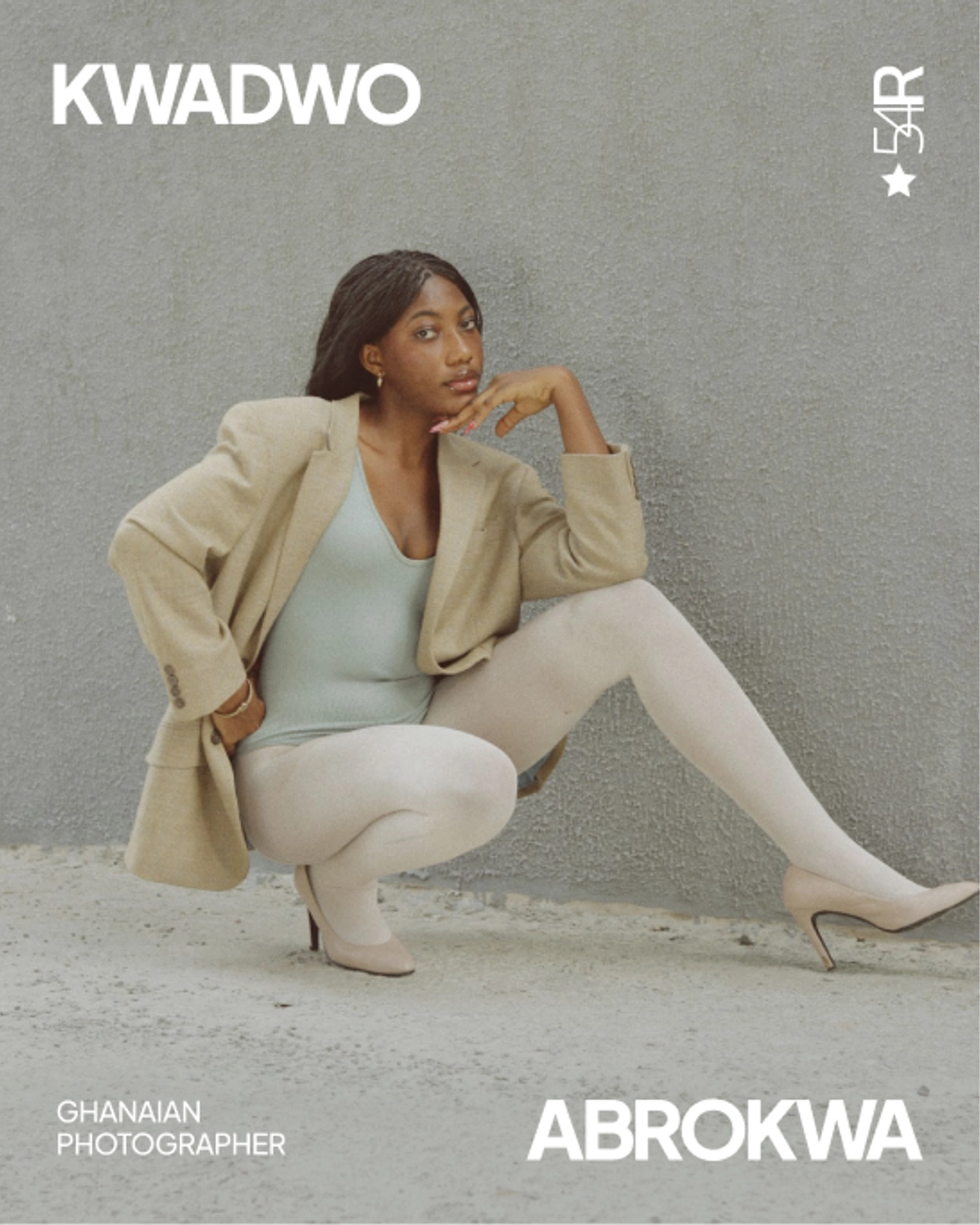
Ghana's creative ecosystem has experienced a surge in energy and innovation over the past few years. Across Accra and even into Tamale, Ghana's photographers and artists are no longer just documenting stories; they're actively shaping the cultural narrative and redefining what it means for the continent to express itself visually.
Take the Dikan Centre in Accra, for example: a photography library, studio, workshop space, and exhibition gallery all rolled into one by Paul Ninson. Since opening in 2022, it has provided aspiring image-makers with their own go-to space for learning, inspiration, and artistic dialogue.
The art scene is also bolstered by trailblazers like Ibrahim Mahama, who launched the Savannah Centre for Contemporary Art, Red Clay, and Nkrumah Voli-Ni in Tamale. These institutions aren't just galleries, they're inclusive spaces for education, community development, and artist residencies operating beyond Accra's limitations.
In Accra, momentum remains strong with key venues like Gallery 1957, Artemartis, Nubuke Foundation, Artists Alliance Gallery, and dot.ateliers, all nurturing local and global visibility for Ghanaian visual storytelling.
Photographers support each other, too. Nuku Studio in Tamale, for instance, offers community-driven exhibitions and festivals, such as the Nuku Photo Festival, an intentional blend of research, advocacy, and art-making.
On the public-facing side, festivals such as Chale Wote in Accra and Tsadidi in Keta have transformed urban spaces into living canvases, pushing art into the streets and letting local voices flourish.
International recognition is another strong signal. Ghanaian artists are being featured in global exhibitions, with photographers and creatives challenging stereotypes and claiming space in luxury fashion photography and fine-art circuits.