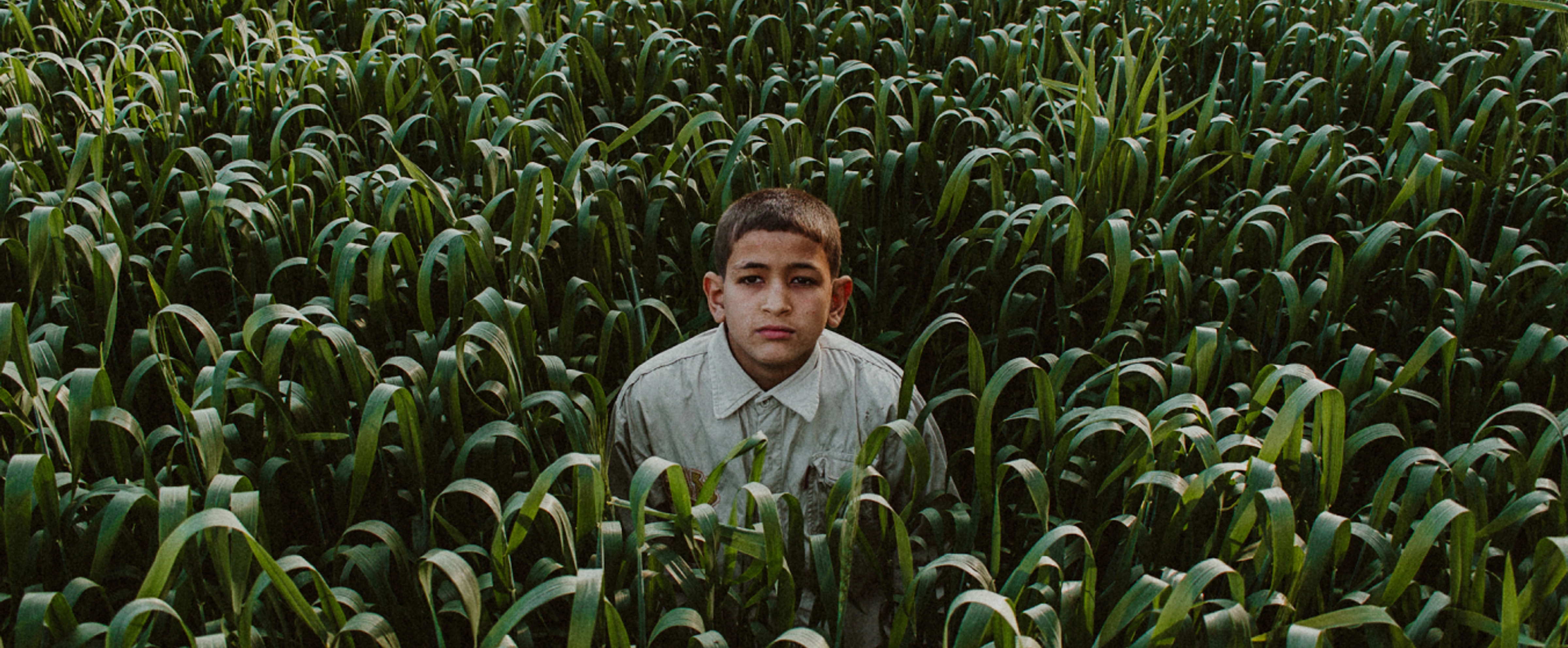
Abdelrahman Karam: Egyptian photographer finding new perspectives in people, place, and architecture

16 mins read
•
Published9 Oct, 2026

“I used to notice good photographs, interesting frames, and colour combinations even before I really understood photography or knew how to create these images myself.”

Abdelrahman Karam is an Egyptian photographer from Cairo whose approach to photography has been shaped by his early fascination with images and his studies in Architecture at the Faculty of Fine Arts.

He became interested in photography while still at school, paying attention to framing, colour, and the way an image could communicate an idea before he fully understood how photographs were made.

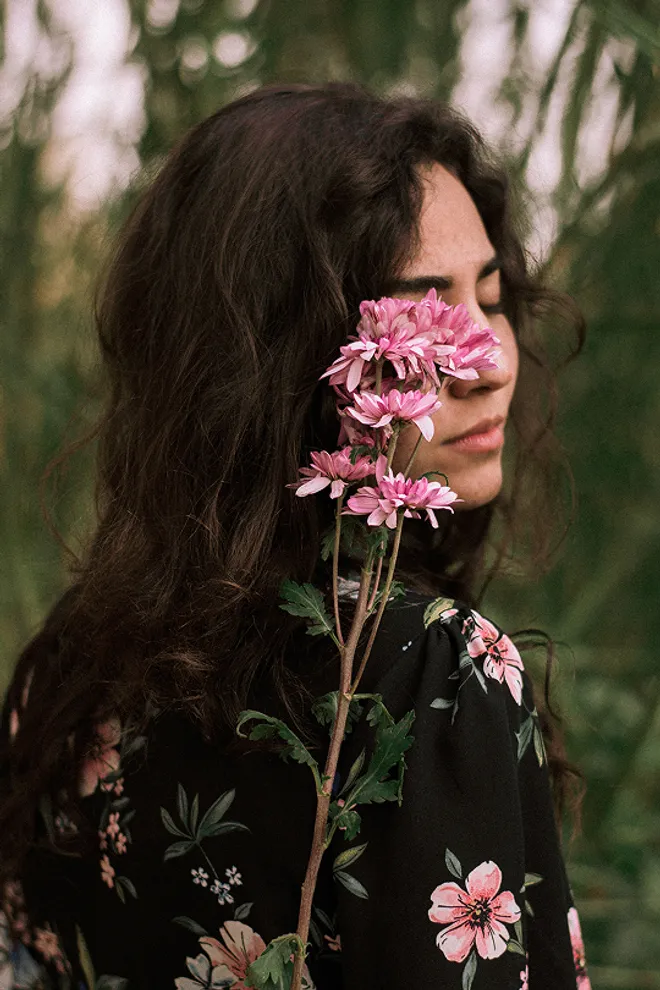
His architectural education later gave those instincts a stronger foundation, sharpening his attention to composition, materials, space, and the relationship between people and their surroundings. He works across portraiture, street, fashion, landscape, and architecture, choosing different approaches according to the idea he wants to communicate.

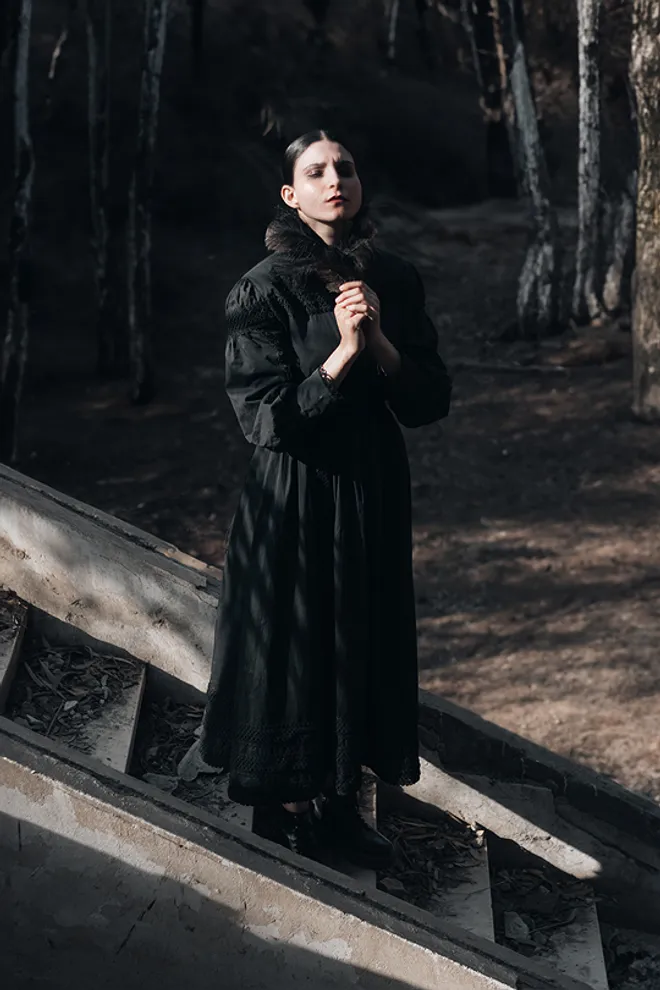
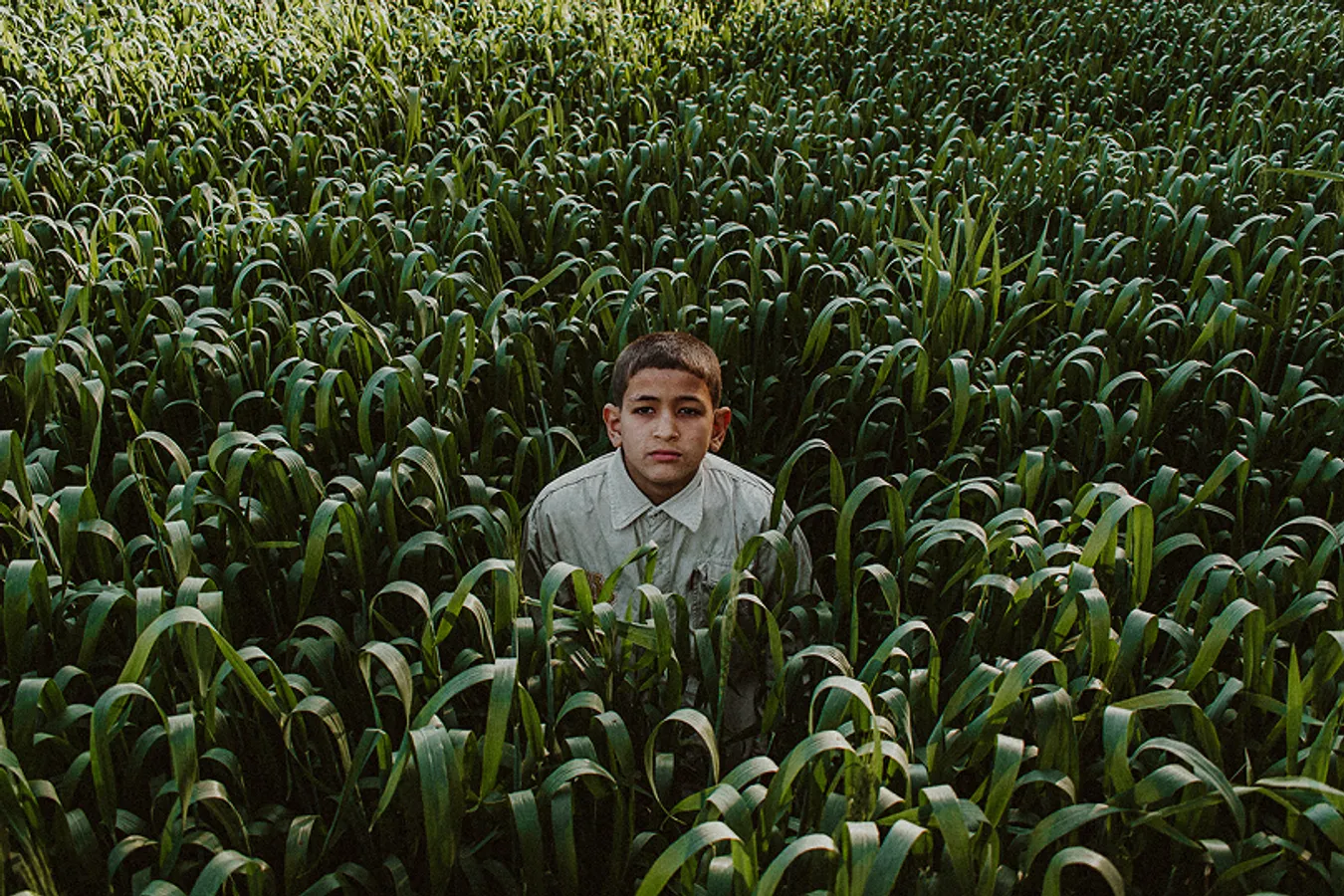
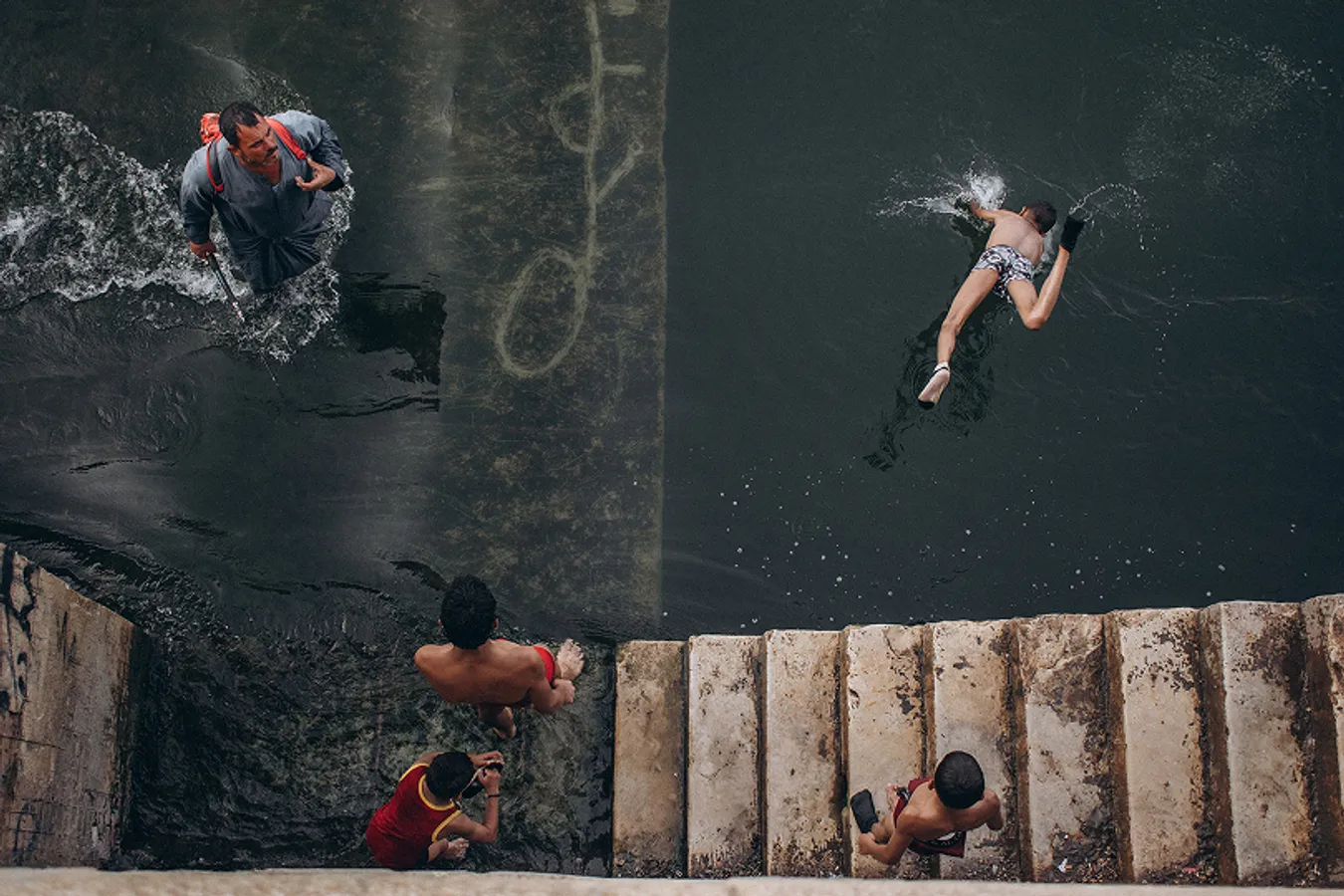
Karam is interested in images that connect people with their environments. He enjoys building photographs and series around a central idea, while leaving room for unexpected details and the viewer's own interpretation.
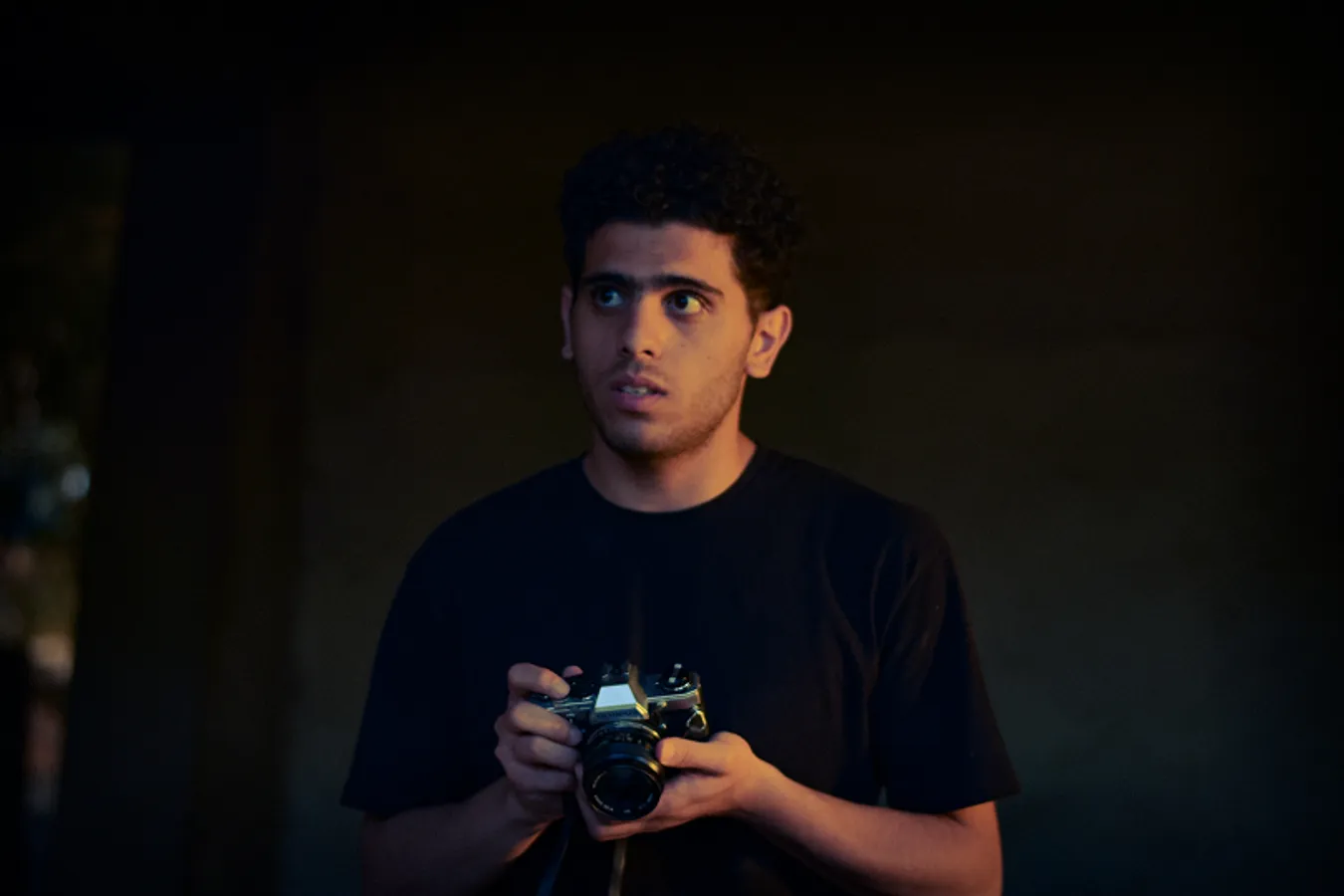
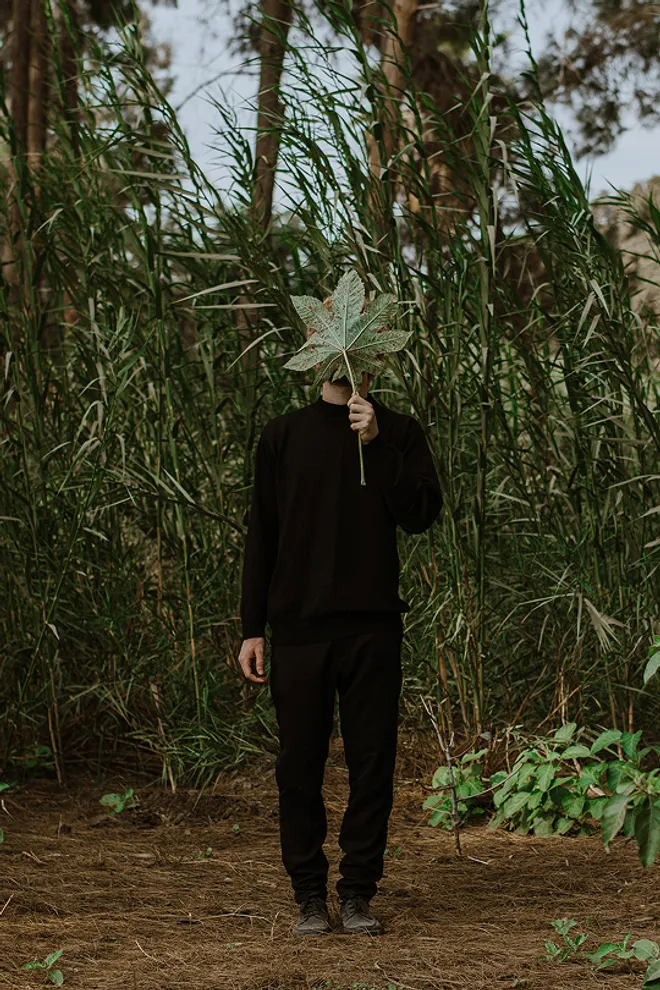
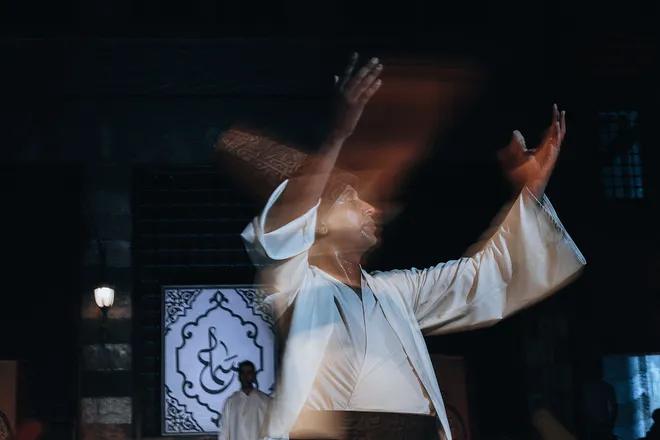
Portrait of Abdelrahman Karam

How did you get started in photography?

I don't remember one specific moment when I started photography. It began gradually when I was still in school. I used to notice good photographs, interesting frames, and colours, and I could feel that some images were different, even though I didn't really understand photography at the time.

I started taking photographs randomly and trying to make the best image I could with whatever I had. Most of the time it was my phone, and sometimes I would borrow my friends' phones or cameras just to experiment.

What attracted me to photography was the idea that one photograph could tell something. A photograph could capture a moment, a feeling, or an idea, and you could come back to it later and still feel something from it.

When I started university, my father gave me my first camera. That was probably the first moment that made photography feel more serious to me. At the same time, studying Architecture at Fine Arts changed the way I looked at images and the world around me. I started understanding more about composition, colours, people, spaces, and the ideas behind an image.

There wasn't one person or one moment that started it. It grew through noticing things, experimenting, and realising that photography could be a way for me to say something in my own way.

“I can get completely distracted by something that catches my eye. It could be a specific colour, a shadow, an interesting building, a person, or even a very small detail that most people would probably walk past.”

How would you describe yourself?

I think I see things from a different perspective. I don't really like putting myself in one category, whether in photography or in general. I like trying different things and finding different ways to express the same idea.

One thing that probably describes me well is that I can spend a lot of time thinking about a small detail that other people might not even notice. I love details and colours, and I usually think a lot before taking a photograph. I like planning the shot, while leaving some space for good randomness because sometimes the unexpected part is what makes an image feel natural.

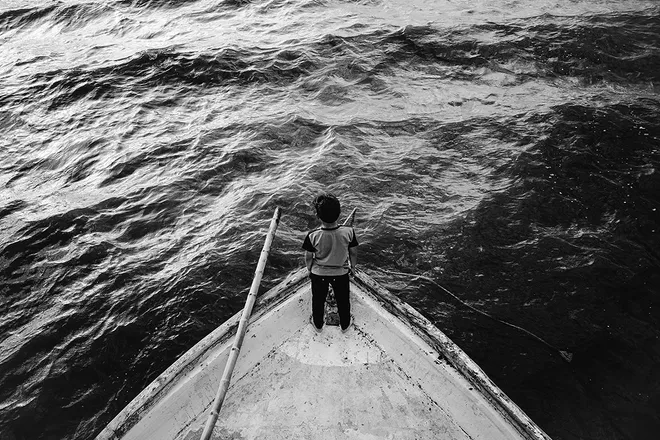
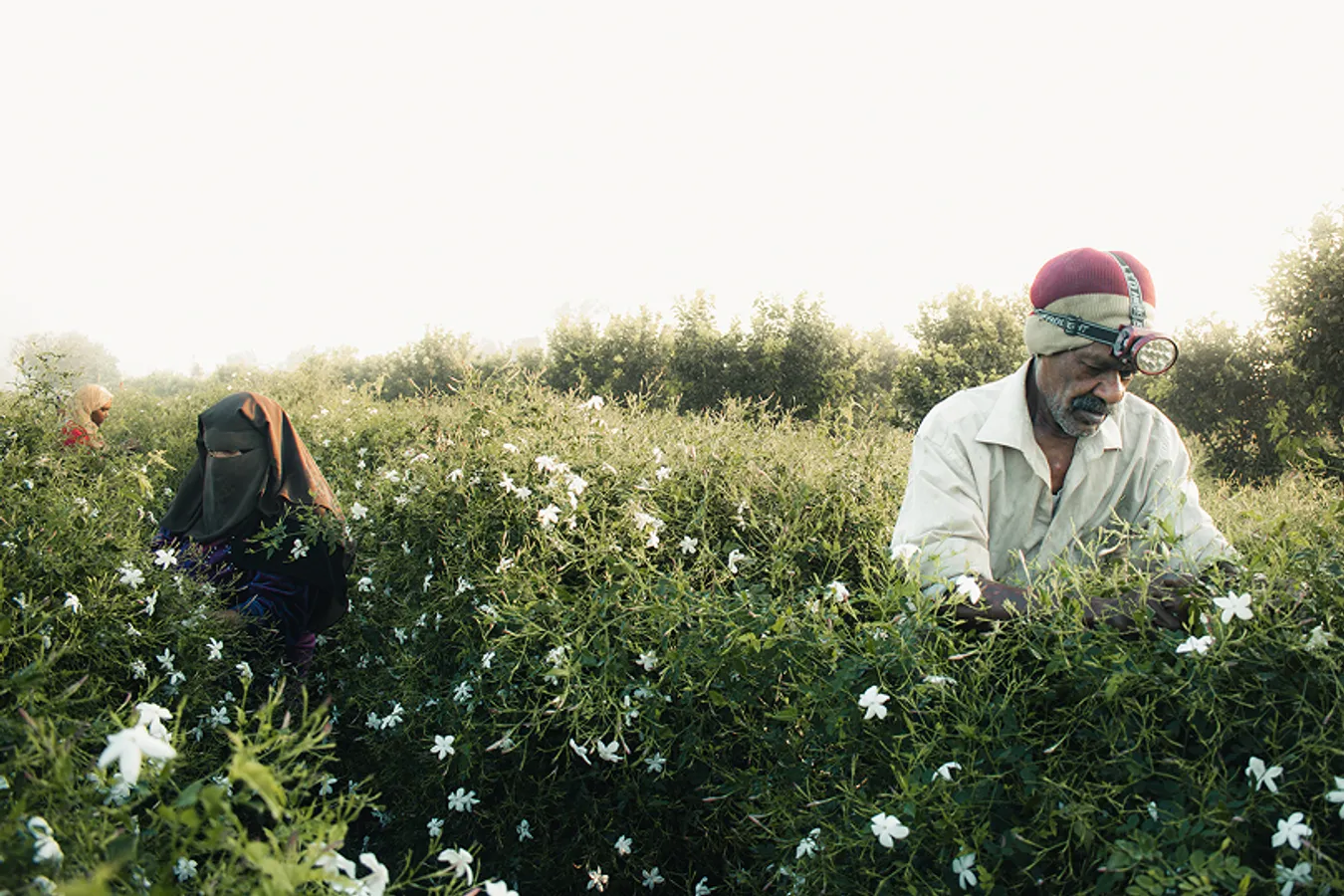
I also really like connecting things that might not seem connected at first. I enjoy combining people with architecture, landscapes, or nature. I am interested in the relationship between people and their surroundings and the stories that can emerge from that relationship.

I have also had the chance to try different cameras from different brands. Sony and Nikon invited me to join groups of photographers testing some of their new cameras, which gave me experience with different camera systems. I would not say I am an expert in every camera, but I enjoy learning how different systems work.

A fun fact about me is that I can get completely distracted by something that catches my eye. Sometimes I don't even have my camera with me, but I still notice a colour, a shadow, an interesting building, a person, or a small detail and immediately start thinking about how I would photograph it.

I also don't always know what I want to say before I start photographing. Sometimes I begin with something that catches my attention, and the idea becomes clearer while I am working on it. Sometimes you start looking for a photograph and end up discovering something about yourself.

"I’m interested in how a person can change the way a place feels, and how a place can also change the way a person feels.”

What are the main themes that inspire your photography?

The connection between people and the world around them. I am interested in how a person can change the way a place feels, and how a place can also change the way a person feels.

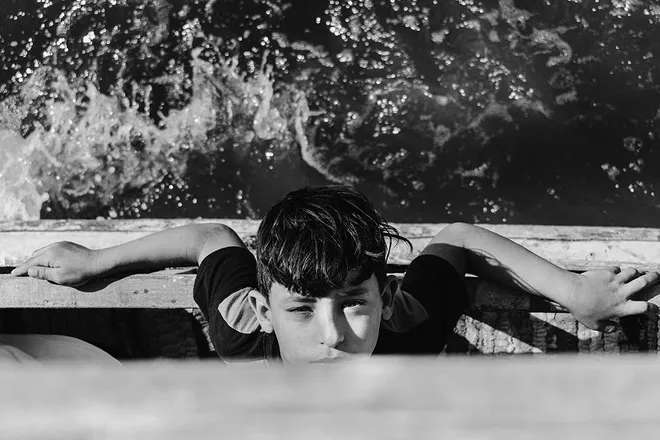
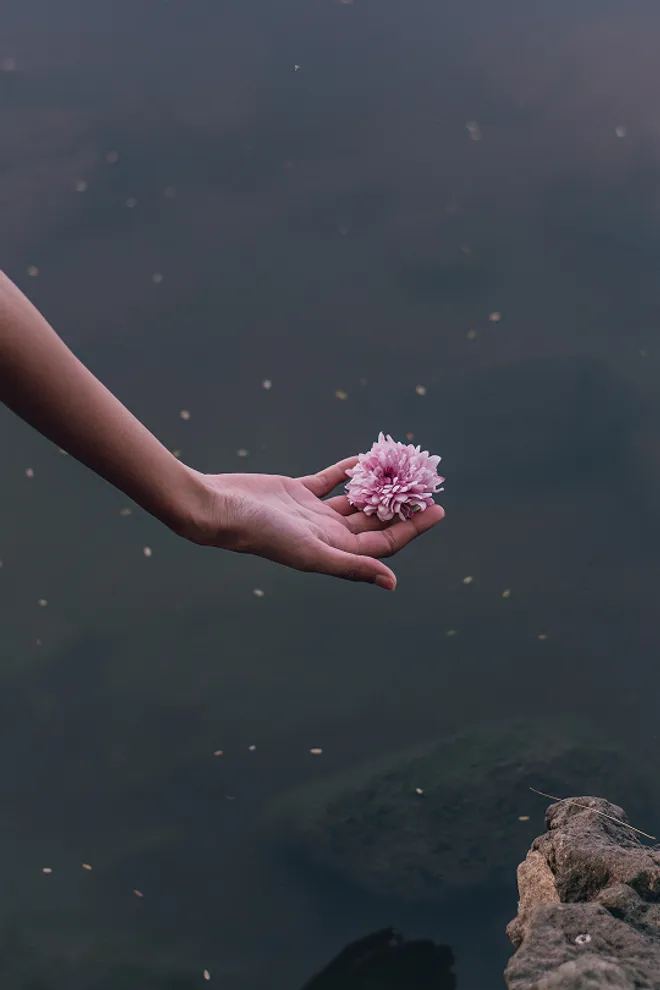
I am drawn to things that have a certain feeling or meaning, even when they are simple or easy to miss. It can be a relationship between a person and a place, a moment, a gesture, a colour, or a detail that says something without needing to be explained.

I like my images to leave some space for the viewer. I do not always want to explain everything directly. If someone looks at an image and feels something, remembers something, or creates their own interpretation, I feel that the image has made a connection.

I want the photograph to give the viewer a reason to stop and look at it for a little longer.

"I had the chance to collaborate with OPPO as part of promoting their global photography competition in Egypt. I used one of their phones to create a photography project..."

What moment in your career are you most proud of?

Being invited by 'realme' to create photographs using one of their new phones. It was meaningful because I had always believed that the camera itself does not determine the photograph. I was used to working with my own camera, so creating with a phone gave me a different challenge. It brought me back to the way I started, when I used whatever I had available.

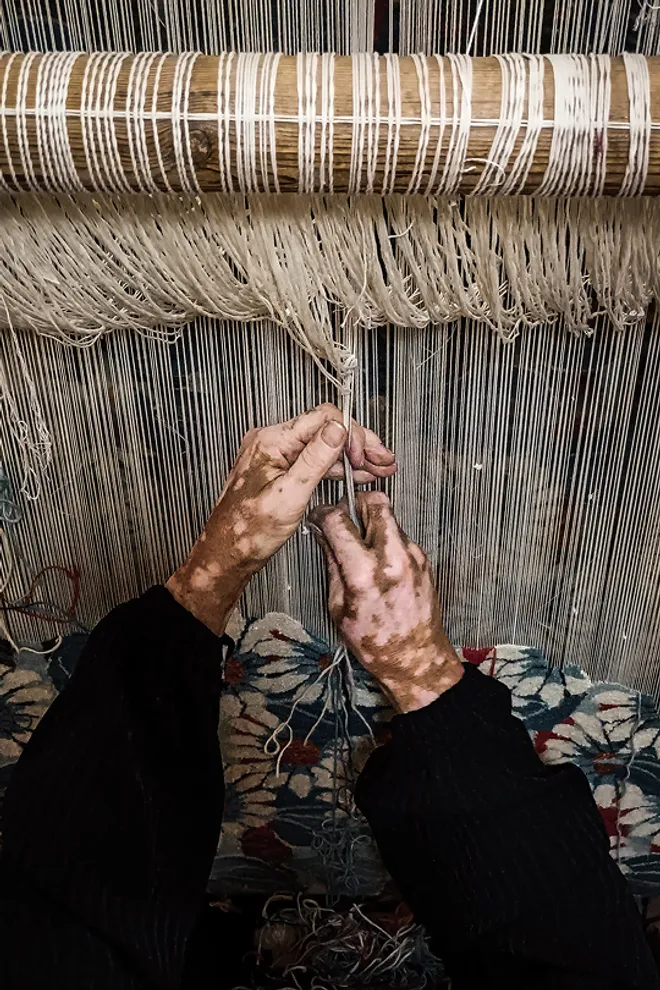
I also had the chance to collaborate with OPPO as part of promoting their global photography competition in Egypt. I received one of their phones and used it to create a photography project about Egyptian culture. I enjoyed being able to take an existing interest and develop it into a project.

Another experience I really enjoyed was being invited by Phlog to join one of their photo walks, where I got the chance to try some of Sony's cameras. I was part of a group of photographers testing the cameras while shooting together, which gave me the chance to experiment with a different system in a real shooting environment.

I have also had opportunities to test cameras from different brands, including Sony and Nikon, through photography groups and brand experiences.

What makes these experiences meaningful to me is the opportunity to experiment with something different and see how I can create with it. They have made me more confident in the idea that the tool can change while the way I see and approach photography remains my own.

What is the biggest challenge you've faced as a photographer?

Finding a way to make photography a career while continuing to create the kind of work I want to make.

In Egypt, a lot of photography work is commercial, and I understand why. If you want to work continuously, you usually have to take commercial opportunities and build your name through them. Commercial work can sometimes make it difficult to express your own ideas, especially when the work is completely based on what a client wants.

For a while, I felt that I had to choose between making photography something I could depend on financially and keeping it as a personal space where I could express myself freely.

I have learned that I can give both sides room to develop. I can keep photography as a personal space where I experiment and develop my own voice, while learning from commercial opportunities when they come.

I am still trying to find the right balance, but understanding what I want from photography has made it easier to decide which opportunities fit me and what kind of work I want to keep creating.

"My style is still evolving because I am still experimenting. I want to keep different tools and approaches available and choose what works for each project."

What type of photography do you specialise in?

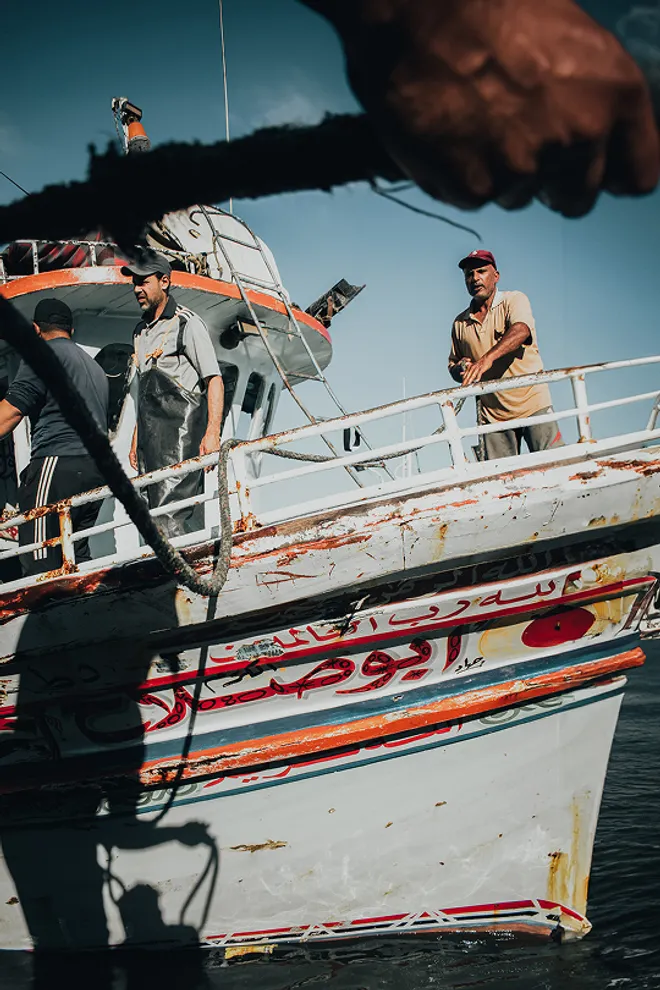
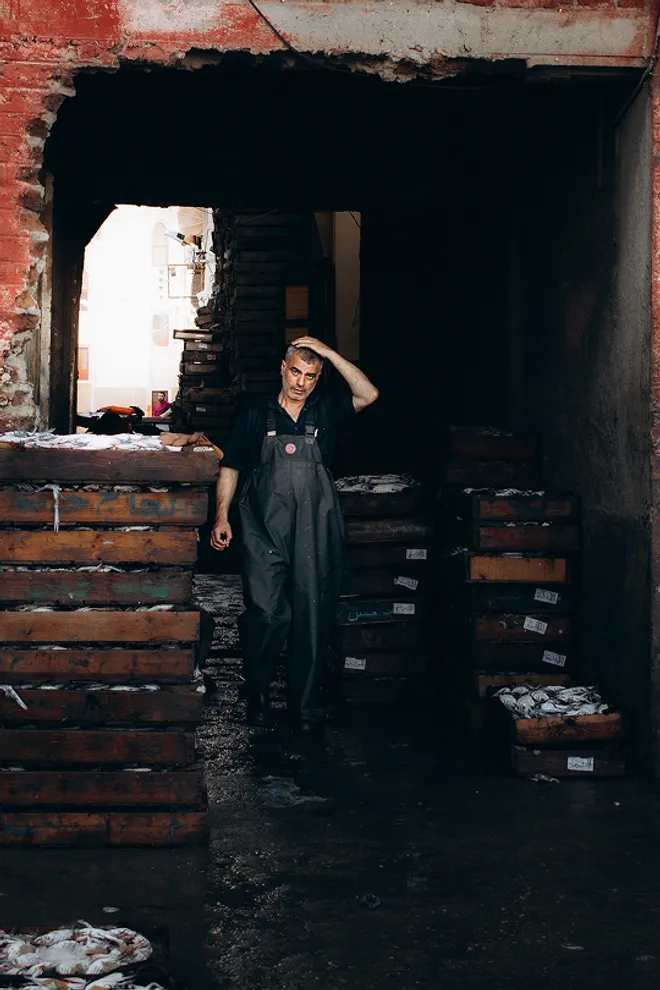
I don't specialise in one specific type of photography. I work with portraiture, street photography, fashion, landscape, architecture, and other forms depending on what I am trying to communicate.

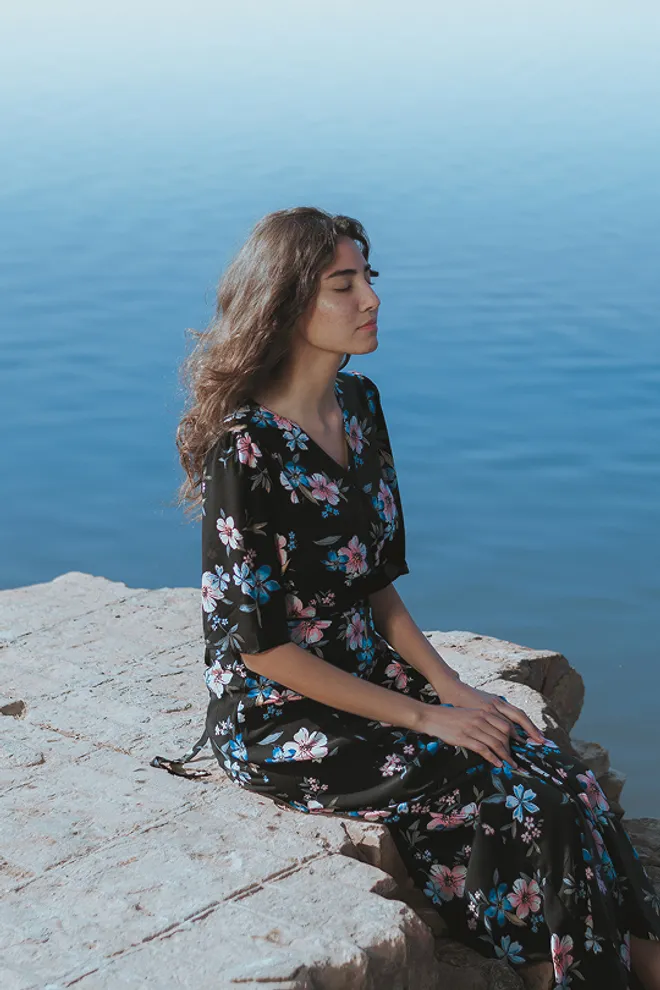
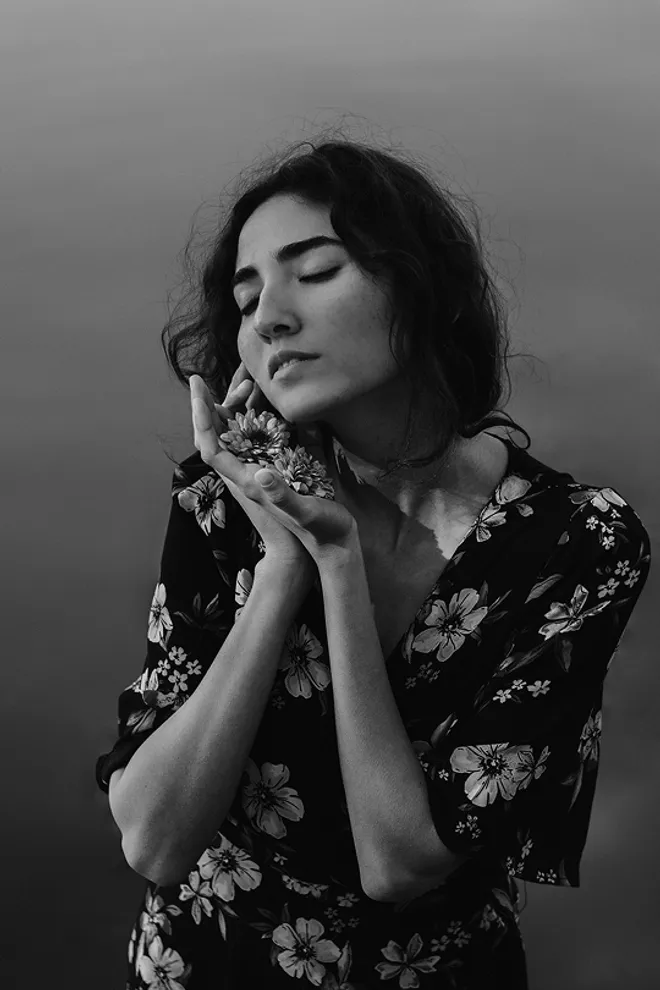
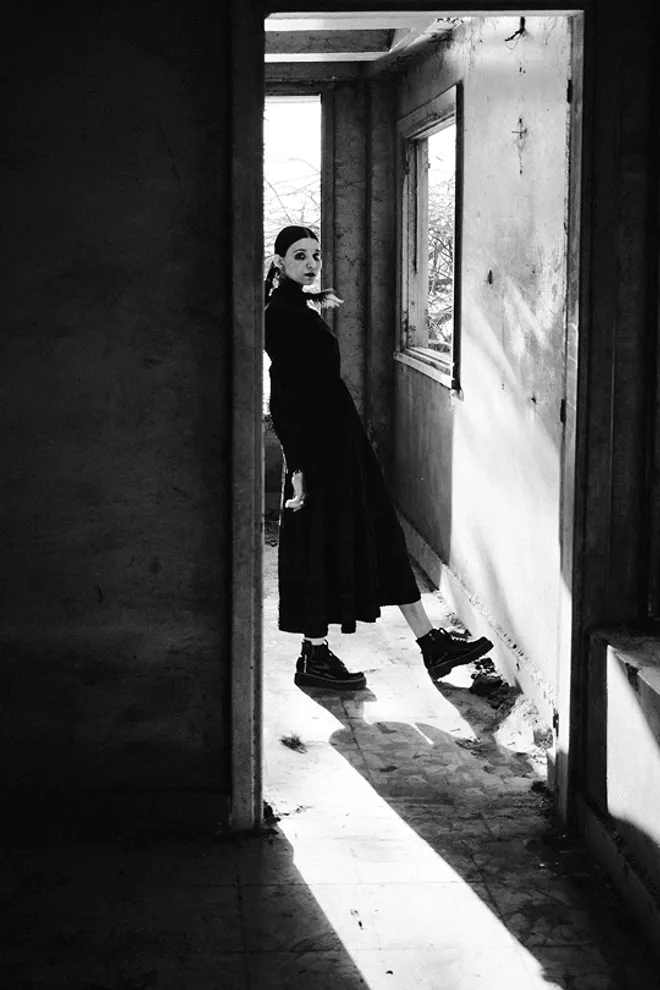
Portraits are one of my favourite tools because they can carry emotion and help me build a concept, while places, architecture, and landscapes can give a project another layer.

Over time, my photography has become more focused on the reason behind an image and how individual photographs can work together. I became more interested in creating connected images and projects where the photographs communicate one idea.

My style is still evolving because I am still experimenting. I want to keep different tools and approaches available and choose what works for each project.

What is your primary commercial niche?

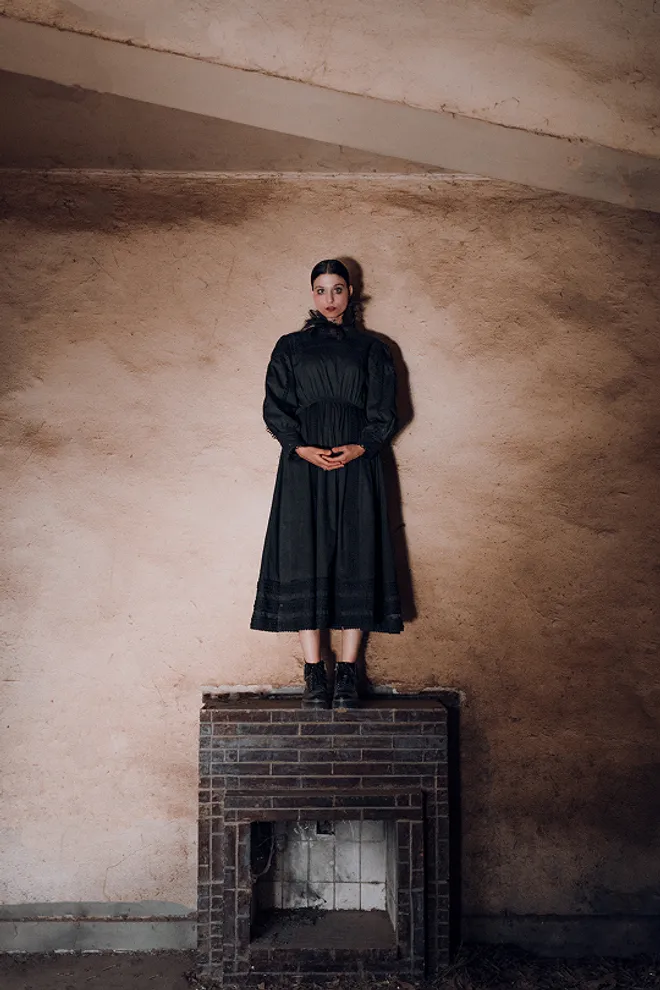
Fashion and portrait photography, particularly when the images form part of a larger concept.

I am also interested in ongoing documentation that follows a specific subject, person, place, or idea over time and builds a story through a series of images. I like projects with a clear concept that still feel natural and connected to the people and environment being photographed.

"I usually plan my photographs before shooting, while leaving room for unexpected moments because good randomness can make an image feel natural."

What is your unique technical or visual approach?

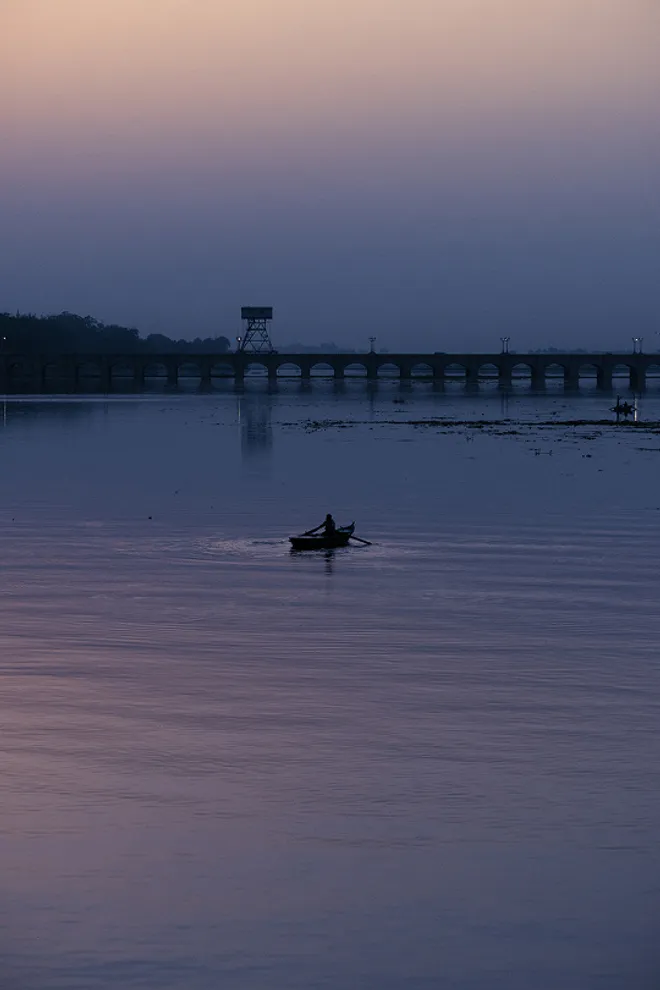
My approach comes from the way I look at the relationship between people and their environment. I like using the environment as part of the story, giving architecture, landscape, and surrounding details a role within the photograph.

I pay close attention to details, colours, composition, and the small things that can change the feeling of an image. I usually plan my photographs before shooting, while leaving room for unexpected moments because good randomness can make an image feel natural.

I have experimented with different cameras and systems, including Sony, Nikon, and different phones, and I am comfortable adapting to the tool depending on the project.

The most important part is finding the right way to communicate the idea and making the final image feel honest to what I wanted to say.

Which global brands, photographers, or industries do you feel your work aligns with most?

I feel my work sits across documentary, fashion, architecture, and contemporary culture. I am drawn to images that feel observed and honest, with a strong sense of composition, atmosphere, and visual identity.

I am inspired by platforms and communities such as World Press Photo, Magnum Foundation, NOWNESS, Magnum Photos, and Vogue, and by photographers including Rebecca Norris Webb, Tyler Mitchell, Nadine Ijewere, Campbell Addy, and Myriam Boulos.

What I connect with in their work is the attention they give to people, places, atmosphere, and visual detail. I am particularly interested in work where fashion, architecture, culture, and everyday life can exist within the same frame.

How is the photography and art scene in Egypt?

In Egypt, I feel that the photography scene is still mostly commercial. There are many photographers and a lot of creative work, and photographers who want to work consistently often begin with commercial photography and build their names through it.

At the same time, I have noticed more platforms, institutions, and photography communities creating space for artistic photography and giving photographers opportunities to show their work and connect.

This has helped the scene grow and encouraged more people to take photography seriously as an art form. There is still a gap between developing photography as a personal artistic practice and sustaining it professionally. A lot of artistic photography is still treated as a hobby, and there is room for the sector to develop further.

What is one professional standard you never compromise on?

I never want to communicate something untrue to what I actually see. The idea behind the photograph is important, and I do not want to fabricate it simply to make the image look better.

I also believe in respecting the people, cultures, and environments I photograph. I want to represent what I see artistically while preserving its meaning and treating people and places with respect. The photograph should feel honest to the moment, the subject, and the idea behind it.

What do you think of the 54Ruum platform?

I like that 54Ruum gives African photographers and image-makers space to share their work and the thinking behind it.

I also appreciate the attention given to the person behind the photographs, including their background, their way of thinking, and how their practice developed. Bringing photographers from different places together creates opportunities to encounter different perspectives and ways of seeing.

That is one of the things I find most interesting about photography: seeing how differently people can look at the world.

Credits

Text

Lillian Wangari

Photography

Abdelrahman Karam

Curation

guvnor

SHARE THIS STORY

Join Our Community

More Stories

Mohamed Darweesh: Egyptian documentary photographer telling everyday stories through observation and human connection
Gihad Abdelsamie: Egyptian documentary photographer preserving everyday life, heritage, and human stories
Hashim Nasr: Sudanese visual artist exploring displacement, memory, and identity through surreal photography
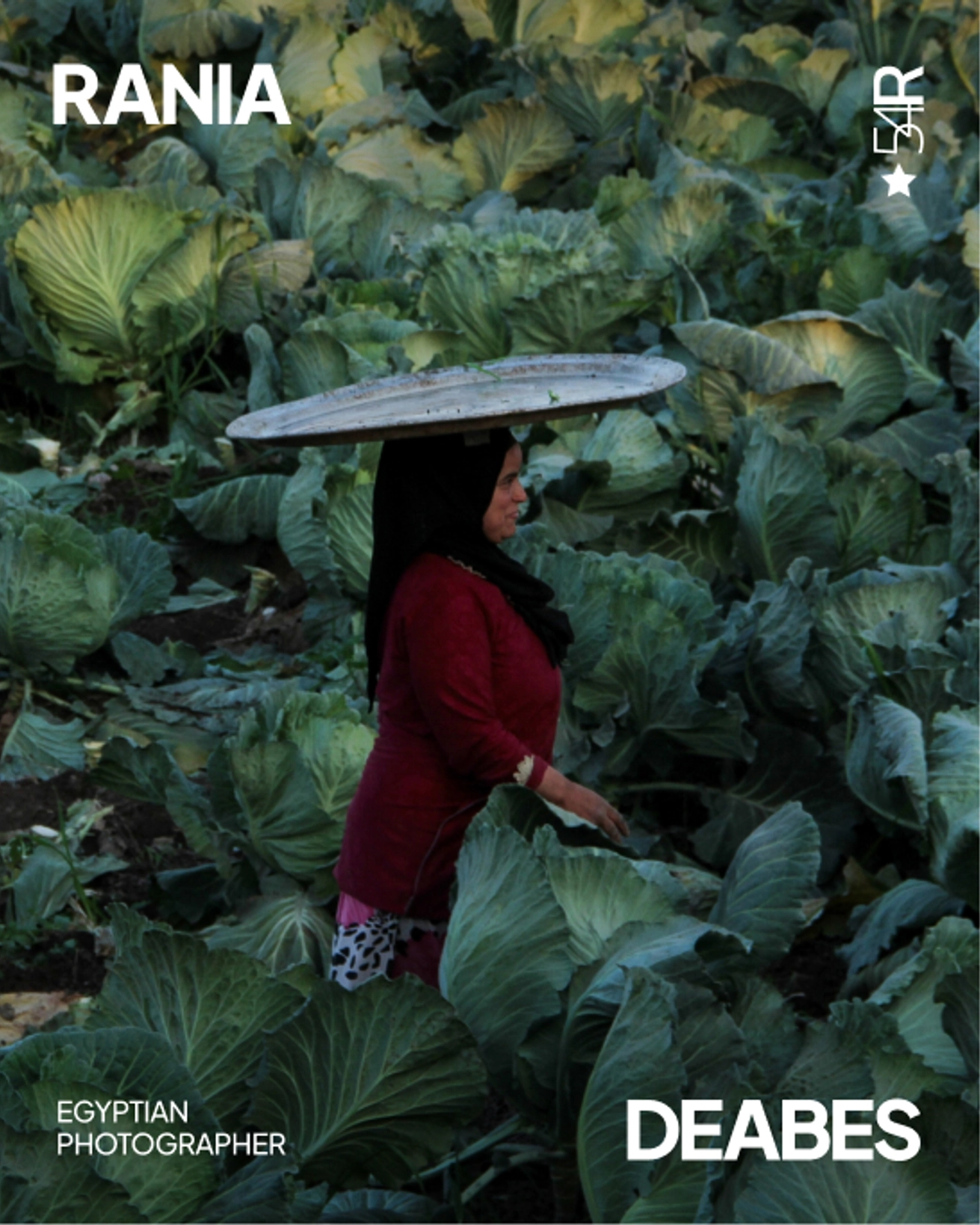
Rania Deabes: Egyptian street and documentary photographer finding human stories in colour, light, and unexpected moments
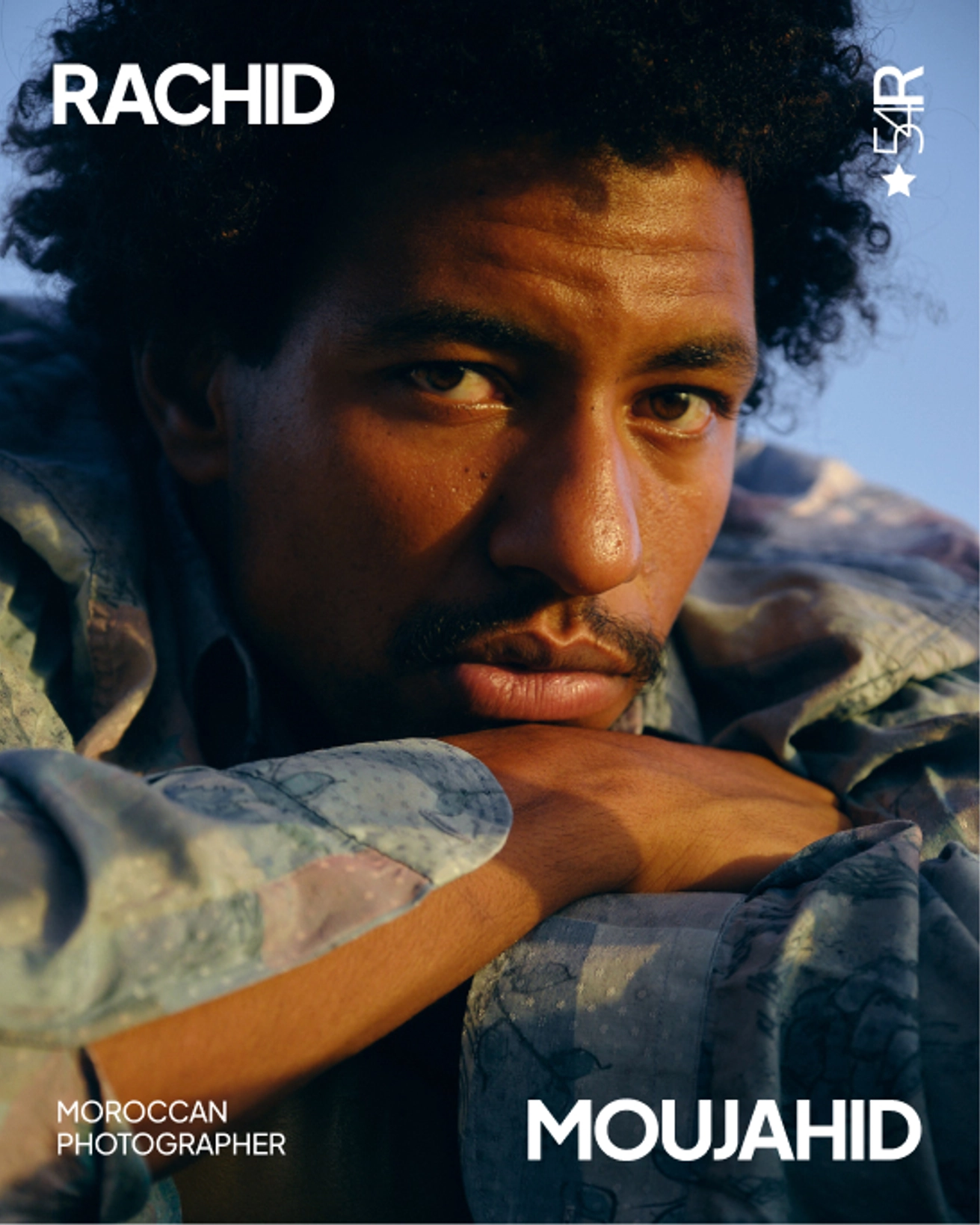
Rachid Moujahid: Moroccan lifestyle photographer capturing the quiet beauty of coastal life in Tamraght
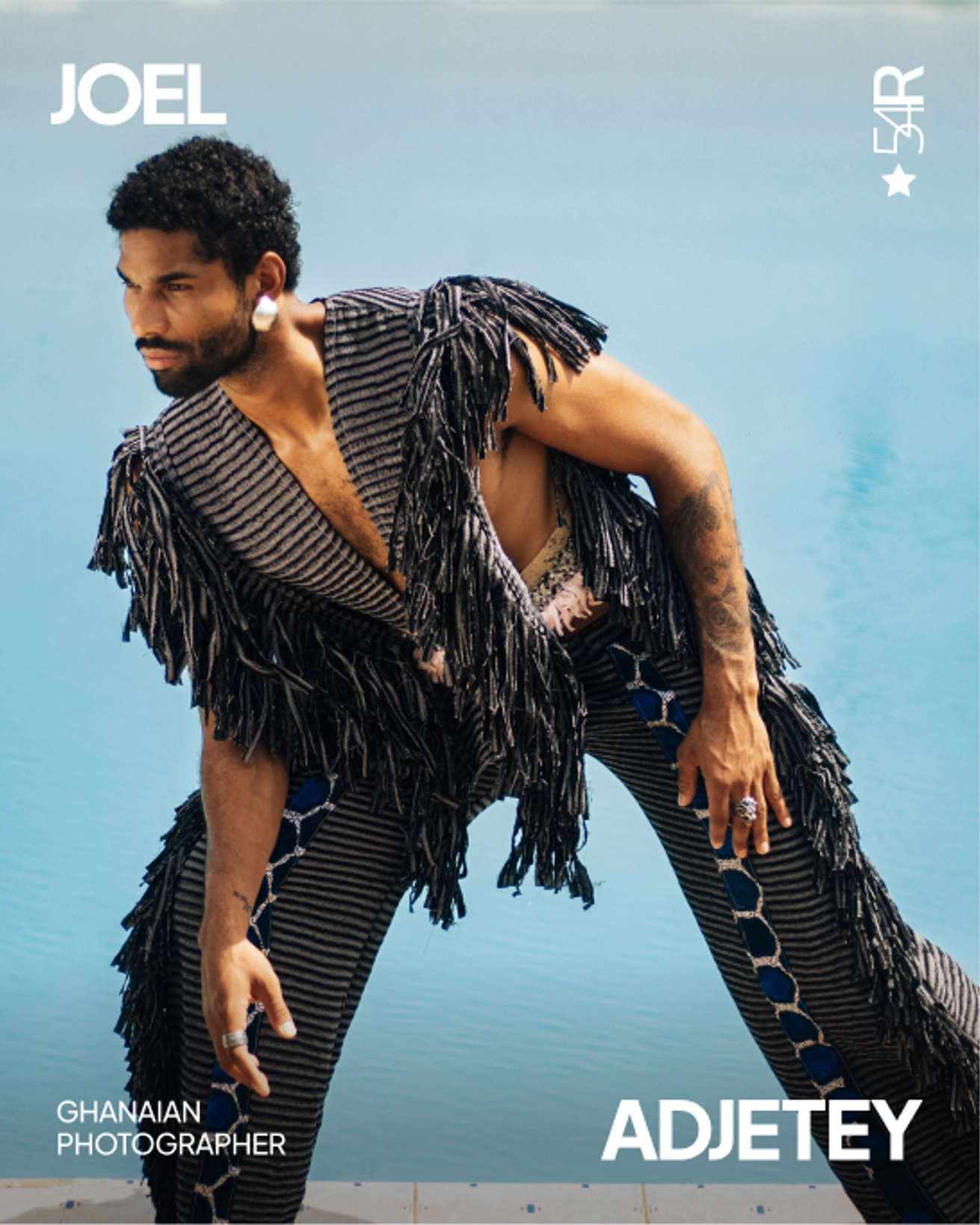
Joel Adjetey: Ghanaian photographer building a visual language around fashion, identity, and African excellence
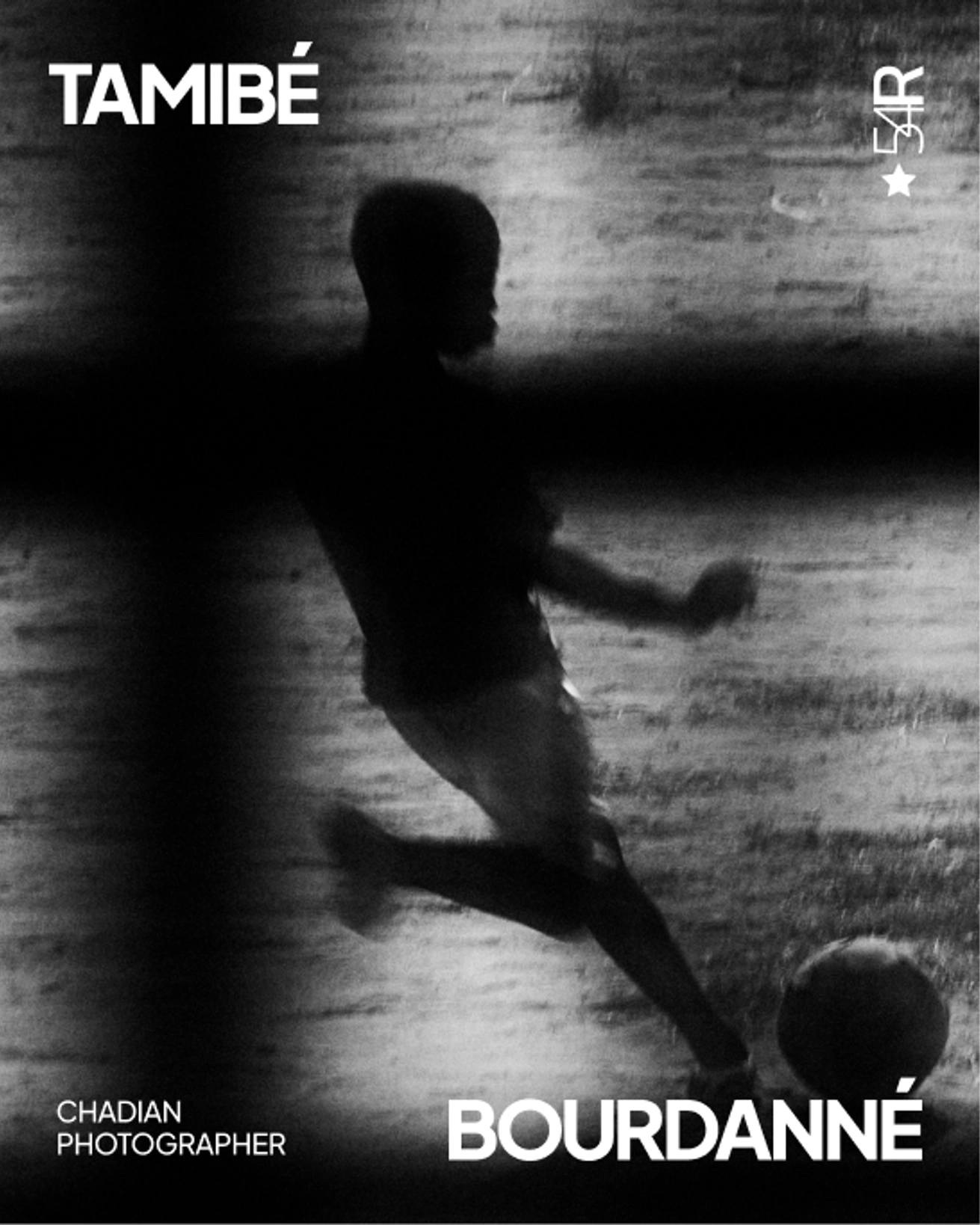
Tamibé Bourdanné: Chadian photographer exploring human connection through documentary, fashion, and his perspective on Africa
Jorge Dachala: Angolan photographer documenting culture, quiet moments, and the people around him
Amarachi Nnoli: Nigerian photographer documenting women’s lives, Igbo culture, and family archives through photography and mixed media
Alsyed Elsaadani: Egyptian documentary photographer exploring human stories through everyday life
Samuel Adeleke: Nigerian photographer documenting culture, identity, and quiet human moments in Northern Nigeria
Inga Nontshibongo: South African lifestyle photographer documenting urban culture through cinematic storytelling
Daniel Cole: Nigerian portrait and conceptual photographer using colour and poetry to tell stories
Omariba Angwenyi: Kenyan street and nature photographer finding meaning in overlooked moments
Malak Zerour: Algerian photographer developing her visual voice through light, colour, and everyday moments

Explore more content

Company

The Ruum Africa

Products

RTM

© 2026 The Ruum Africa

Built by