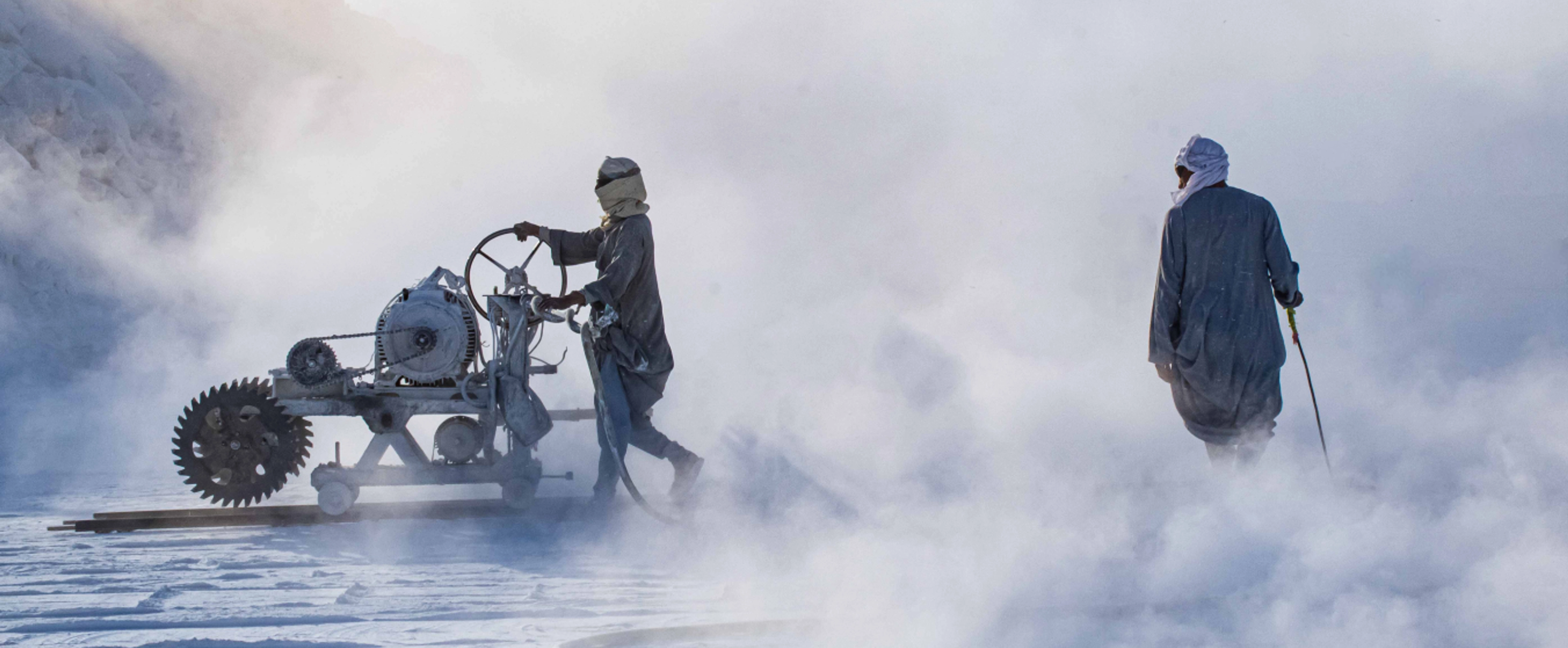
Gihad Abdelsamie: Egyptian documentary photographer preserving everyday life, heritage, and human stories

13 mins read
•
Published7 Oct, 2026

“I want to create a visual record of the things that exist today, so that people in the future can return to these photographs and understand the places, people, and ways of life that existed before them”

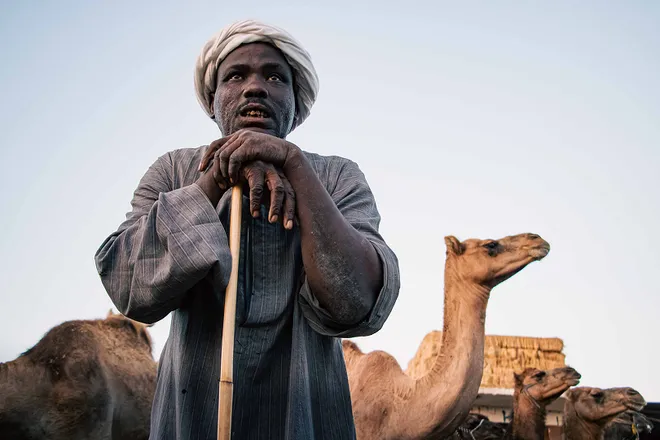
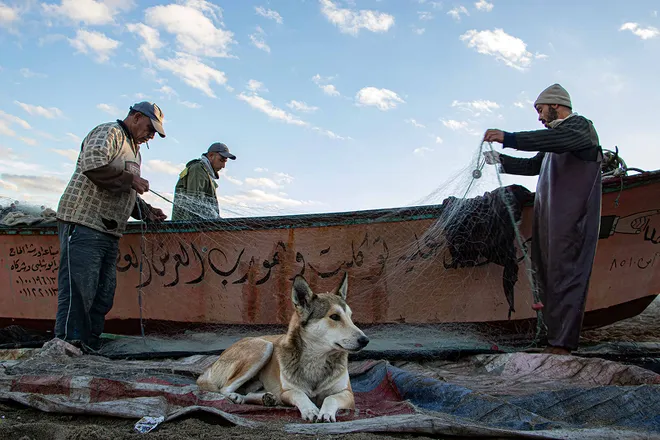
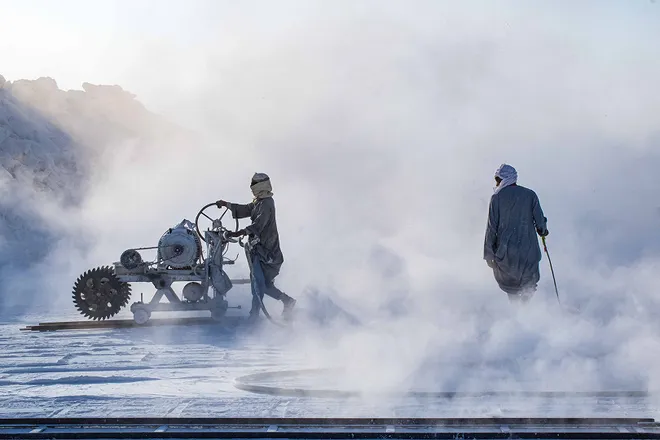
Gihad Abdelsamie is an Egyptian documentary photographer based in Cairo whose work focuses on everyday life, traditional crafts, local heritage, and the people behind the places she photographs.

She began photographing in late 2023, starting with street photography before becoming increasingly interested in traditional crafts and the people whose work and knowledge are often overlooked.

Her practice has since developed through close observation, careful framing, and an interest in places and ways of life that are changing or disappearing.

Through her photography, Abdelsamie creates a record of everyday details, human stories, and cultural practices that future generations can return to.
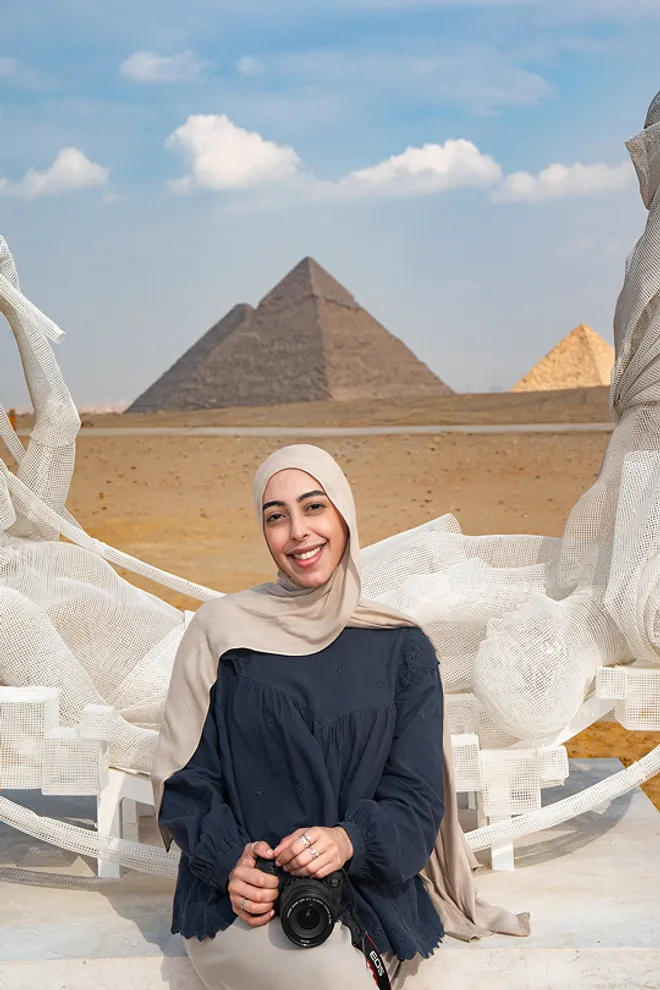
Portrait of Gihad Abdelsamie

How did you get started in photography?

I started photography in late 2023, mainly with street photography. I was curious about the world around me and wanted to understand how photography could help me document what I was seeing.

One of the experiences that changed the direction of my photography was visiting a village known for pottery in Monufia Governorate. I was fascinated by the skill and beauty of what they were creating, and I became interested in the people behind the craft, their process, and the effort involved in making these objects.

That experience made me realise how many stories can exist within something that might seem ordinary at first. I started paying closer attention to crafts, people, architecture, animals, birds, and the small details of everyday life.

From there, I began developing projects around specific subjects and spending more time understanding what I was photographing. Photography gradually became a way for me to observe my surroundings more carefully and preserve things that might otherwise disappear.

How would you describe yourself?

I am an organised person who pays a lot of attention to details, balance, and the relationships between different elements within a frame.

I am also quite observant. I tend to notice things before I speak about them, and photography has helped me become more comfortable interacting with people and listening to their stories.

I am interested in how different elements come together in a scene. I can spend a long time watching a place and waiting for the right combination of people, light, movement, and space. That patience has become an important part of how I photograph.

"When I photograph a craftsperson, for example, I am interested in the person, their environment, the process they follow, and the history connected to what they are making"

What are the main themes that inspire your photography?

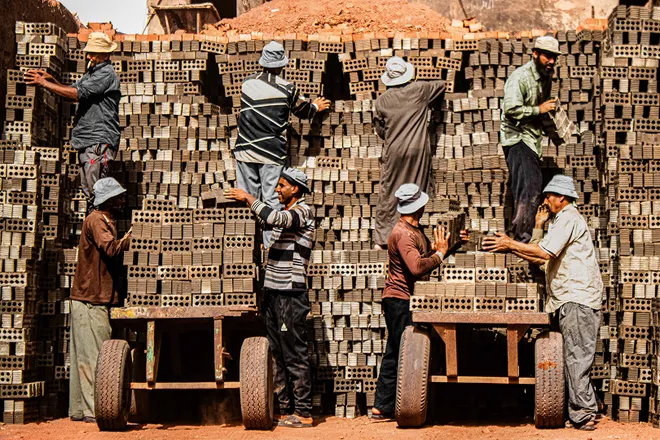
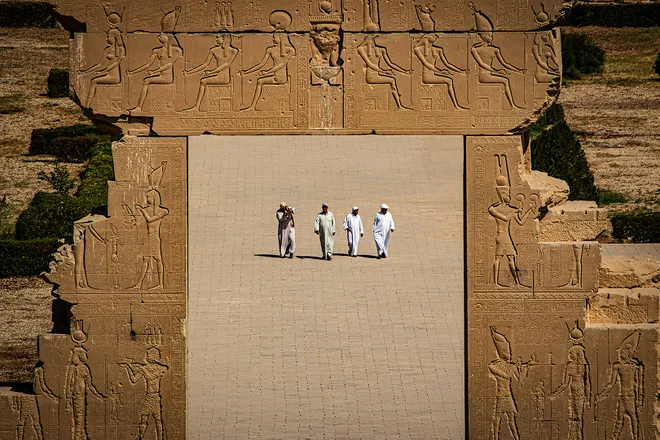
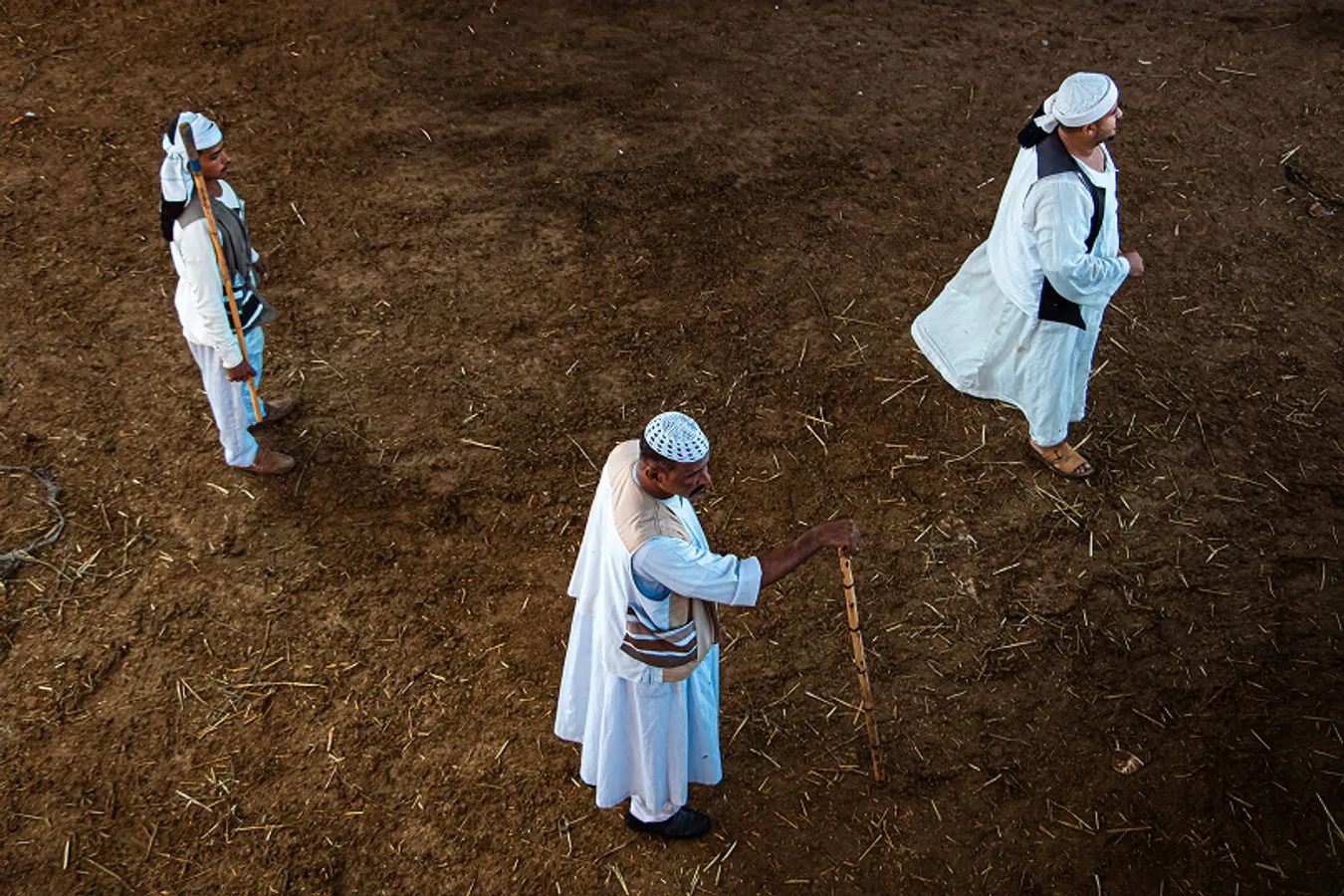
I am interested in everyday life, traditional crafts, local heritage, and human stories. I am particularly drawn to places and ways of life that are changing or disappearing.

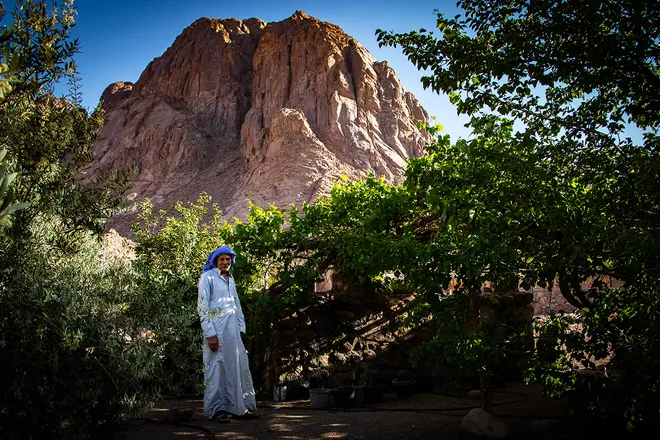
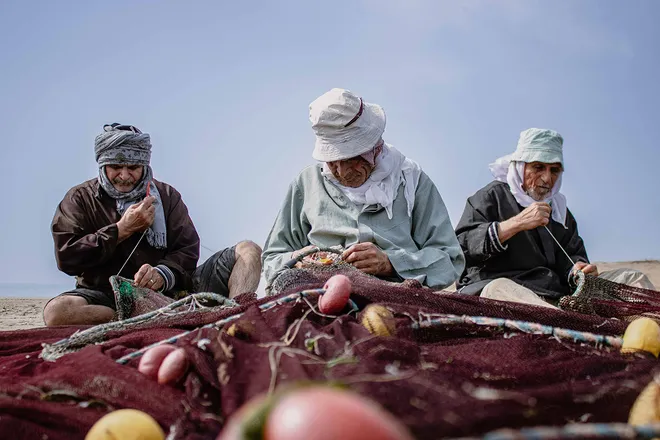
When I photograph a craftsperson, for example, I am interested in the person, their environment, the process they follow, and the history connected to what they are making. I want to understand the subject before deciding how to photograph it.

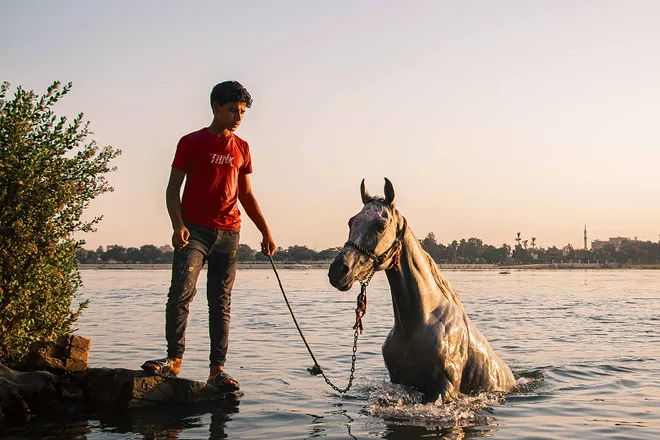
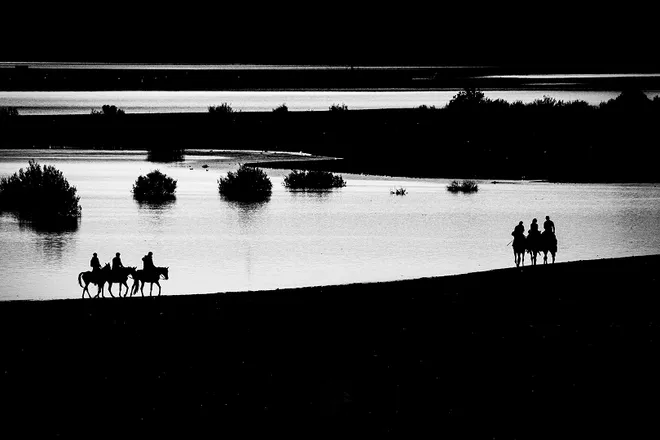
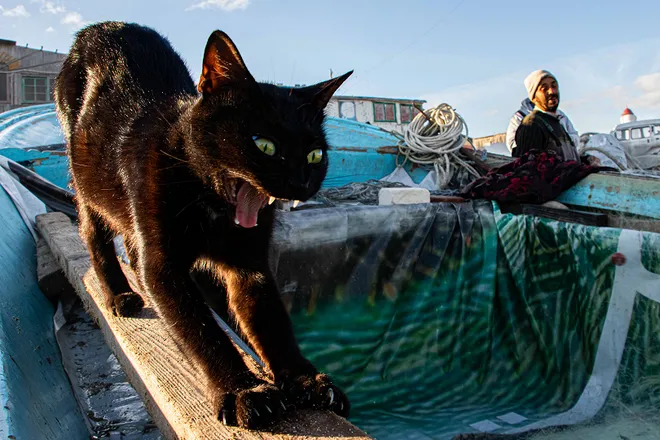
I also photograph streets, architecture, animals, birds, and ordinary details that can easily be overlooked. These subjects allow me to create a record of what exists around me at a particular moment.

Preserving these details matters to me because places and ways of life change. I want my photographs to leave something behind that people can return to in the future and use to understand what existed before them.

What moment in your career are you most proud of?

Realising how much my way of seeing had changed since I started photography.

It was not connected to a particular exhibition or award. I remember returning to places I had photographed before and seeing them differently. The same street could suddenly reveal details, relationships, or possibilities that I had not noticed the first time.

That realisation showed me that photography had changed the way I look at the world. I had become more attentive to light, shadow, composition, people, and the relationships between things.

It also gave me confidence in my own way of seeing. I do not like limiting myself to one type of photography, and I enjoy allowing my interests to develop according to what I encounter.

"I started with a broader interest in documenting what I saw, and gradually became more interested in understanding my subjects"

What is the biggest challenge you have faced as a photographer?

Rejection.

When you put your work forward and receive a rejection, it can be easy to question whether your work is good enough or whether you are moving in the right direction. I have had to learn how to separate a particular decision from my own sense of progress.

Over time, I started seeing rejection as part of the process of developing. Every experience gives me something to learn from, whether the answer is positive or negative.

That has helped me continue working without allowing one decision to determine how I feel about myself or my photography.

What type of photography do you specialise in?

My work is rooted in documentary photography, particularly photography focused on everyday life, heritage, people, and places.

I have also experimented with different mediums and approaches as my work has developed. I started with a broader interest in documenting what I saw, and gradually became more interested in understanding my subjects and spending time with the stories behind them.

I enjoy allowing different subjects to shape the way I photograph them. A traditional craft, a person, a street, or a landscape can require a different approach.

"I pay attention to the elements within a scene and think carefully about what enters the frame and what stays outside it".

What is your primary commercial niche?

At the moment, my work is primarily focused on personal documentary projects and visual documentation.

In the future, I would like to develop more commissioned projects with organisations and clients working around culture, heritage, and human stories.

What is your unique technical or visual approach?

Observation is at the centre of my approach. When I am photographing, I pay attention to the elements within a scene and think carefully about what enters the frame and what stays outside it.

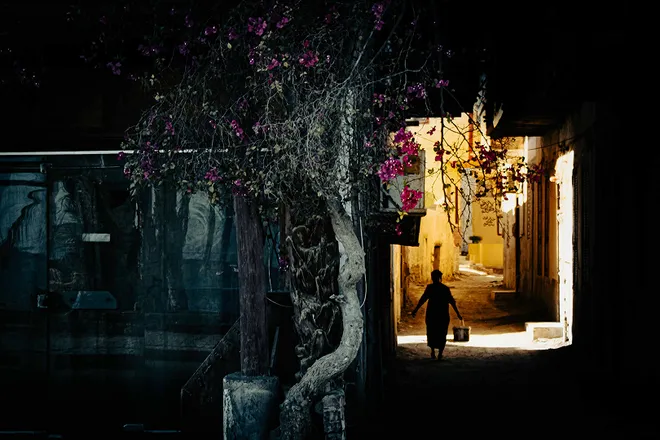
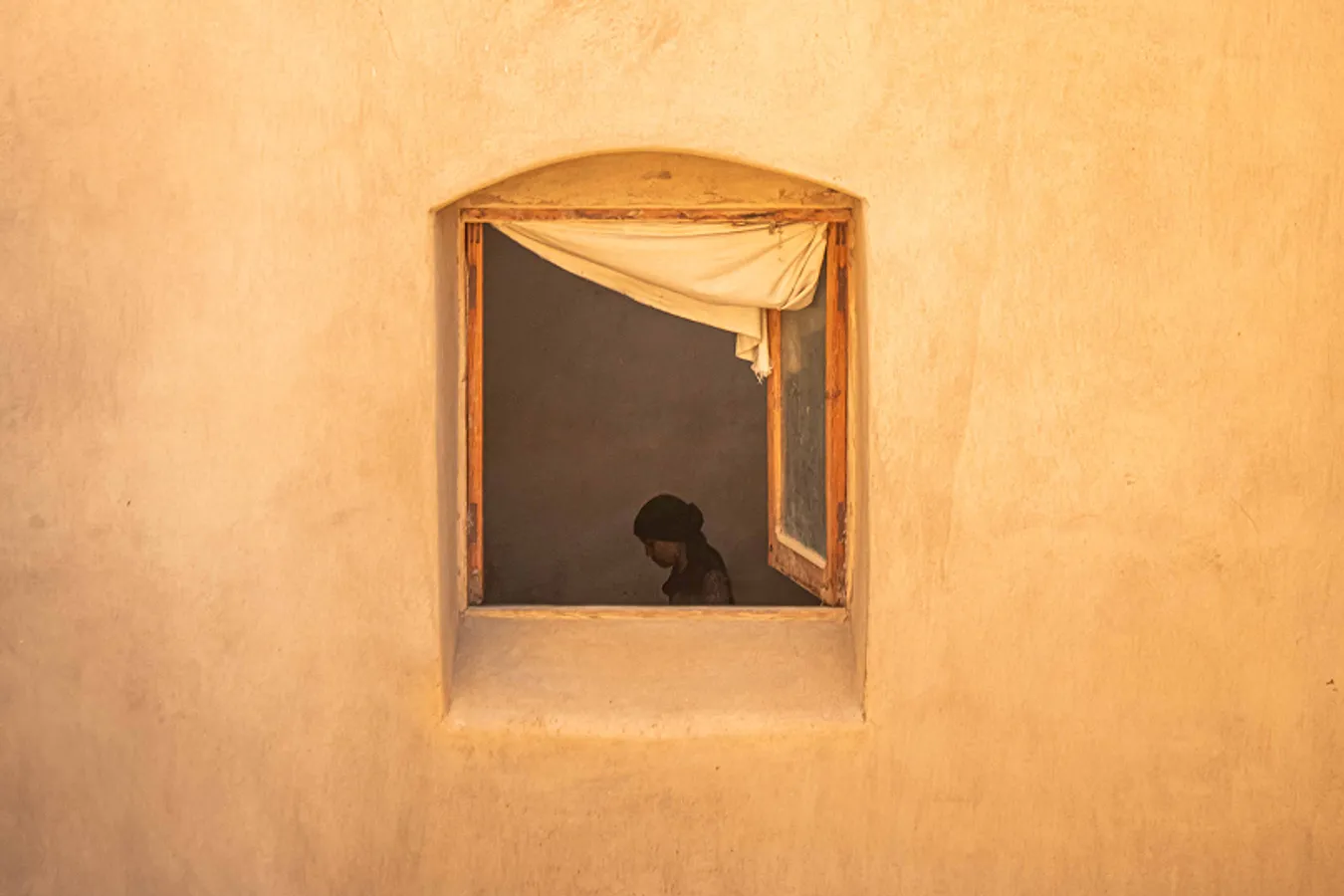
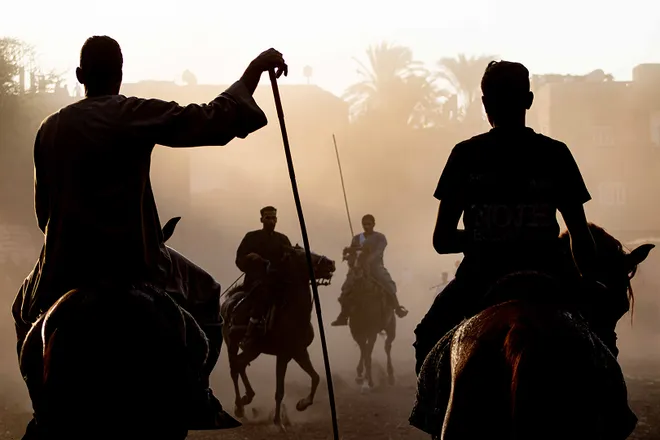
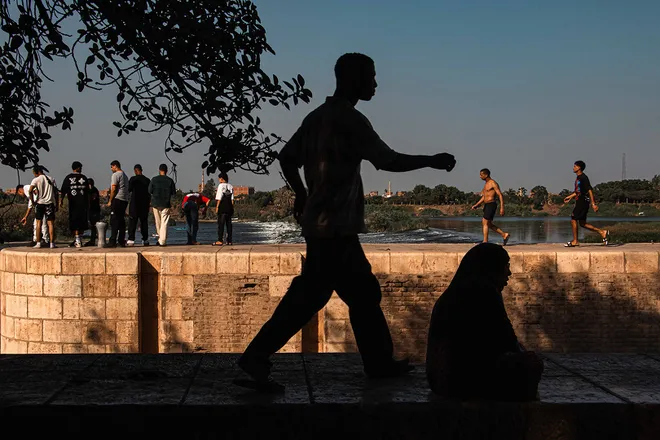
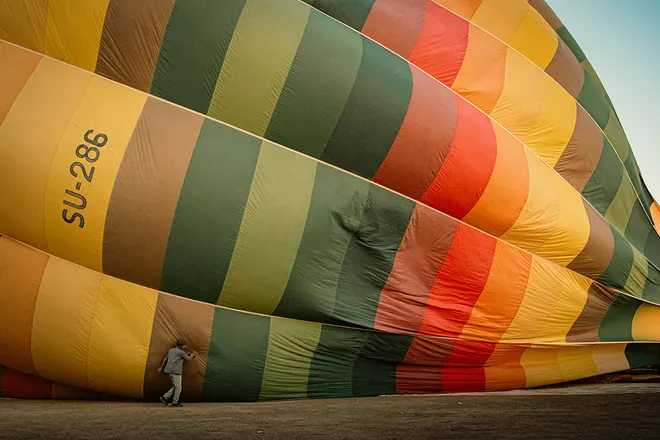
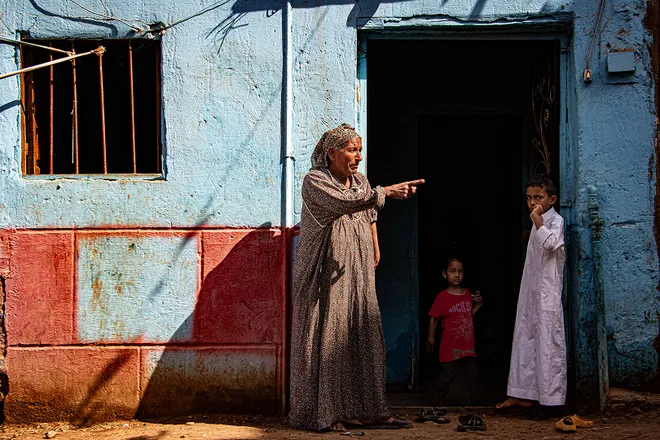
Light and shadow are important to me. I am drawn to the warm, dusty yellows that often appear in the environments I photograph, as well as the way sunlight can change the feeling of a place.

I also enjoy waiting for that particular moment when all the elements come together. Sometimes I already have an image in my mind and wait for the people, light, movement, or other details to fall into place.

That process allows me to be deliberate while still responding to what is happening around me.

"In Egypt, meaningful opportunities and sustainable professional work remain limited. Social media can also affect how photographers understand visibility".

Which global brands, photographers, or industries do you feel your work aligns with most?

I do not have one specific photographer or brand that I would say defines the direction of my work. I am interested in documentary photography and cultural documentation, particularly work that pays attention to people, places, heritage, and everyday life.

I am open to working with organisations, publications, cultural institutions, and brands whose projects connect with these subjects and allow me to explore them with care.

How is the photography and art space in Egypt?

There are useful workshops, programmes, and grants available to photographers in Egypt, and social media has made it easier for emerging photographers to share their work and find audiences.

At the same time, meaningful opportunities and sustainable professional work remain limited. Social media can also affect how photographers understand visibility, because algorithms often determine which work reaches an audience.

I think there is room for more opportunities that support photographers beyond visibility, particularly through professional projects, education, funding, exhibitions, and longer-term development.

What is one professional standard you never compromise on?

My subject is much more important than the photograph. I care deeply about the dignity of the people I photograph, and I do not believe a photograph is worth compromising someone's dignity for.

Whenever possible, I ask for permission, and I try to think about how I would feel if I were the person in the photograph. That helps me make decisions about what I photograph and how I represent people.

Respect is part of the work itself.

What do you think of the 54Ruum platform?

I appreciate the way 54Ruum creates visibility for African photographers and artists and gives attention to the people behind the work.

I also find the Ruum Spotlight approach meaningful because it allows readers to understand the artist as a person, including their experiences, thoughts, and perspective.

Platforms that create space for photographers to be seen and understood can contribute to a stronger photography community across Africa.

Credits

Text

Moyin Adediran

Photography

Gihad Abdelsamie

Curation

guvnor

SHARE THIS STORY

Join Our Community

More Stories

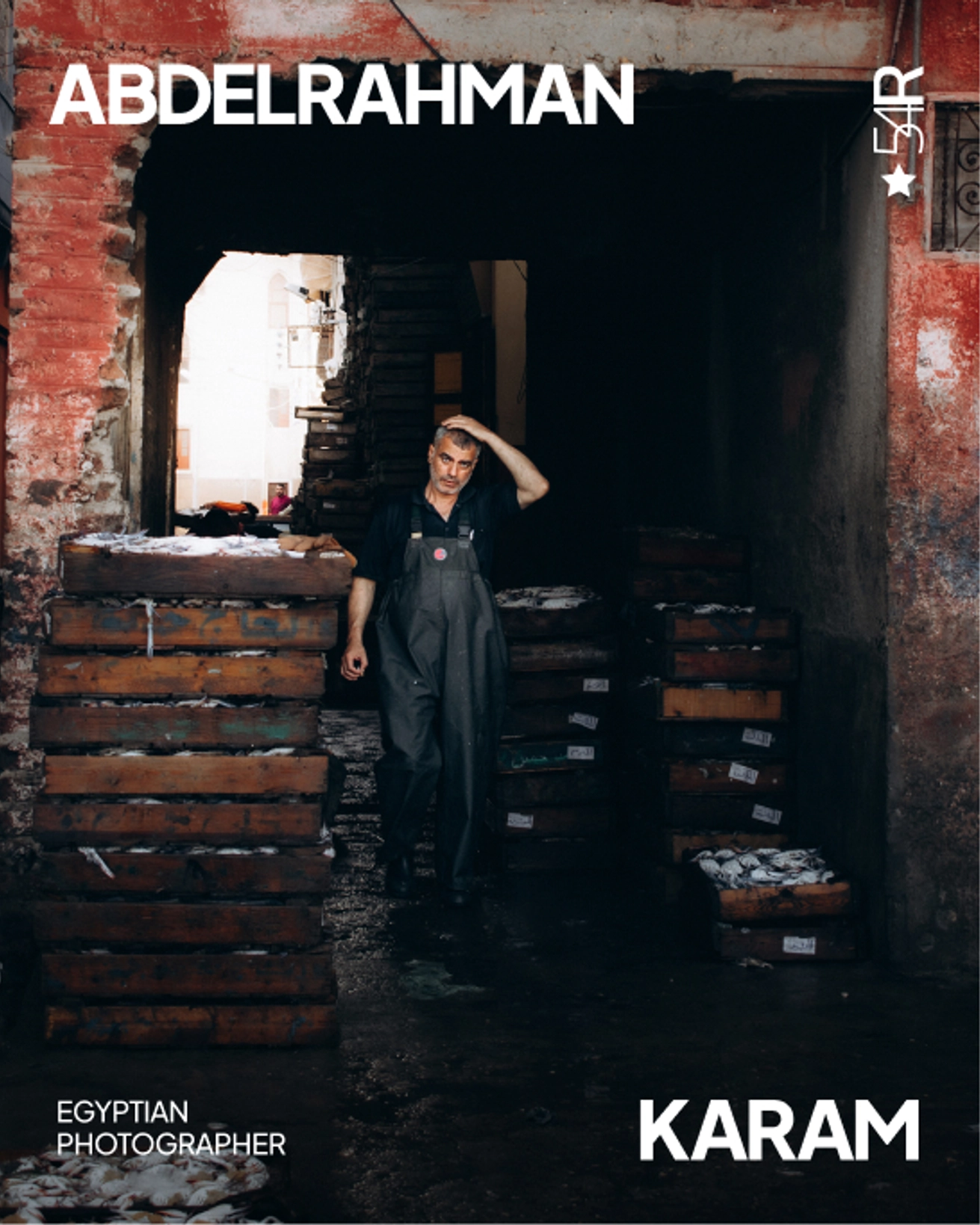
Abdelrahman Karam: Egyptian photographer finding new perspectives in people, place, and architecture
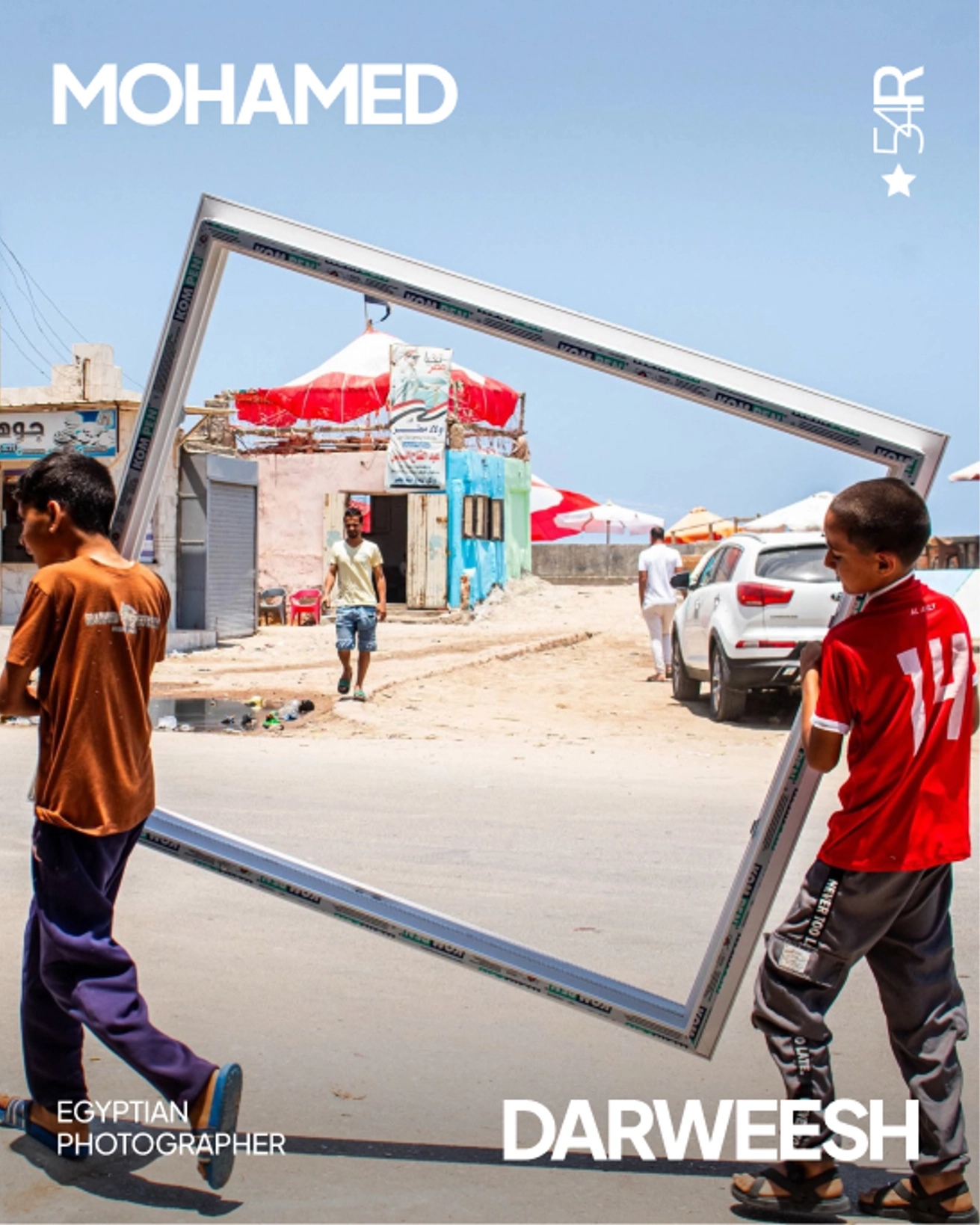
Mohamed Darweesh: Egyptian documentary photographer telling everyday stories through observation and human connection
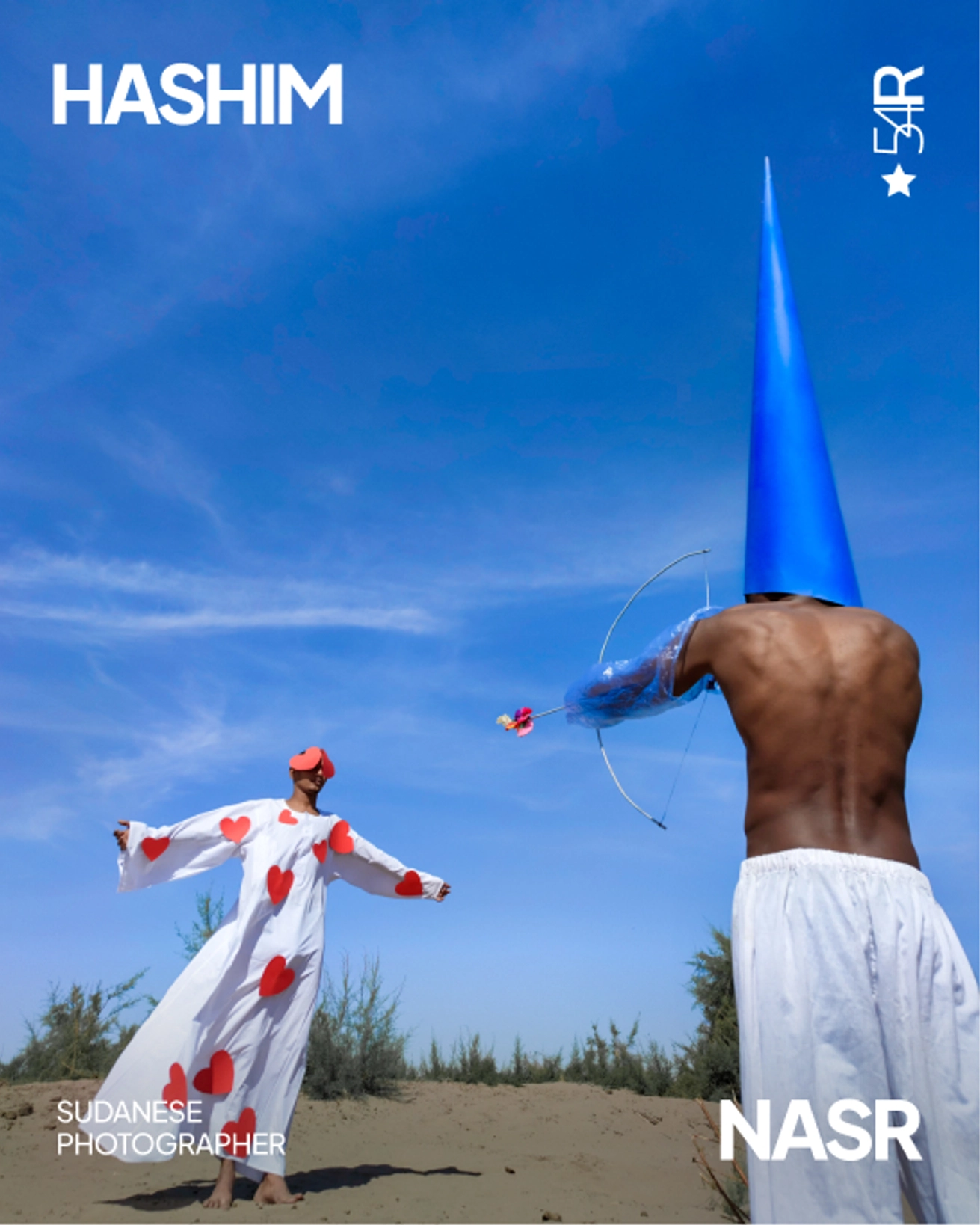
Hashim Nasr: Sudanese visual artist exploring displacement, memory, and identity through surreal photography
Rania Deabes: Egyptian street and documentary photographer finding human stories in colour, light, and unexpected moments
Rachid Moujahid: Moroccan lifestyle photographer capturing the quiet beauty of coastal life in Tamraght
Joel Adjetey: Ghanaian photographer building a visual language around fashion, identity, and African excellence
Tamibé Bourdanné: Chadian photographer exploring human connection through documentary, fashion, and his perspective on Africa
Jorge Dachala: Angolan photographer documenting culture, quiet moments, and the people around him
Amarachi Nnoli: Nigerian photographer documenting women’s lives, Igbo culture, and family archives through photography and mixed media
Alsyed Elsaadani: Egyptian documentary photographer exploring human stories through everyday life
Samuel Adeleke: Nigerian photographer documenting culture, identity, and quiet human moments in Northern Nigeria
Inga Nontshibongo: South African lifestyle photographer documenting urban culture through cinematic storytelling
Daniel Cole: Nigerian portrait and conceptual photographer using colour and poetry to tell stories
Omariba Angwenyi: Kenyan street and nature photographer finding meaning in overlooked moments
Malak Zerour: Algerian photographer developing her visual voice through light, colour, and everyday moments

Explore more content

Company

The Ruum Africa

Products

RTM

© 2026 The Ruum Africa

Built by