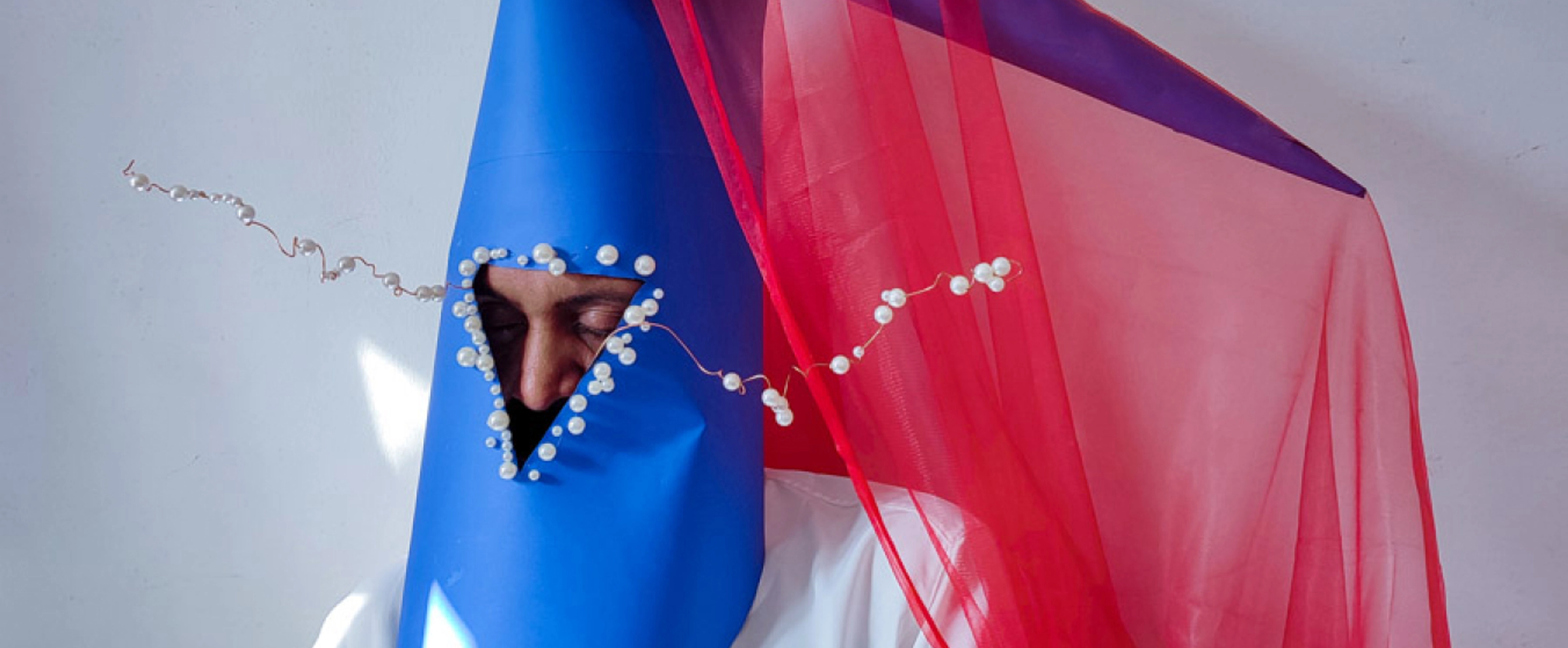
Hashim Nasr: Sudanese visual artist exploring displacement, memory, and identity through surreal photography

10 mins read
•
Published30 Sep, 2026

"What drew me to photography was the possibility of creating my own visual language, a space where reality and imagination could meet. It gradually became a way of processing experiences, asking questions, and imagining other possibilities of being .”

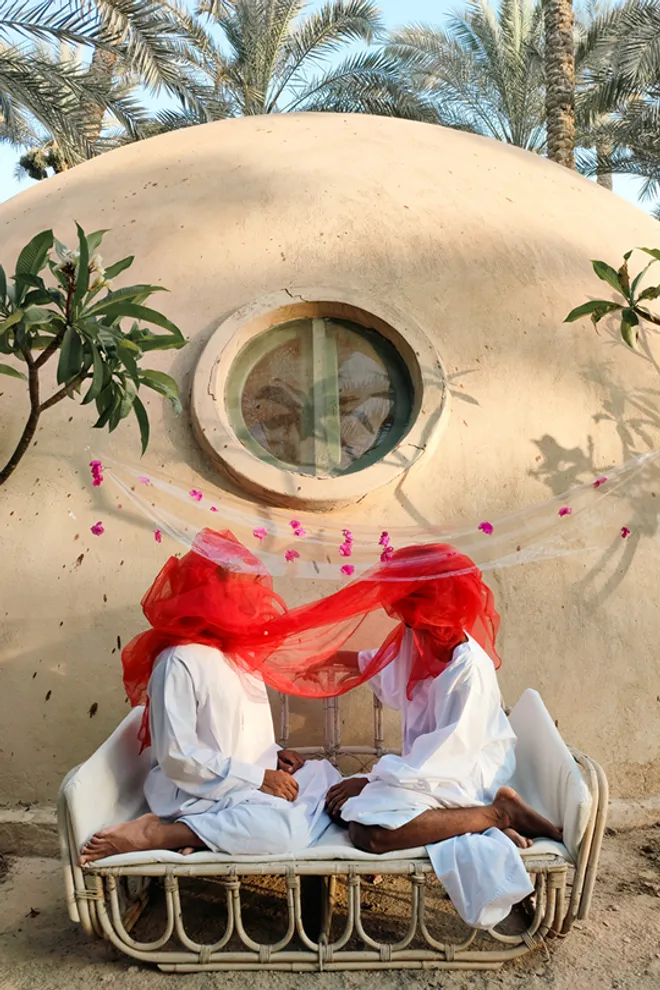
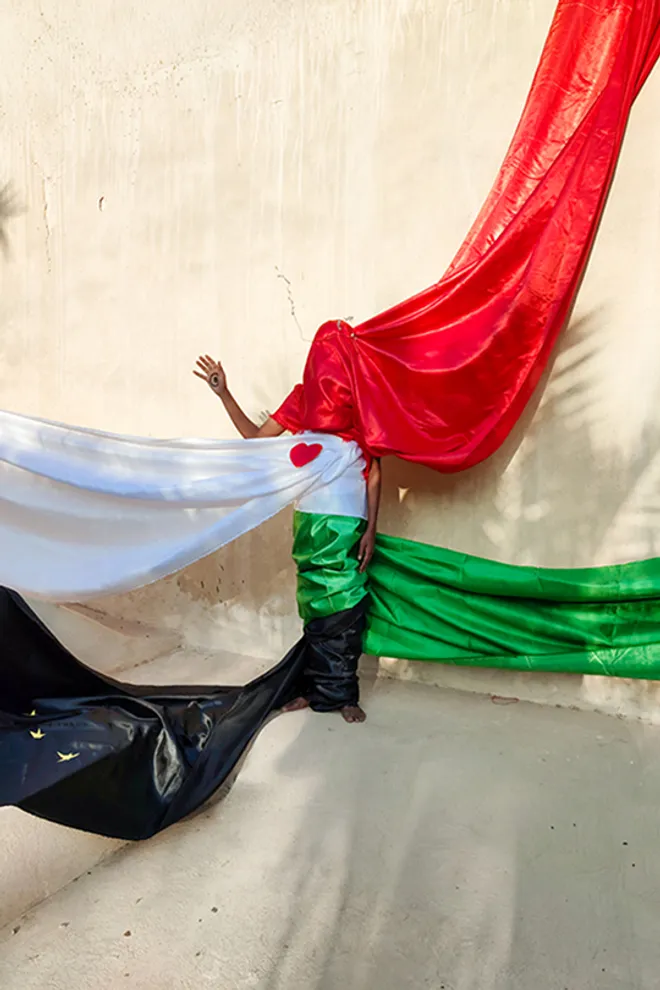
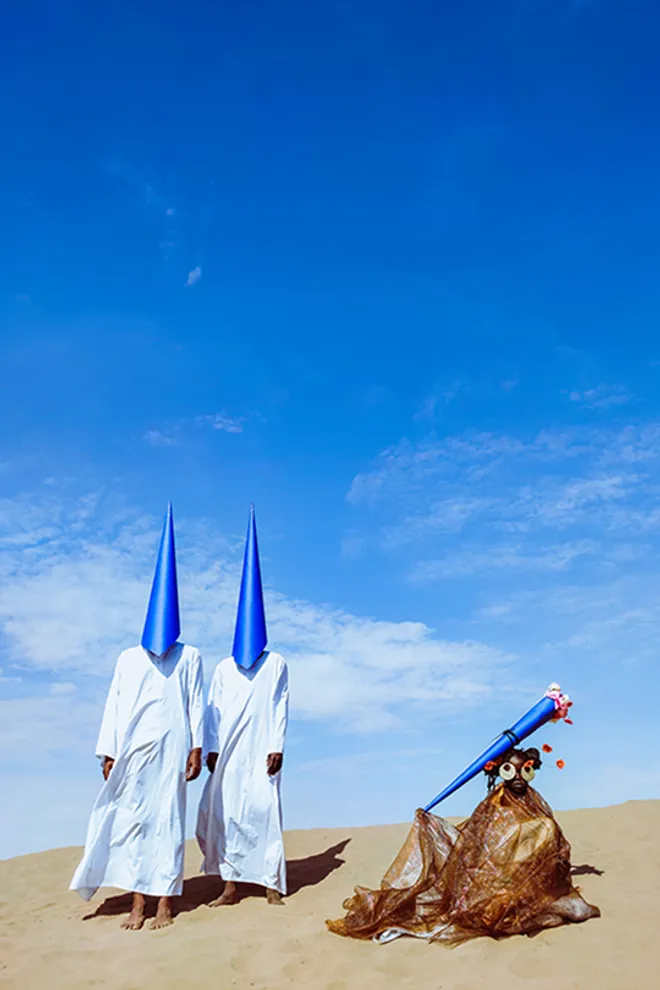
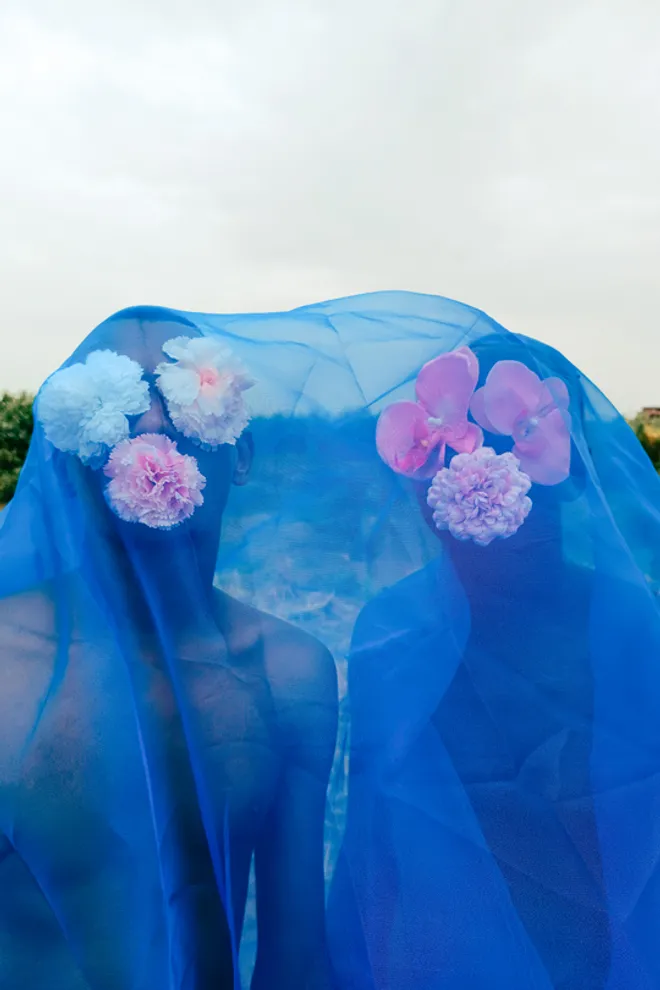
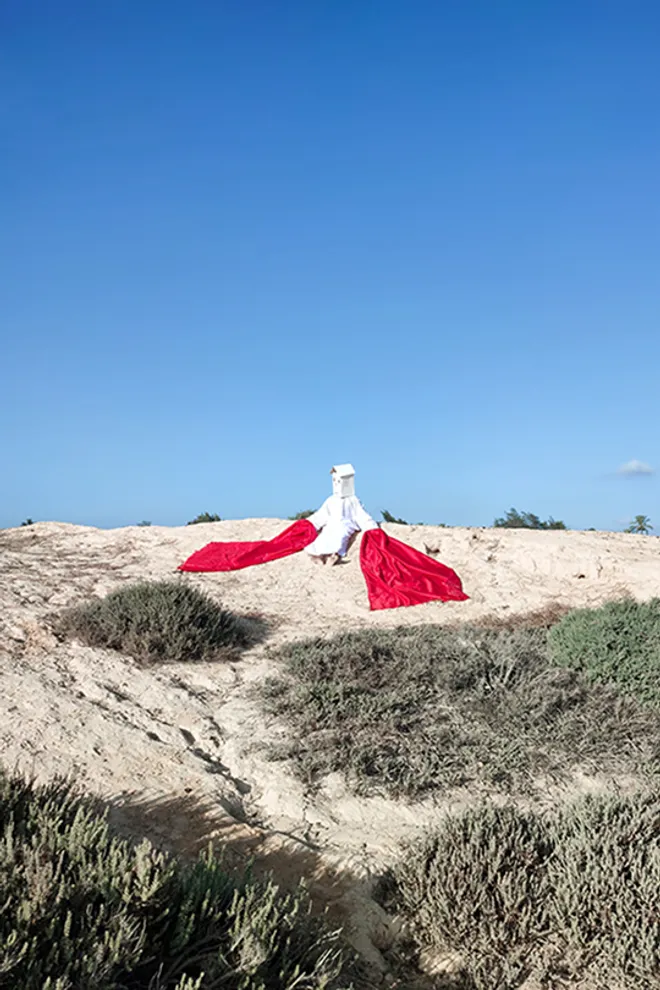
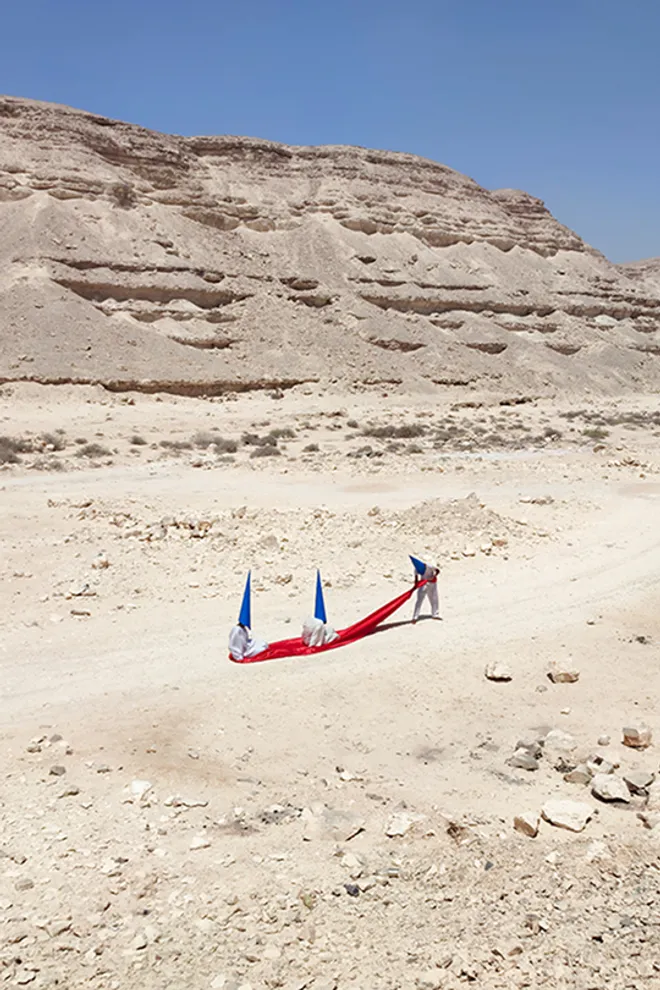
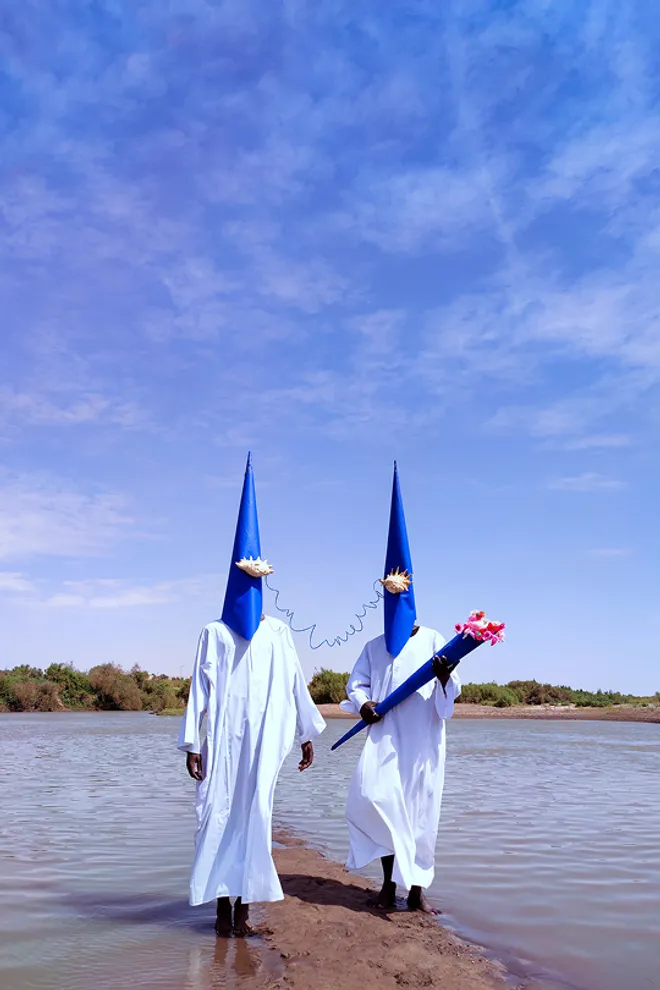
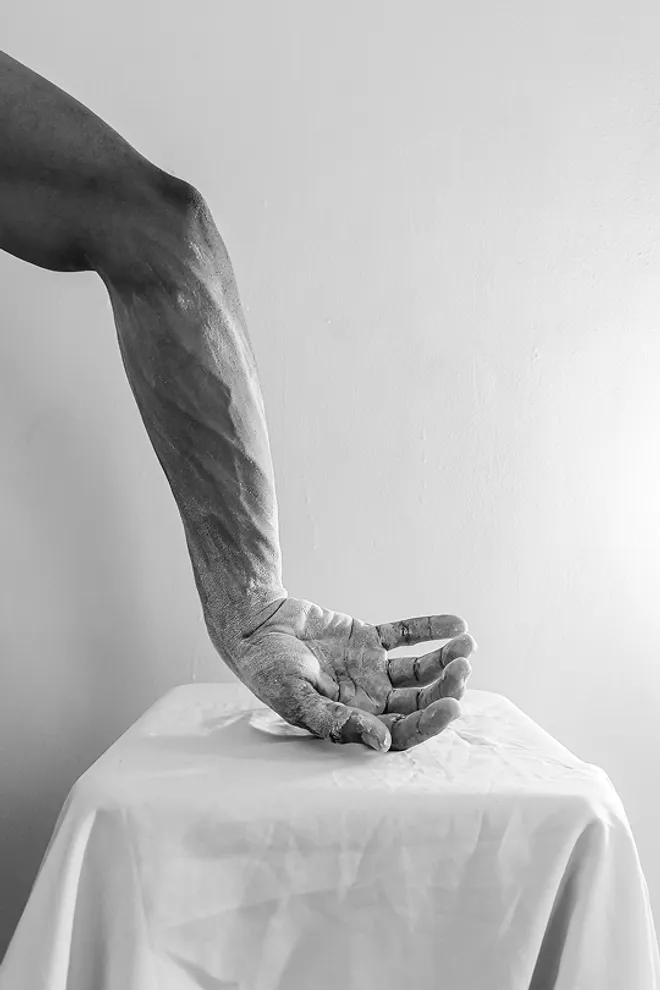
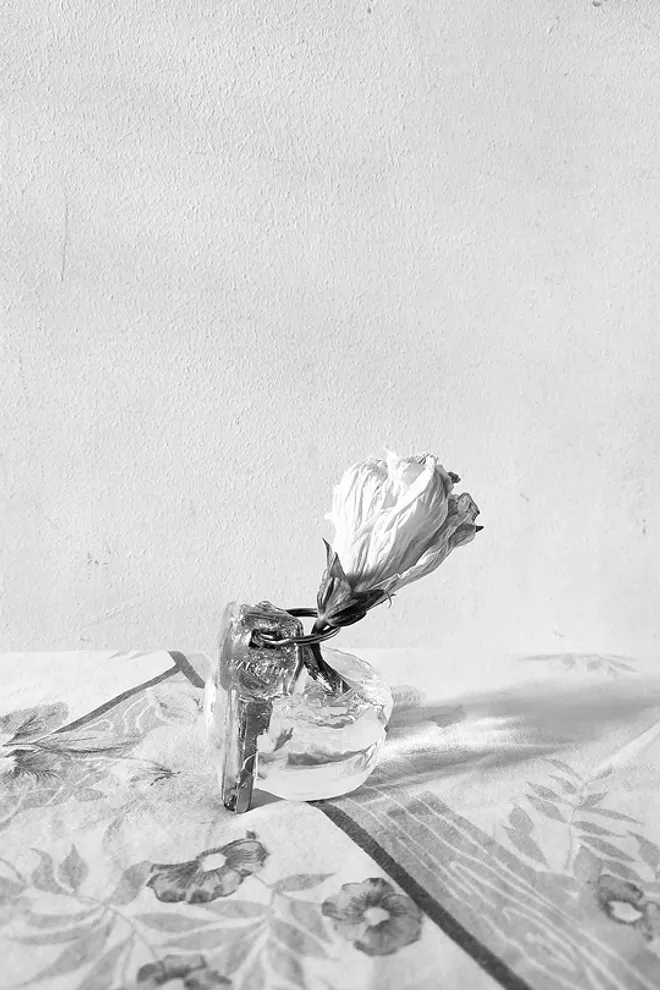
Hashim Nasr is a Sudanese visual artist and photographer based in Alexandria, Egypt. He graduated as a dentist, and his conceptual and surreal artistic practice started as an experimental act to explore themes of displacement, memory, and gender identities through staged images and symbolic visual language that reflect emotional and psychological landscapes.

He uses minimalist compositions and experimental handcrafted objects to navigate exile, identity, and the search for belonging. His work has been presented internationally, including at The Africa Center in New York, Cairo Photo Week, Goethe-Institut in Cologne, and Rotterdam Photo Festival.

Nasr has received the Prince Claus Fund Seed Award and recognition through the East African Photography Award, and his work has been featured by the British Journal of Photography, WePresent, and The Eye of Photography (L'Oeil de la Photographie).
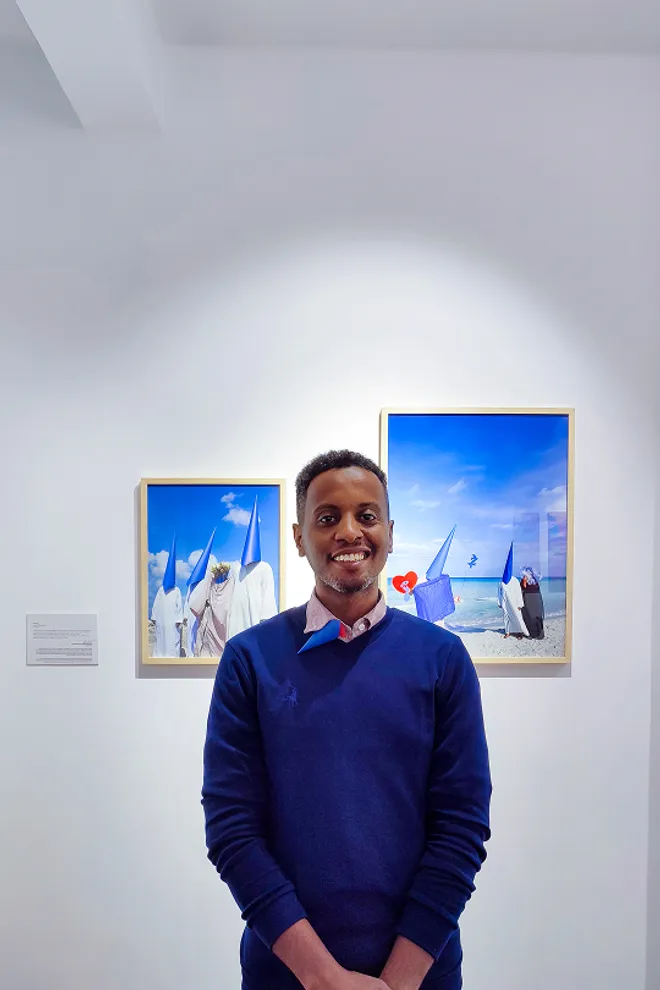
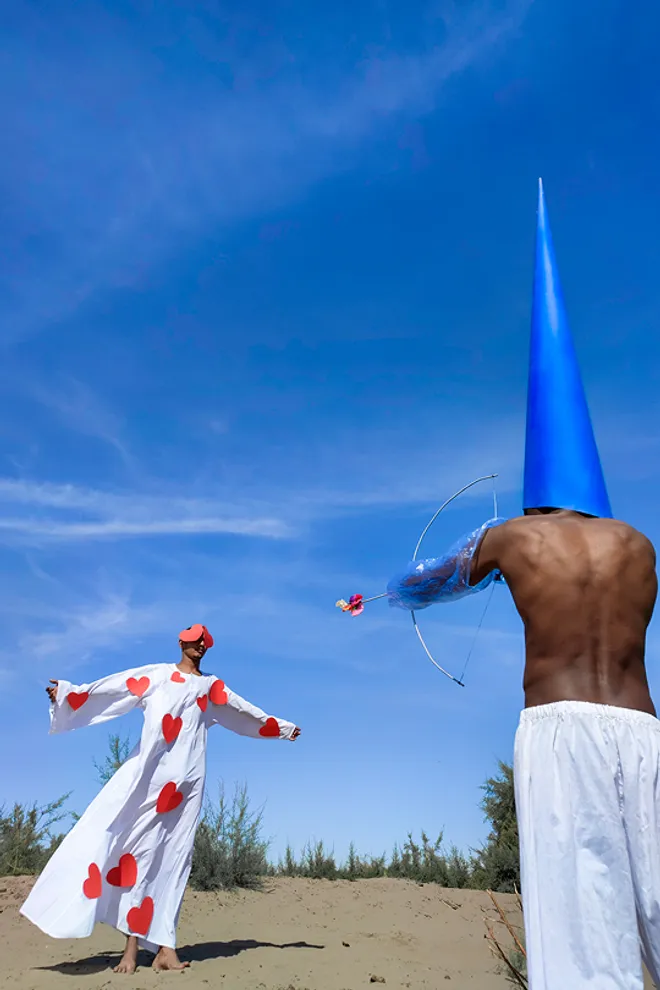
Hashim Nasr - Sudanese visual artist

How did you get started in photography?

In 2020, during the COVID-19 lockdown, when I was temporarily away from my work as a dentist, I found myself spending a lot of time alone, reflecting on my life, my identity, and the things I was struggling to express in words.

I began using my phone camera to create self-portraits, almost as a way of understanding myself and giving shape to feelings of isolation, longing, and uncertainty. I did not have any formal photography training, and I did not initially think of myself as an artist. I was simply experimenting, building small scenes, and discovering how an image could hold emotions and ideas that were difficult to articulate otherwise.

Looking back, I think what drew me to photography was the possibility of creating my own visual language, a space where reality and imagination could meet. It gradually became a way of processing experiences, asking questions, and imagining other possibilities of being.

“What matters most is knowing that the work can travel beyond my own experience and create a space for other people to connect with the stories I make or share. ”

How would you describe yourself?

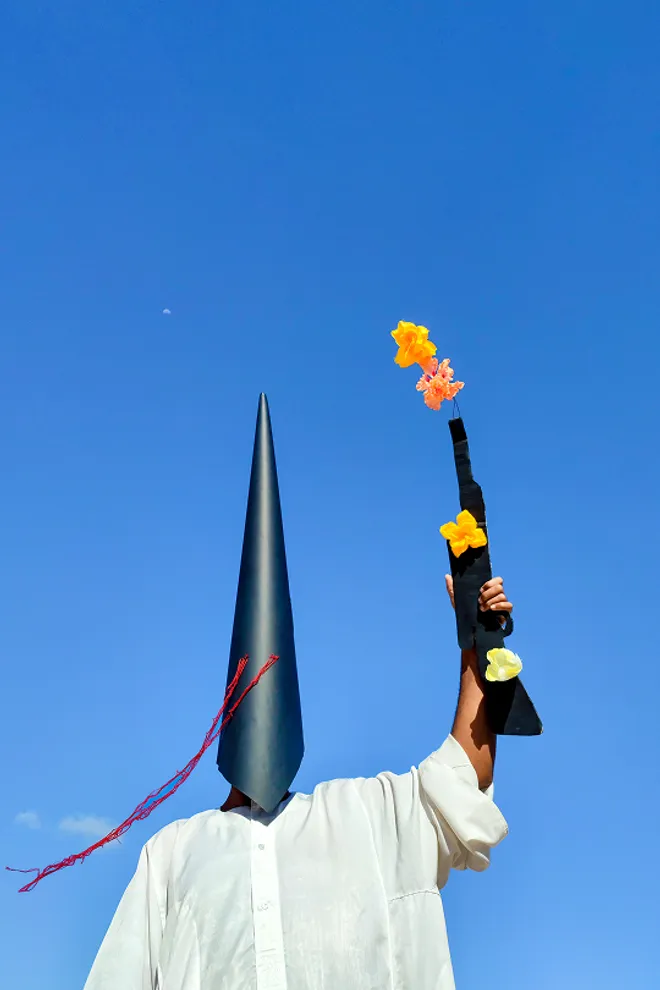
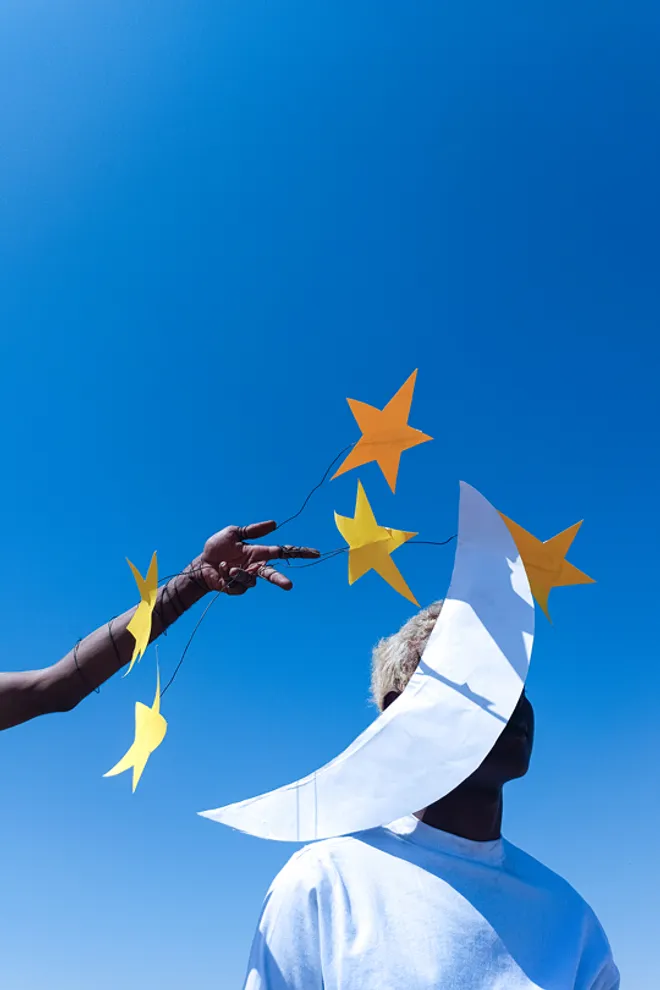
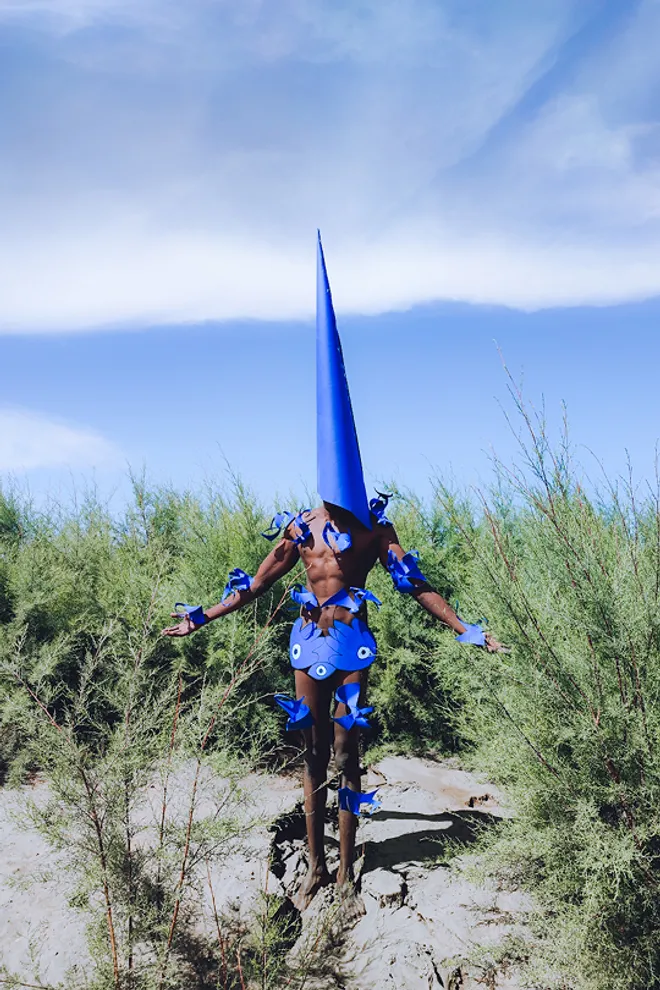
My artistic practice is based on combining surreal images with handmade objects.

I was born and raised in Khartoum, Sudan, and I am currently based in Alexandria, Egypt. My relationship with home, displacement, identity, and belonging has become an important part of my work, particularly since the war in Sudan began in 2023.

Outside my artistic practice, I am still a practising dentist, which sometimes feels like living between two very different worlds, to be honest. I think dentistry has influenced the way I approach art. Both require a certain attention to detail and patience, although I express these interests in very different ways.

A fun fact about me: I am completely self-taught in photography, and for the first few years of my practice, I created all my images using my phone. I did not own a camera until January 2024.

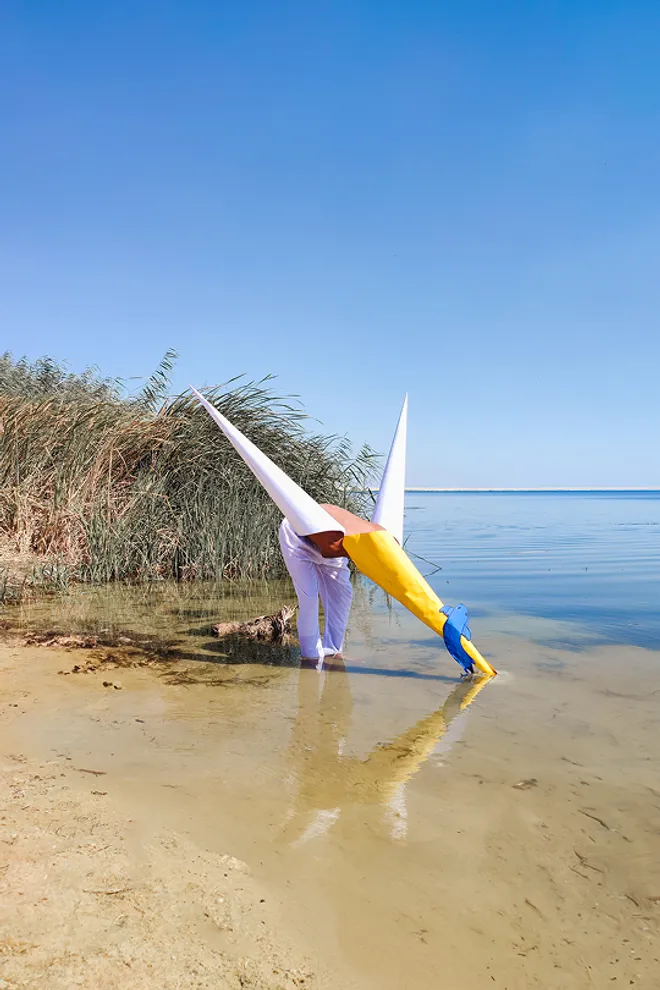
I also love making things with my hands, from initial sketches to masks to the entire photographic sets. Sometimes, the object I spend hours making becomes just a tiny detail in the final photograph, but the process of making it is an essential part of the work.

What moment in your career are you most proud of?

One particularly meaningful milestone was having my project On War and Displacement supported and recognised through the Arab Documentary Photography Program. It allowed me to develop a deeply personal body of work around war, displacement, memory, and the meaning of home.

I am also proud of the recognition my work has received internationally, from exhibitions and publications to being named as Ones to Watch by the British Journal of Photography in 2024.

Each of these moments reminds me how far this journey has taken me, but what matters most is knowing that the work can travel beyond my own experience and create a space for other people to connect with the stories I make or share.

What is the biggest challenge you have faced as a photographer?

Living in a time and place where I cannot simply go out and make photographs, as I am primarily focused on staging visuals outdoors and in landscapes, which plays a vital role in my practice, I find it difficult to shoot outside without being asked or investigated.

This experience taught me it is all about the dedication I put into my practice: never give up and never settle for a no, just try more and more, and always go with a company and a local friend, ask for permission first, and again show what I am doing.

“I create carefully constructed photographs that combine handmade sets, costumes, and objects to explore themes of identity, memory, belonging, and the human experience.”

What is your primary commercial niche?

I work primarily in conceptual and fine-art photography, with a focus on surreal, staged imagery and visual storytelling. I create carefully constructed photographs that combine handmade sets, costumes, and objects to explore themes of identity, memory, belonging, and the human experience.

I am particularly interested in collaborations with cultural institutions, art and photography publications, and creative platforms seeking distinctive visual narratives. As I am also willing to extend into filmmaking and installation, I allow myself to approach commissions and collaborations through different visual and material forms.

“I believe there is still so much to be explored, and I hope to contribute to that ongoing conversation through my own practice."

How is the photography and art space in Sudan and Egypt?

Coming from Sudan and currently based in Egypt, I find myself connected to two artistic contexts that have their own histories, challenges, and possibilities. Both have shaped the way I understand photography, as a medium for documenting reality and as a space for personal expression.

In Sudan, photography has a strong connection to documenting everyday life, cultural identity, and social change, and I honestly had more freedom to express myself and go out to photograph.

In Egypt, where I have been based since 2023, there is a diverse and evolving contemporary art and photography scene. There is growing diversity in different approaches to visual storytelling, from documentary and editorial photography to conceptual and experimental practices.

For me, living and working between these contexts has made the importance of artistic communities and independent initiatives even more apparent. I have seen how photography can become a way of preserving memory, building connections, and creating a sense of belonging, particularly for artists living through displacement.

I am interested in how this generation of photographers is moving beyond familiar representations of our countries, creating more personal, complex, and imaginative ways of telling our stories. I believe there is still so much to be explored, and I hope to contribute to that ongoing conversation through my own practice.

What is one professional standard you never compromise on?

Always focus on making what I enjoy the most, have fun, and never compromise on making my own visuals.

What do you think of the 54Ruum platform?

I am really impressed with the effort and dedication they put into reaching out to and collecting those visual artists into this platform.

Credits

Text

Felana Ramasy

Photography

Hashim Nasr

Curation

guvnor

SHARE THIS STORY

Join Our Community

More Stories

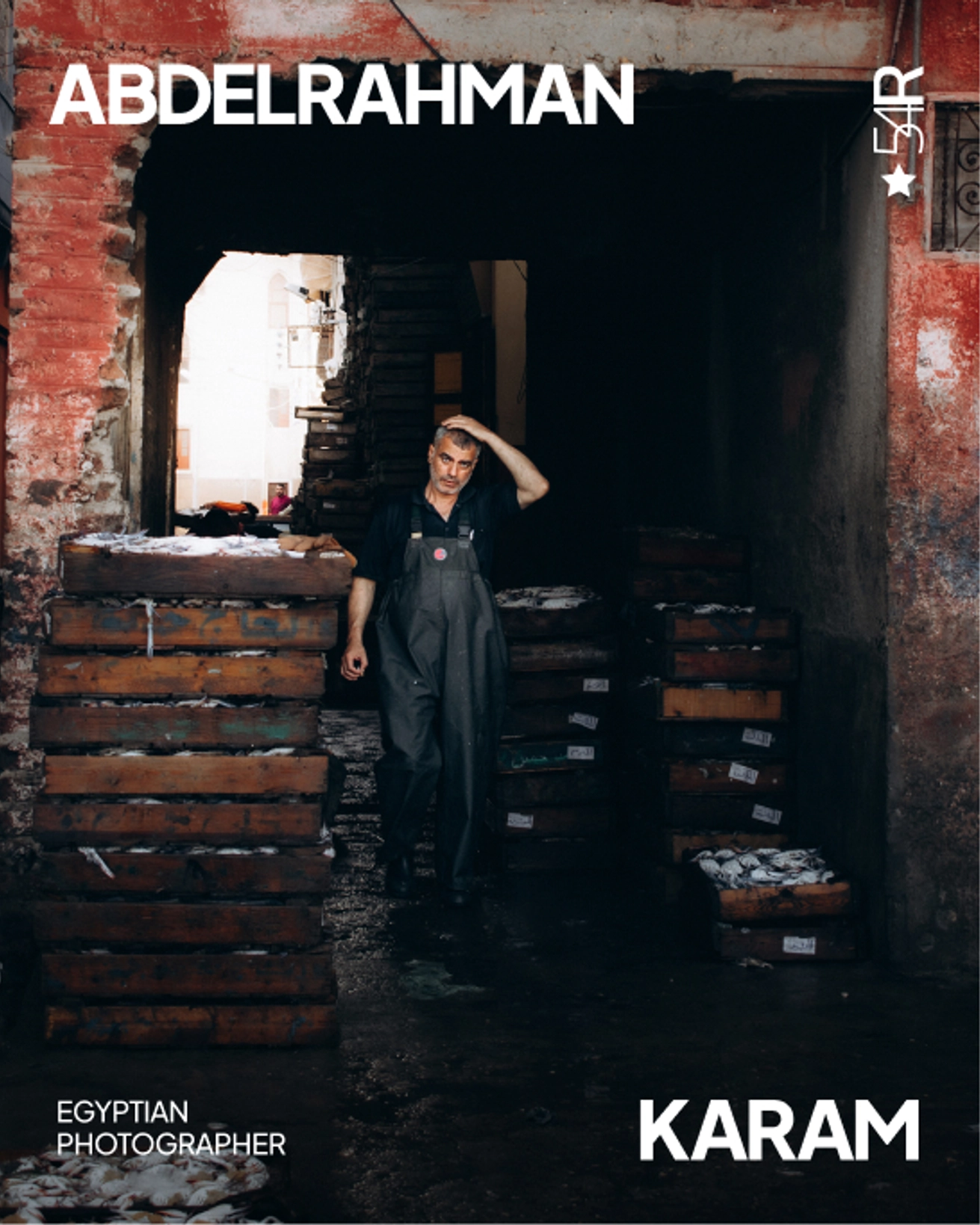
Abdelrahman Karam: Egyptian photographer finding new perspectives in people, place, and architecture
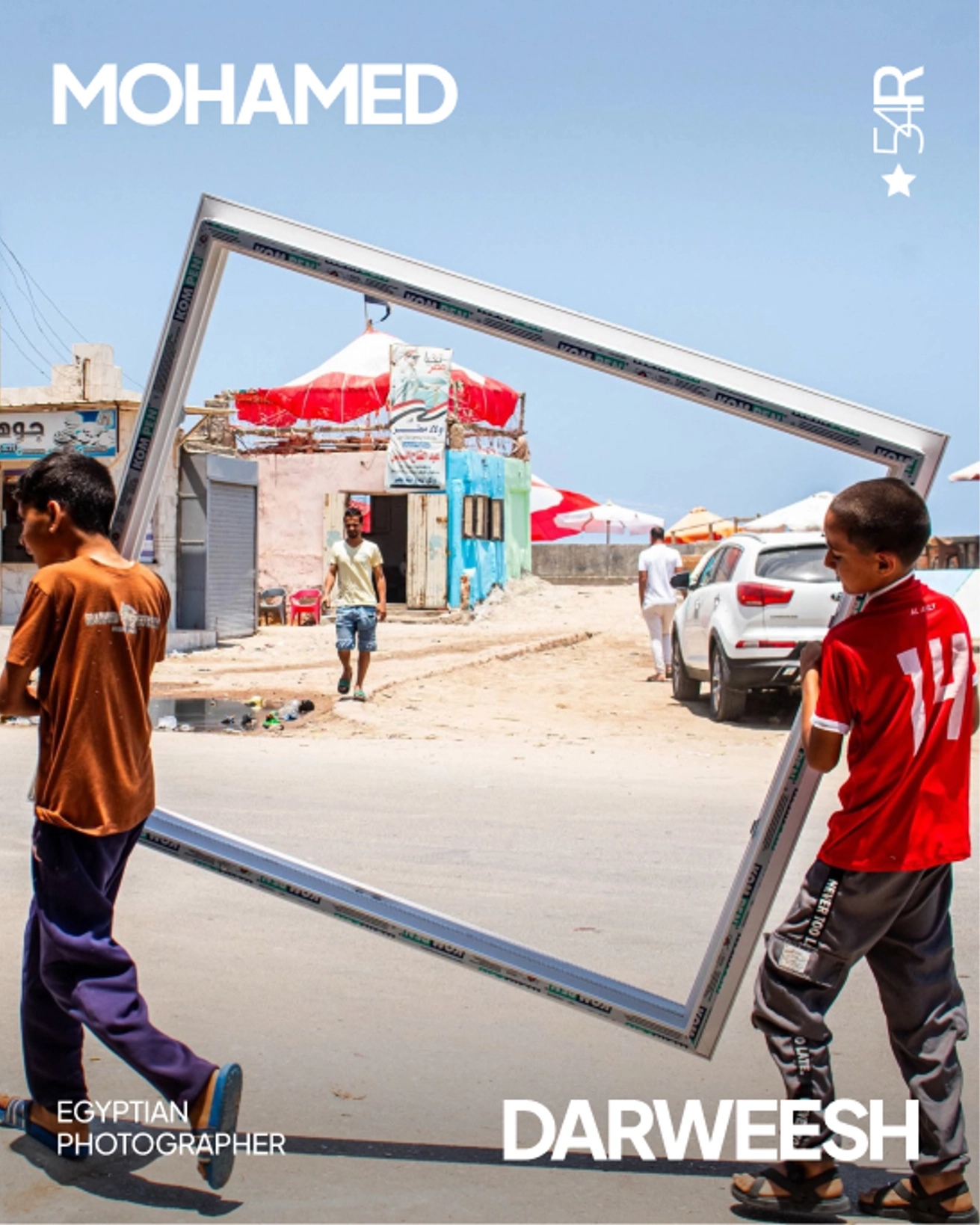
Mohamed Darweesh: Egyptian documentary photographer telling everyday stories through observation and human connection
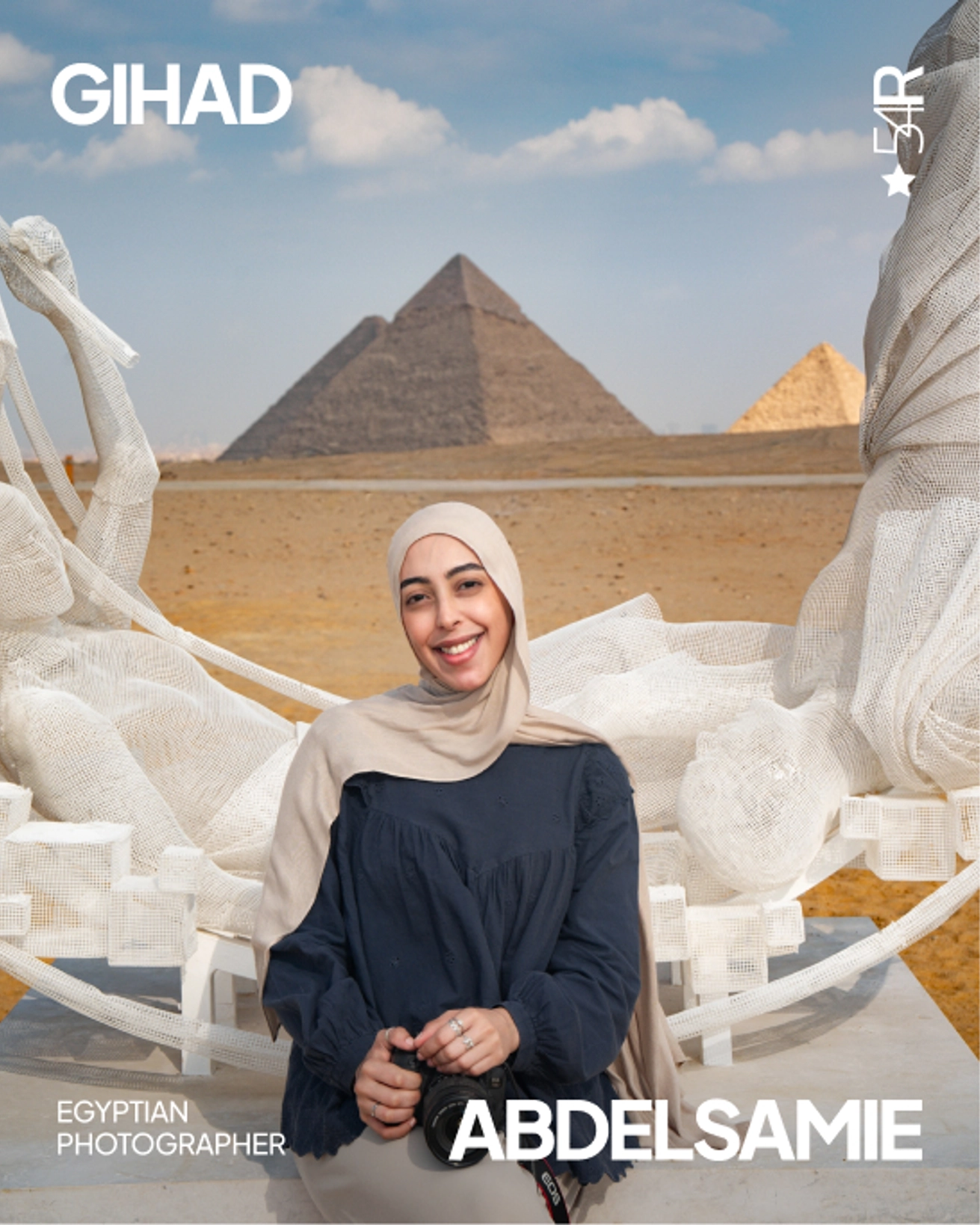
Gihad Abdelsamie: Egyptian documentary photographer preserving everyday life, heritage, and human stories
Rania Deabes: Egyptian street and documentary photographer finding human stories in colour, light, and unexpected moments
Rachid Moujahid: Moroccan lifestyle photographer capturing the quiet beauty of coastal life in Tamraght
Joel Adjetey: Ghanaian photographer building a visual language around fashion, identity, and African excellence
Tamibé Bourdanné: Chadian photographer exploring human connection through documentary, fashion, and his perspective on Africa
Jorge Dachala: Angolan photographer documenting culture, quiet moments, and the people around him
Amarachi Nnoli: Nigerian photographer documenting women’s lives, Igbo culture, and family archives through photography and mixed media
Alsyed Elsaadani: Egyptian documentary photographer exploring human stories through everyday life
Samuel Adeleke: Nigerian photographer documenting culture, identity, and quiet human moments in Northern Nigeria
Inga Nontshibongo: South African lifestyle photographer documenting urban culture through cinematic storytelling
Daniel Cole: Nigerian portrait and conceptual photographer using colour and poetry to tell stories
Omariba Angwenyi: Kenyan street and nature photographer finding meaning in overlooked moments
Malak Zerour: Algerian photographer developing her visual voice through light, colour, and everyday moments

Explore more content

Company

The Ruum Africa

Products

RTM

© 2026 The Ruum Africa

Built by