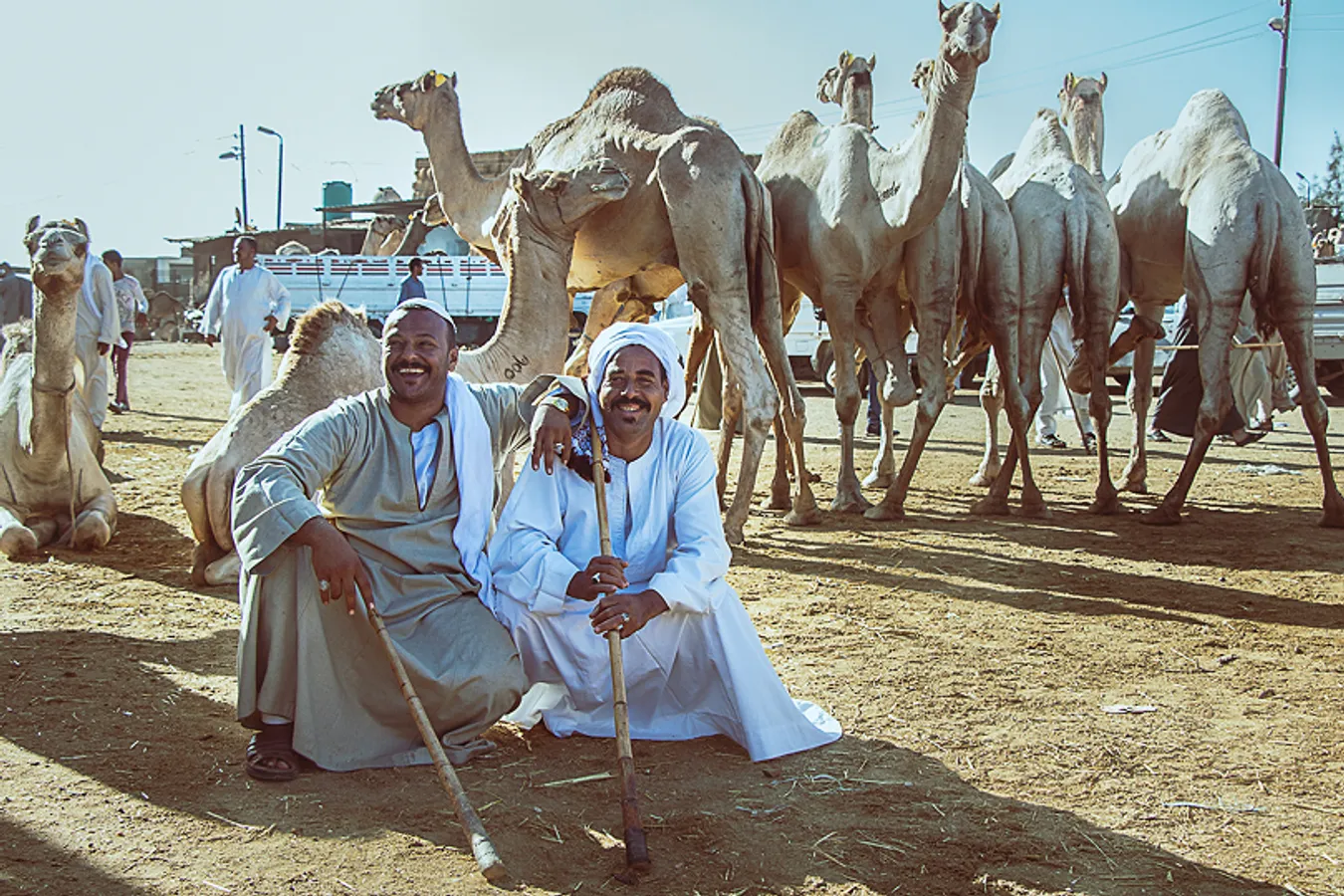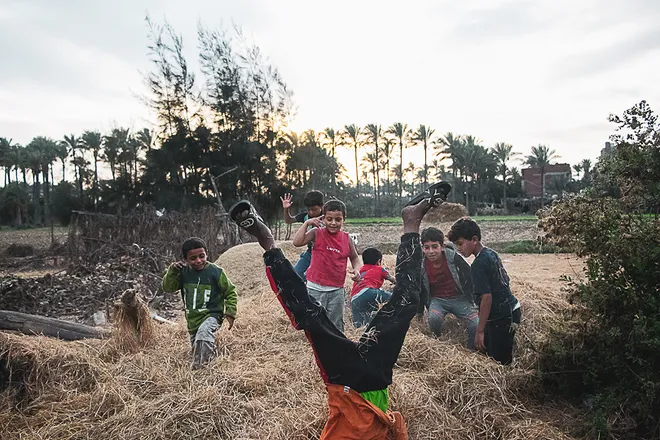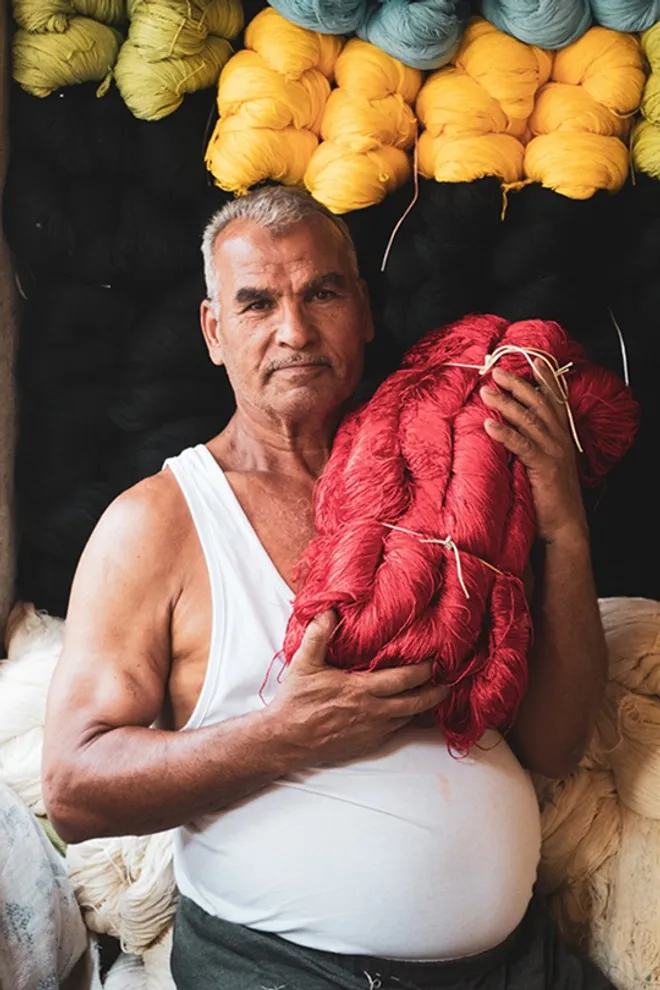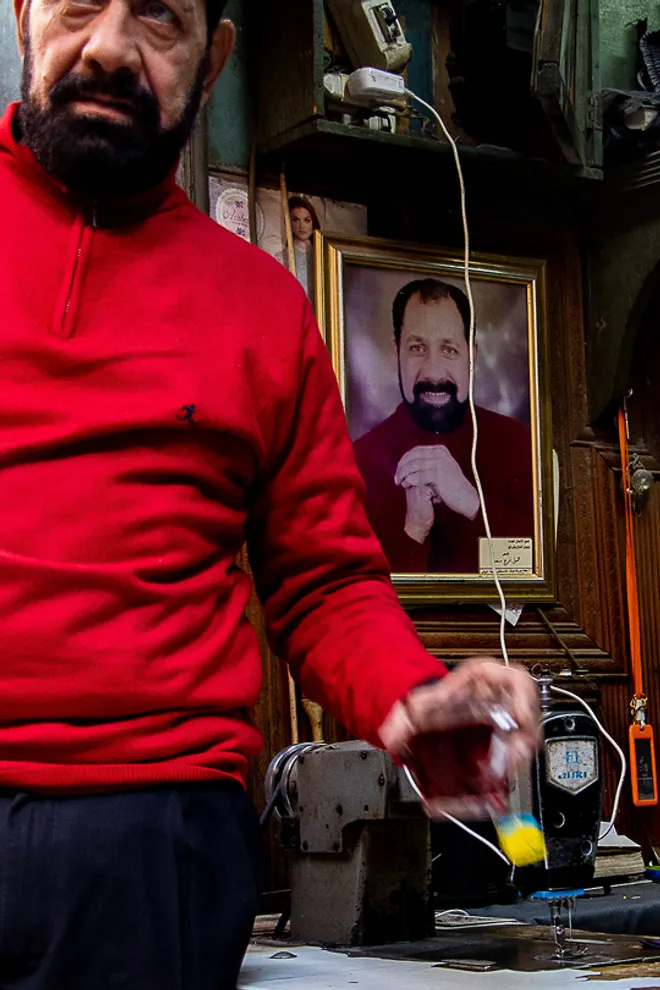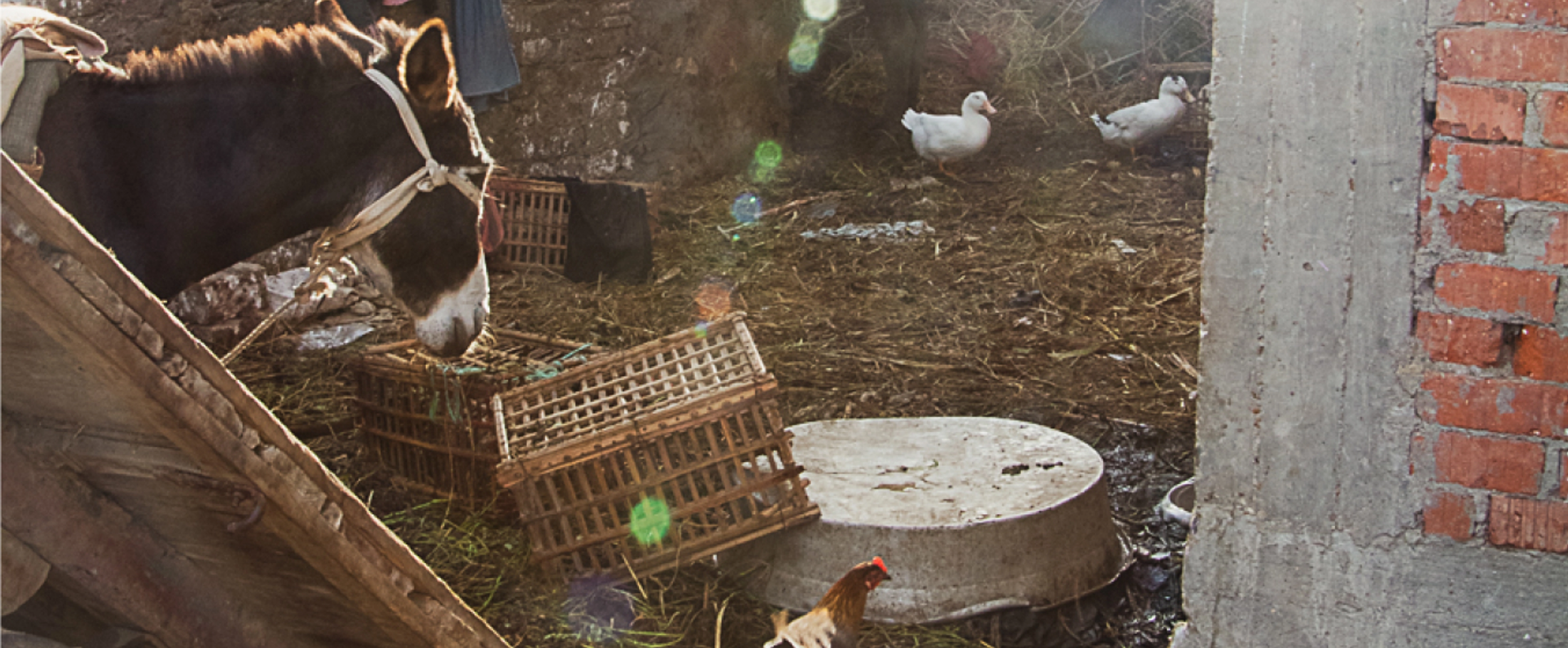
Mariam Ashraf: Egyptian documentary photographer documenting identity, memory, and belonging through people and place

13 mins read
Published28 Aug, 2026

“Documentary and street photography became a bridge that allowed me to connect with the world and express myself through an image. Photography also gave me a space to slow down, observe and understand the world around me.”

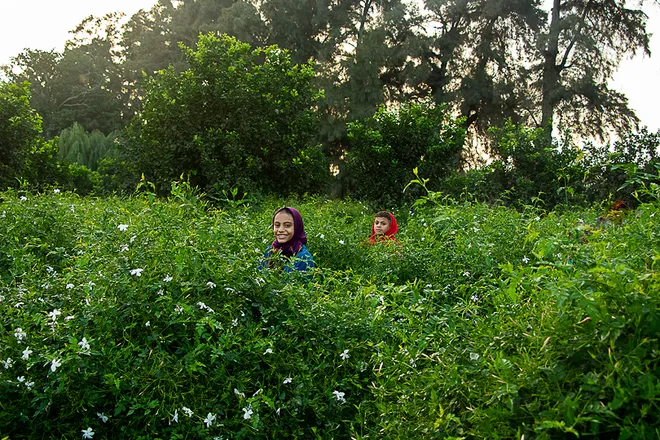
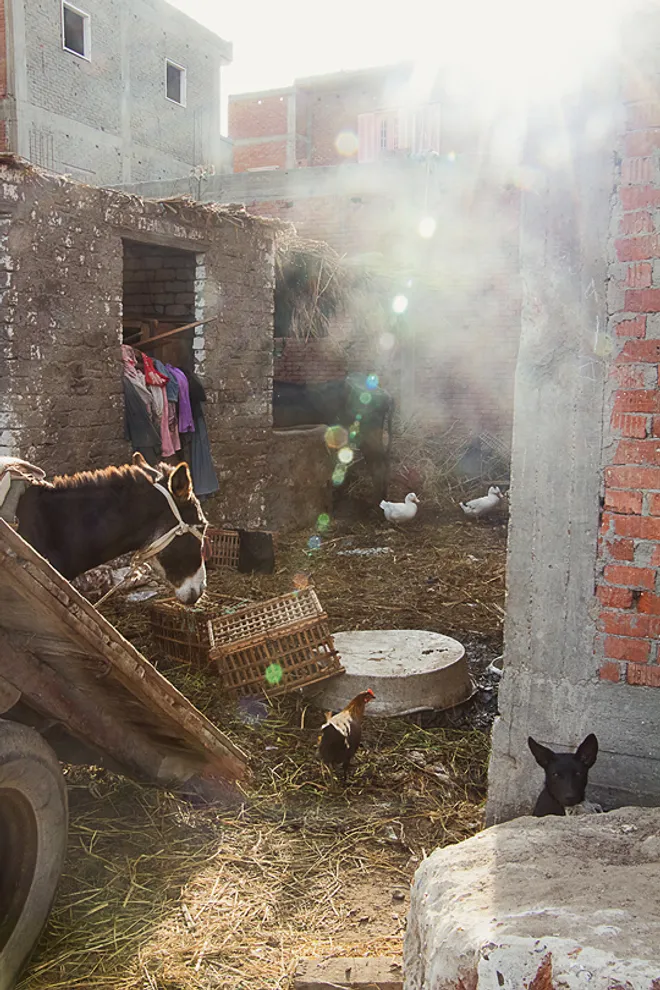
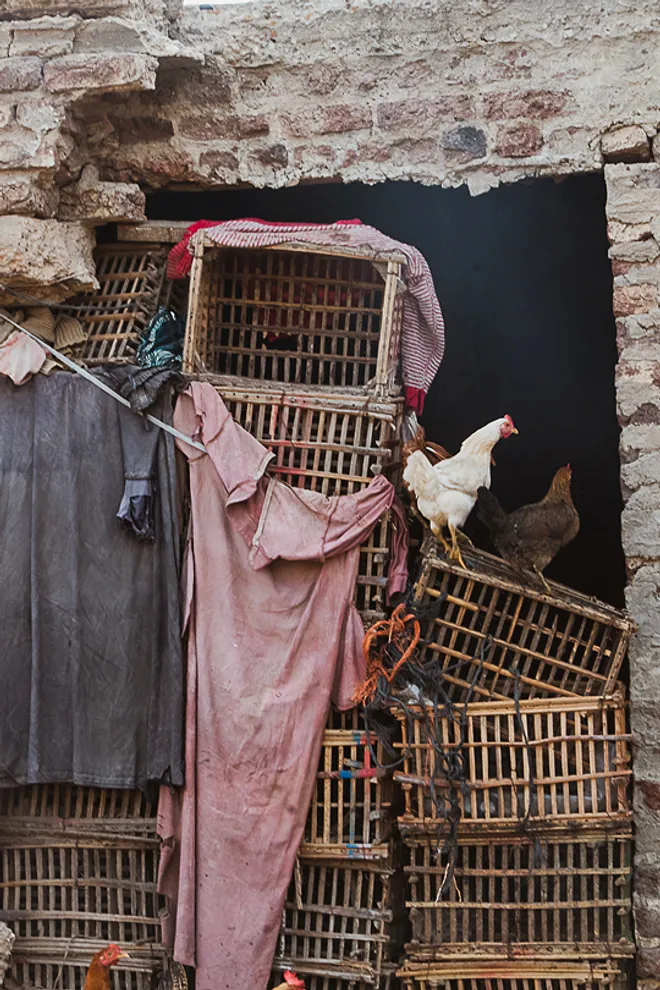
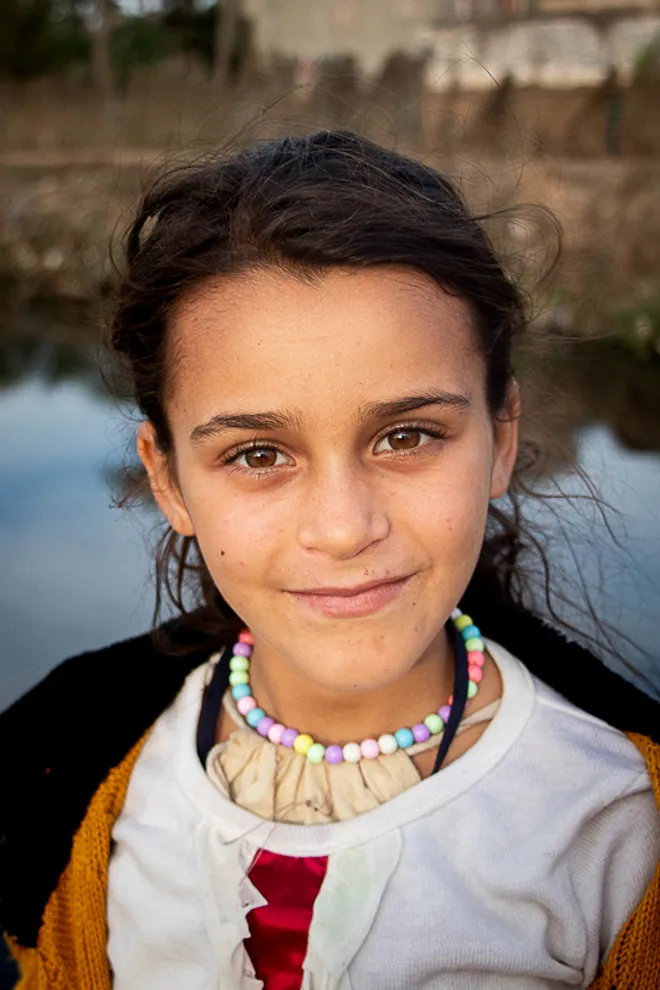
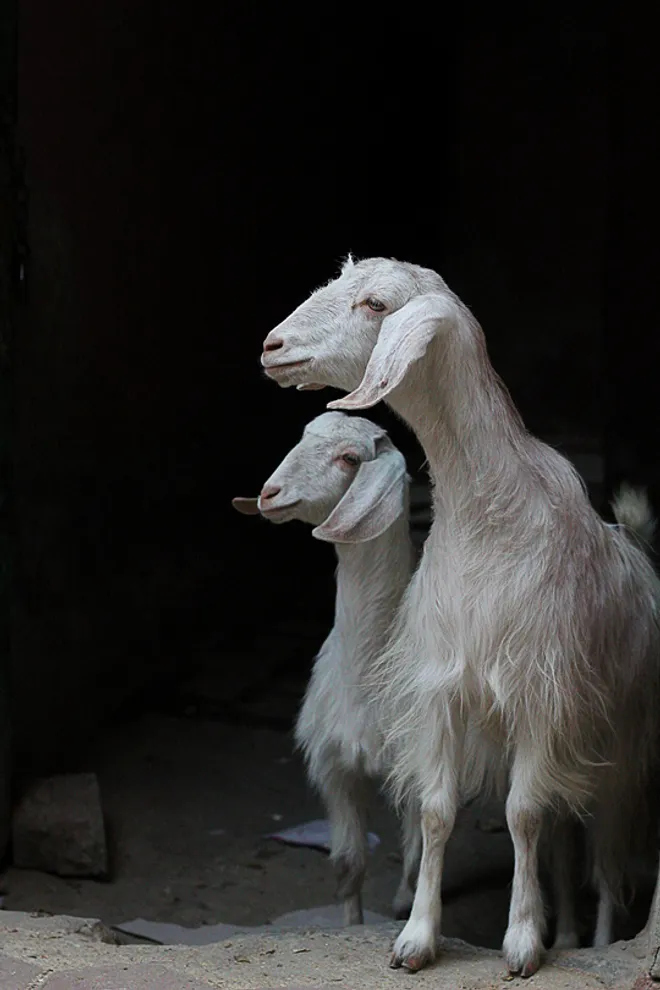
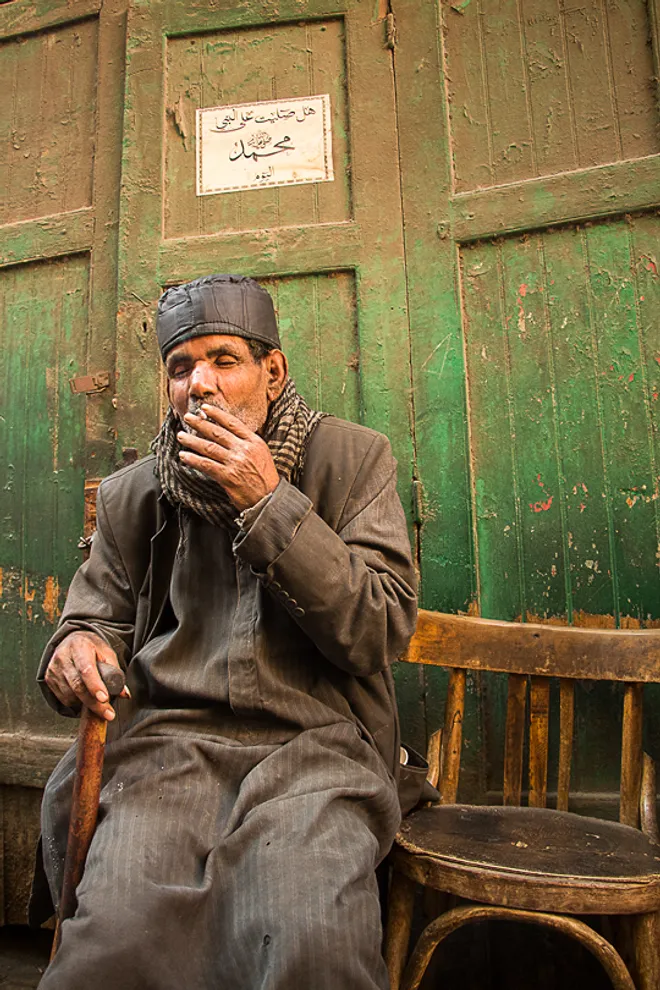
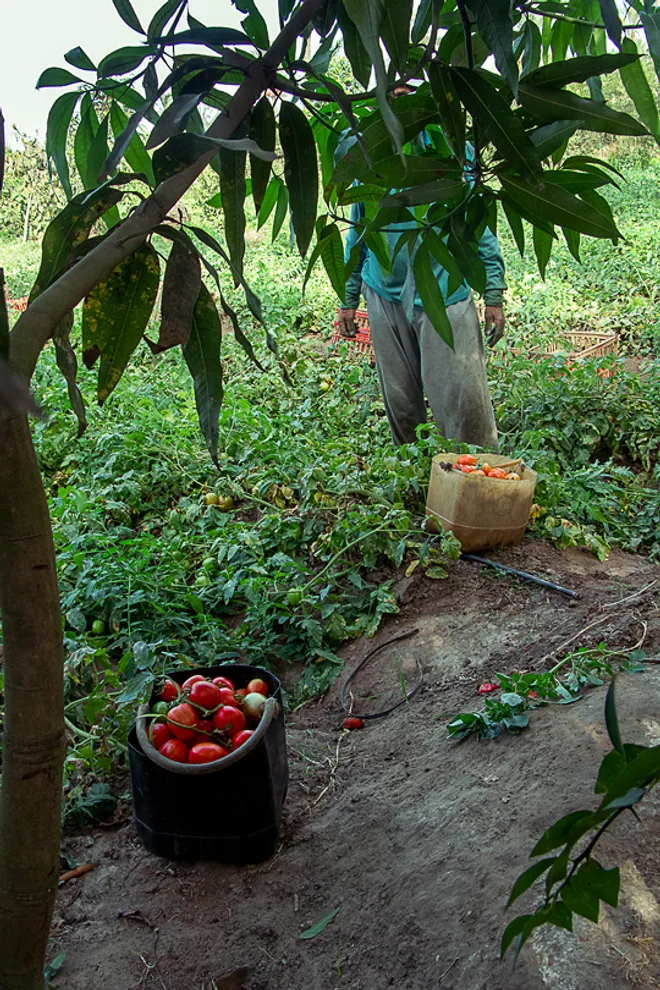
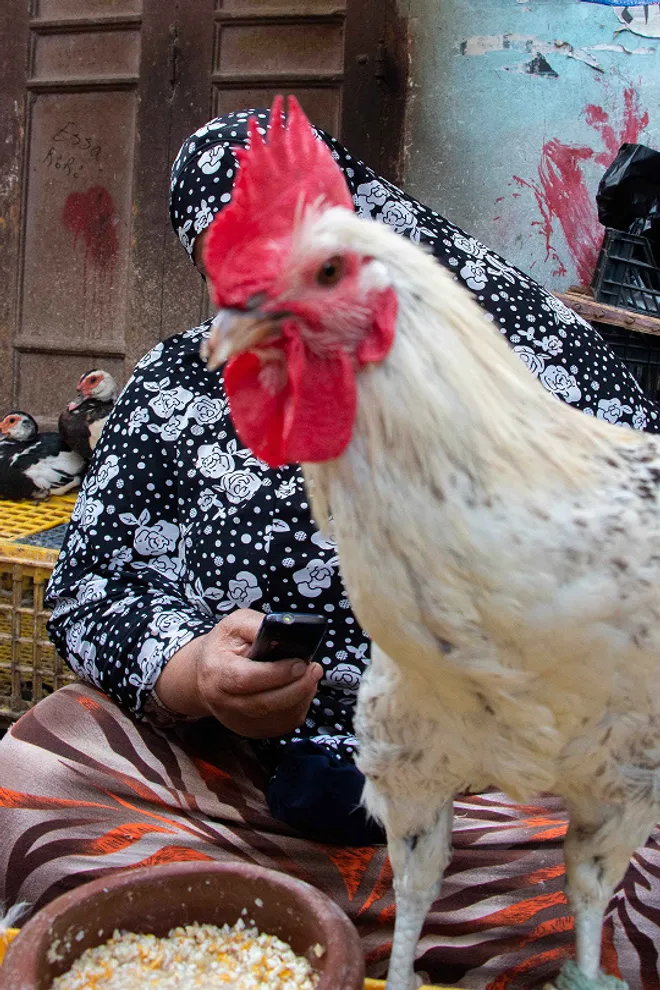
Mariam Ashraf is an Egyptian visual storyteller and documentary photographer from Damietta whose work explores identity, belonging, memory, and the relationships people build with places and one another. After discovering street and documentary photography in 2019, she found a way to observe the world around her while creating a deeper connection with it.

Her practice has developed through long-term photographic projects that give her time to understand people, places, and the stories behind them. She is also interested in bringing sound, archival material, and text into her work, expanding photography into a broader form of storytelling.

In 2022, Ashraf participated in a documentary and photojournalism grant with VII Academy in France. In 2026, she was selected as one of 10 photographers for the ADPP Arab Documentary Photography Program, in partnership with the Prince Claus Fund and Magnum Foundation, with support from the Royal Norwegian Embassy in Lebanon and Syria.

For Ashraf, photography is a way to slow down, observe, understand, and hold on to places, objects, and memories as they change.
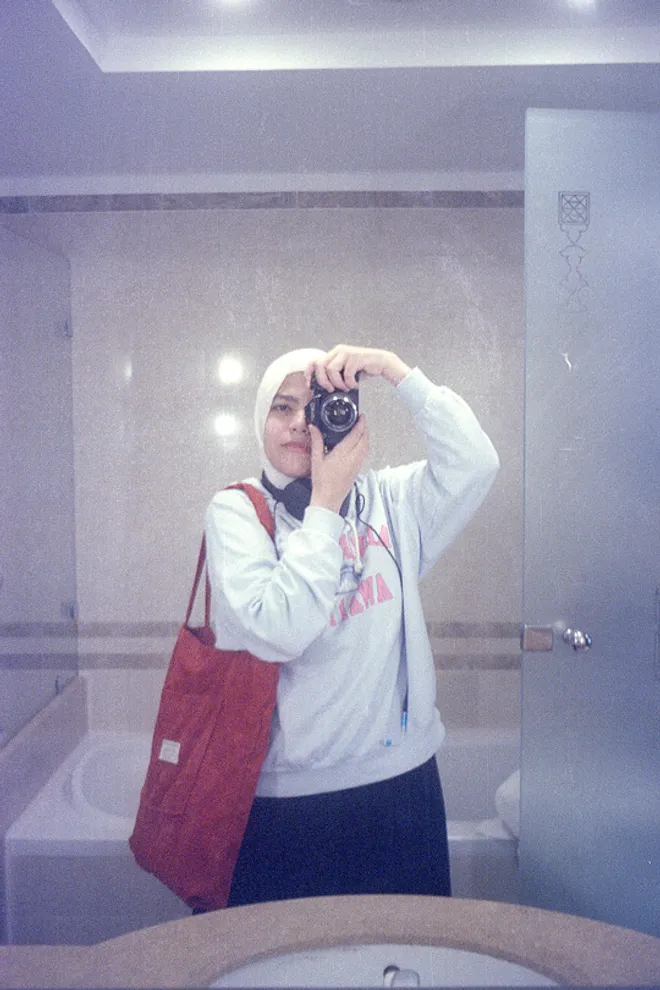
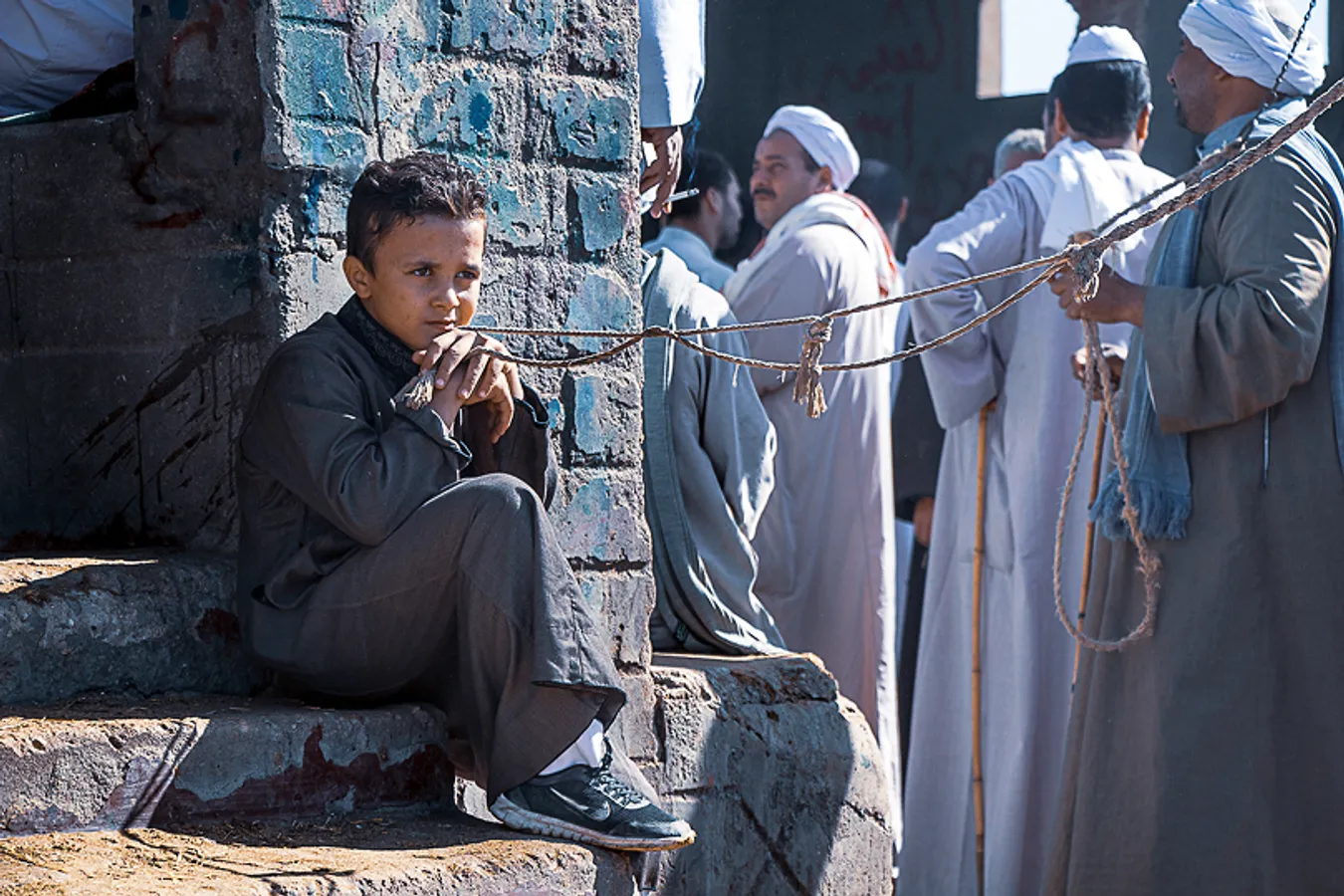
Mariam Ashraf - Egyptian documentary photographer

How did you get started in photography?

I had always loved photography, but I took my first real steps towards it in 2018, after insisting quite a lot that my father buy me a camera. At first, I experimented with different types of photography, trying to find where I belonged, but I did not really connect with any of them.

In 2019, I took a workshop with photographer Ali Zaary that focused on street and documentary photography. From the first time I went out into the street, I fell in love with it. I remember thinking, “This is me. This is what I want to do.”

I had always been a shy person and was afraid of interacting with or talking to people. The outside world often felt overwhelming to me. Documentary and street photography became a bridge that allowed me to connect with the world and express myself through an image, without always having to speak.

Photography also gave me a space to slow down, observe, and understand the world around me. In that sense, photography has always been a kind of therapy for me.

“Photography has helped me get closer to people, even though it has not necessarily made me a very social person. It has given me a way to communicate with people that feels natural to me.”

How would you describe yourself?

I would describe myself as a curious, observant, and rather quiet person. I tend to notice small details that other people might overlook, and I often find myself thinking about the stories behind ordinary things.

I have social anxiety, but when I go into the streets with my camera, it fades away. I usually need some time to feel comfortable around people. I can be shy and quiet at first, but once I feel safe, I become more open and talkative.

Interestingly, photography has helped me get closer to people, even though it has not necessarily made me a very social person. It has given me a way to communicate with people that feels natural to me.

When it comes to photography or art in general, I become extremely curious and eager to learn more. A lot of people have told me that when I talk about photography, my eyes start to shine and my body language becomes completely different. I think this says a lot about how much photography means to me.

Unfortunately, I am also a big procrastinator. I can be extremely passionate and curious about something, while sometimes struggling to start or keep going. I guess this is one of the contradictions in my personality.

“I am interested in what makes us feel that we belong somewhere and how our identities are shaped by the people, places, memories, and experiences around us.”

What are the main themes that inspire your photography?

Identity, belonging, and the relationships people build with places and with each other. I am interested in what makes us feel that we belong somewhere, and how our identities are shaped by the people, places, memories, and experiences around us.

I am also drawn to the connections we form with other people and how these relationships can influence the way we see ourselves and the world around us.

I do not have one specific subject that I always photograph. My interests can change from one project to another, but these ideas of identity, belonging, and human relationships often remain somewhere underneath the work.

Photography, for me, is also a way of connecting with others. Sometimes it allows me to enter a world that I might otherwise be too shy or afraid to approach. Through the camera, I can observe, listen, and communicate without always needing to find the right words.

I hope my images can create a similar connection with the viewer, making them pause, feel something, or recognise a part of their own experience in someone else's story.

“For a long time, I had doubts about myself and my work, so this moment made me stop and think, ‘Maybe I really am on the right path.’

What moment in your career are you most proud of?

I think the moment I feel most proud of in my career is when I received the email from AFAC telling me that I had been accepted into the grant. It was my first time applying, so I honestly did not expect to be selected.

Finding out that I was one of only 10 photographers from across the Arab region, and the only Egyptian, made the moment even more special to me. It was not only about being selected. I felt that the years I had spent photographing, experimenting, learning, and trying to find my own path were finally leading somewhere.

For a long time, I had doubts about myself and my work, so this moment made me stop for a while and think, “Maybe I really am on the right path.”

The programme also gave me the chance to step outside the space I was used to working in and meet other photographers and people with different experiences and ways of thinking. For me, the value of that moment was also in feeling that I was becoming part of a larger community of photographers, and that there was a space for my work and for the way I see the world.

“Some stories cannot be understood through two or three visits. Continuing to return can change the way I see the subject in particular and life in general.”

What is the biggest challenge you've faced as a photographer?

The lack of learning opportunities in the city where I live, along with the limitations I felt because I was living in a relatively small city, especially when I was first starting out in photography.

At first, I was also very impatient. I wanted to finish projects quickly and felt that I had to reach a clear result within a short period of time. With time, I began to understand that documentary photography needs time, and that rushing can make me see only a small part of the story.

Now, I enjoy long-term projects much more. Time gives me the opportunity to understand the people and the story I am trying to tell on a deeper level, to listen more, observe more, and reflect more on the image and what lies behind it.

I have learned that some stories cannot be understood through two or three visits, and that continuing to return can change the way I see the subject in particular and life in general.

Patience has become part of the photographic process itself, as well as part of the way I learn and understand the world around me.

What type of photography do you specialise in?

I mainly work with documentary and street photography. I chose this field because I was drawn to the possibility of observing real life as it unfolds and allowing stories to develop naturally.

When I first started, I was mainly focused on the individual image, finding a strong moment, a good composition, or an interesting scene. Over time, my approach became more patient and more focused on the relationship between images.

I became interested in how a series of photographs can build a story, and how sound, archival material, text, and other elements can sometimes add another layer to the work.

I think my style is still evolving, and I do not want to define it too strictly. What has changed most is the way I approach a story. I am increasingly interested in understanding how each image contributes to the larger story I am trying to tell.

“I am interested in experimenting and finding different ways for photography to tell a story beyond the single image. Sound and archival materials have also become part of the way I approach my work.”

What is your primary commercial niche?

I do not have a primary commercial niche yet, as my work so far has mainly focused on documentary and personal photography projects. I am interested in exploring editorial and commissioned work that aligns with my documentary approach and way of visual storytelling.

What is your unique technical or visual approach?

I would describe my approach as mainly observational. I like to slow down, spend time with a place or a subject, and pay attention to small details that we might come across every day without noticing how beautiful or meaningful they can be.

I am still developing my visual language, as I have only worked on a few long-term projects so far. Recently, I have also started exploring how sound and archival materials can become part of my practice.

This developed naturally while working on my project Made of Wood, where I began using sound and archival material alongside photography to explore the story in a different way.

I do not think I have a fixed technical style yet. I am interested in experimenting and finding different ways for photography to tell a story beyond the single image.

Which global brands, photographers, or industries do you feel your work aligns with most?

My work aligns most with documentary and editorial platforms that value long-term visual storytelling, personal perspectives, and stories rooted in everyday life and culture.

I feel particularly drawn to organisations and platforms such as Magnum Foundation and National Geographic, especially for their commitment to documentary storytelling and their interest in people, places, culture, and different ways of understanding the world.

I would also be interested in working with cultural institutions, editorial publications, and organisations that focus on culture, heritage, and social stories.

How is the photography and art space in Egypt?

I think the photography and art scene in Egypt has become more diverse in recent years, with growing interest in documentary photography and contemporary art, as well as more initiatives and spaces that give artists opportunities to show their work and connect with each other.

At the same time, I feel that there are still relatively few institutions and organisations that provide consistent support for artists, especially through grants, artist residencies, and programmes that give artists the time and space to develop their work and experiment.

For photographers working on long-term projects, these opportunities can be especially important. They can provide time, space, mentorship, and a community that helps artists develop their practice. I think this is an area where there is still a lot of room for growth in Egypt.

What is one professional standard you never compromise on?

Respecting the people I photograph. I would never pay someone to pose for a photograph, accept money in exchange for photographing them, or photograph someone against their will or when they are clearly uncomfortable.

I also try to be very careful about photographing someone in a sensitive situation or in a way that could negatively affect how they are perceived by others.

Documentary photography comes with a responsibility towards the people whose stories I am documenting. A powerful image is never worth compromising someone's dignity, privacy, or trust.

Authenticity is also part of that responsibility. I want the people I photograph to be represented as they truly are, rather than shaped into a version that serves the image or the story I want to tell.

What do you think of the 54Ruum platform?

I am really happy to see a platform like 54Ruum that supports and puts a spotlight on photographers and artists across Africa.

I think it is important to have a space that brings together different African visual narratives and gives photographers and artists the opportunity to share their work with a wider audience.

I also really appreciate the fact that the platform creates a space for photographers to discover each other, connect, and learn from different perspectives and experiences across the continent.

Credits

Text

KMÒ

Photography

Mariam Ashraf

Curation

guvnor

SHARE THIS STORY

Join Our Community

More Stories

Abdoulaye Gueye : photographe documentaire sénégalais, un regard qui capture Dakar entre nostalgie et mémoire
Ayomide Okanlawon: Nigerian visual artist & photographer shaping visual stories through colour, culture, and contrast
Kwadwo Abrokwa: Documenting Ghanaian culture through portraiture, music, and creative life
Frehiwet Abebe: Ethiopian photographer capturing faith, emotion, and everyday life through candid images
Norkor Nortey: Ghanaian documentary photographer portraying African women through movement, colour, and quiet observation
Kimberly Isibusiso Mduli: South African multidisciplinary artist turning photography into acts of care, memory, and devotion
Ahmad Alaa: Egyptian filmmaker and photographer preserving fleeting moments through photography and film
Oghenetega Ojovbo: Nigerian photographer finding beauty in scars through emotional black-and-white storytelling
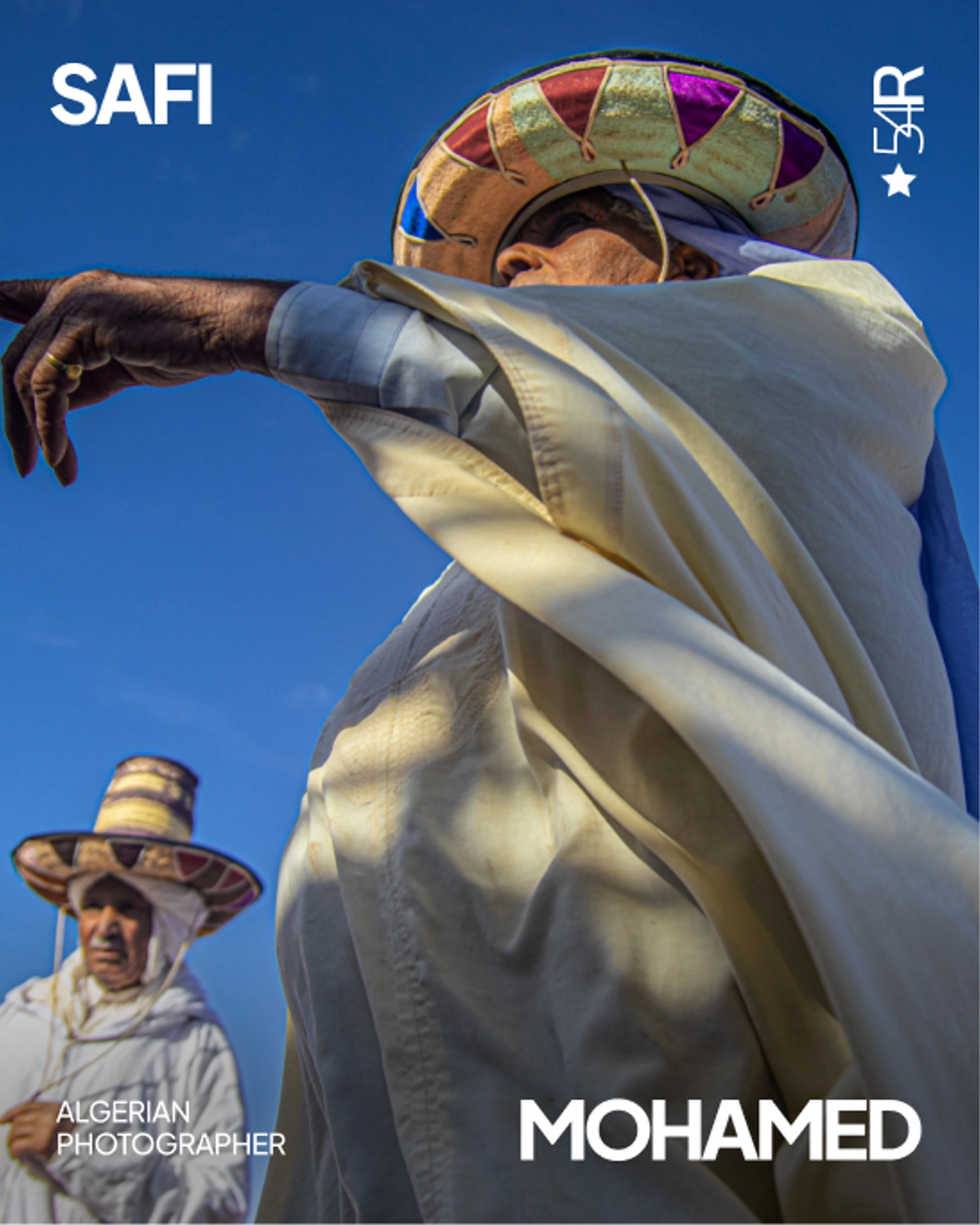
Safi Mohamed: Algerian documentary photographer exploring everyday life, vulnerability, and human connection
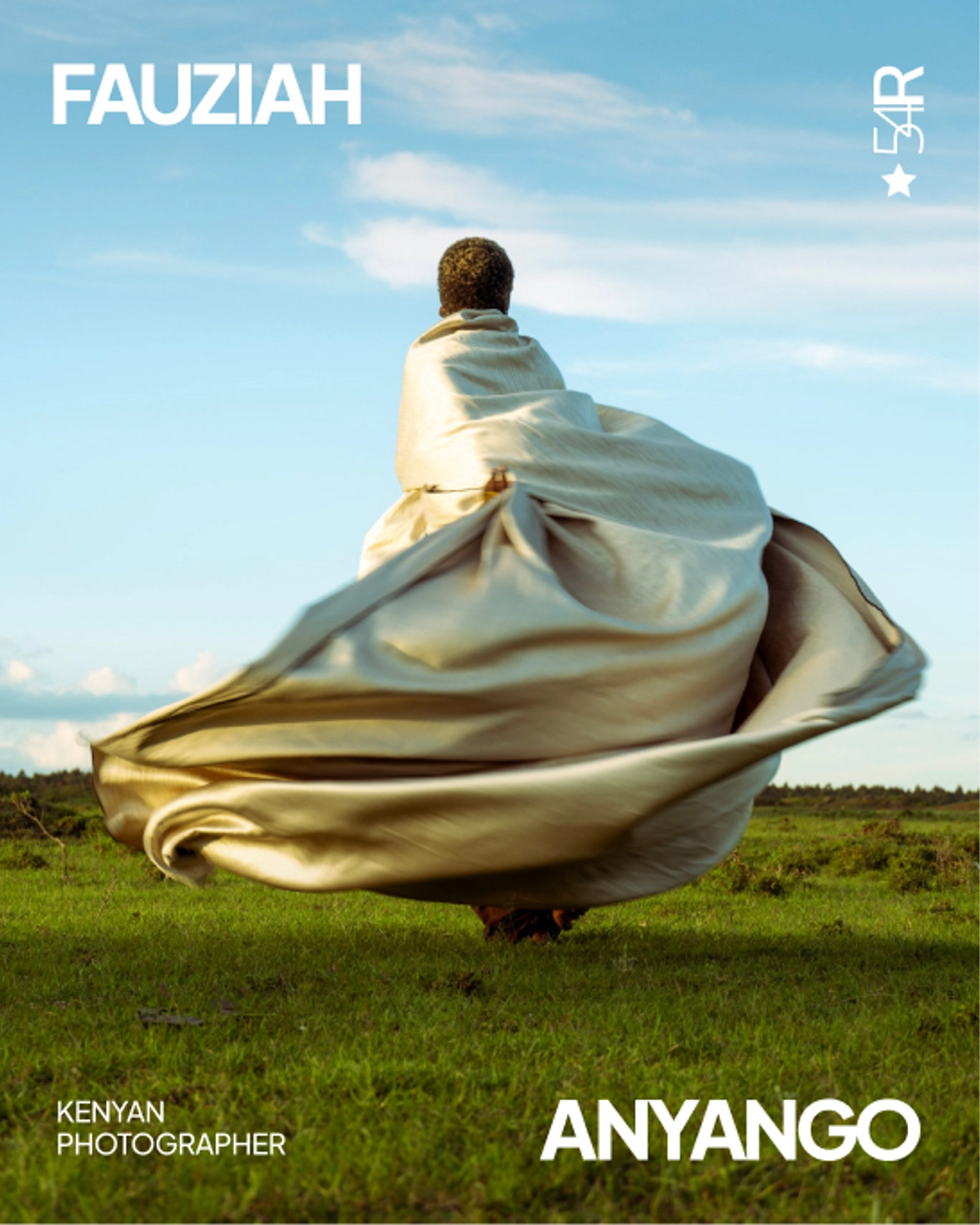
Fauziah Anyango: Kenyan conceptual photographer exploring identity, culture, and emotional tension
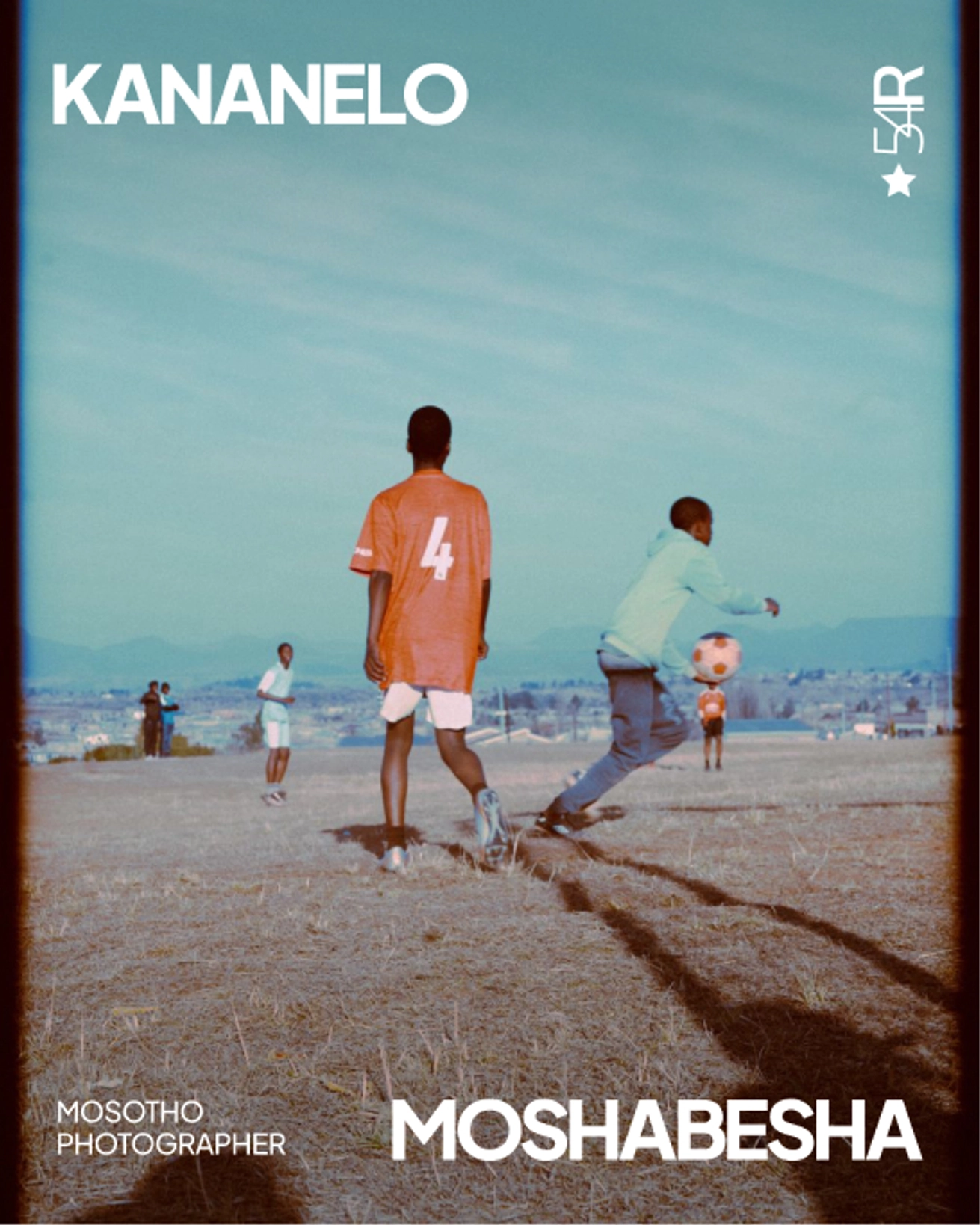
Kananelo Moshabesha: Mosotho documentary photographer capturing culture, human connection, and authentic moments
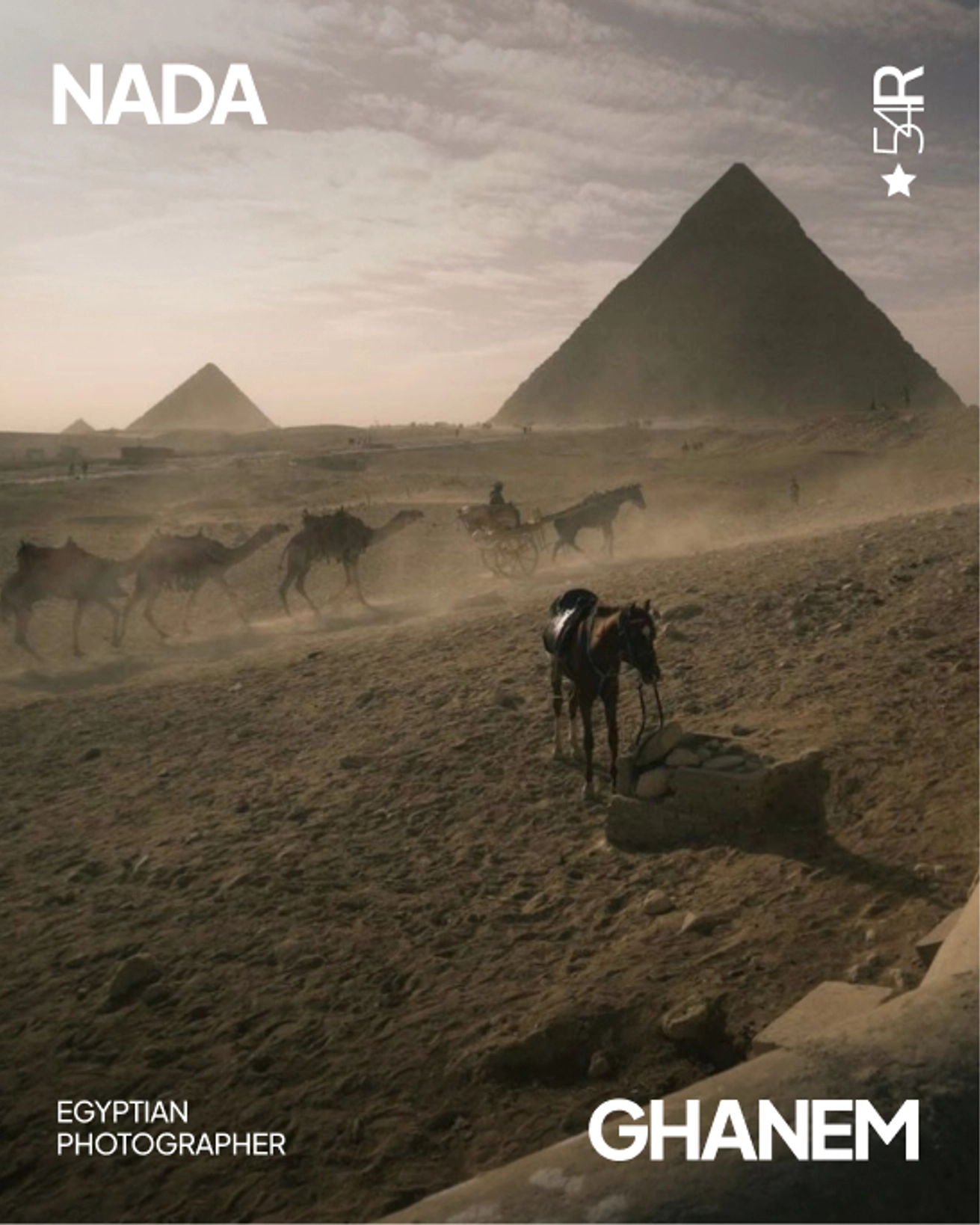
Nada Ghanem: Egyptian documentary photographer capturing everyday life, emotion, and authentic moments on the streets of Egypt
Nesrine Kaddour: Algerian street photographer exploring Algiers through memory, identity, and cultural history
Ayanda Kanise: South African documentary photographer exploring memory, identity, and culture
Bouchra Ayad: Algerian documentary photographer preserving emotion through quiet observation

Explore more content

Company

The Ruum Africa

Products

RTM

© 2026 The Ruum Africa

Built by