Nesrine Kaddour: Algerian street photographer exploring Algiers through memory, identity, and cultural history

14 mins read
Published12 Aug, 2026

“Everything is photographable: the buildings, the façades, the doors, the neighborhoods, the people, the cars. Literally every detail feels unique.”

Nesrine Kaddour is an Algerian street photographer and ecology and environmental engineer whose work explores photography, memory, identity, and the ways places are represented.

After beginning to photograph the streets of Algiers, she became increasingly interested in how images shape our understanding of cities and cultures. Her work focuses on everyday life, architecture, fleeting encounters and overlooked details that reveal layers of Algiers' history.

Nesrine's practice spans photographic series, visual essays, educational initiatives, and independent publications, including Algiers in a Nutshell, Zoralium, The Illustrated Guide to Algiers and Beyond Naqd. Through her artistic and community-based work, she encourages more thoughtful ways of seeing and representing Algeria.

Nesrine Kaddour - Algerian street photographer

How did you get started in photography?

My interest in photography started when I was 13 or 14 years old. I discovered my passion in the Algerian countryside, where I took my very first photograph with a Nokia Asha 305. It was a wide shot of the surrounding landscape and biodiversity.

I do not remember exactly why I felt the urge to capture that particular moment. Maybe it was the effect of being on vacation, when you feel the need to freeze fleeting moments before they are gone. Maybe I wanted to preserve the feeling those images evoked.

For quite a few years afterwards, I did not develop my photography skills or imagine that I would become genuinely interested in the medium. That changed during my first year at La Fac Centrale in downtown Algiers. Little by little, I became fascinated by the architecture and art surrounding me.

Algiers is an open-air museum. I would even go as far as to describe it as a muse in its own right. Everything is photographable: the buildings, façades, doors, neighbourhoods, people and cars. Every detail feels unique.

Instagram also reinforced my desire to photograph everything and make it aesthetic. At the same time, it pushed me to practise by taking hundreds of photographs a day. Gradually, I found my vocation and developed my own personal style.

How would you describe yourself?

One of the hardest questions I always try to avoid is describing myself. I enjoy letting people discover me instead of spilling the tea from the start.

Over the years, I have realised that I am a very curious person. I genuinely enjoy spending time reading papers and articles and trying to answer the questions that cross my mind every day.

I also love conversing, meeting strangers, and discussing deep topics. I enjoy building genuine connections that can last for a long time, regardless of a person's background or where they are from.

I am interested in the quality of the discussion and the brainstorming that unfolds. It allows me to dive into someone's universe, go deeper into their stories, and appreciate those moments before they are gone.

“I am interested in the quality of the discussion and the brainstorming that unfolds.”

What are the main themes that inspire your photography?

The main subject of my photography is Algiers. I mostly photograph the streets, especially popular neighbourhoods such as the Casbah, because I find them incredibly rich in stories, details, and history.

I am also drawn to doors, streets, old objects, abandoned places, ruins, buildings, façades, and architecture in general. One of the things that fascinates me most about Algiers is its architecture.

The city is incredibly eclectic, from traditional architecture to French colonial buildings and the modern architectural styles that developed after independence. Every neighbourhood seems to reveal a different layer of the city's history, and I enjoy exploring these traces through photography.

I am also interested in sociology and the ways people express themselves in public spaces. Graffiti, wall writings, and other everyday expressions tell stories about identity, culture, politics, and society.

More recently, I have become increasingly interested in questions related to identity, history and decolonial perspectives. I am interested in questioning how my city is represented and reflecting on that process. I want my work to encourage people to ask more questions.

Lately, I have also started writing essays and articles about photography, identity, sociology, the Mediterranean, and colonial history. I like using my photographs alongside these texts because I see them as complementary. Images can open conversations just as much as words can.

Ultimately, my goal, whether through Instagram or future projects beyond social media, is to create a space where people can reflect, discuss, and exchange ideas respectfully. If my work succeeds in making someone question something they had never thought about before, then I feel that it has fulfilled its purpose.

“If my work succeeds in making someone question something they had never thought about before, then I feel that it has fulfilled its purpose.”

What moment in your career are you most proud of?

To be honest, the first thing that came to my mind when I read this question was my collaboration with my Italian friend, Gaia Puzzolu.

Before that, I had already published my own digital guidebook, Algiers in a Nutshell, where I present the city through its history, culture, music and a selection of places that I personally enjoy, including museums, art galleries and cafés. It was the first project I developed entirely on my own, so it will always have a special place in my journey.

Collaborating with Gaia made me feel like I was expanding that project, making it more tangible and reaching a completely new audience. What makes it even more meaningful is that our collaboration happens in Italian.

I started learning the language simply because I enjoyed it, without imagining that one day it would open the door to real collaborations and creative opportunities. Looking back, I am proud that I was able to learn the language in such a short time and use it in a way I never expected.

More broadly, I am proud of creating a space through Nesartistic that has allowed me to meet incredible people. Some have become close friends, while others have become collaborators and professional partners. Gaia is one of those people, and our collaboration reminds me that sharing your work can lead to genuine human connections.

I am equally proud of creating Zoralium. For me, it represents the extension of Nesartistic beyond the digital world. Through Zoralium, I have been able to organise photography walks, workshops and cultural activities, meeting people from different backgrounds and sharing meaningful conversations around photography, culture and Algiers.

Those encounters have become just as valuable to me as the photographs themselves.

What is the biggest challenge you have faced as a photographer?

I hesitated when answering this question because I have never really worked as a photographer in the commercial sense. My relationship with photography has always been personal and artistic.

I think the biggest challenge for me has been finding a space where I could express my ideas, meet other photographers, learn from their experiences, and continue developing my own practice.

Sometimes it felt like I was navigating this journey on my own, trying to improve my skills while also figuring out what kind of photographer I wanted to become. Over time, I realised that what interests me most is the artistic side of photography.

I am interested in exploring photography as a way of thinking, questioning, and expressing ideas. That understanding has helped me develop a practice that feels increasingly connected to research, writing and cultural reflection.

“Today, I find myself reflecting much more on the image itself. I think this has been the biggest evolution in my practice: moving from simply producing photographs to questioning photography itself.”

What type of photography do you specialise in?

I mainly specialise in street and documentary photography. For me, photography has become a research tool, a documentary tool and a way of expressing ideas.

Through my work, I document my city, my surroundings and the everyday details that often go unnoticed. Photography allows me to explore questions related to history, identity, culture and the way we represent places.

I also use my images alongside essays and articles because I see photography and writing as two complementary ways of reflecting on the same subjects.

Over time, my practice has evolved significantly. At the beginning, I was mainly interested in creating images and developing my technical skills. Today, I reflect much more on the image itself: how it is produced, how it shapes our perception of a place, and how photography can influence the way we remember, understand, or imagine a city.

This has been the biggest evolution in my practice. I have moved from producing photographs to questioning photography itself. That shift has encouraged me to approach photography as an artistic medium, a way of researching and documenting, and a means of creating conversations.

What is your primary commercial niche?

I mainly specialise in street and documentary photography, with a particular focus on cities, cultural heritage, and visual storytelling.

What is your unique technical or visual approach?

My approach is mainly observational and candid. I do not direct scenes or ask people to pose. I prefer to let everyday life unfold naturally and photograph moments as they happen.

I also like to combine photography with writing. My photographs often accompany essays or articles where I can further explore the ideas behind the images.

I think this combination creates a deeper reflection. The photographs invite people to observe, while the writing encourages them to question and discuss what they see.

“The photographs invite people to observe, while the writing encourages them to question and discuss what they see.”

Which global brands, photographers, or industries do you feel your work aligns with most?

My work aligns most naturally with museums, cultural institutions, independent publishers, documentary media, editorial publications, universities, NGOs working on heritage and identity, and tourism organisations that value cultural storytelling.

How is the photography and art space in Algeria? How has it evolved in recent years?

I think the photography and art scene in Algeria has definitely evolved over the past few years. More art galleries, cultural spaces, and independent initiatives have emerged, especially in Algiers, where I live, as well as in other parts of the country.

It is encouraging to see more exhibitions, workshops, and artistic activities taking place compared to the past. That said, these opportunities remain limited. They are often concentrated in a few cities and are not always accessible to everyone.

There is still a geographical barrier, and in some cases, art spaces reach a limited audience. Even so, I believe the scene is growing, and it is exciting to see more people contributing to its development.

What is one professional standard you never compromise on?

As a street photographer, one thing I never compromise on is respecting people's privacy, dignity, and consent.

Since I photograph in public spaces, people naturally become part of the images. Because of that, I always think carefully about how they are represented and whether sharing a particular photograph could affect their privacy or intimacy.

Whether it is on social media, in an exhibition, or in a publication, I believe photographers have a responsibility towards the people they photograph. Making a strong image should always respect someone's dignity.

I think respect always comes before the photograph.

What do you think of the 54Ruum platform?

After exploring the platform, I found it very interesting. I really appreciate the fact that it highlights photographers and artists from across Africa while giving space to their stories, perspectives, and creative journeys alongside their photographs.

I think we need more platforms like this that celebrate African artists and create opportunities for them to share their work with a wider audience.

I also found the website very appealing and well-designed. I enjoyed reading the different features because they focus on the people behind the images as much as the images themselves.

Credits

Photography

Nesrine Kaddour

Text

Moyin Adediran

Curation

guvnor

SHARE THIS STORY

Join Our Community

More Stories

Fauziah Anyango: Kenyan conceptual photographer exploring identity, culture, and emotional tension
Kananelo Moshabesha: Mosotho documentary photographer capturing culture, human connection, and authentic moments
Nada Ghanem: Egyptian documentary photographer capturing everyday life, emotion, and authentic moments on the streets of Egypt
Ayanda Kanise: South African documentary photographer exploring memory, identity, and culture
Bouchra Ayad: Algerian documentary photographer preserving emotion through quiet observation
Omolemo-Aobakwe Kgope: South African documentary and fine art photographer exploring land, memory, and social justice
Ahmed Elkhatib: Egyptian film critic, filmmaker and photographer exploring cinema, analogue photography and everyday life
Joan Baptista Ndenzako: Burundian reportage and documentary photographer capturing memory, identity, and the human condition
Islam Traikia: Algerian wildlife photographer documenting nature through patience, observation, and authentic visual storytelling
Mohammed Nahi: Algerian street and documentary photographer exploring memory, belief and everyday life
Tonia-Marie Parker: Ghanaian fashion and documentary photographer exploring identity, memory, and African womanhood
Iddah Akinyi: Kenyan documentary photographer using visual storytelling to amplify communities, identity, and social change
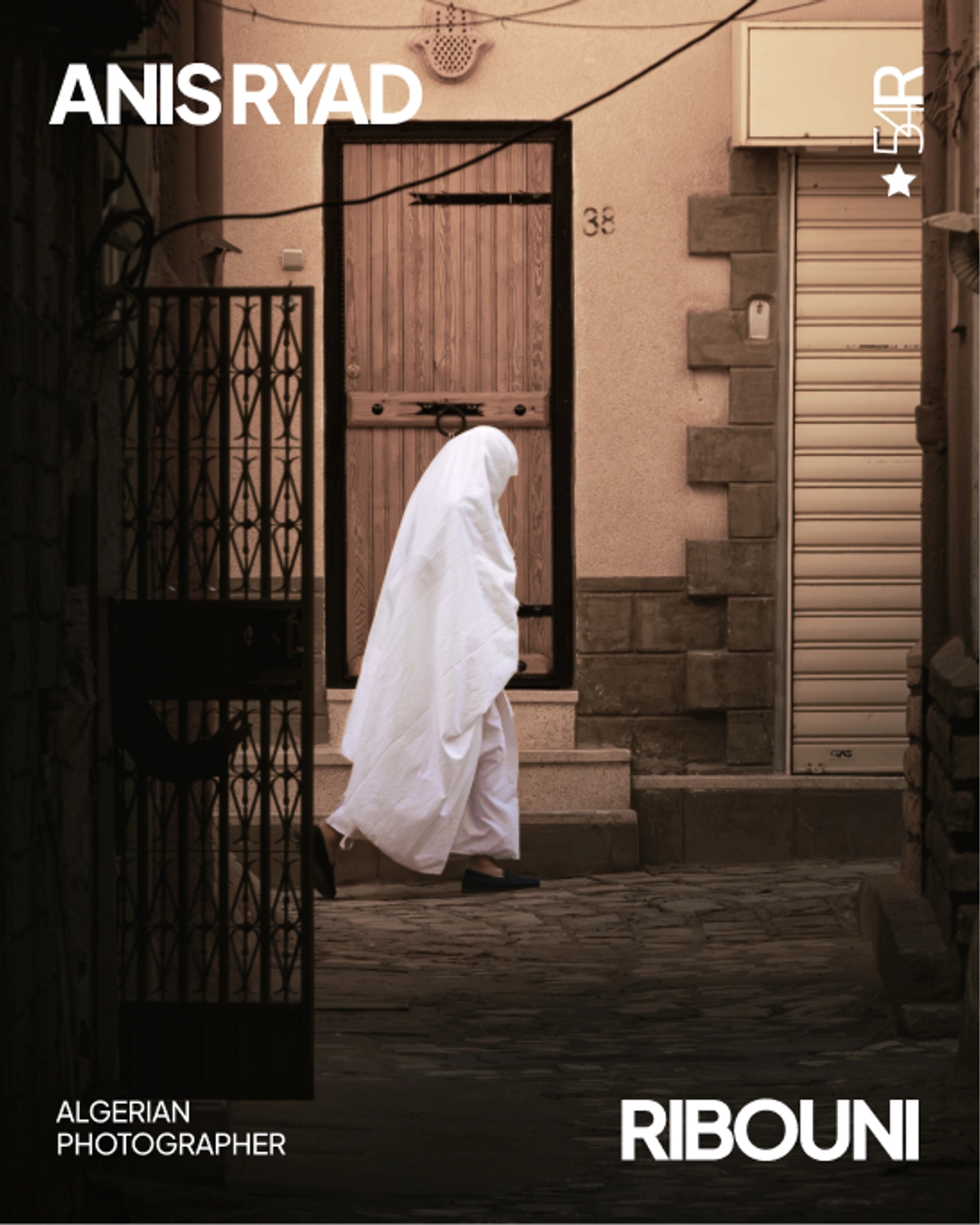
Anis Ryad Ribouni: Algerian documentary and street photographer exploring architecture, memory, and everyday life
Bonolo Tlholoe: South African documentary and editorial photographer exploring identity, family lineage and everyday life
Azeezah Oyeleke Ibrahim: Nigerian fashion and lifestyle photographer exploring heritage through cinematic, nostalgic imagery

Explore more content

Company

The Ruum Africa

Products

RTM
Cookie Policy

© 2026 The Ruum Africa

Built by