Ala Kheir: Sudanese documentary photographer and educator tracing memory, displacement, and the dignity of everyday life

9 mins read
Published8 Sep, 2026

"My father is an academic, and for many years, he saw the time I spent with my camera as time wasted, or as something that distracted me from a more conventional career."

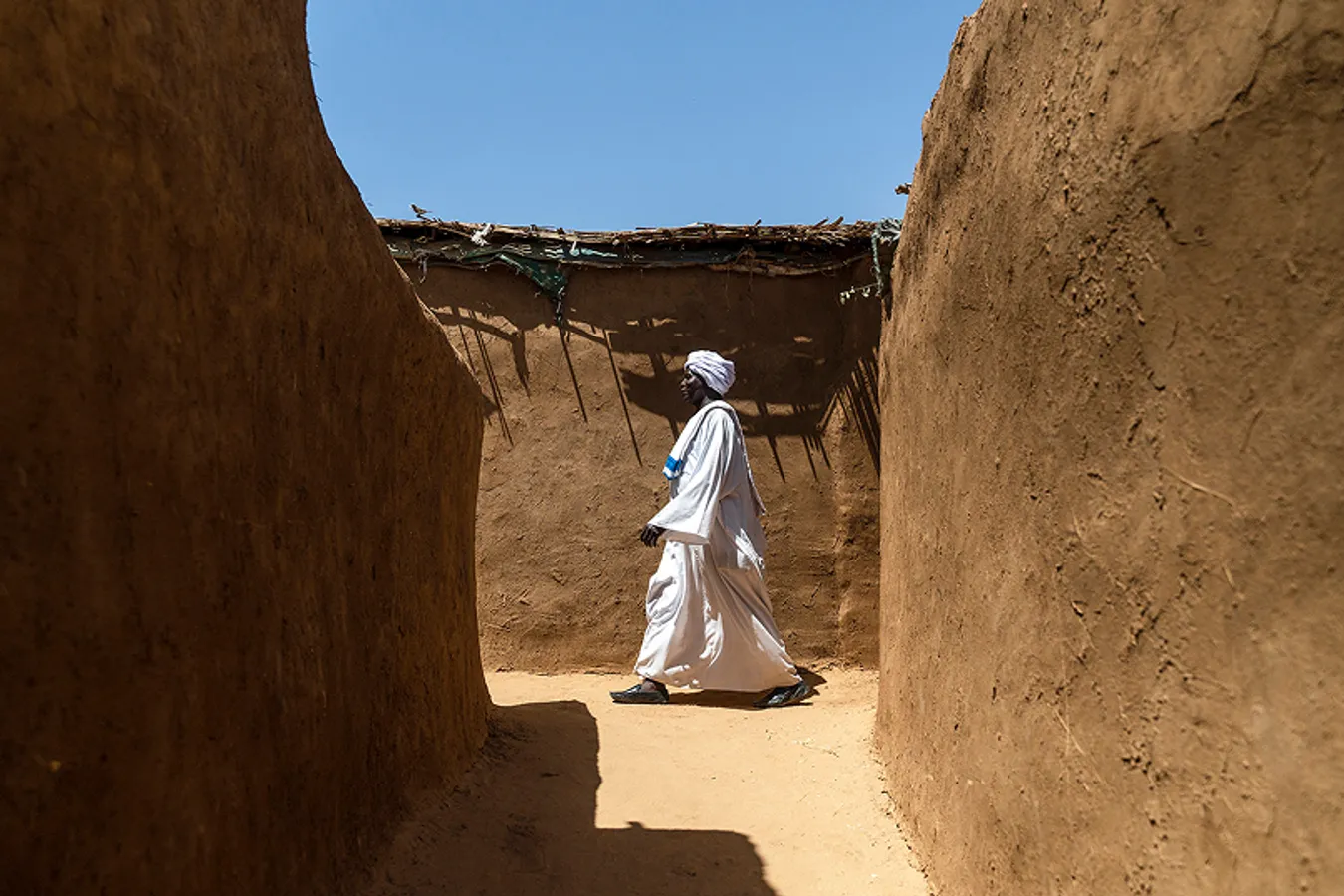
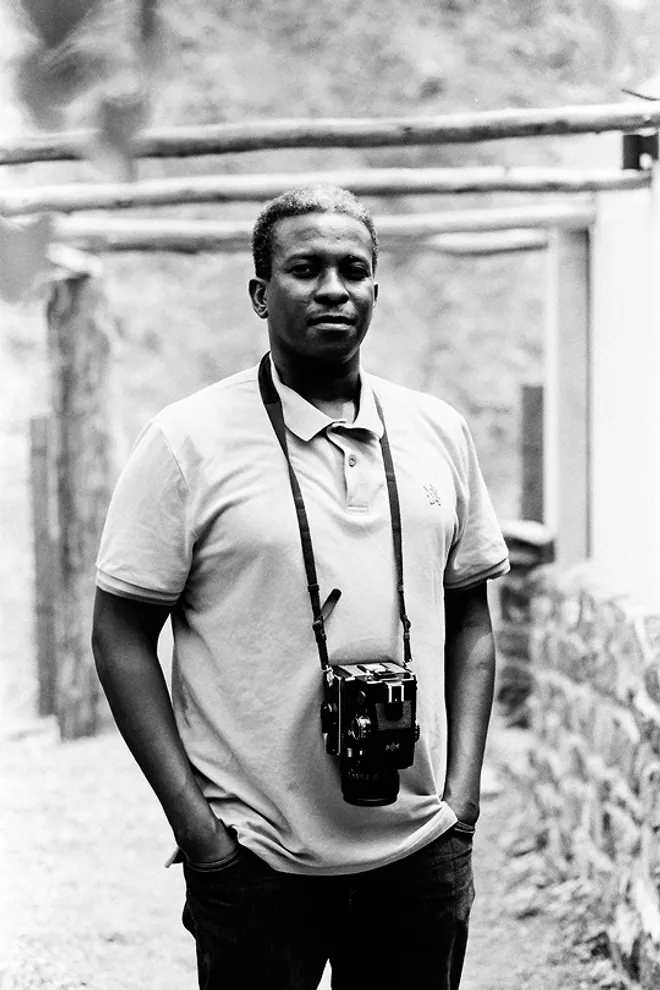
Ala Kheir is a Sudanese photographer, curator, educator, and filmmaker based in Sudan. He co-founded the Sudanese Photographers Group and has developed a practice rooted in memory, identity, place, and everyday encounters.

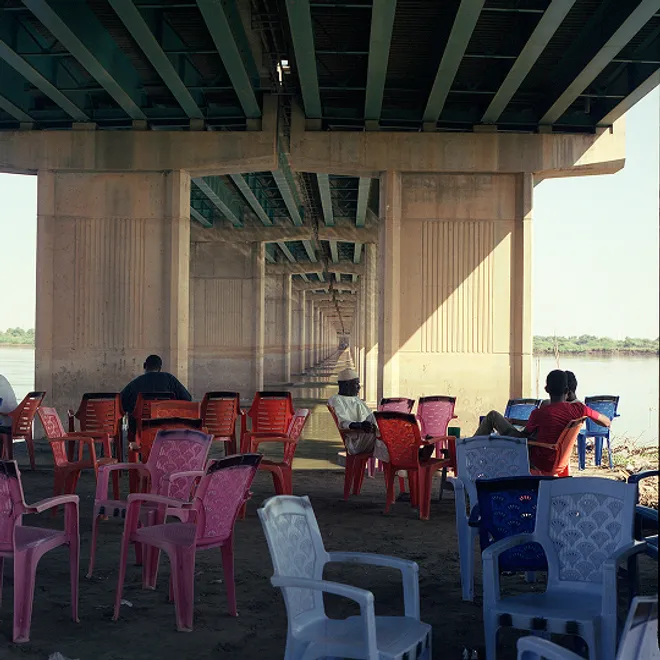
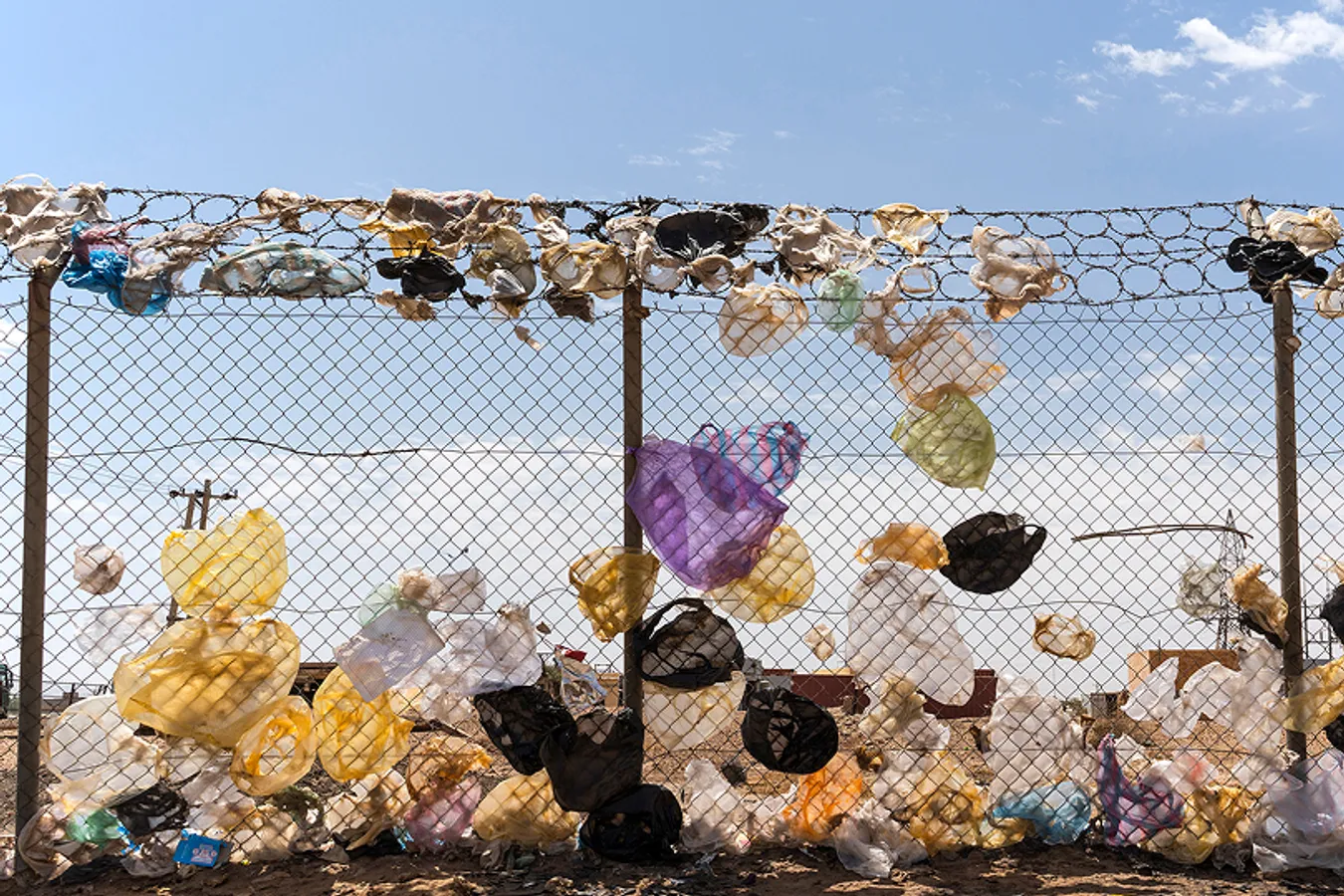
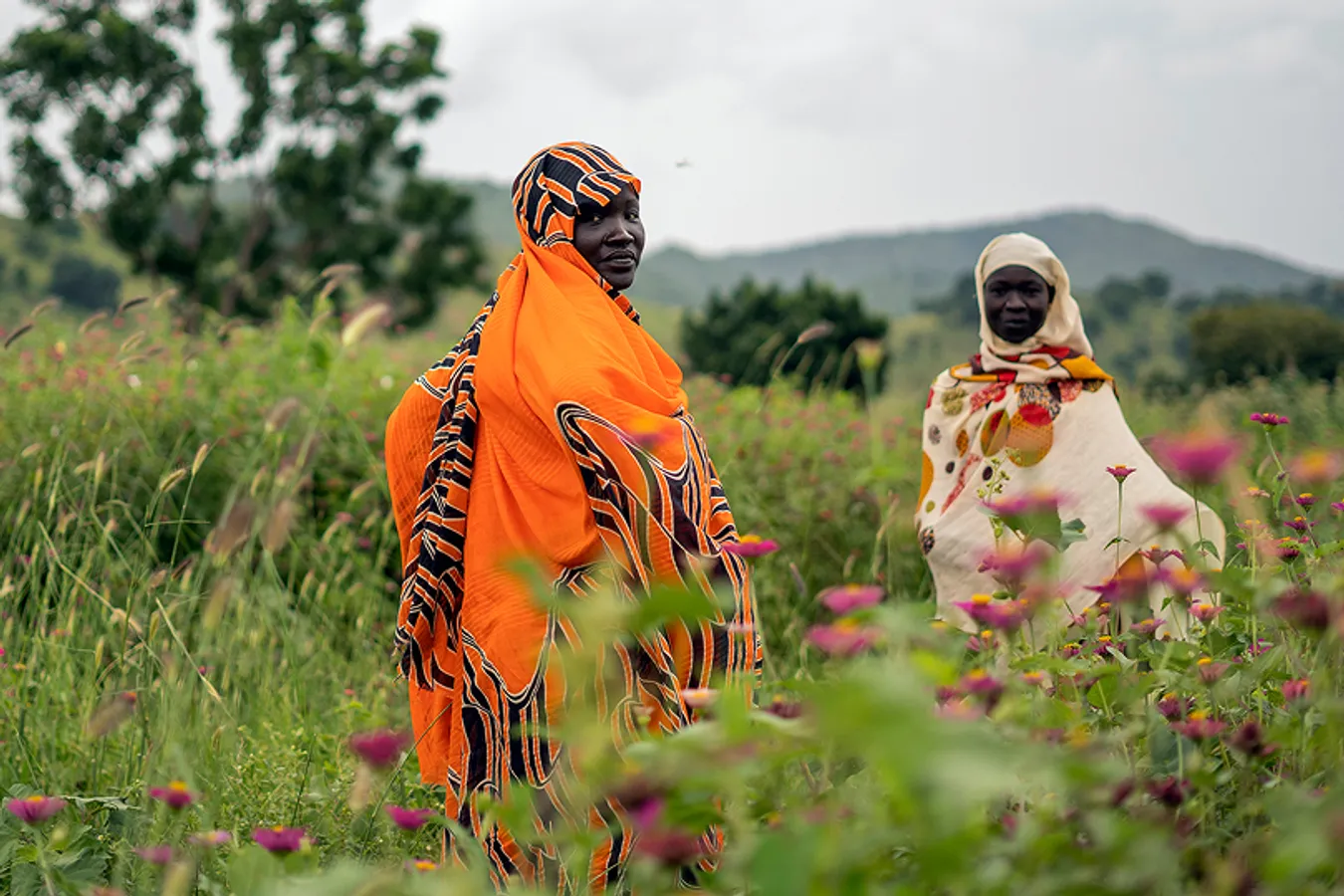
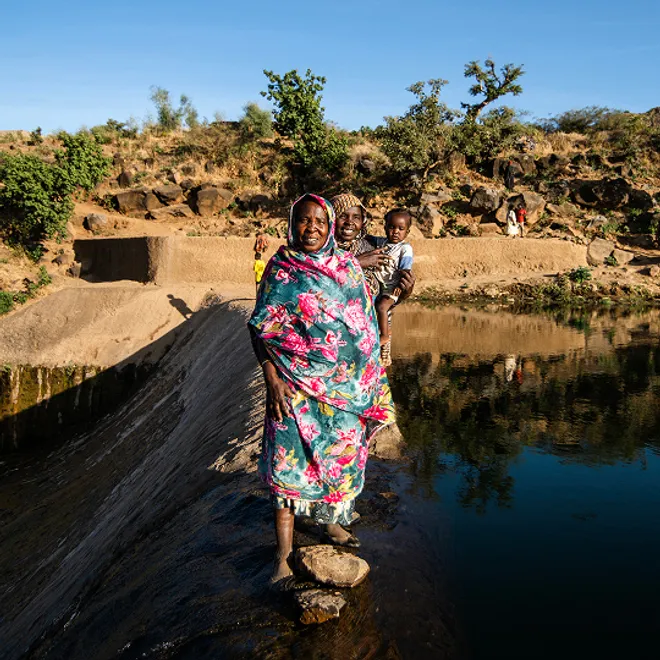
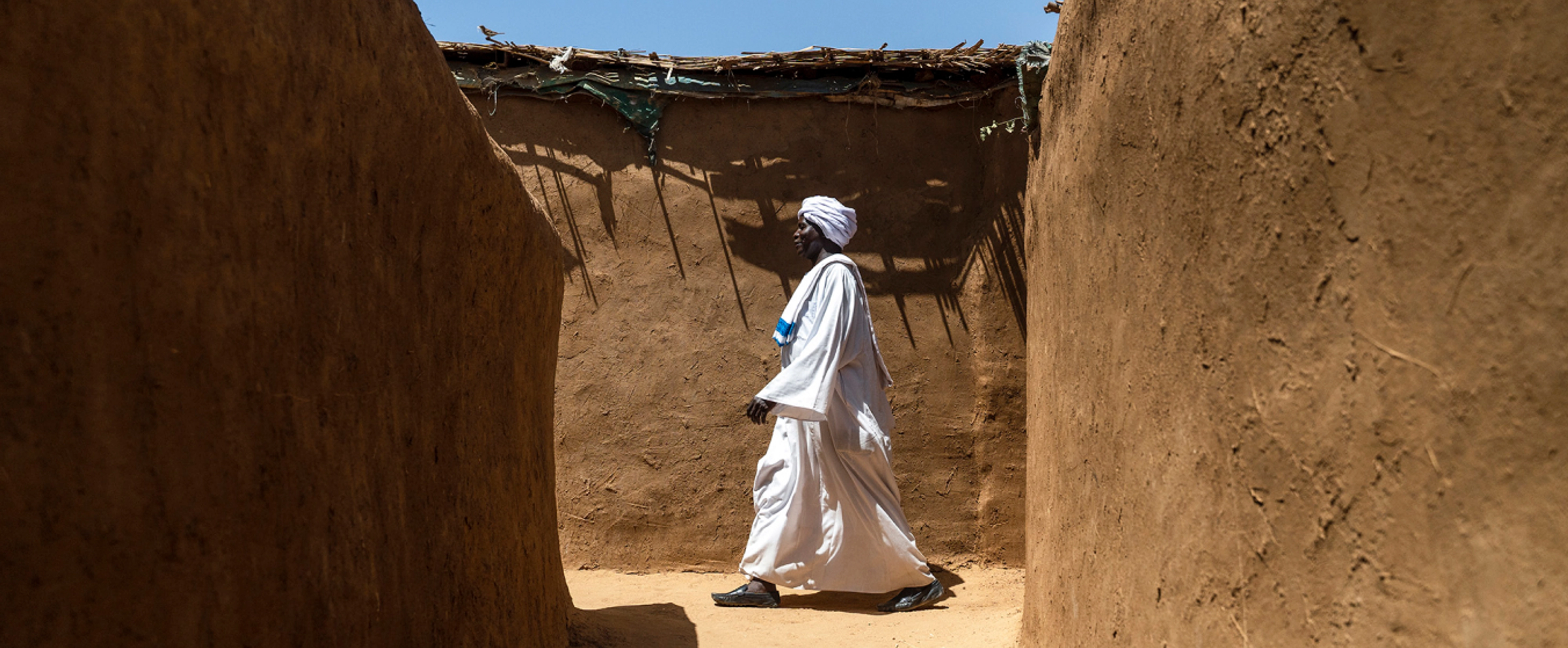
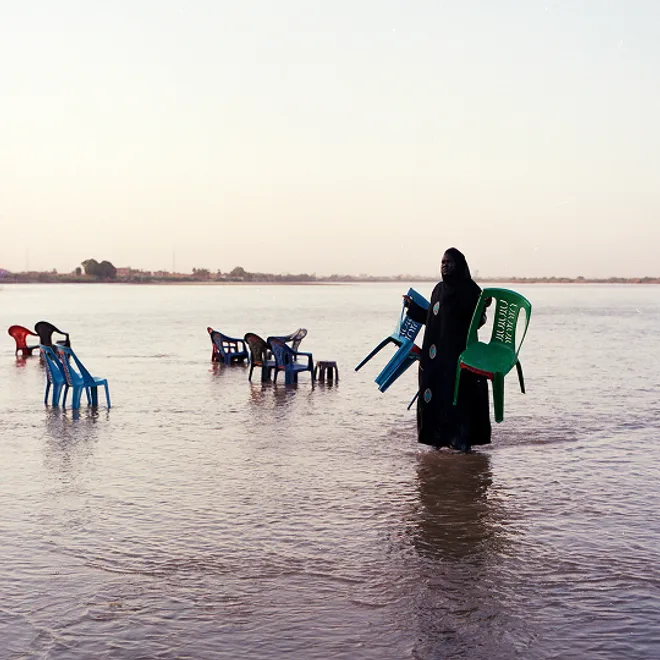
Through photography, Kheir engages with Khartoum and his hometown of Nyala, in South Darfur, creating personal perspectives and narratives about his immediate surroundings. His work has been exhibited and screened internationally, including at the African Art Fair Paris, the Aspire art auction in Johannesburg, and the Dakar Biennale.

Kheir has also contributed to photography education, networking, and archival work across Sudan and the continent. He runs The Other Vision (TOV), a photography platform focused on education and training in Sudan, and has worked with Sudanese photography archives through research, restoration, and exhibitions of historic work.

He has also served as a judge for international and local photography prizes, including the Contemporary African Photography Prize (CAP Prize), and was a jury member for the 2022 World Press Photo Contest.
Ala Kheir - Sudanese photographer, curator, educator, and filmmaker

“I was always fascinated by how a photograph could preserve something that might otherwise disappear.”

How did you get started in photography?

I do not think there was one specific moment that sparked my passion for photography. It grew slowly, out of a curiosity about people, places, and everyday life. I was always fascinated by how a photograph could preserve something that might otherwise disappear.

How would you describe yourself?

A fun fact about me is that I originally studied engineering and worked as a mechanical engineer for a decade. Somewhere along the way, photography was happening, and the camera completely took over my life.

I also love old photographs and family albums, and I can spend hours looking through them, even when I do not know most of the people in the pictures. I am fascinated by imagining who they were and what happened before and after the photograph.

What are the main themes that inspire your photography?

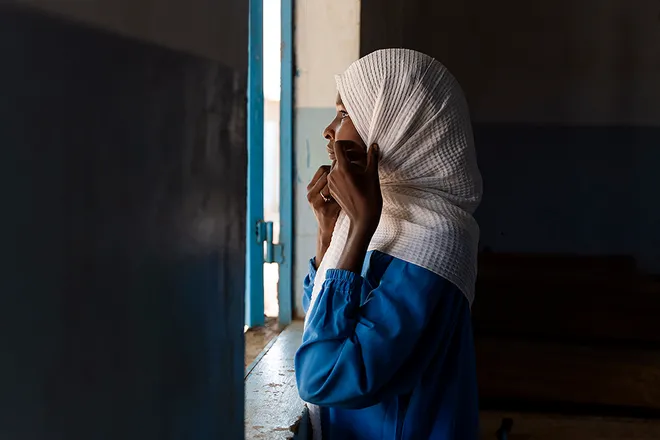
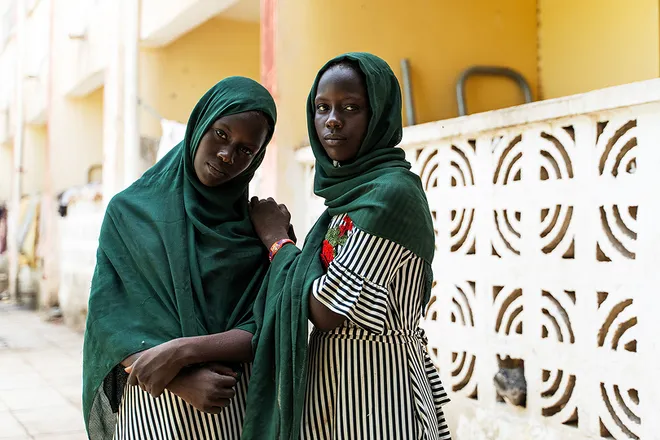
Memory, identity, place, and everyday encounters are central to my photography.

What moment in your career are you most proud of?

My proudest moment is actually a very personal one. My father is an academic, and for many years, he saw the time I spent with my camera as time wasted, or as something that distracted me from a more conventional career.

Of all the recognition I have received throughout my career, earning my father's appreciation remains one of the moments I am most proud of.

"Even when there is little or no funding available, I continue to create workshops and mentorship opportunities because I do not want younger photographers to spend years searching for guidance in the same unstructured way I did.”

What is the biggest challenge you have faced as a photographer?

Learning what photography truly meant to me. I am self-taught, and when I started, I spent years learning from the internet, moving between tutorials, articles, books, and the work of photographers I admired. While this gave me technical knowledge, the learning was fragmented and incredibly time-consuming.

Eventually, I realised that much of the photography I was seeing and learning from online came from contexts very different from my own. I had to learn how to look beyond what the internet was telling me a “good photograph” should be and begin understanding photography from my own perspective and environment.

That experience is one of the main reasons I became so committed to photography education. Even when there is little or no funding available, I continue to create workshops and mentorship opportunities because I do not want younger photographers to spend years searching for guidance in the same unstructured way I did.

I want them to have access to knowledge and, more importantly, to have the space to develop their own visual language and understand the value of telling stories from their own perspective.

After photographing my country for so many years, I suddenly found myself documenting displacement while experiencing it myself.”

What type of photography do you specialise in?

I primarily work with documentary photography and visual storytelling. Over the years, my practice has increasingly moved between documentary and more personal, artistic approaches.

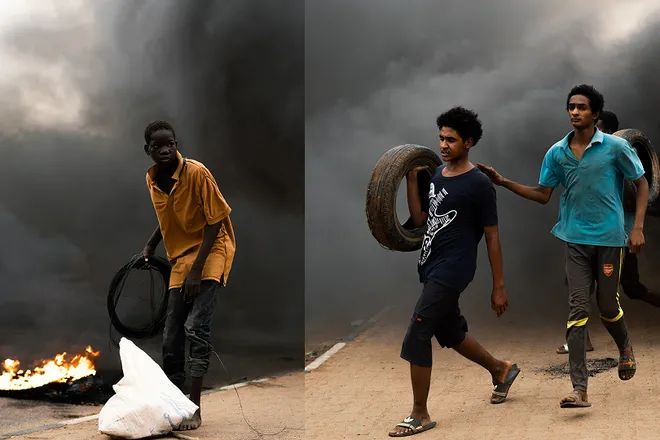
The war in Sudan has also changed my approach. After photographing my country for so many years, I suddenly found myself documenting displacement while experiencing it myself.

What is your primary commercial niche?

Documentary photography and visual storytelling. I specialise in creating human-centred visual stories that communicate complex social and humanitarian issues through photography and film.

What is your unique technical or visual approach?

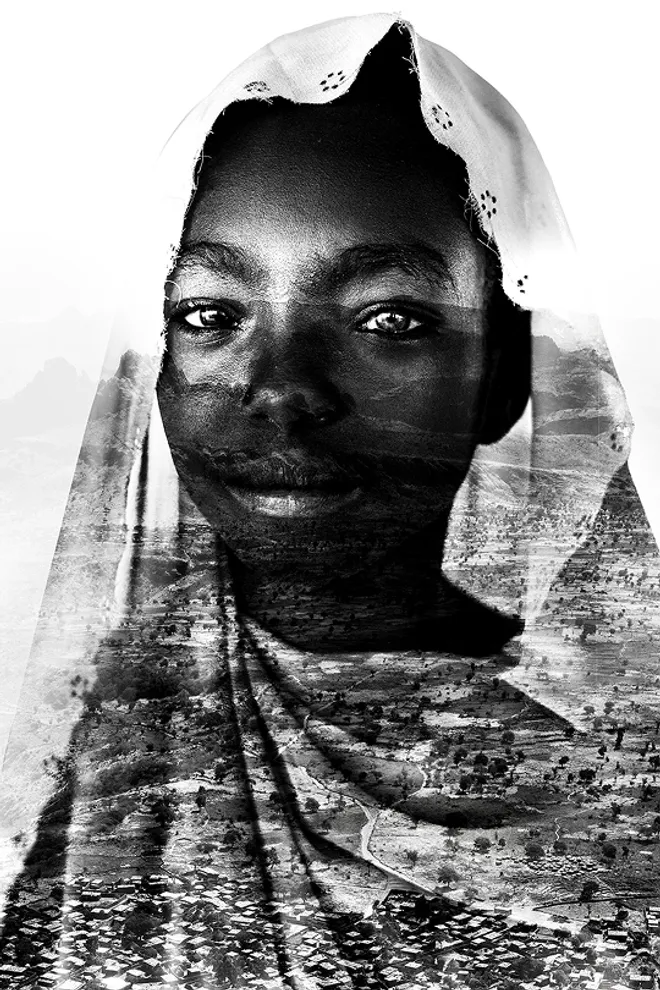
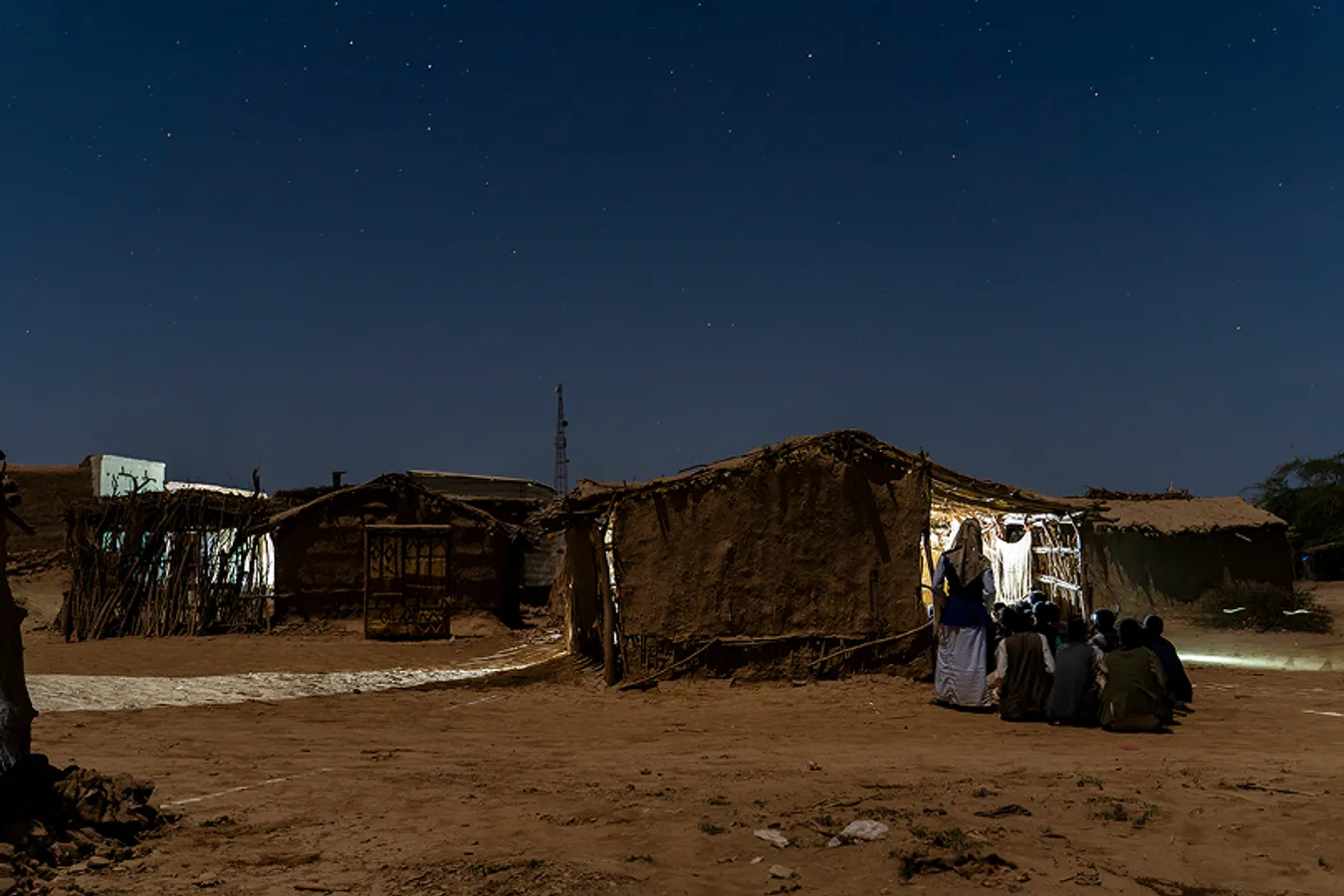
My visual approach is rooted in observation, patience, and proximity. Technically, I tend to work with available light and minimal intervention. Over time, I have also become more experimental, incorporating archives, multiple exposures, and portraiture.

Which global brands, photographers, or industries do you feel your work aligns with most?

I feel my work aligns most closely with photographers and platforms that approach documentary photography with intimacy, dignity, and a strong sense of authorship. I am inspired by photographers such as David Goldblatt, Santu Mofokeng, and Stephen Shore.

In terms of organisations and industries, my work naturally aligns with editorial, humanitarian, cultural, and socially engaged storytelling. I see a strong connection with platforms such as National Geographic, TIME, The New York Times Magazine, and organisations that invest in long-term, human-centred visual storytelling.

“There are very few institutions dedicated to photography, and not enough galleries, funding opportunities, or sustainable structures for artists to develop their practices.

How is the photography and art space in Sudan?

It's incredibly rich in talent, and it has always existed within a very challenging environment. There are very few institutions dedicated to photography, and not enough galleries, funding opportunities, or sustainable structures for artists to develop their practices.

Because of this, much of the photography community has been built from the ground up by photographers and artists themselves. Collectives, independent workshops, mentorship programmes, and informal networks have played a major role in creating spaces for learning and exchange.

What is one professional standard you never compromise on?

Respect and dignity, whether I am working on a personal project or an editorial assignment.

What do you think of the 54Ruum platform?

I am very interested in 54Ruum. I love the diversity of photographers and perspectives represented on the platform, and I am looking forward to seeing how these different kinds of practices and visual languages come together.

I am particularly interested in how the platform can engage with the complexity of photographing Africa. Photography on the continent carries a complicated history, deeply influenced by colonial ways of seeing and representing African people and places.

Credits

Text

Felana Ramasy

Photography

Ala Kheir

Curation

guvnor

SHARE THIS STORY

Join Our Community

More Stories

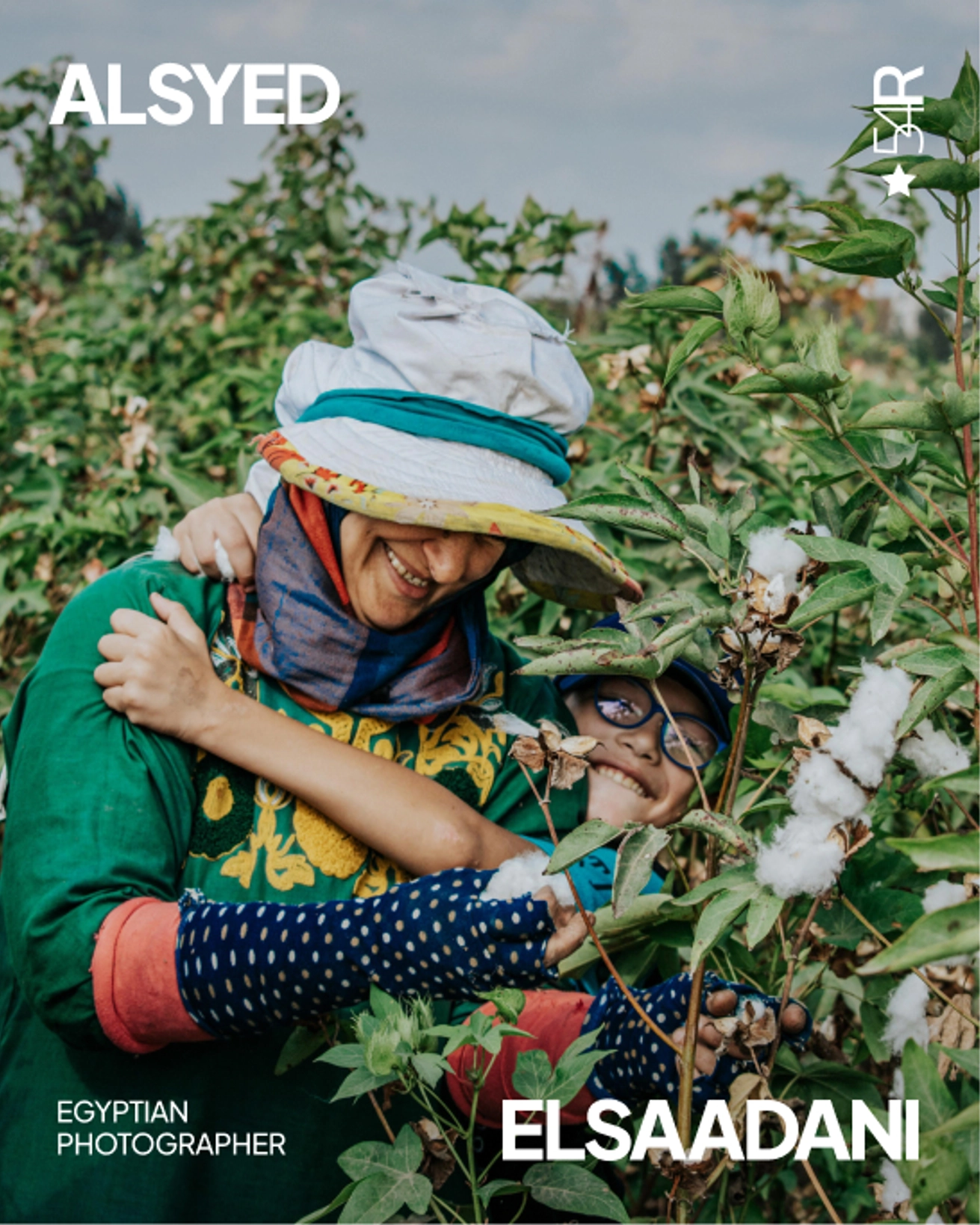
Alsyed Elsaadani: Egyptian documentary photographer exploring human stories through everyday life
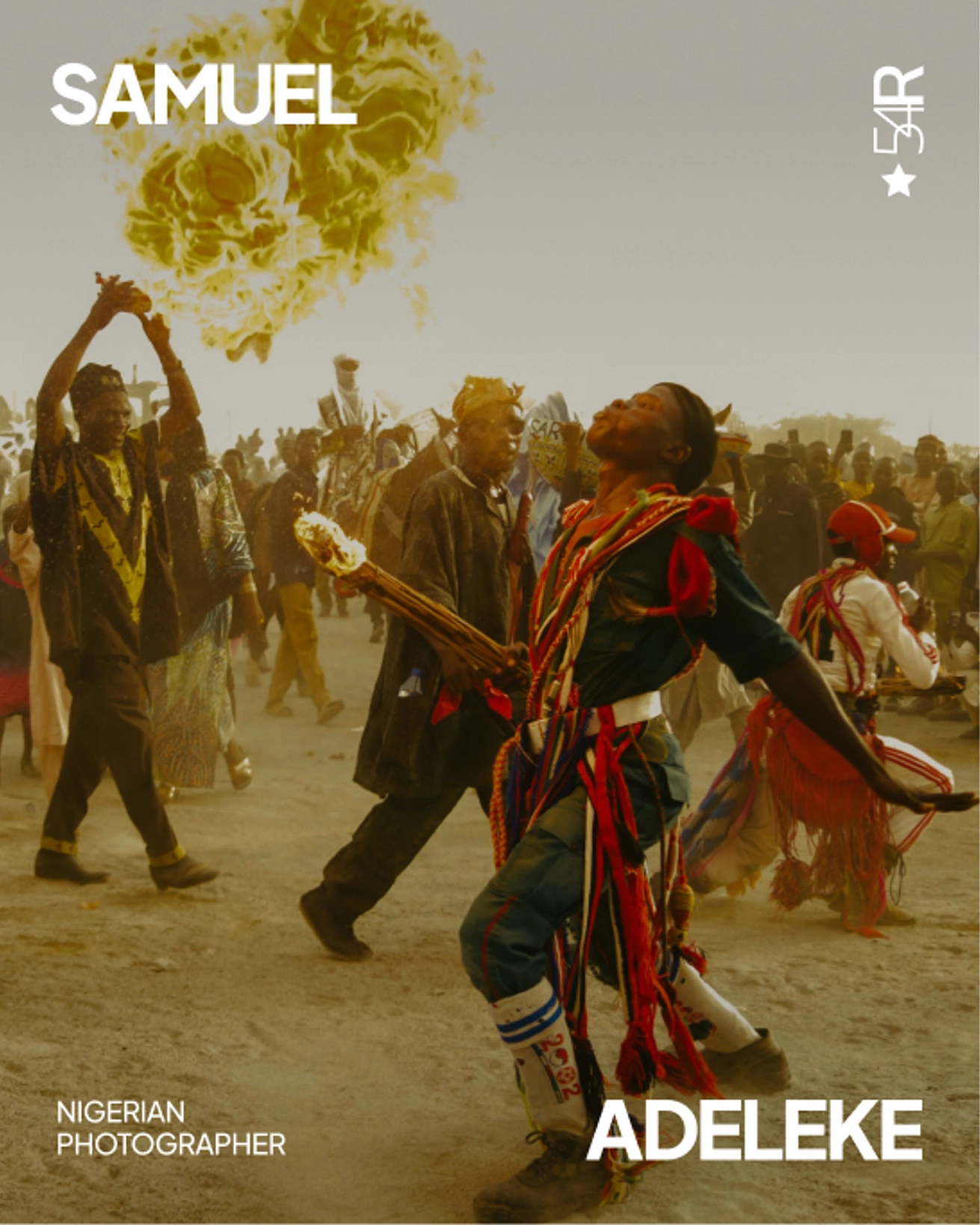
Samuel Adeleke: Nigerian photographer documenting culture, identity, and quiet human moments in Northern Nigeria
Inga Nontshibongo: South African lifestyle photographer documenting urban culture through cinematic storytelling
Daniel Cole: Nigerian portrait and conceptual photographer using colour and poetry to tell stories
Omariba Angwenyi: Kenyan street and nature photographer finding meaning in overlooked moments
Malak Zerour: Algerian photographer developing her visual voice through light, colour, and everyday moments
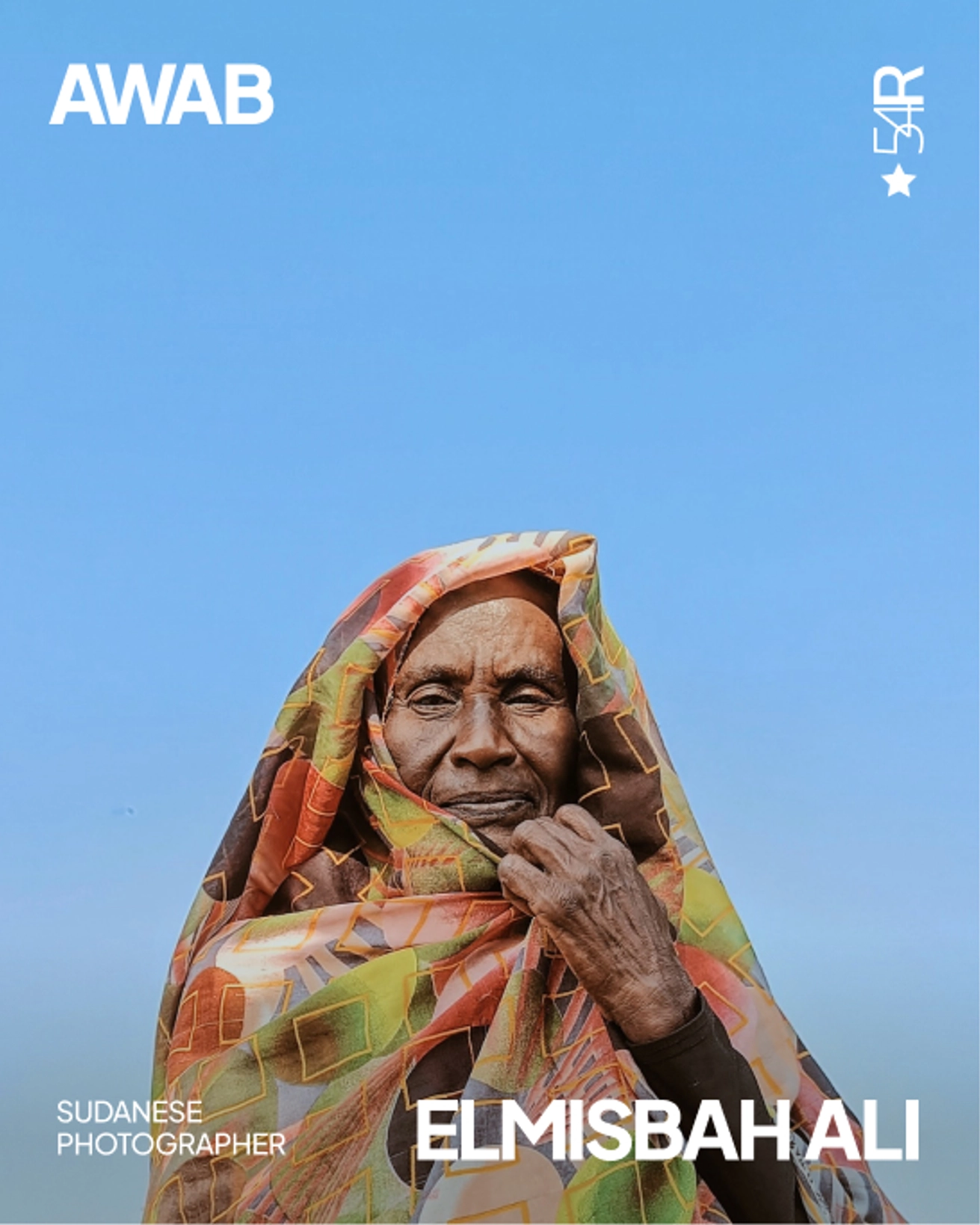
Awab Elmisbah Ali: Sudanese documentary photographer documenting displacement, humanity, and everyday life
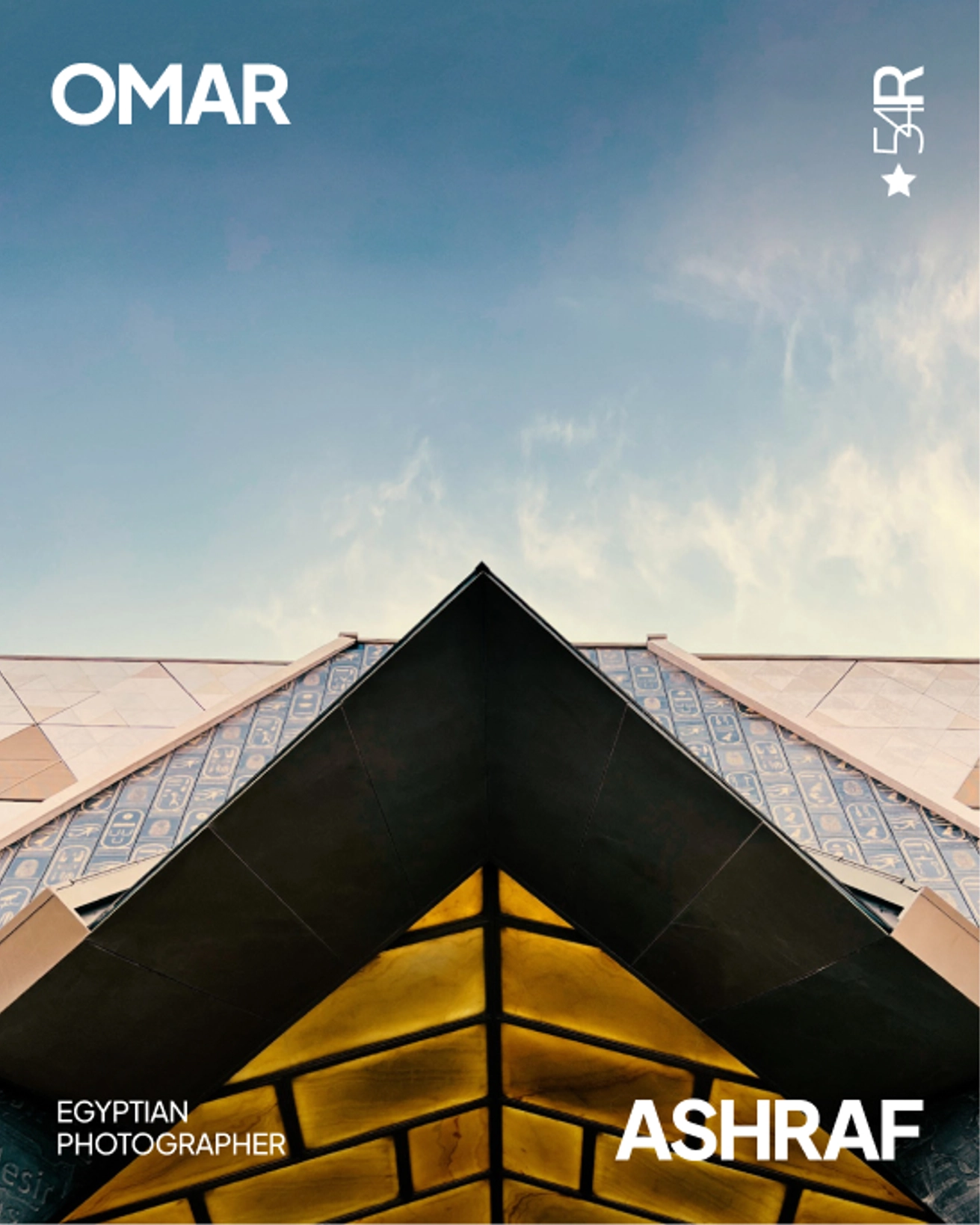
Omar Ashraf: Egyptian filmmaker and photographer finding new ways to see familiar places
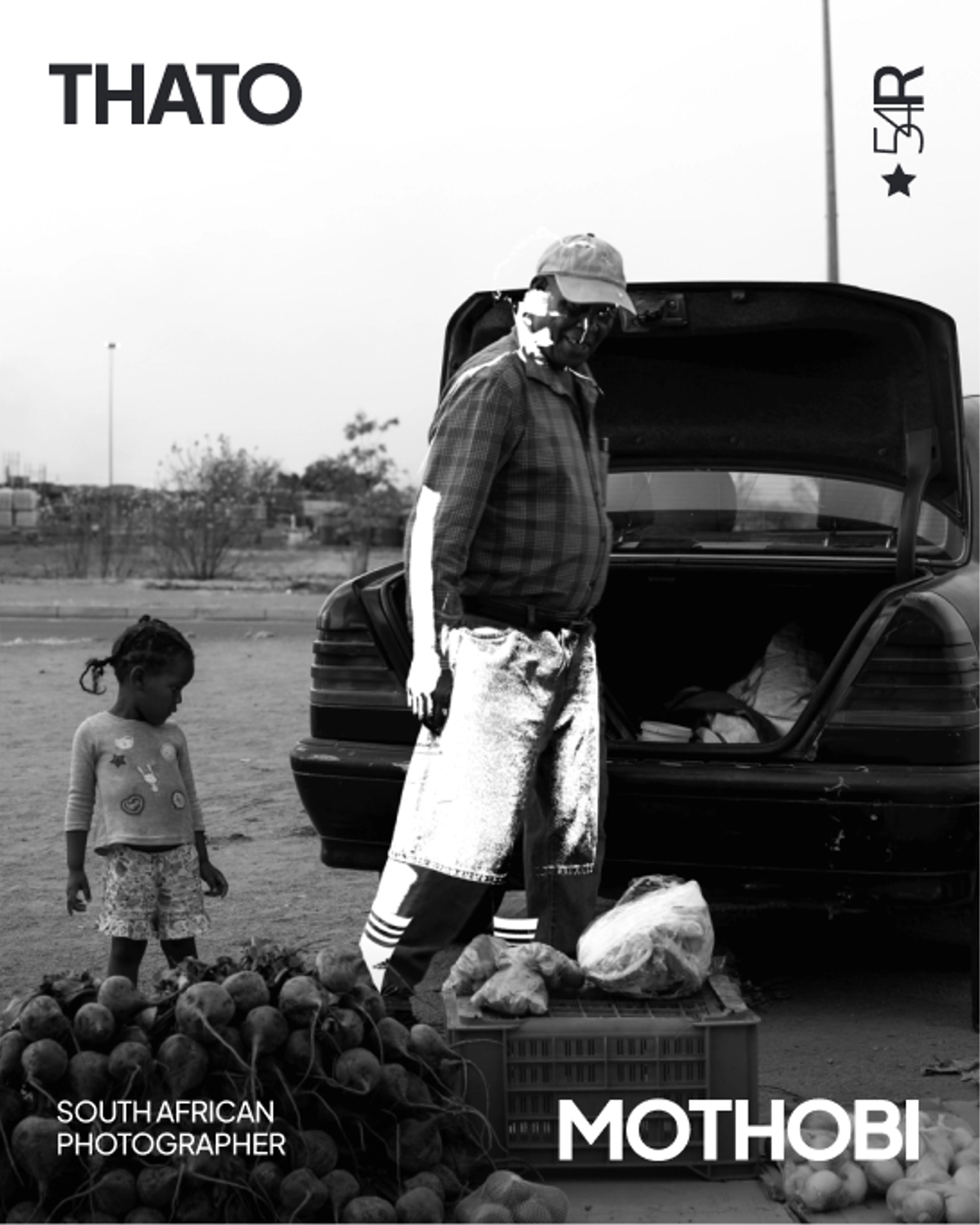
Thato Mothobi: South African visual artist using auto-ethnographic photography to explore memory, migration, and belonging
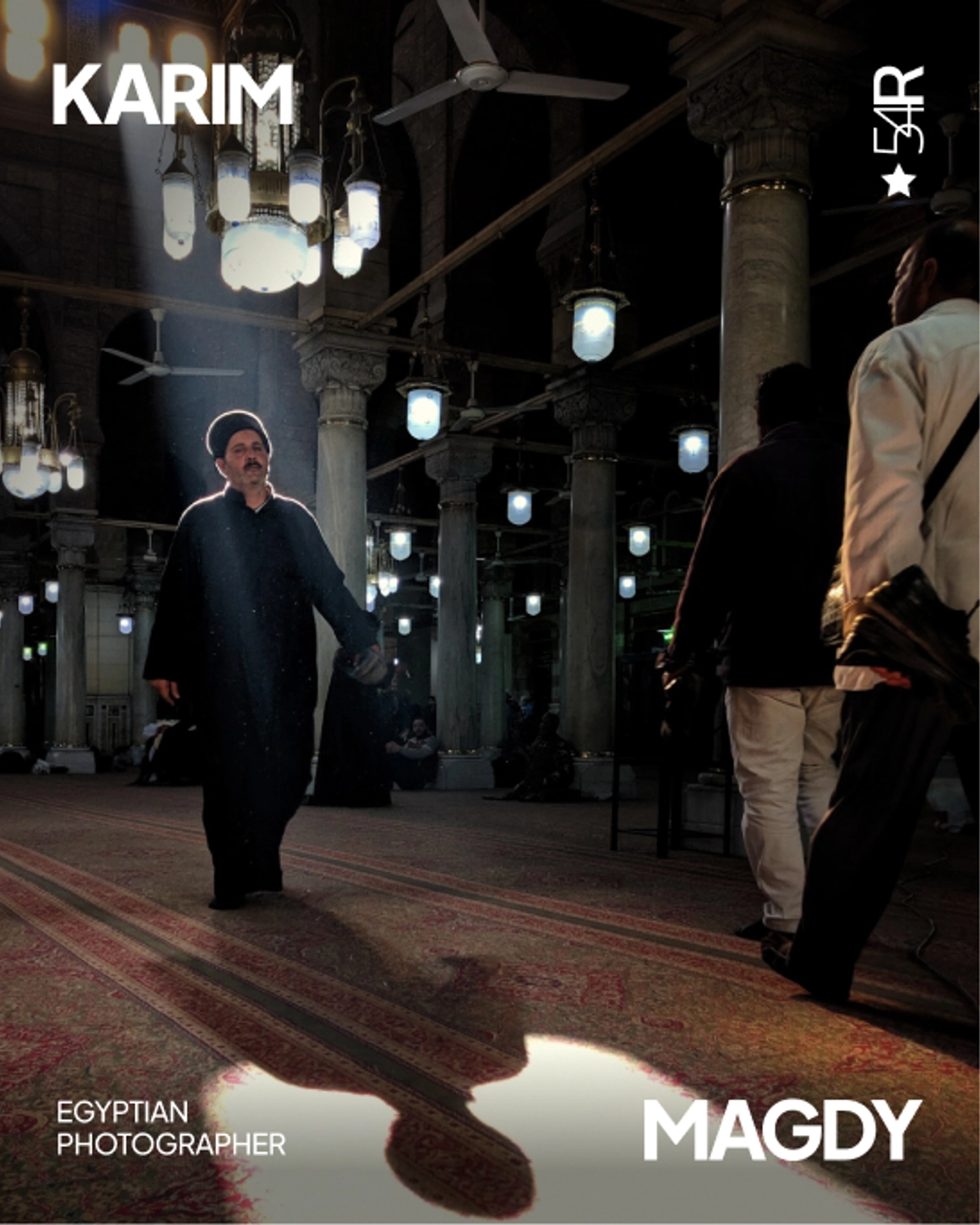
Karim Magdy: Egyptian visual artist and photographer documenting everyday life through photography and video
El Mehdi Kharbouch: Moroccan fine art photographer shaping visual conversations around memory, identity, and place
Liasmine Fodil : photographe algérienne questionnant les liens entre femmes, famille et société
Abdoulaye Gueye : photographe documentaire sénégalais, un regard qui capture Dakar entre nostalgie et mémoire
Ayomide Okanlawon: Nigerian visual artist & photographer shaping visual stories through colour, culture, and contrast
Mariam Ashraf: Egyptian documentary photographer documenting identity, memory, and belonging through people and place

Explore more content

Company

The Ruum Africa

Products

RTM

© 2026 The Ruum Africa

Built by