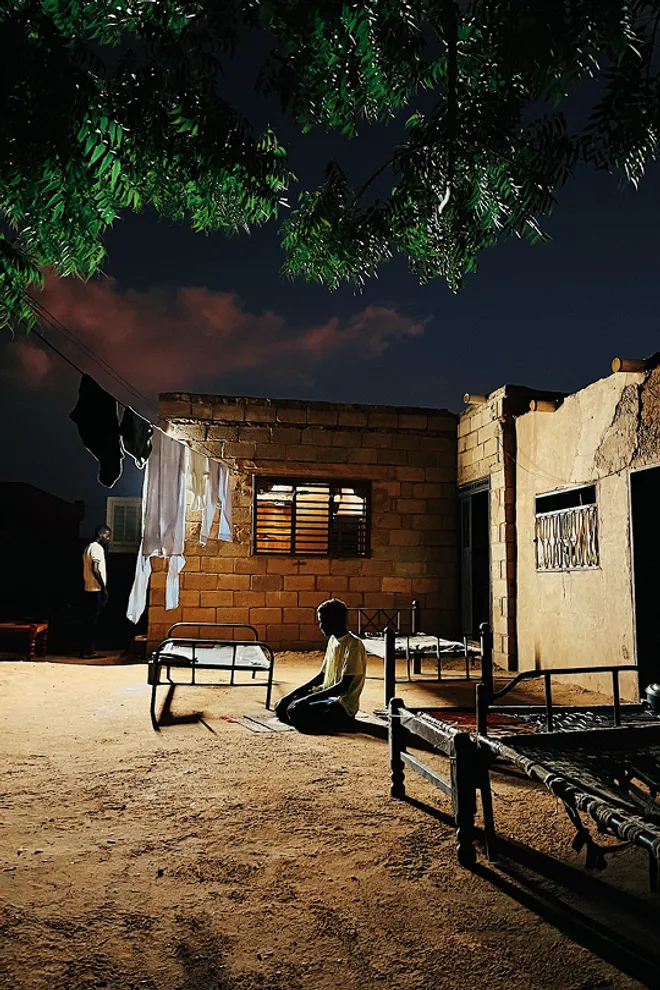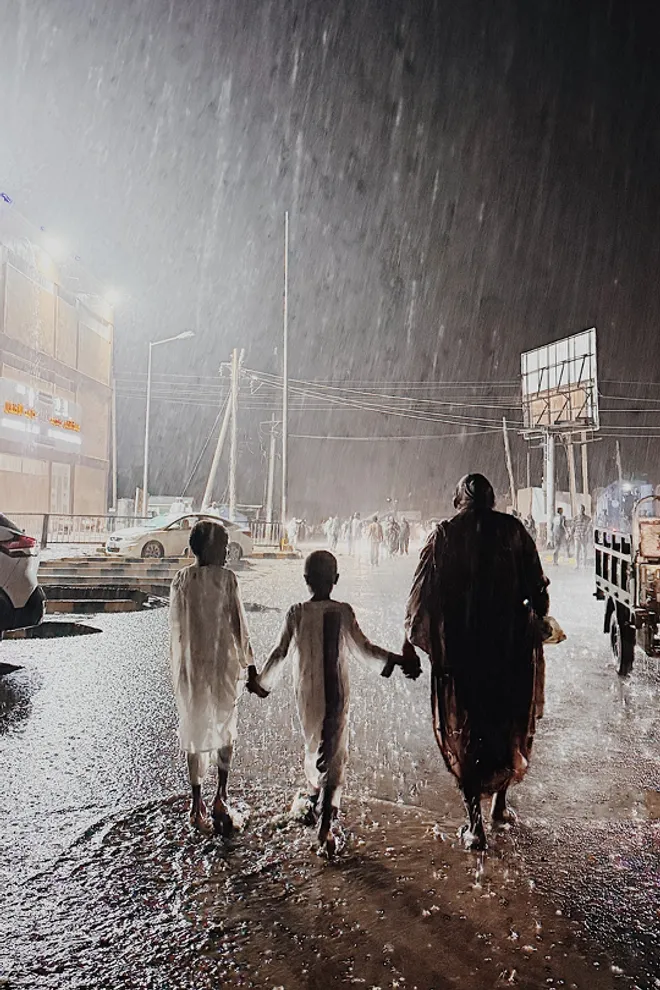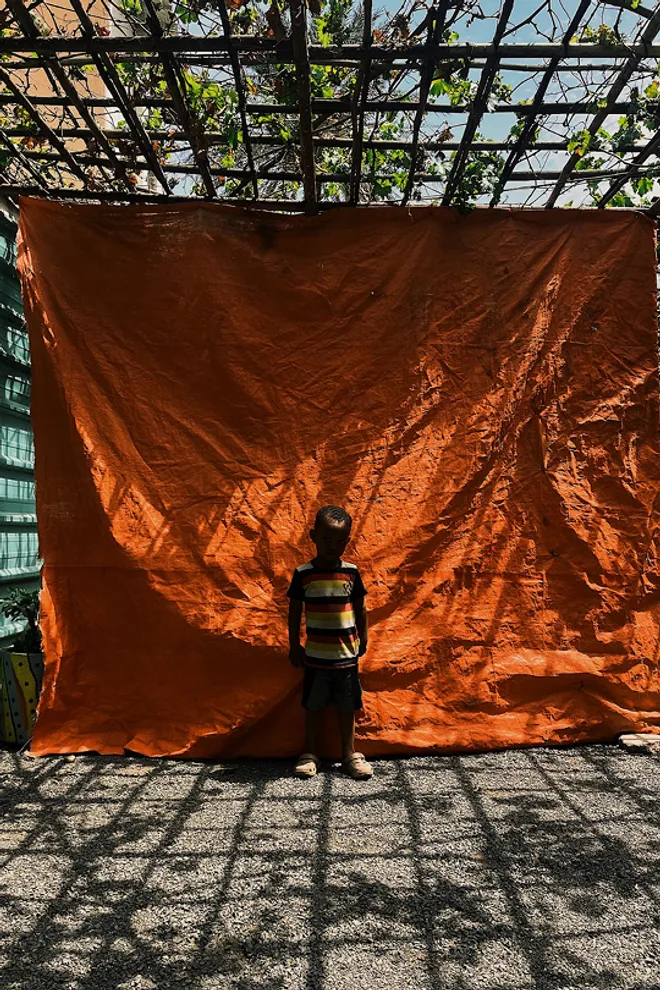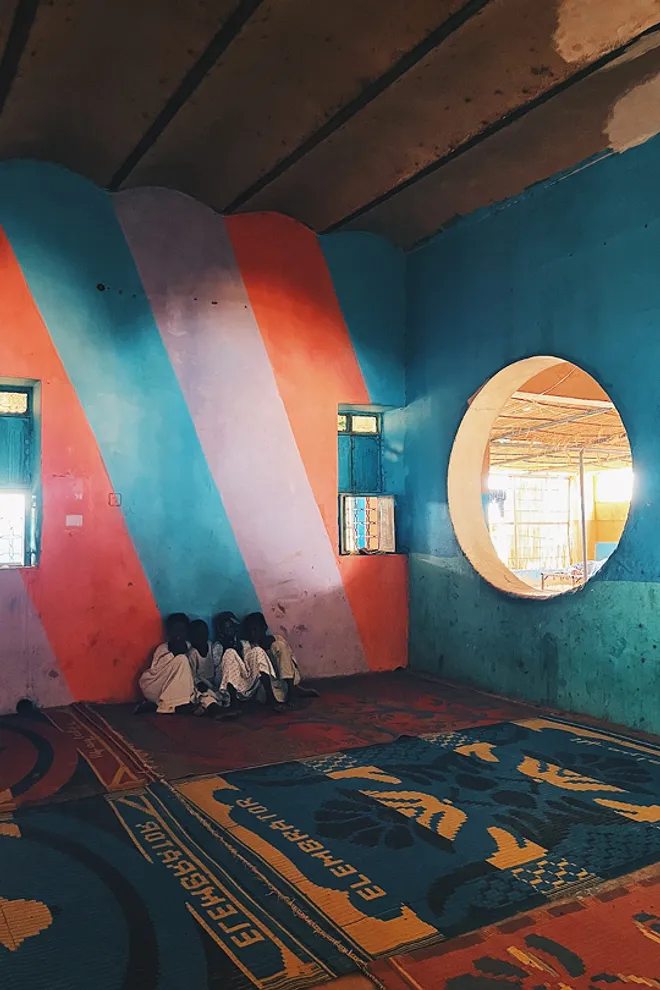
Awab Elmisbah Ali: Sudanese documentary photographer documenting displacement, humanity, and everyday life

11 mins read
Published10 Sep, 2026

“Photography can be a gateway to art and a way to reflect the lives of people and communities and share their stories with the world. It gives me a way to document what I see, get closer to people, and understand their stories.”

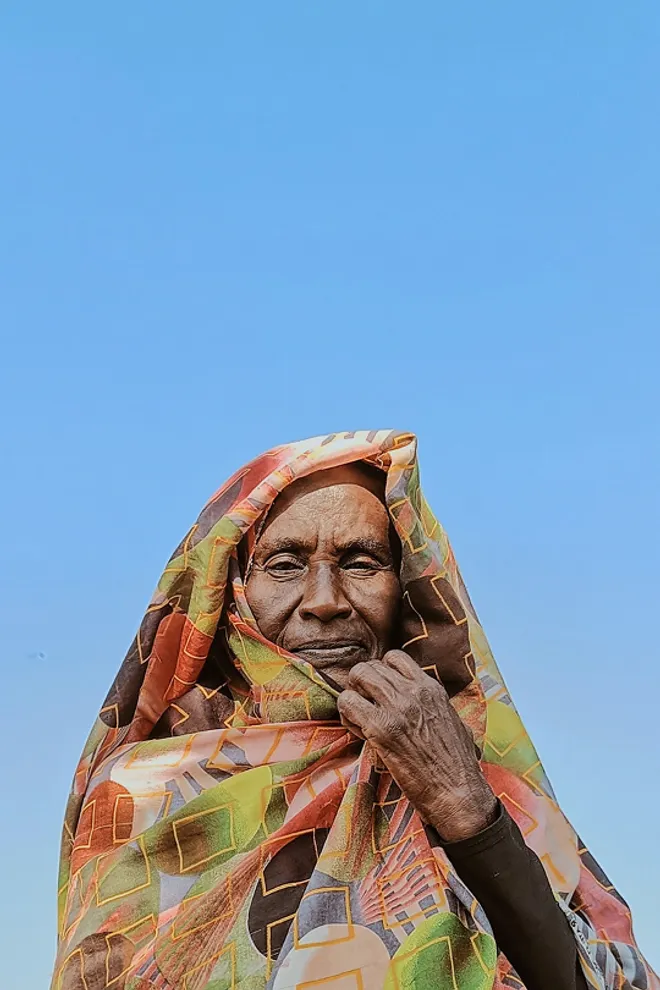
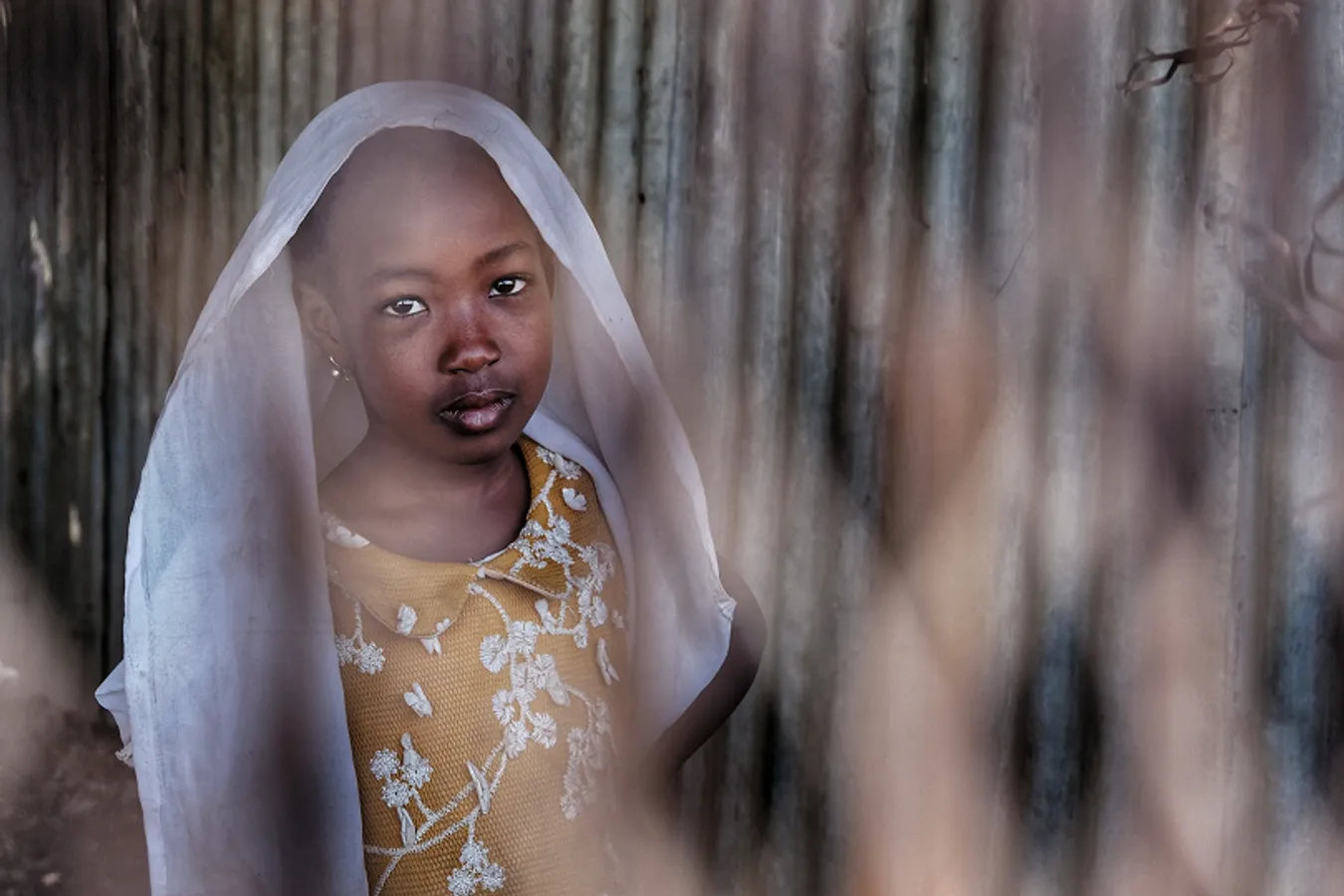
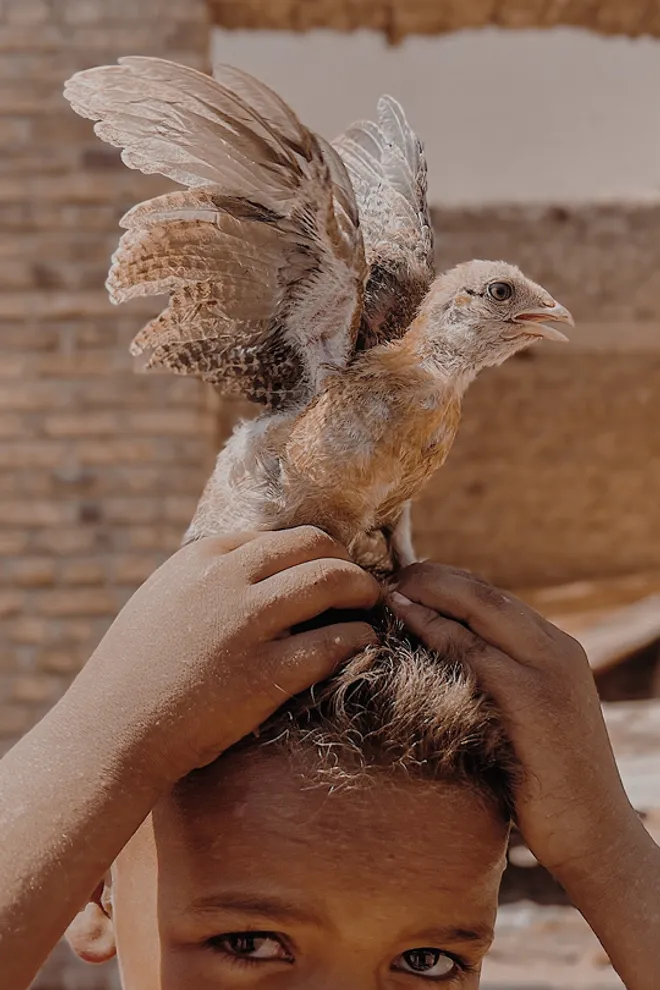
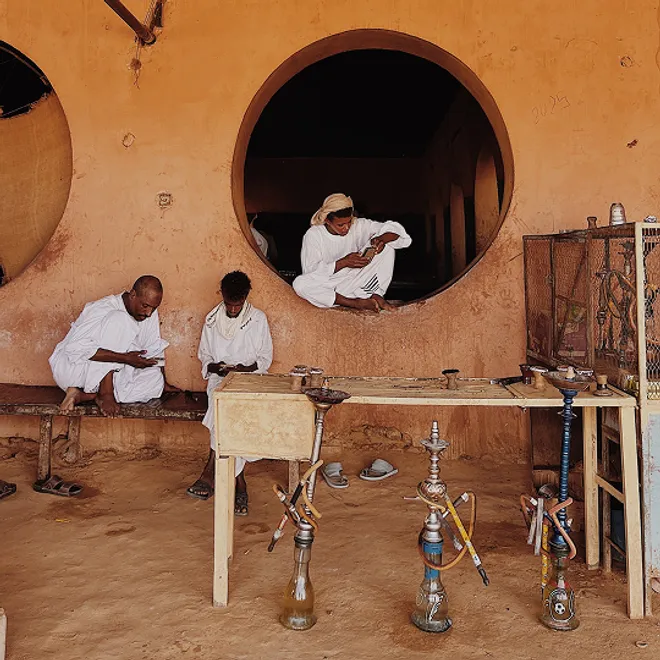
Awab El-Misbah is a Sudanese documentary photographer, visual storyteller, and short film director from Omdurman, currently studying Business Administration at the University of Science and Technology.

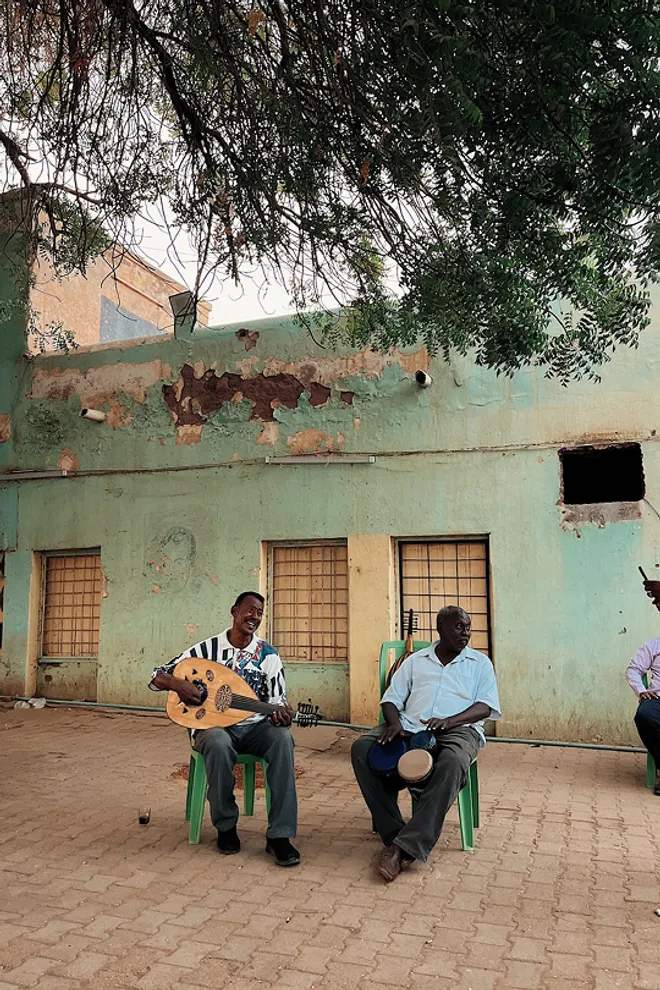
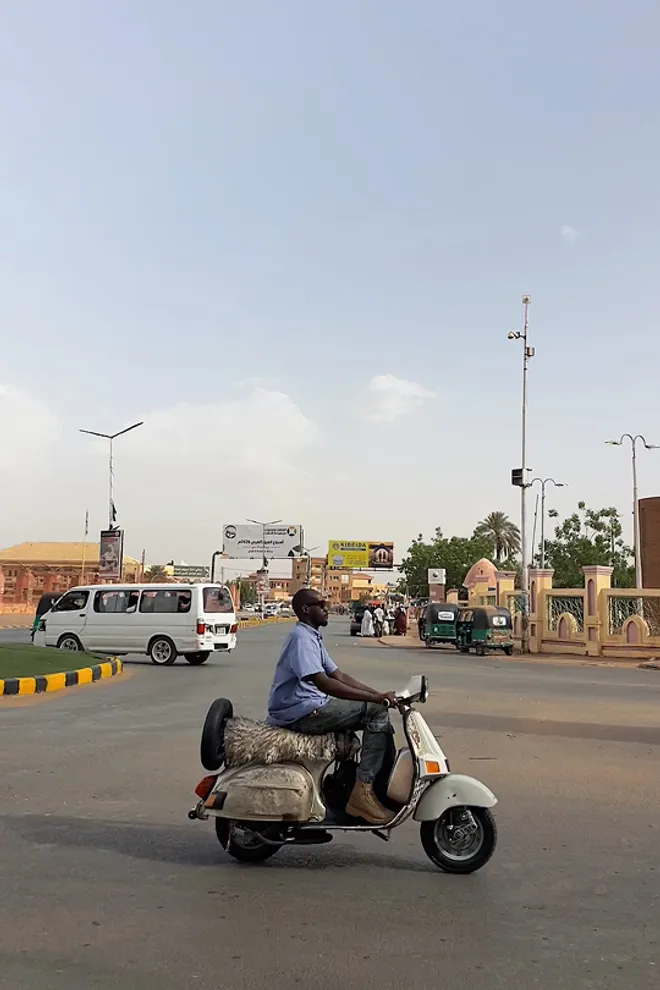
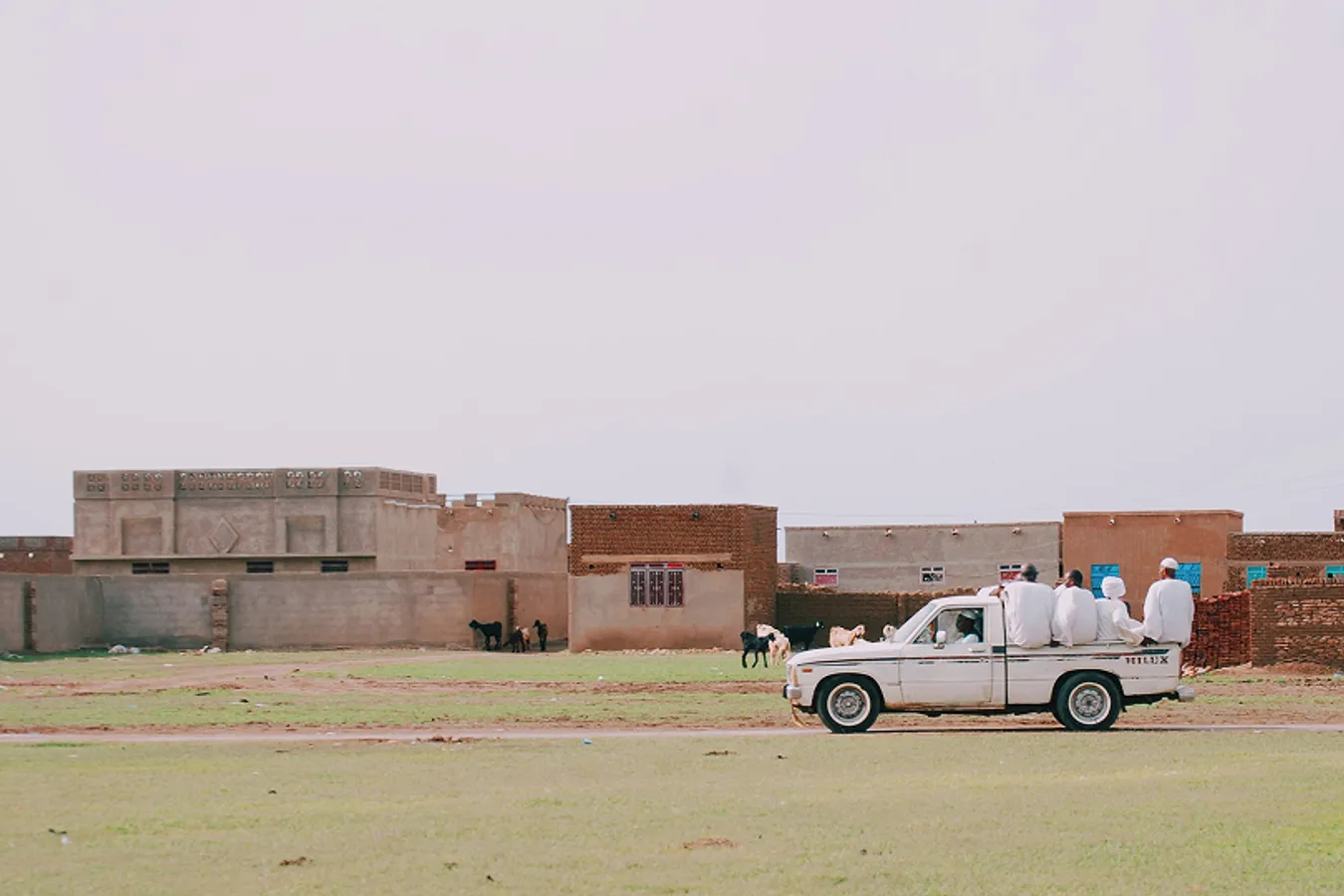
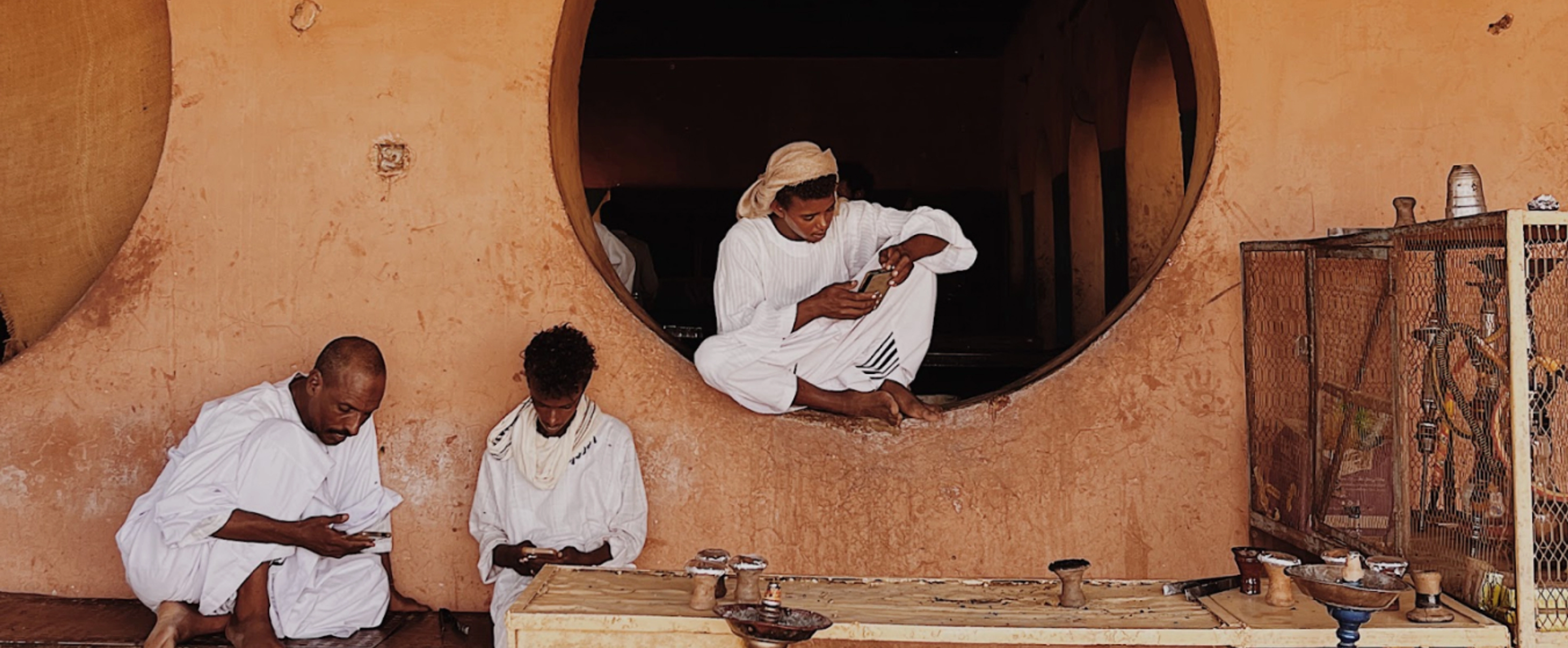
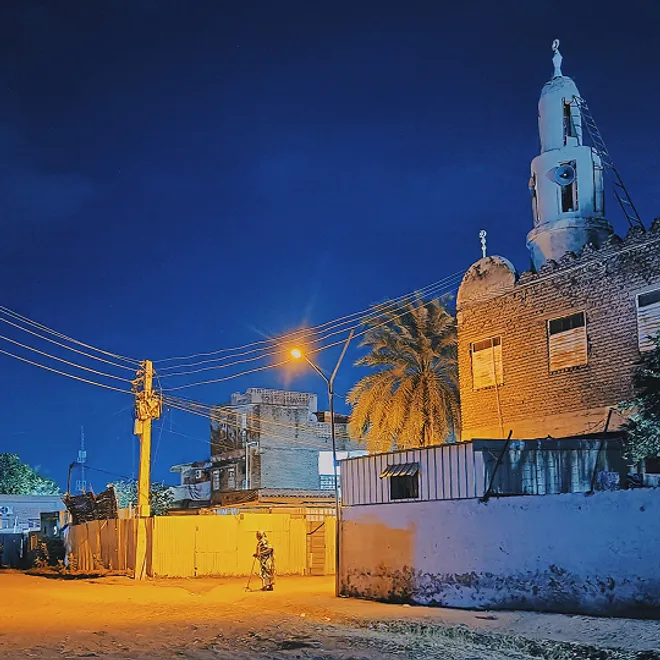
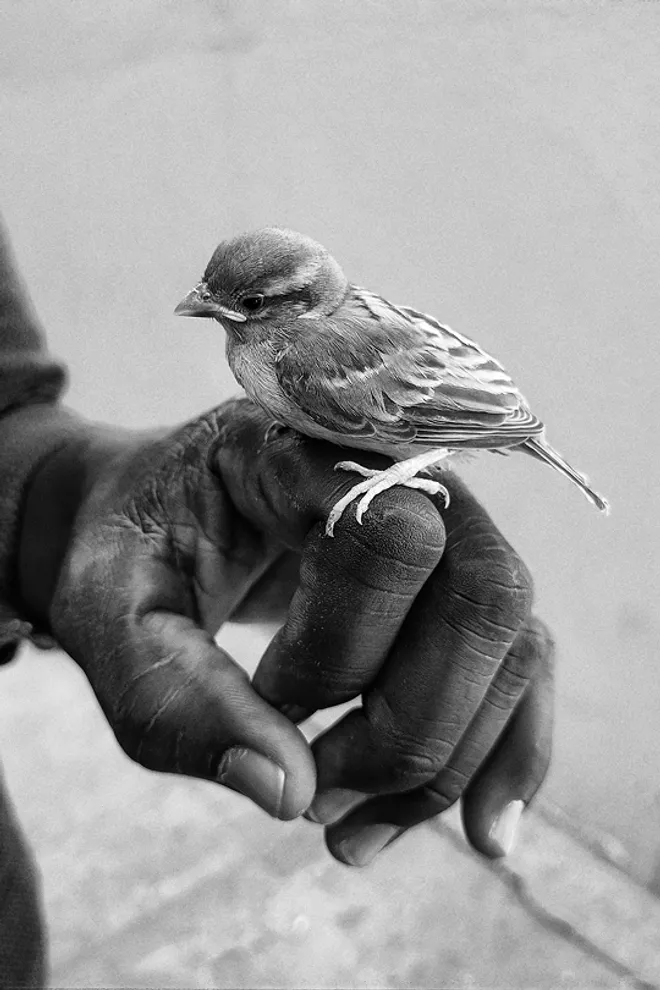
His passion for photography and filmmaking began in 2015 using a mobile phone, starting with street and portrait photography. Over time, his focus expanded toward documentary photography, visual storytelling, and directing short films. His work centres on writing and crafting stories that authentically capture street life, the everyday experiences of people, and surrounding cultural and human transitions.

He has a diverse background of field experience: he collaborated with Space.sd, contributed to organising the Khartoum Season Festival in 2022, and served as an Art Director on multiple creative projects. Additionally, he has worked as a backstage photographer and video director, and actively contributed to documenting the events of the Sudanese revolution visually.
How did you get started in photography?

I started my journey in photography through a friend and neighbour who was the first person to introduce me to the world of photography and teach me its basics. He showed me that photography could be a gateway to art and a way to reflect the lives of people and communities and share their stories with the world.

From that moment, I started looking at the camera differently. It became a way for me to express myself, document what I see, get closer to people, and understand their stories. Over time, my passion for photography grew, and it became an important part of how I see and understand the world around me.

“I’m a curious observer. Photography for me is a way of slowing down, paying attention, and finding stories in everyday life.”

How would you describe yourself?

I’m a curious observer. I’m always drawn to the small, quiet moments that people often pass by without noticing. For me, photography is a way of slowing down, paying attention, and finding stories in everyday life.

A fun fact about me is that I started taking photos on a phone in 2015. I never imagined that something that began so simply would become such an important part of my life. Today, I see the camera as a tool for connecting with people, understanding their experiences, and sharing the stories I encounter.

What are the main themes that inspire your photography?

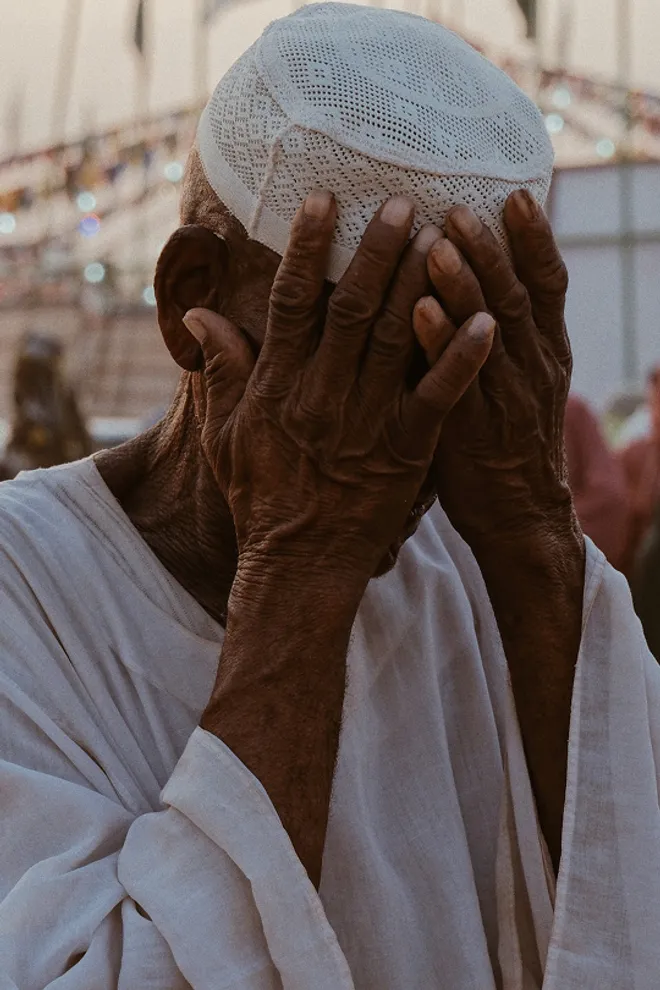
People, their emotions, and the changes they experience throughout their lives. I like to reflect different human emotions in my images, from love and happiness to sadness, fear, and uncertainty. I believe that every moment carries a story worth seeing.

I am especially drawn to images that show change between different periods of time, and how people and places can transform over time. I use photography as a way to communicate with others through the image itself, as well as through the emotions and stories behind it, allowing the viewer to feel something or connect with an experience of their own.

"Seeing my images presented to audiences outside my home country made me realise that the stories I document can travel beyond their original context."

What moment in your career are you most proud of?

Having my work recognised beyond Sudan and being allowed to exhibit my photographs internationally. Seeing my images presented to audiences outside my home country made me realise that the stories I document can travel beyond their original context and connect with people who may have never experienced those realities themselves.

It gave me greater confidence in my voice as a photographer and strengthened my belief in the importance of documenting people, places, and moments with honesty. The achievement is knowing that my photographs can carry a story from my community to a wider audience and create a human connection through the image.

“The outbreak of war in Sudan and the profound changes it brought to my life and my family’s life were some of the most difficult experiences I have faced."

What is the biggest challenge you've faced as a photographer?

The outbreak of war in Sudan and the profound changes it brought to my life and my family’s life. I experienced displacement within my own country and later sought refuge outside Sudan. These were some of the most difficult periods of my life.

During this journey, I lost my camera. It was especially painful because it was the first camera I had ever owned and was deeply connected to my beginnings and early memories with photography. Despite everything, I did not lose my passion or my belief in photography as a means of expressing and documenting reality. I continued photographing with my phone, documenting what was happening around me and what we were experiencing.

From this experience, I began my personal project, When Will We Arrive?, which documents my journey of displacement and seeking refuge with my family, and the fear, loss, change, and hope that came with it.

This experience taught me that a photographer’s practice can continue through difficult circumstances. I lost my camera, and I continued seeing, creating, and telling stories through photography. That is what kept me going.

What type of photography do you specialise in?

Documentary, street, and portrait photography, with a strong focus on human stories, people, and the details of everyday life. I chose this type of photography because it feels closest to me.

I am interested in people and the stories they carry, and I believe photography can preserve moments and experiences that might otherwise disappear with time. I like to stay close to reality and give people and situations the space to express themselves naturally.

My style began with street photography and spontaneous moments. Over time, my interest grew towards the context and story behind the image. I started looking for images that convey an emotion, reflect change, or tell a human story.

This development has led me towards more in-depth personal projects, such as When Will We Arrive?, in which I document my experience of displacement and seeking refuge with my family.

What is your primary commercial niche?

Visual storytelling across photography and short-form film. I work on short films, editorial and magazine stories, music videos for artists, and coverage of large-scale events. I also work as a director, developing and directing visual concepts from the initial idea through to the final production.

My work is driven by storytelling, with a focus on creating authentic visual narratives that connect with audiences. I enjoy working across both photography and filmmaking, as each medium allows me to explore stories differently.

What is your unique technical or visual approach?

My approach is rooted in simplicity and honesty. I like to get close to people and moments and give my subjects space to express themselves naturally. I look for small details that can carry a deeper meaning.

Which global brands, photographers, or industries do you feel your work aligns with most?

Brands and platforms that believe in authentic visual storytelling and create space for human and cultural stories, especially those interested in Africa and African image-makers.

My work also connects with photographers and filmmakers who use visual storytelling as a form of documentation and expression. I’m particularly drawn to projects that explore documentary photography, culture, community, and personal stories.

"Photography and arts in Sudan has developed significantly. For many artists, art has become a way to document reality, express their experiences, and preserve collective memory.”

How's the photography and art space in Sudan?

The photography and arts scene in Sudan has developed significantly through the major challenges the country has faced in recent years. Before the war, there was growing interest in photography and visual arts, with spaces, initiatives, workshops, and platforms emerging to support artists and photographers in developing their work and connecting with wider audiences.

The war and displacement have had a profound impact on the creative scene. Many artists have lost access to the spaces, equipment, and resources they need to work. Art continues to provide a way for many artists to document reality, express their experiences, and preserve collective memory.

What is one professional standard you never compromise on?

Honesty in telling a story and respect for the people I photograph. I believe that a photographer has a responsibility towards the people they portray and the trust they place in them. For that reason, I always want to preserve the truth and avoid exploiting someone’s emotions simply to create a more impactful image.

I always make sure to treat people with respect and dignity, and to ensure that the image comes from reality while preserving its true context. To me, a photograph can be powerful and beautiful, with honesty and respect for the story behind it remaining essential.

What do you think of the 54Ruum platform?

I see 54Ruum as an important and promising platform for African image-makers. What I appreciate most is that it gives space to the stories, backgrounds, and experiences behind the images alongside the work itself.

I believe creating a space that amplifies the voices of African artists and connects them with wider audiences is especially important. 54Ruum has the potential to create meaningful connections, opportunities, and collaborations across the African creative community and beyond.

Credits

Text

Moyin Adediran

Photography

Awab Elmisbah Ali

Curation

guvnor

SHARE THIS STORY

Join Our Community

More Stories

Alsyed Elsaadani: Egyptian documentary photographer exploring human stories through everyday life
Samuel Adeleke: Nigerian photographer documenting culture, identity, and quiet human moments in Northern Nigeria
Inga Nontshibongo: South African lifestyle photographer documenting urban culture through cinematic storytelling
Daniel Cole: Nigerian portrait and conceptual photographer using colour and poetry to tell stories
Omariba Angwenyi: Kenyan street and nature photographer finding meaning in overlooked moments
Malak Zerour: Algerian photographer developing her visual voice through light, colour, and everyday moments
Omar Ashraf: Egyptian filmmaker and photographer finding new ways to see familiar places
Ala Kheir: Sudanese documentary photographer and educator tracing memory, displacement, and the dignity of everyday life
Thato Mothobi: South African visual artist using auto-ethnographic photography to explore memory, migration, and belonging
Karim Magdy: Egyptian visual artist and photographer documenting everyday life through photography and video
El Mehdi Kharbouch: Moroccan fine art photographer shaping visual conversations around memory, identity, and place
Liasmine Fodil : photographe algérienne questionnant les liens entre femmes, famille et société
Abdoulaye Gueye : photographe documentaire sénégalais, un regard qui capture Dakar entre nostalgie et mémoire
Ayomide Okanlawon: Nigerian visual artist & photographer shaping visual stories through colour, culture, and contrast
Mariam Ashraf: Egyptian documentary photographer documenting identity, memory, and belonging through people and place

Explore more content

Company

The Ruum Africa

Products

RTM

© 2026 The Ruum Africa

Built by