Karim Magdy: Egyptian visual artist and photographer documenting everyday life through photography and video

14 mins read
Published4 Sep, 2026

“The sadness I was feeling and the difficult experience I was going through changed for a moment because of the photograph I had taken. Photography became a kind of escape for me, and I found a form of therapy in the street.”

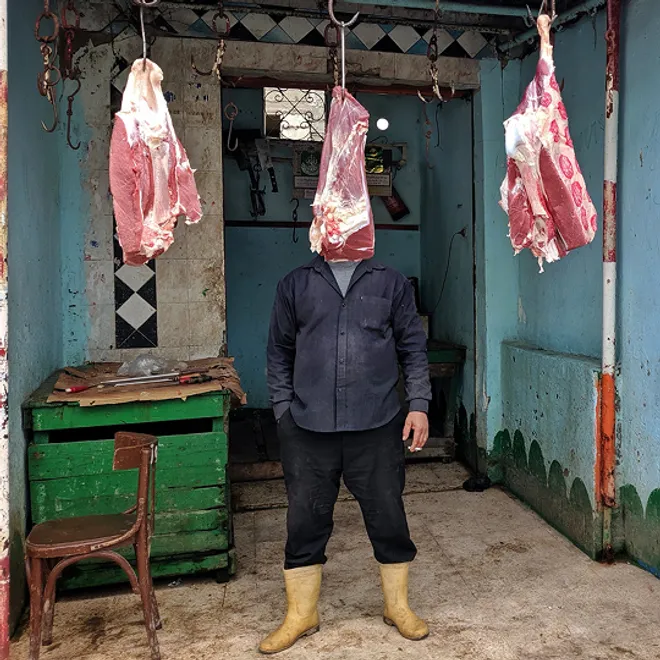
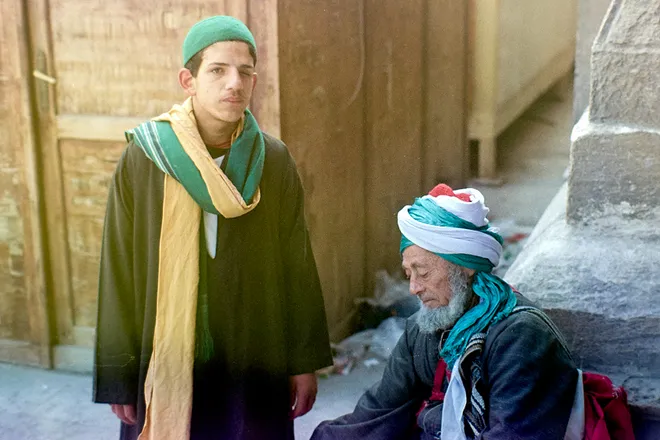
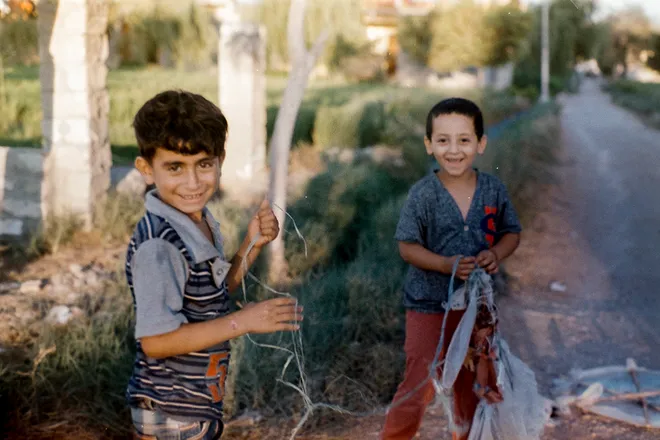
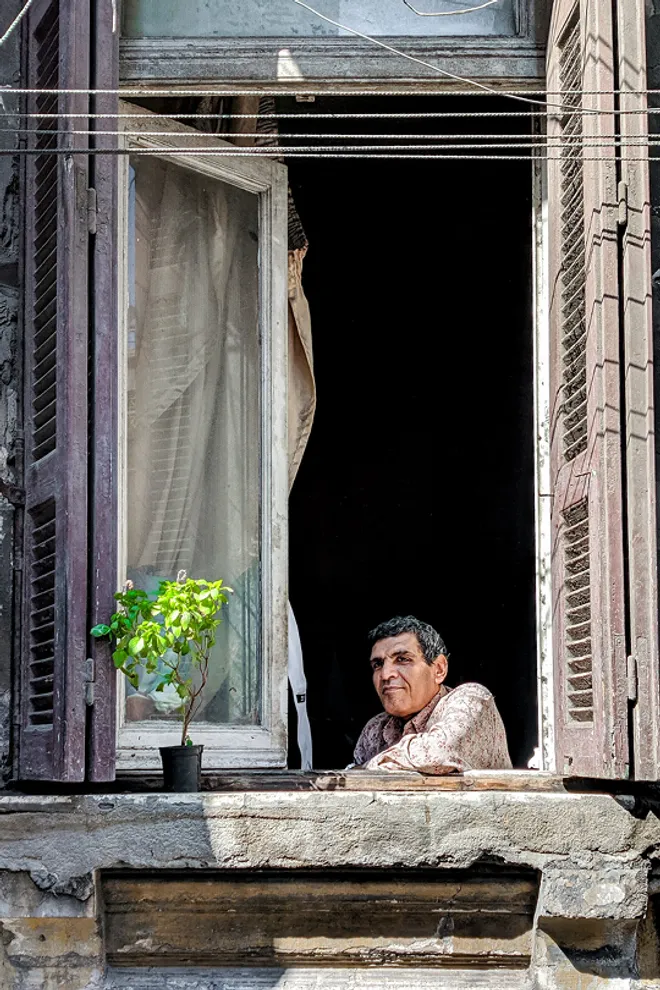
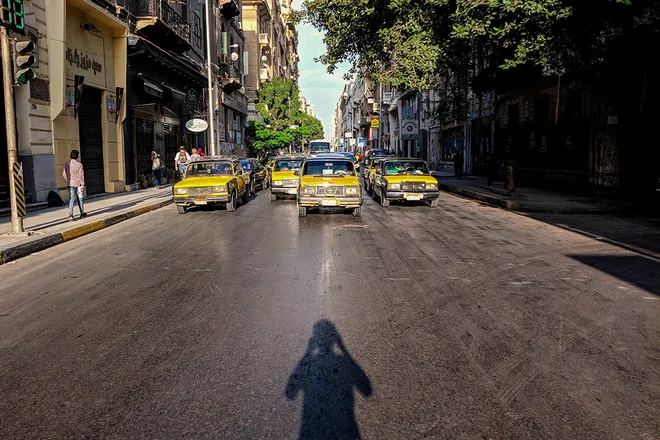
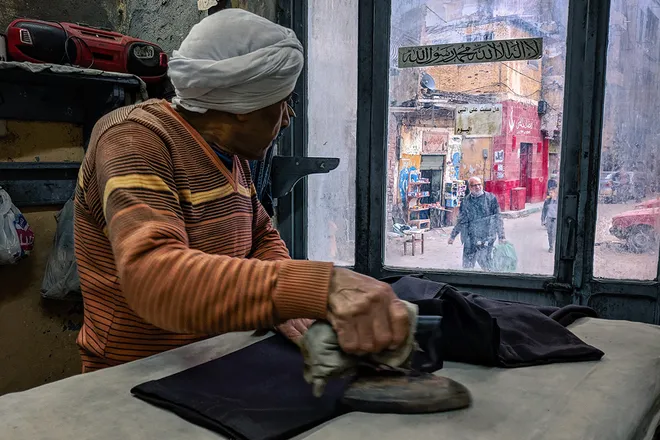
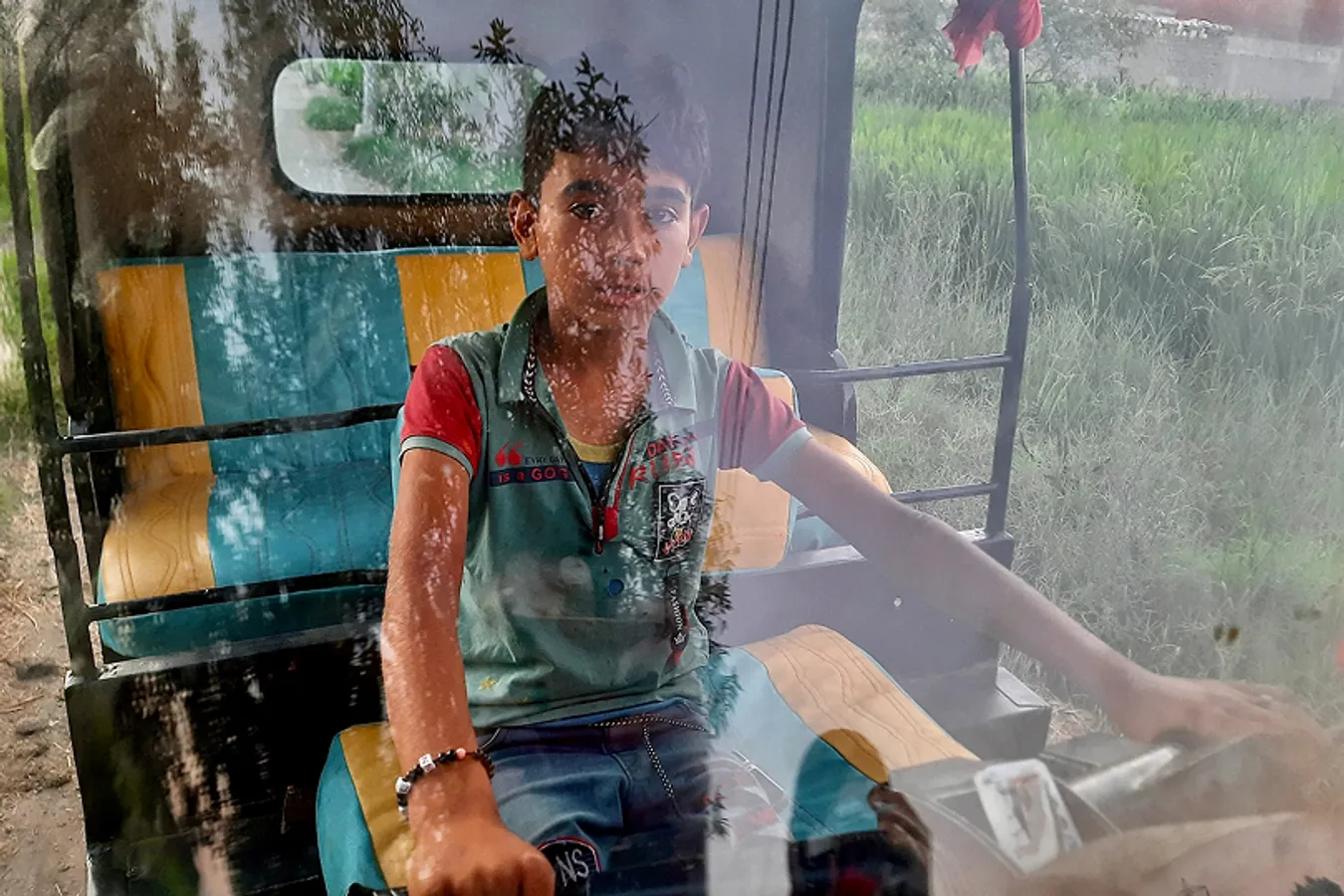
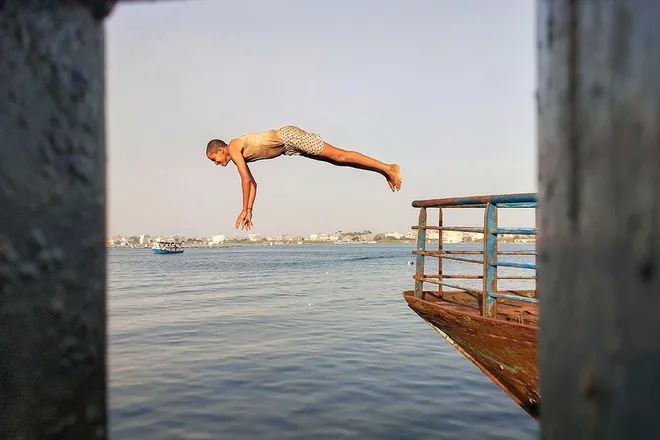
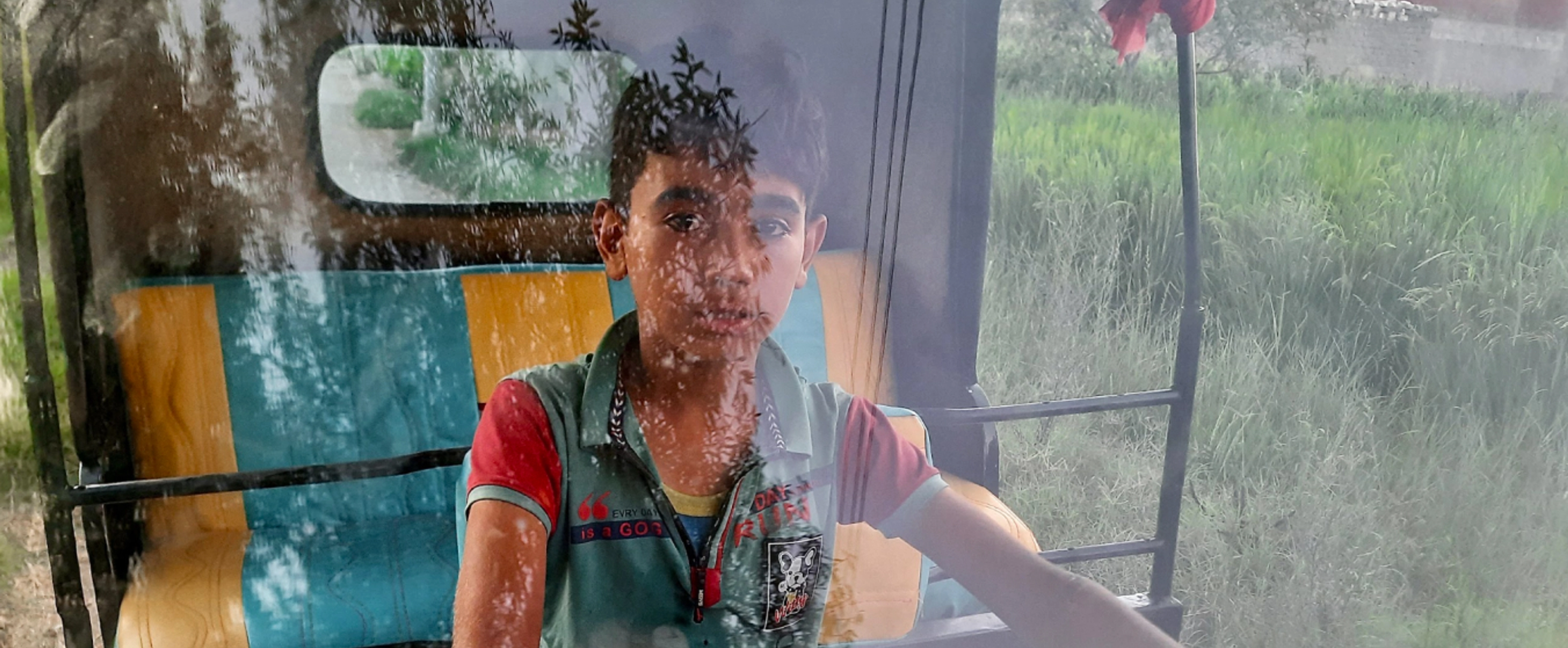
Karim Magdy is an Egyptian photographer and filmmaker from Alexandria whose work documents daily life through photography and video. He began photographing in 2017 and works across digital photography, mobile photography, and analogue film, with a practice rooted in close observation of the street and the people he encounters.

His relationship with street photography developed gradually. He began by photographing the world around him without a clear understanding of the medium, eventually becoming interested in the presence of people, composition, and the stories contained within everyday scenes.

Magdy’s photographs have been submitted to competitions, exhibitions, and shows, while his video work has reached wider audiences through social media. Today, he works across both photography and video as parallel forms of expression.
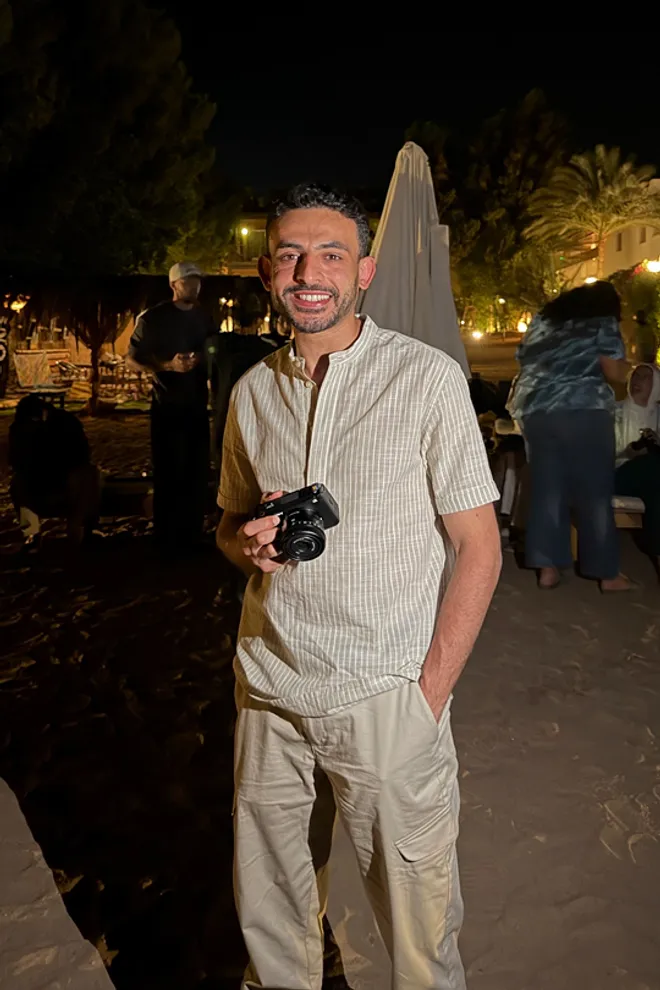
“I like to joke and laugh with the people I photograph. It creates comfort and helps people feel relaxed and more like themselves.”

Karim Magdy - Egyptian photographer & filmmaker

How did you get started in photography?

The turning point came in 2017, during a difficult period in my life. I was trying to isolate myself from my friends and the people around me, and I spent a lot of time alone. I would walk through the streets, especially along the sea in Alexandria, and sit there without communicating with anyone.

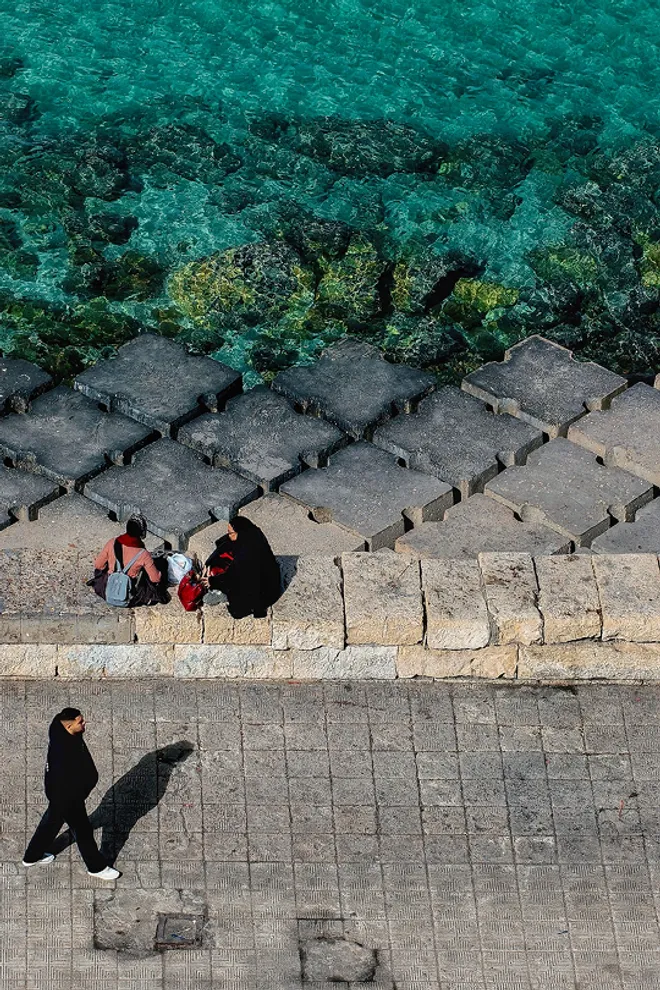
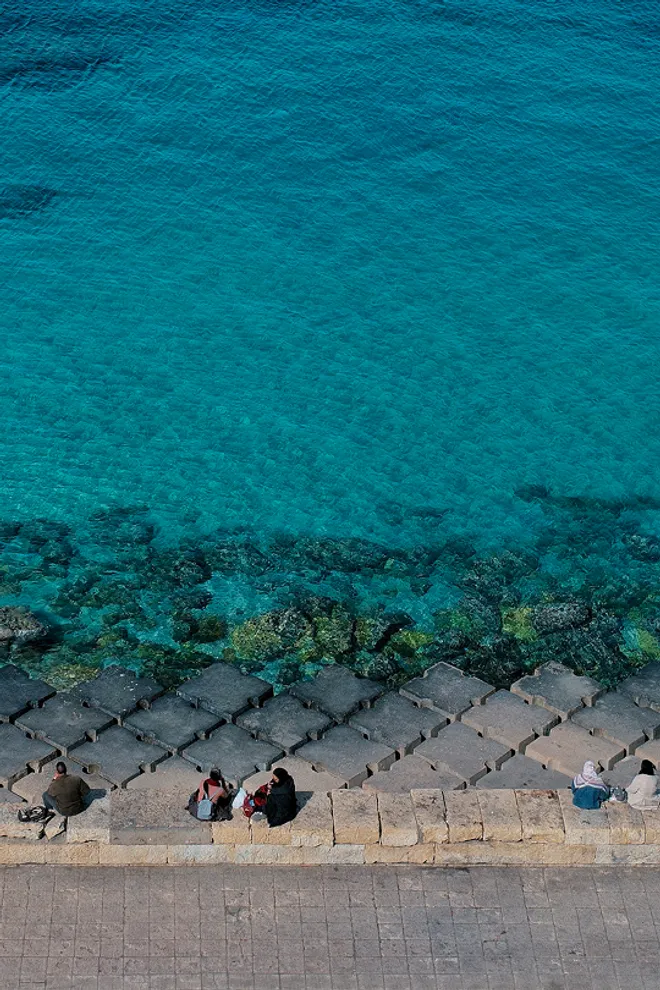
At the time, I knew very little about street photography, photography itself, or documentation. One day, while I was sitting by the sea feeling sad, I noticed a scene on the rocks. It was winter, and a couple were sitting together while a man selling tissues walked past them. He was wearing a yellow winter jacket and reaching towards them with the tissues, with the sea in the background.

Something about the scene caught my attention. The yellow jacket, the couple sitting together on the rocks, the man's gesture, and the sea behind them came together in a way that felt beautiful to me, so I decided to take a photograph.

I thought it was the greatest photograph in the world. I did not understand photography rules, what photography was supposed to mean, or what my own meaning in photography was. The only thing I understood at that moment was that I was happy.

The sadness I was feeling and the difficult experience I was going through changed for a moment because of the photograph I had taken. I decided to get up and photograph anything I came across in the street. I did not know what I should photograph, so I walked and photographed everything I saw.

I felt happy doing it, so I continued. Photography became a kind of escape for me, and I found a form of therapy in the street. That was the point where everything started.

How would you describe yourself?

I notice everything, and I am always curious. A big part of my interest in photography comes from curiosity and from letting my feet take me to different places around me.

Sometimes this curiosity takes me into unfamiliar or risky places. I might walk somewhere I have never been, or push myself to reach a particular place for a photograph. When I am photographing, I feel like I am flying.

I prefer to photograph alone because I enjoy moving with complete freedom. Once I see something, I move towards it without thinking too much about the consequences.

This creates relationships with people who are very different from me and whom I might never have met otherwise. Sometimes I find myself sitting in someone's house, listening to stories from a person I had never met before.

I also like to joke and laugh with the people I photograph. It creates comfort and helps people feel relaxed and more like themselves. Sometimes, after spending time with someone, I decide not to photograph them because I want to respect their privacy and their relationship with photography.

I am comfortable photographing without thinking too much about how I might appear to the people around me. I tend to follow the photograph and see where it takes me.

“I’m attracted to relationships. I’m interested in the relationship between people, places, and animals, and in the feelings that come from those connections.”

What are the main themes that inspire your photography?

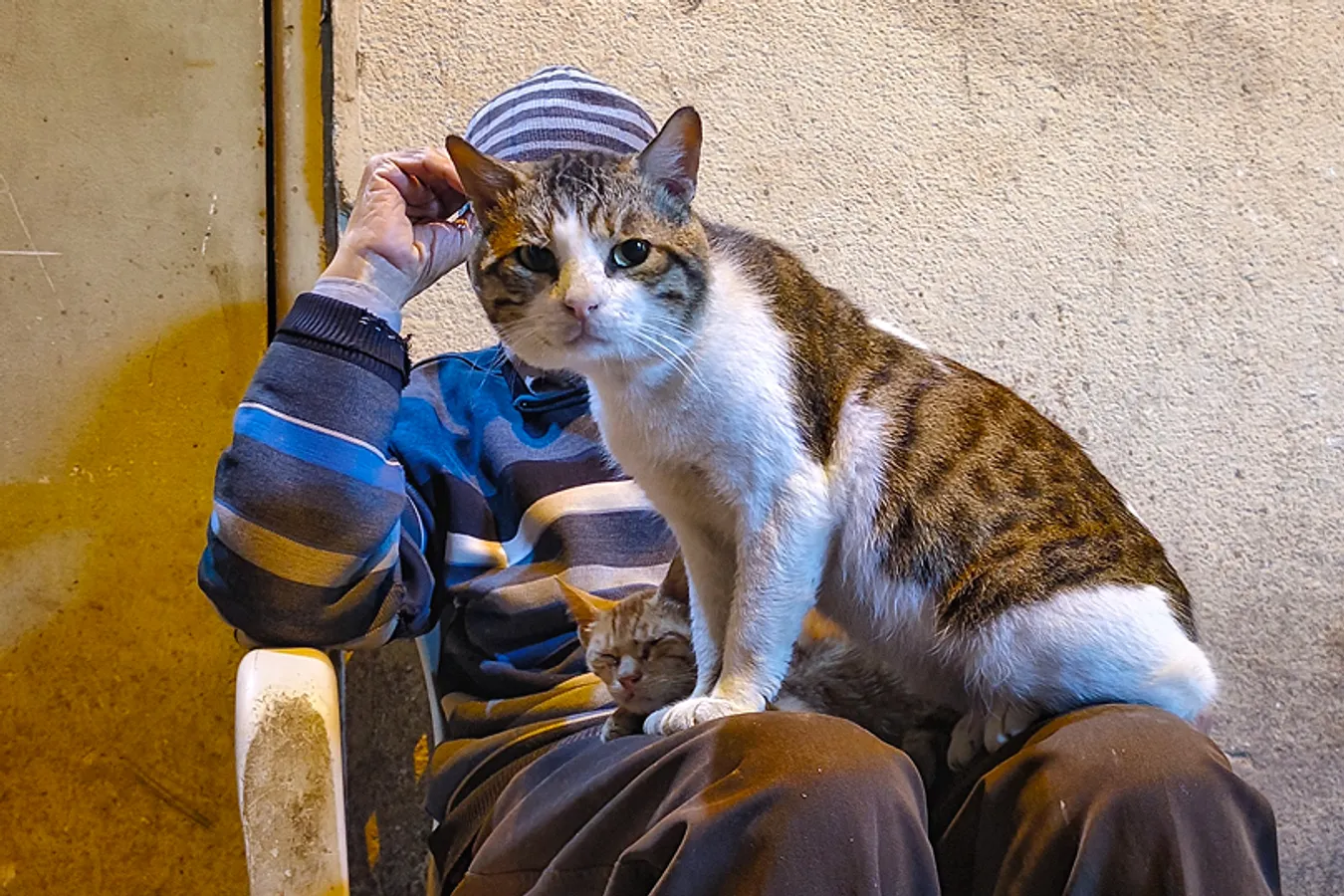
The themes that attract me are people, their presence, and their relationships with places, other people, and God. I am especially interested in relationships: between couples, parents and children, grandparents and grandchildren, and people and animals.

I am also interested in people's relationships with God, religion, a place, the sea, and loneliness. I look for feelings such as anxiety, love, spirituality, fear, and the feeling of being lost. I am interested in age, childhood, growing older, and the emotions that accompany these experiences.

When I make images, I am expressing feelings that I experience myself. I try to photograph things that affect me, allowing those feelings to come through honestly. When people see the images, they can connect them to their own experiences and emotions.

Each person can interpret an image differently. I am interested in finding something in the street that affects me and allowing that feeling to reach whoever sees the photograph.

“Being able to communicate what I do, through my work, in the street or through conversations about my experiences, are among the moments that have made the greatest difference to me.”

What moment in your career are you most proud of?

One of the milestones I remember most was my first exhibition featuring the videos I make. I was used to seeing these videos on social media, where people would scroll past them quickly.

Seeing them in an exhibition, on large screens, with people standing in front of them and watching with sound and image, allowed me to experience their reactions in person. It is a moment I remember clearly.

Another important milestone was my first workshop. Seeing the effect it had on the people who attended, how much they benefited from it, and how happy they were with what I was able to give them was very meaningful to me.

Being able to communicate what I do, whether through my work in the street or through conversations about my experiences, and seeing that people received something meaningful from it are among the moments that have made the greatest difference to me.

What type of photography do you specialise in?

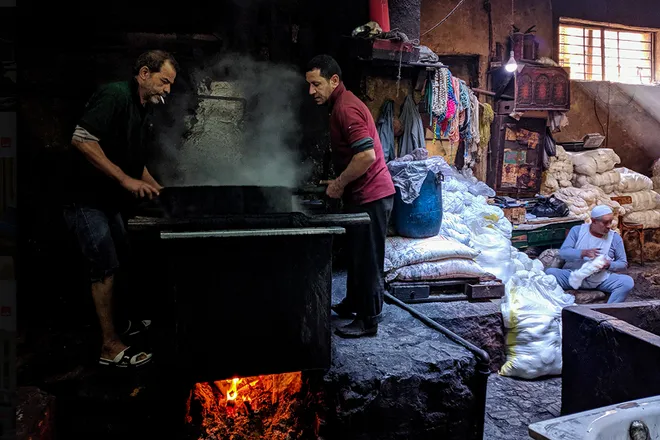
I specialise in street and daily life documentary photography. My style has developed through experimentation, observation, time spent in the street, and looking at a wide range of photographic work.

I have also developed my practice through different mediums. I started with my phone, then experimented with film and later began shooting with a camera. As I learned editing, I started bringing these different experiences together.

My style has grown through trying different things and combining what I have learned from each medium and experience.

“I try to spend time talking to people and building a connection with them, which sometimes allows me to hear real stories and capture something more genuine from their lives.”

What is your primary commercial niche?

My commercial work is mainly documentary-style video, event photography and video, and podcast editing.

What is your unique technical or visual approach?

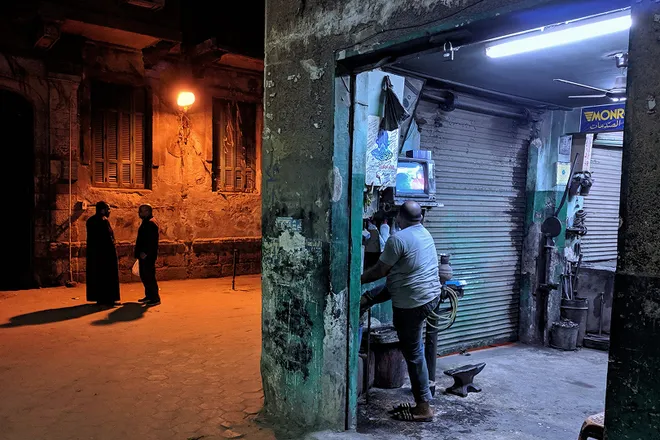
My visual approach is based on immersing myself in the street, observing it, exploring it, and connecting with the people I meet. I try to spend time talking to people and building connections with them, which sometimes allows me to hear real stories and capture something genuine from their lives.

Observation and exploration are important parts of my process. I spend time in the street and remain open to whatever I encounter, allowing the environment and the people I meet to shape what I photograph.

Which global brands, photographers, or industries do you feel your work aligns with most?

My work aligns with platforms and spaces such as NOWNESS and Middle East Archive. I am also drawn to documentary photographers working in Egypt and internationally, particularly those working across photography and video to document everyday life, people, and places.

How is the photography and art space in Egypt?

Photography in Egypt has developed significantly, especially with the growth of social media.

When I started in 2017, there were already important photographers and street photographers working in Egypt, along with established names in the field. The number of people working with photography has grown considerably since then. Today, there are many more people photographing and experimenting with different approaches and forms of work.

There are also more art institutions, exhibitions, grants, and artistic opportunities than when I started. I still feel that documentary and street photographers can face difficulties when developing their work and building sustainable careers. I think there is considerable room for further development, particularly through clearer opportunities for photographers working in these areas.

What do you think of the 54Ruum?

I am still getting up to speed with 54Ruum, but it is a good platform for introducing people to photographers and artists, their work, and their stories. I also see value in giving artists a portfolio they can present to others.

If the platform can create more opportunities and collaborations for photographers, I think it could become a very strong platform that photographers would genuinely need.

Credits

Text

Kànmí Òshó

Photography

Karim Magdy

Curation

guvnor

SHARE THIS STORY

Join Our Community

More Stories

Alsyed Elsaadani: Egyptian documentary photographer exploring human stories through everyday life
Samuel Adeleke: Nigerian photographer documenting culture, identity, and quiet human moments in Northern Nigeria
Inga Nontshibongo: South African lifestyle photographer documenting urban culture through cinematic storytelling
Daniel Cole: Nigerian portrait and conceptual photographer using colour and poetry to tell stories
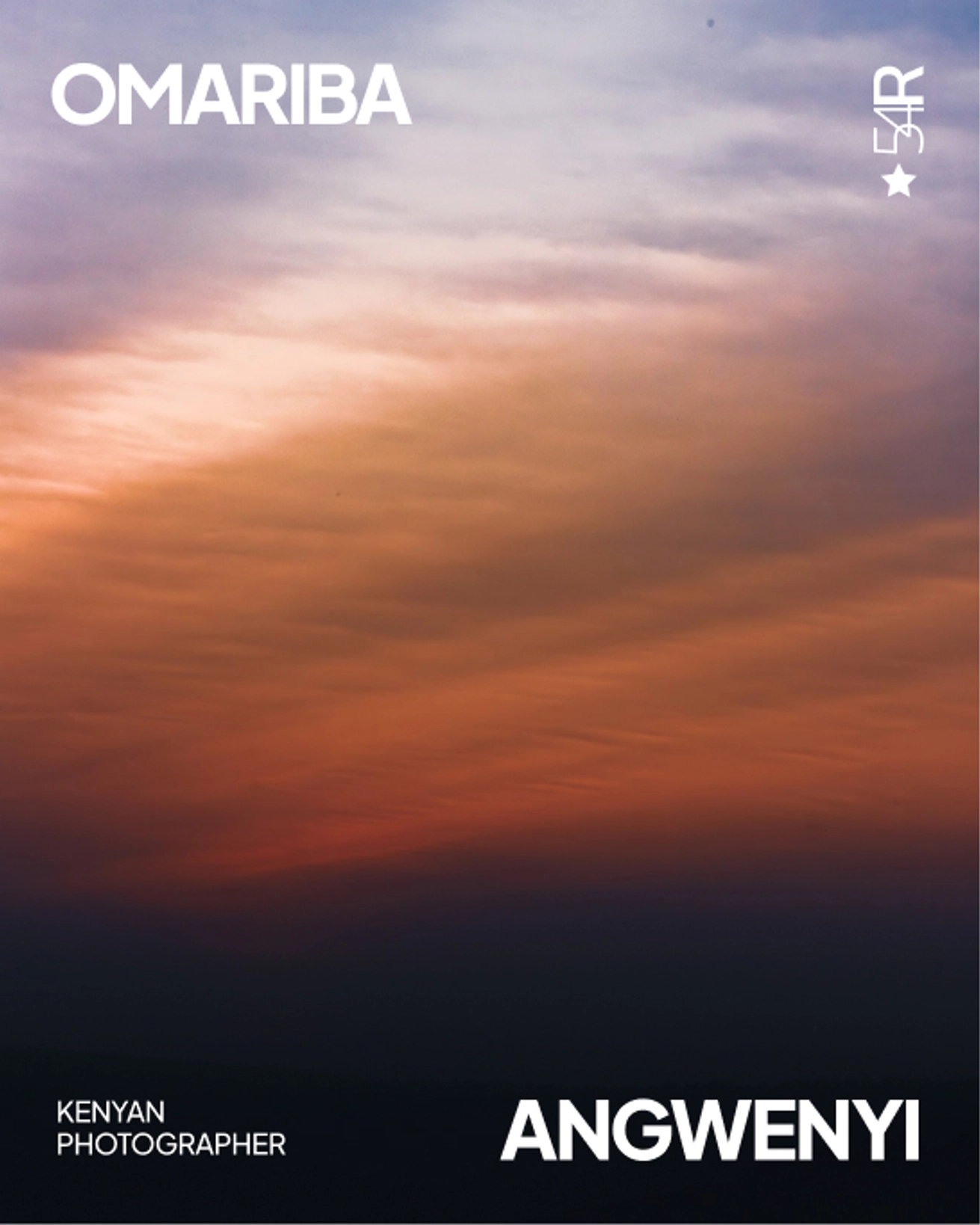
Omariba Angwenyi: Kenyan street and nature photographer finding meaning in overlooked moments
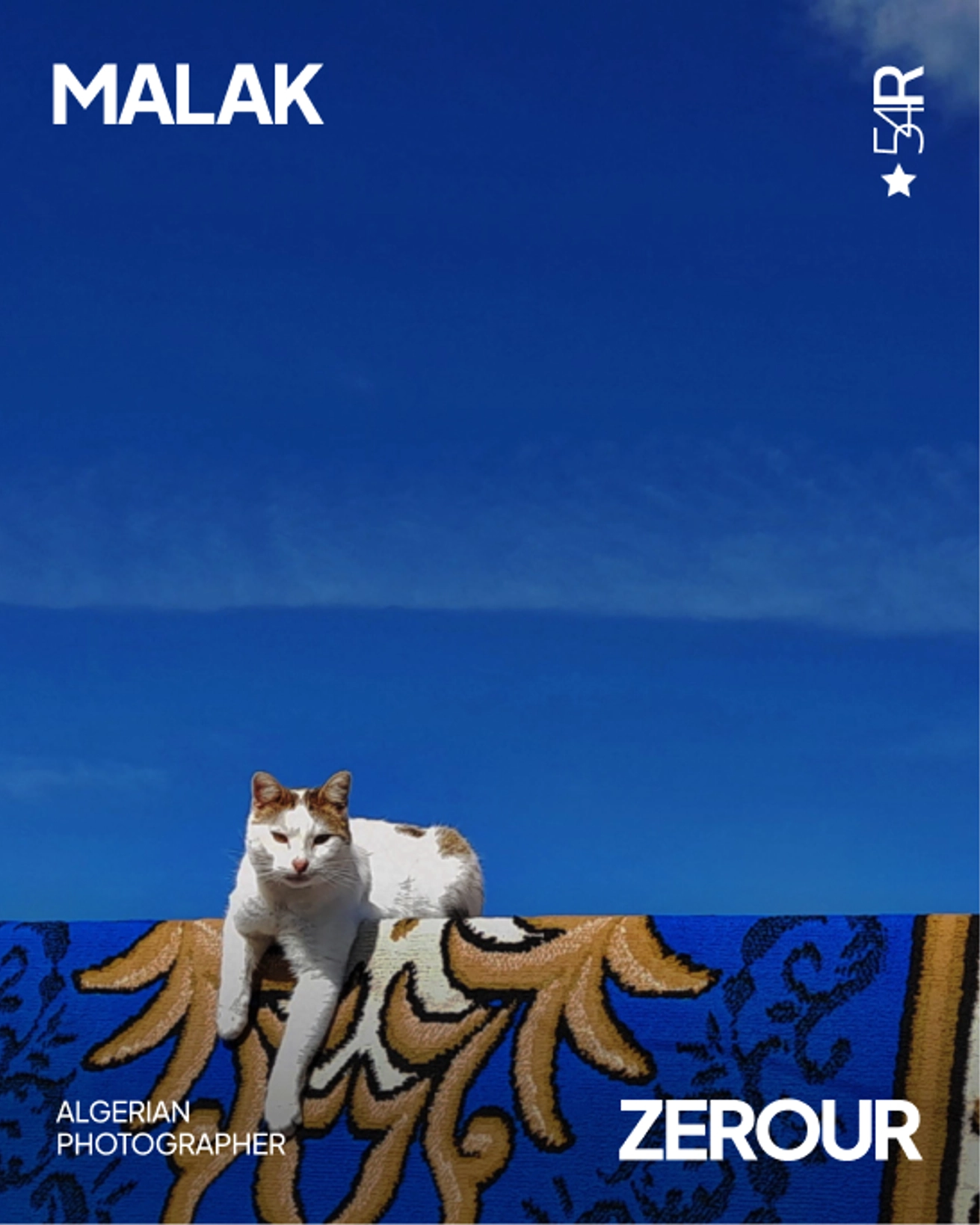
Malak Zerour: Algerian photographer developing her visual voice through light, colour, and everyday moments
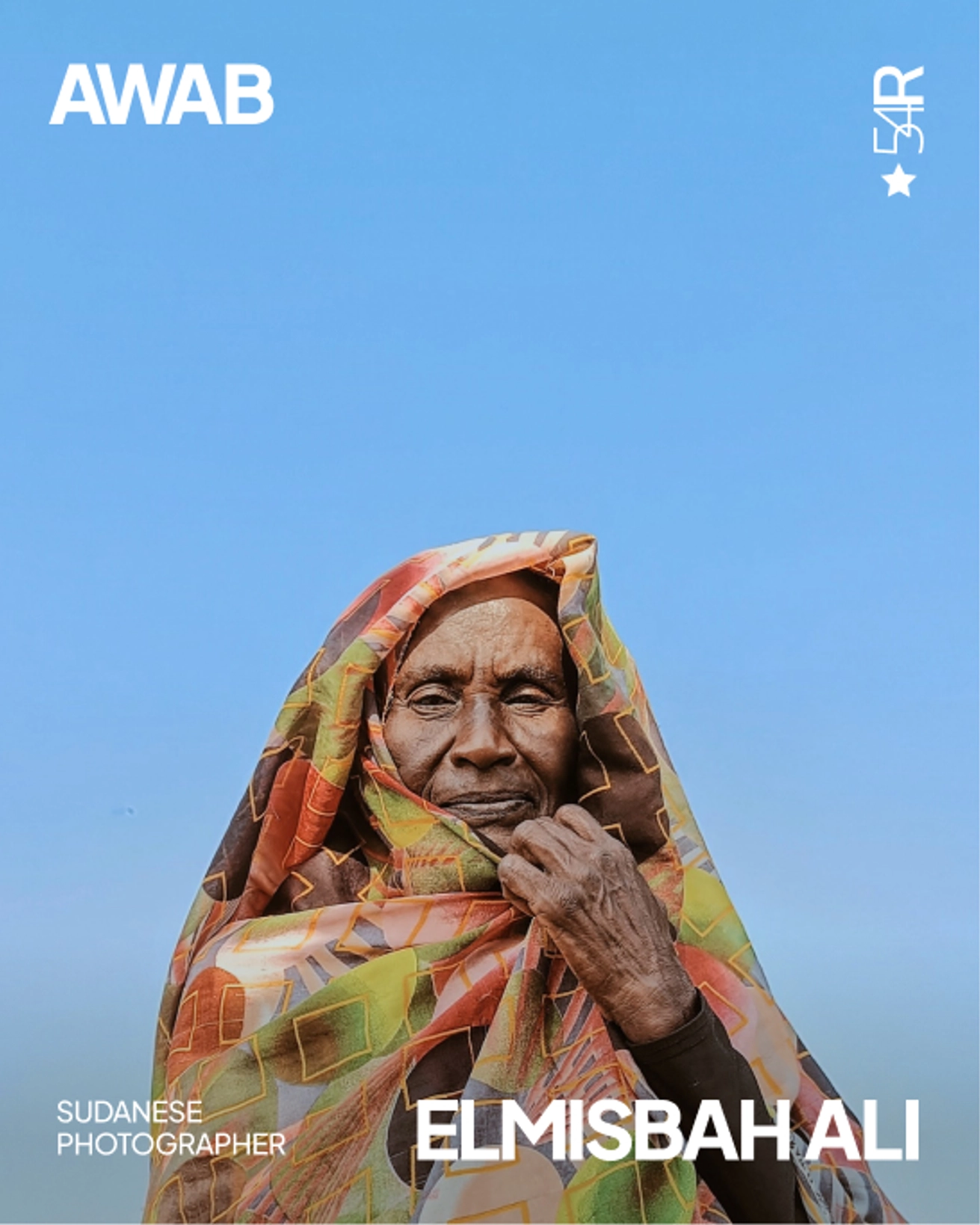
Awab Elmisbah Ali: Sudanese documentary photographer documenting displacement, humanity, and everyday life
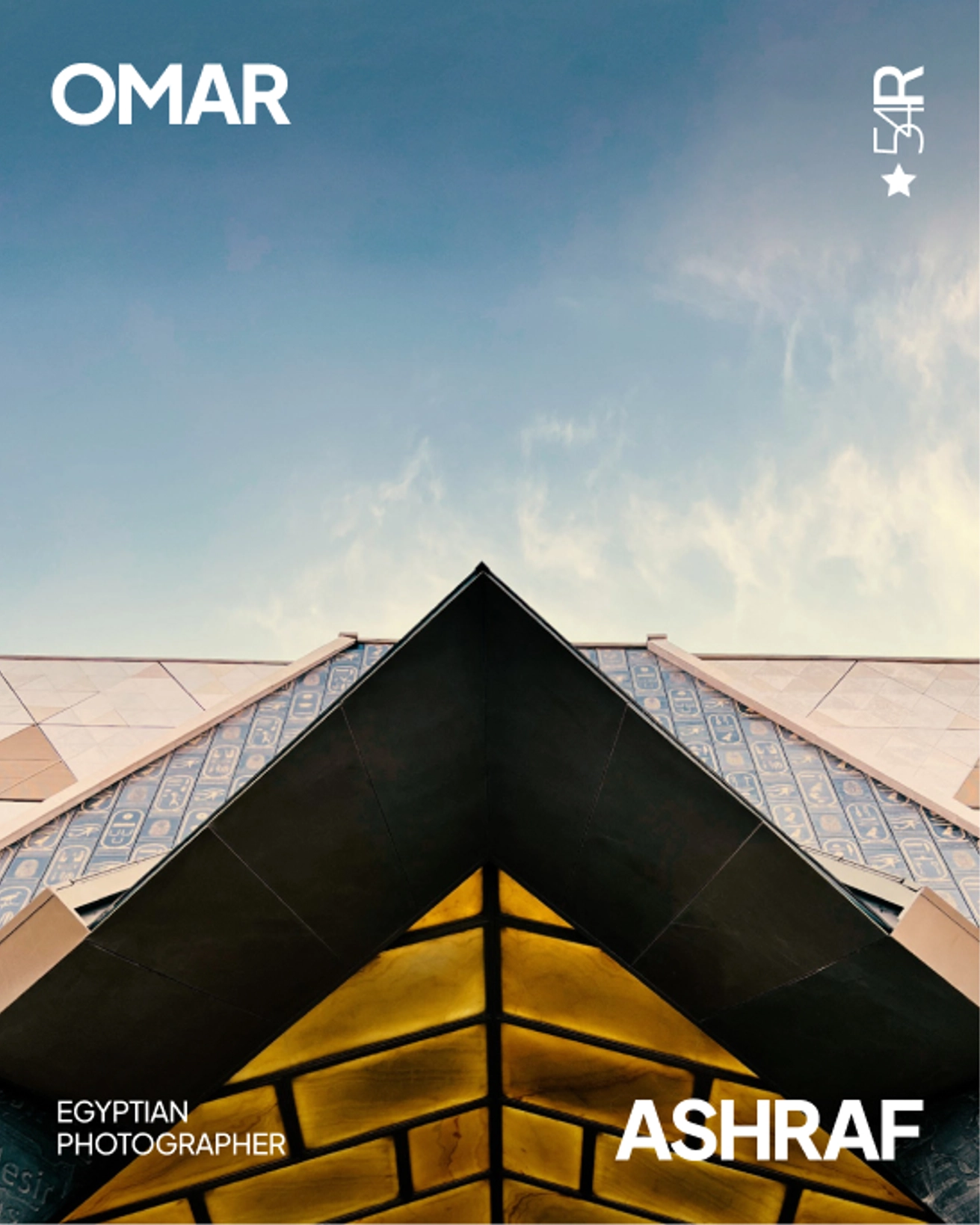
Omar Ashraf: Egyptian filmmaker and photographer finding new ways to see familiar places
Ala Kheir: Sudanese documentary photographer and educator tracing memory, displacement, and the dignity of everyday life
Thato Mothobi: South African visual artist using auto-ethnographic photography to explore memory, migration, and belonging
El Mehdi Kharbouch: Moroccan fine art photographer shaping visual conversations around memory, identity, and place
Liasmine Fodil : photographe algérienne questionnant les liens entre femmes, famille et société
Abdoulaye Gueye : photographe documentaire sénégalais, un regard qui capture Dakar entre nostalgie et mémoire
Ayomide Okanlawon: Nigerian visual artist & photographer shaping visual stories through colour, culture, and contrast
Mariam Ashraf: Egyptian documentary photographer documenting identity, memory, and belonging through people and place

Explore more content

Company

The Ruum Africa

Products

RTM

© 2026 The Ruum Africa

Built by