El Mehdi Kharbouch: Moroccan fine art photographer shaping visual conversations around memory, identity, and place

13 mins read
Published2 Sep, 2026

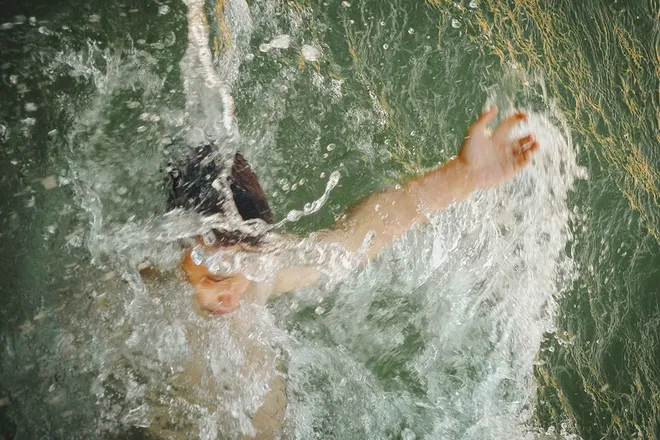
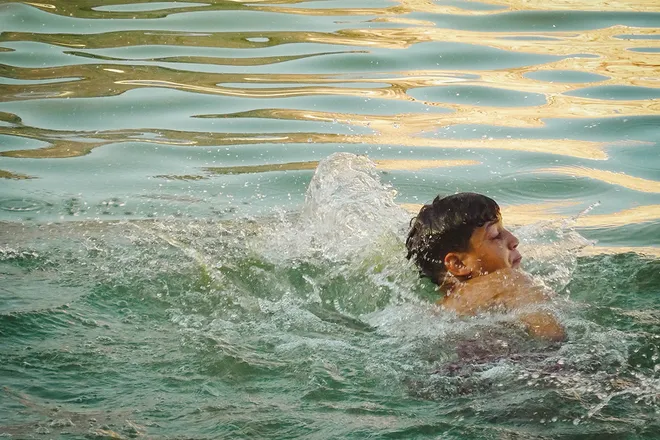
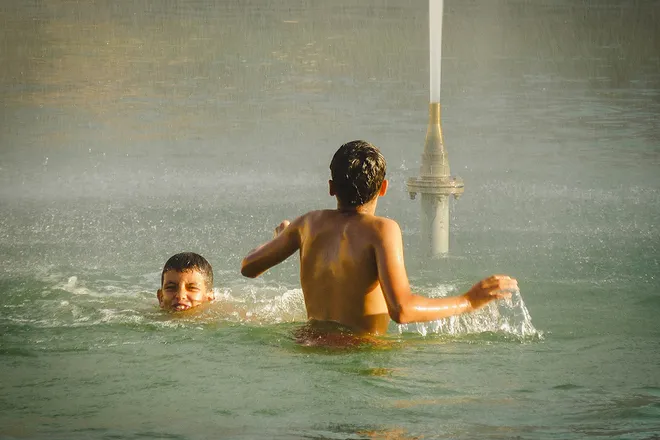
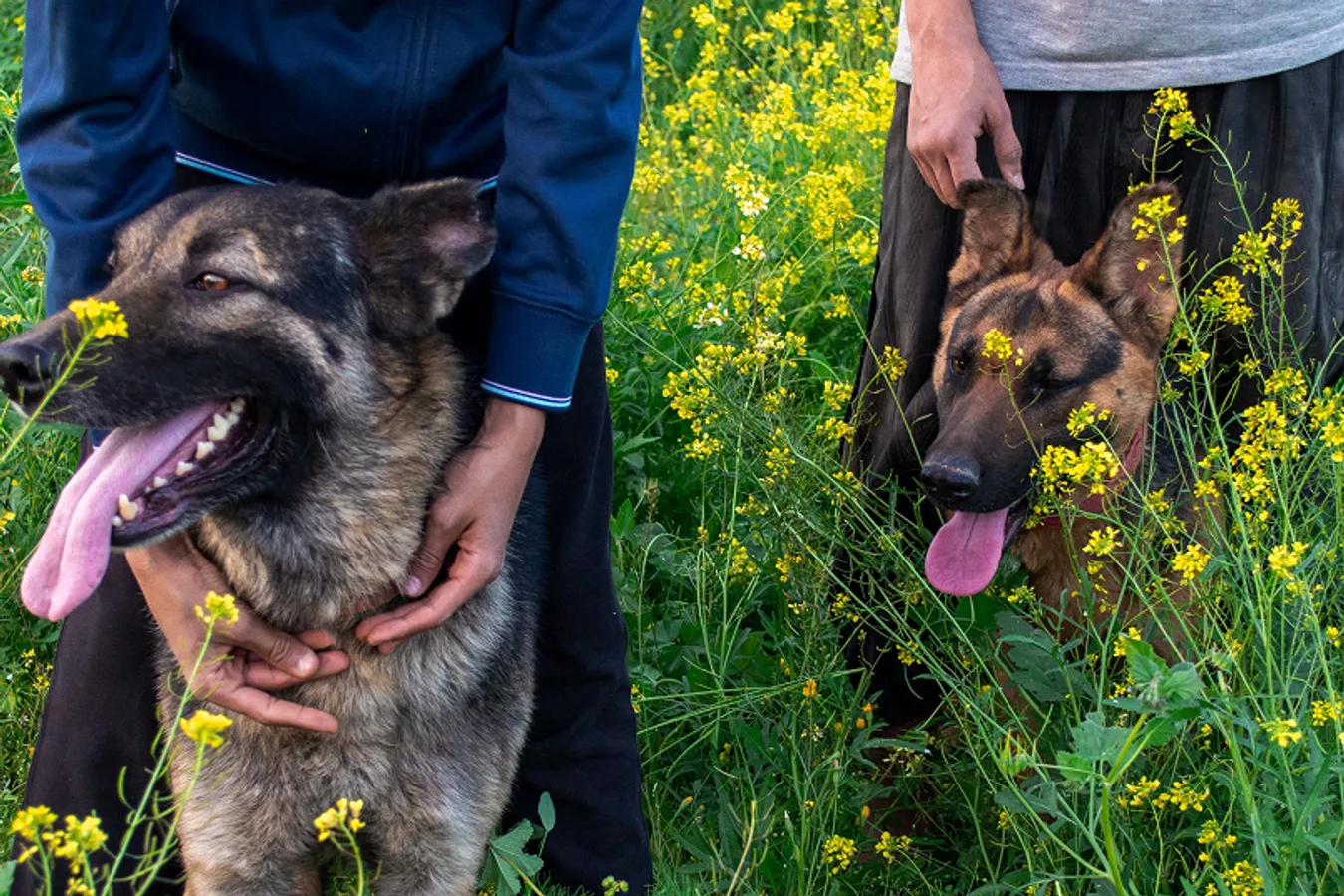
“Photography is a means of initiating a conversation around a subject and enabling the viewer to contribute to its meaning. I try to construct the image in a way that allows every element to raise a question or open a door to a story.”

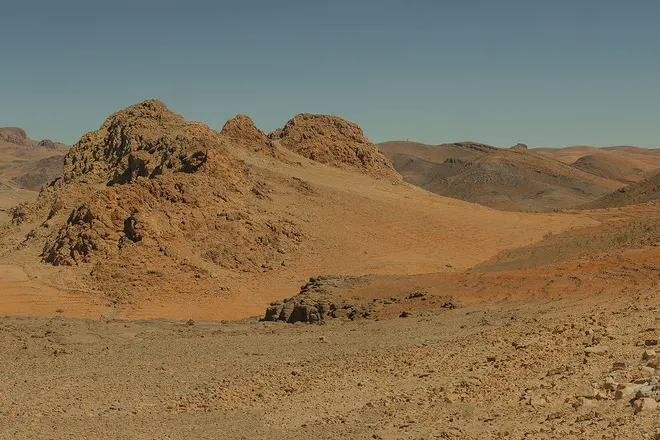
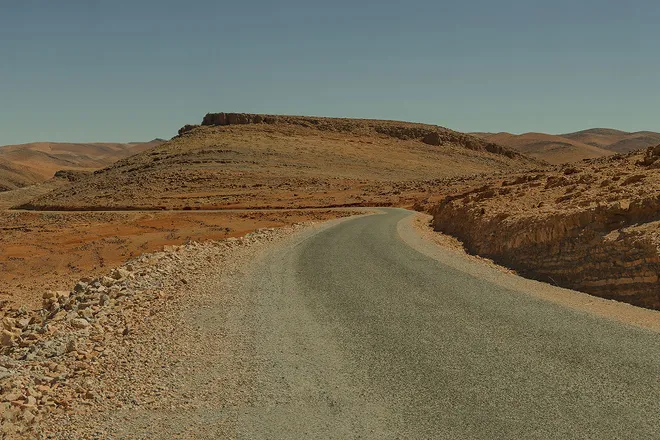
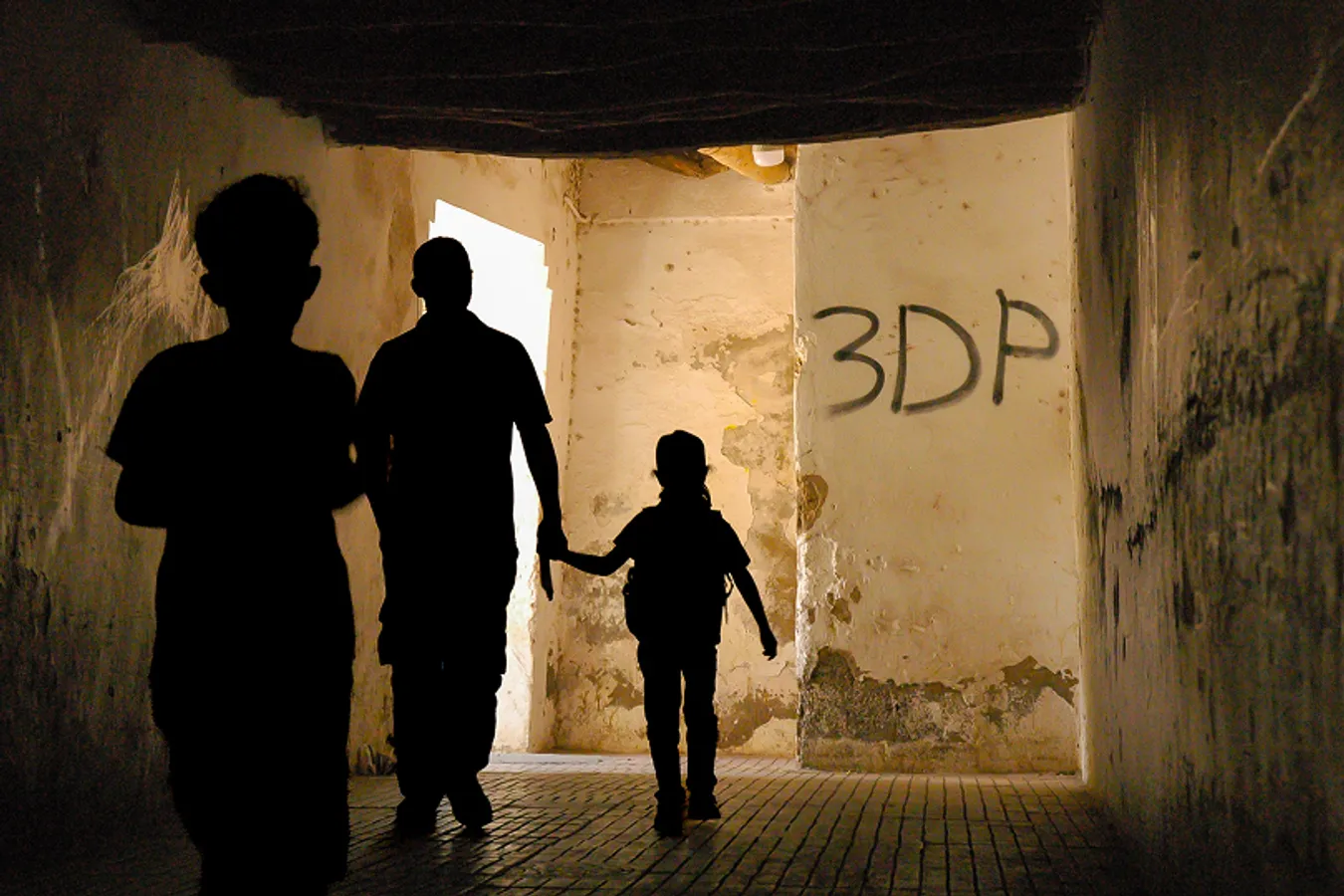
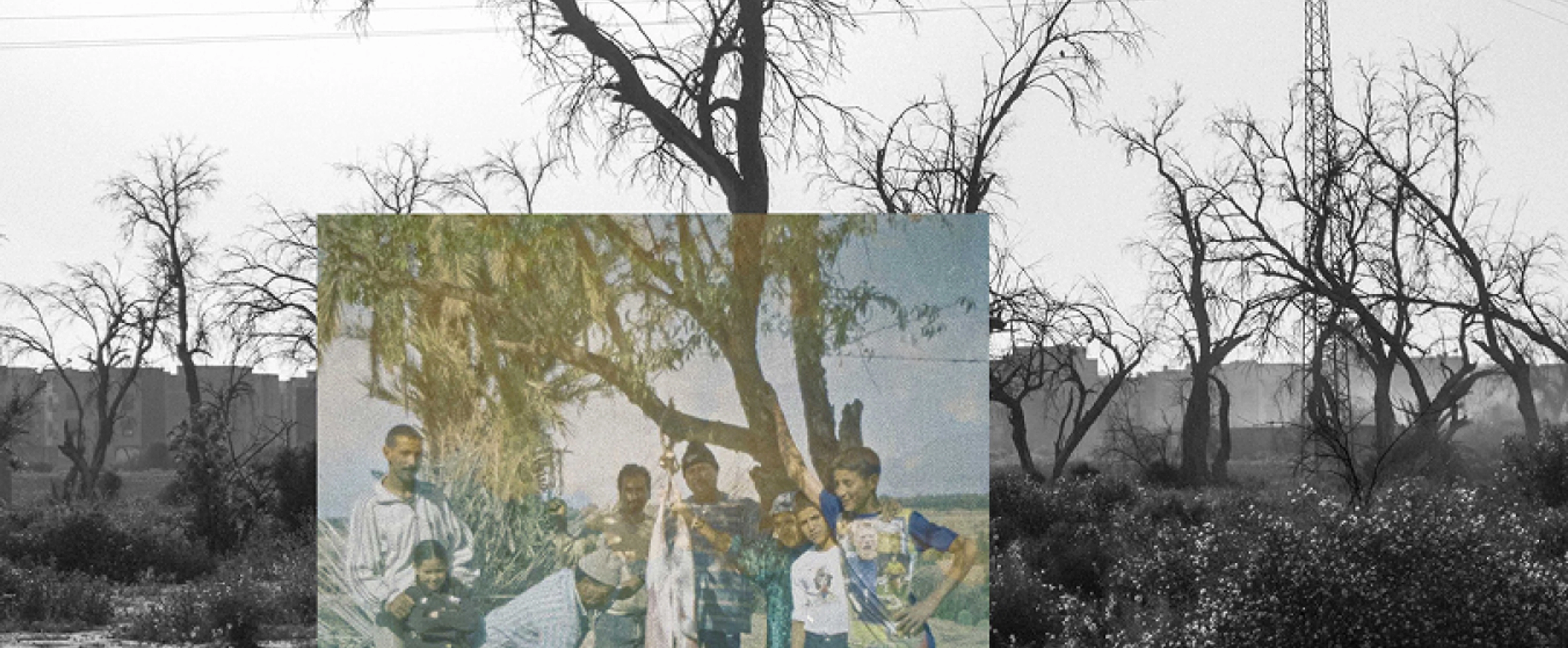
El Mehdi Kharbouch is a Moroccan visual artist and photographer from Taroudant, in the Souss-Massa region. Self-taught in his artistic practice, he works across photography, video, and experimental visual media. His work examines memory, belonging, and the transformation of landscapes through imagery, archives, and visual assemblage.

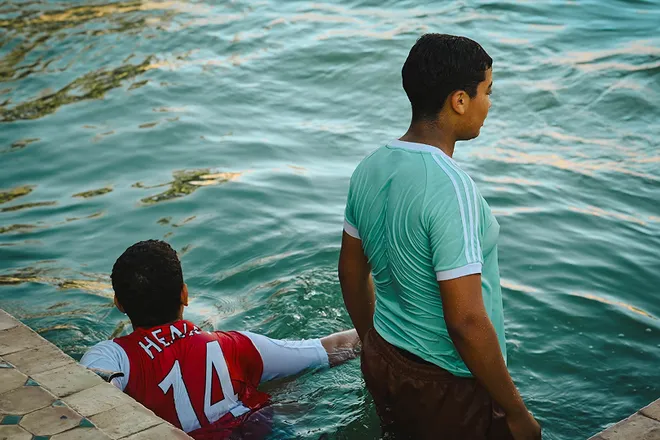
Drawing inspiration from his travels across different regions of Morocco, Kharbouch has developed an artistic practice centred on the relationship between people and place, and on how individual and collective memory is shaped through images and everyday experiences.

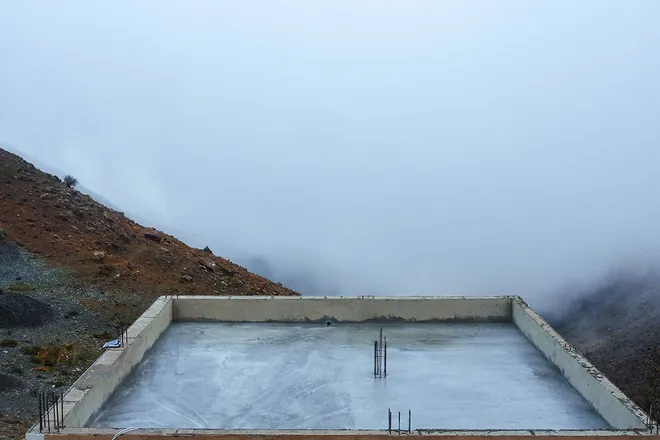
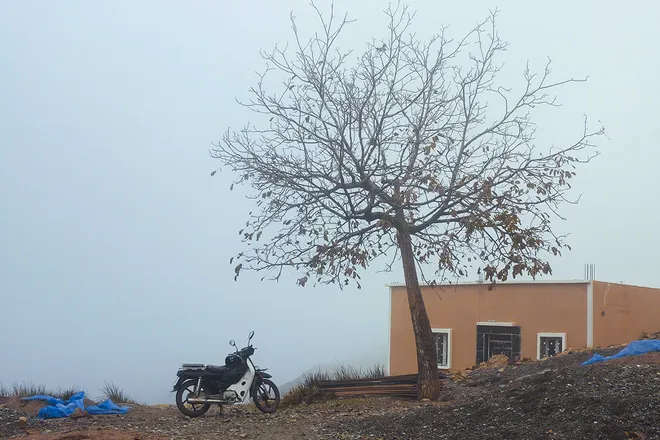
His work brings together documentary and fiction, with a particular focus on traces, fragility, and the social and environmental transformations of southern Morocco. Through visual storytelling and experimentation, he develops a contemporary visual language rooted in observation, interpretation, and the construction of meaning.
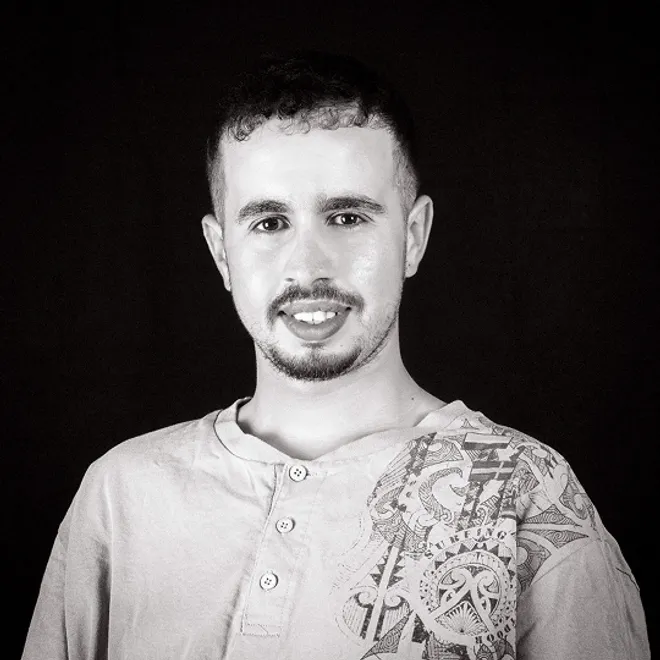
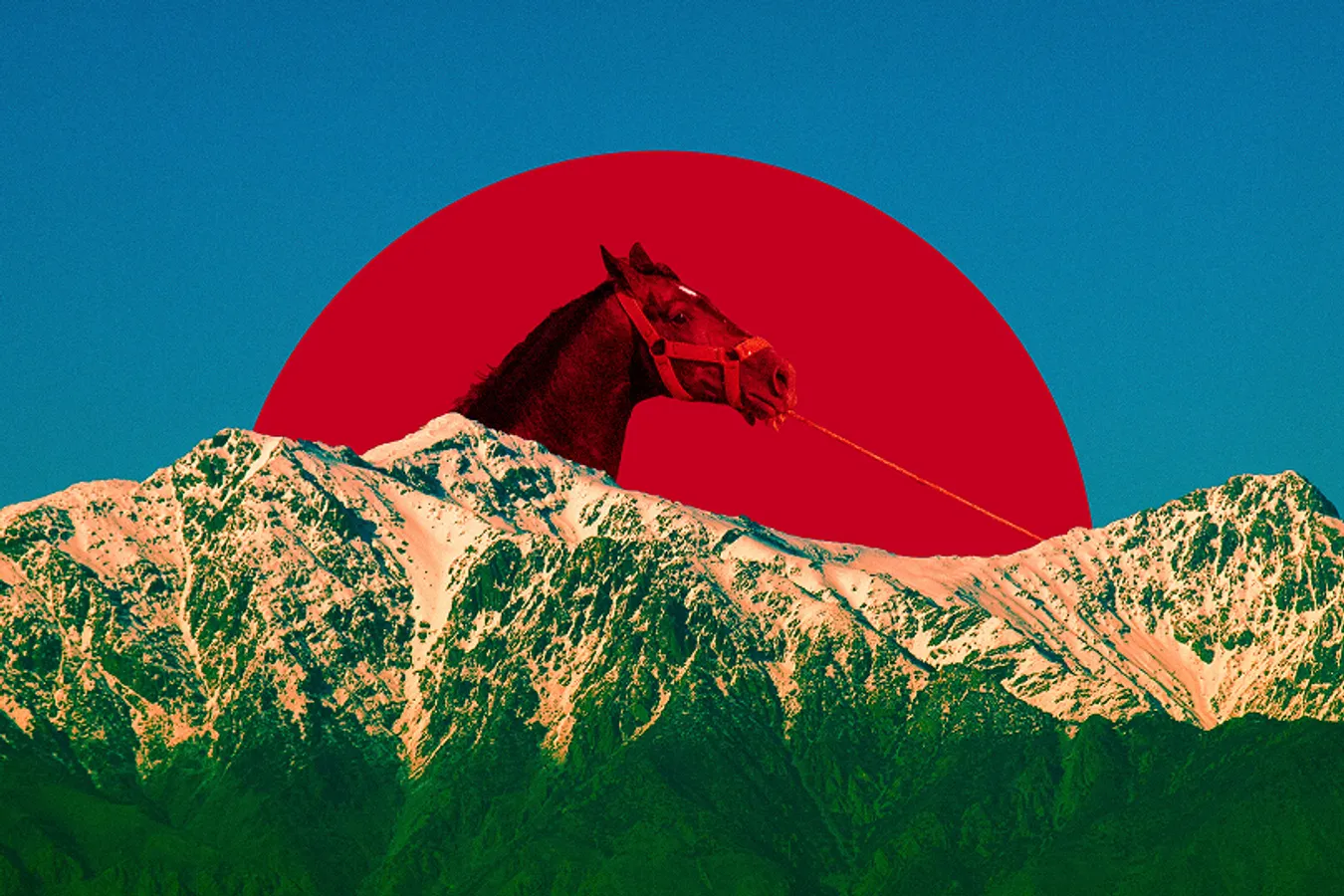
El Mehdi Kharbouch - Moroccan visual artist & photographer

How did you get started in photography?

I started taking photographs when I was around 15, when my father gave me my first DSLR camera as a gift. He had known from a young age that I was interested in photography. At first, I photographed my friends, birthdays, celebrations, and sometimes weddings. Little by little, I became more interested in photography.

What connected me to it even more was looking back through my family albums and seeing the photographs that had captured moments and experiences from our lives. I also remembered the photographs I had taken during school trips when I was younger. At that point, I understood that photography could preserve moments, memories, and experiences, and I became much more attached to it.

How would you describe yourself?

I'm a curious person who enjoys discovering new things, exploring different places, and getting to know different identities and ways of life. I am interested in art and travel because they are two areas where I often feel most like myself.

I also enjoy connecting with people and collaborating with them whenever I can. I think this curiosity and openness strongly influence the way I approach my photography and the subjects I choose to explore.

What are the main themes that inspire your photography?

Memory and identity, particularly the relationship between people and places, and how photography can bring memories and identities from the past into the present.

I use photography to guide the viewer towards a particular subject without imposing a single interpretation or answer. I try to construct the image in a way that allows every element to raise a question or open a door to a story. The viewer begins to observe the elements, connect them, and think about their relationship to the subject.

They then bring their own experiences and memories into the process, which can lead each person to a different interpretation. For me, photography is a way of opening a conversation around a subject and allowing the viewer to participate in creating its meaning.

"I began working seriously on my own projects and turned the time and space I had into a genuine environment for artistic practice and creation."

What moment in your career are you most proud of?

Definitely when I was able to create a space for myself where I could practise my art while also living the life I wanted. For me, this space was not simply a place where I worked. It allowed me to find a balance between my personal life and my artistic practice.

At the same time, I began working seriously on my own projects and turned the time and space I had into a genuine environment for artistic practice and creation. This period was important to me because I felt that I had finally started to build my career in a way that suited me, while being able to live my life and practise my art at the same time.

What is the biggest challenge you have faced as a photographer?

Waiting for the right equipment and resources before allowing myself to create the kind of work I wanted. With time, I realised that I did not necessarily need better equipment. I needed to understand how to make the most of what I already had and how to use it to achieve the results I was looking for.

To overcome this, I started studying art history and the history of photography, looking at how artists and photographers worked with the tools and resources available to them at the time. This helped me understand that the way you use what you have can be more important than having the best equipment.

It changed the way I approach my practice and taught me to start creating with what is available instead of waiting for ideal conditions.

What type of photography do you specialise in?

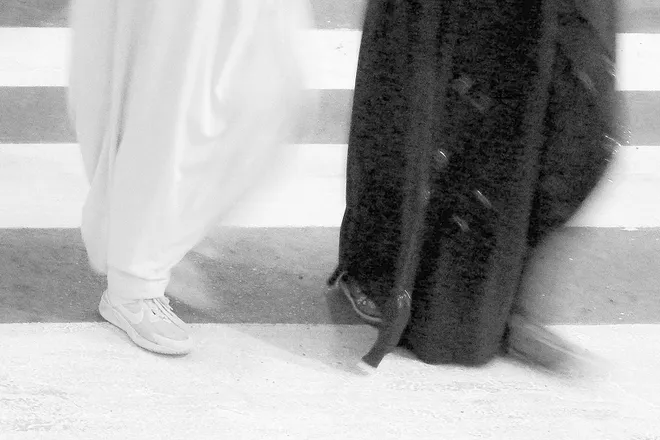
I do not work within one specific photographic style. I tend to move between documentary, vernacular, and conceptual photography, using experimentation as an important part of my practice. I choose the approach and techniques depending on what I want the work to communicate, allowing the visual language to evolve with each project.

Over time, my practice has gradually moved towards fine art photography. I have become more interested in developing photography as part of a broader artistic process, where experimentation, interpretation, and the construction of meaning are as important as the photograph itself.

What is your primary commercial niche?

Artistic projects, particularly in collaboration with galleries, art institutions, and festivals. I am interested in developing photography as part of broader artistic projects and contributing to work that can be developed, exhibited, and experienced as complete artistic works.

“Ultimately, I see the photograph as something that is not separate from me. I am part of the image, and the image is part of me.”

What is your unique technical or visual approach?

When I face a subject, I first focus on the elements I can use to build the image. Sometimes I discover these elements within the existing scene, sometimes I introduce elements myself, and sometimes I try to change the meaning of an existing element through the way I photograph and position it within the image.

For me, technique is not a fixed rule. I use whatever technique allows me to reach the image I am looking for. I experiment with composition, light, and colour, even when the result is not necessarily beautiful.

Sometimes I photograph the same place many times, while at other times a person can become the most important element in the image. I move between documentary, vernacular, and conceptual photography depending on what I feel will communicate the idea most effectively.

Ultimately, I see the photograph as something that is deeply connected to me. I am part of the image, and the image is part of me.

Which global brands, photographers, or industries do you feel your work aligns with most?

I feel my work aligns closely with contemporary art and cultural spaces. I am particularly interested in working with galleries, art institutions, and festivals where photography can form part of a larger artistic project.

My practice focuses on developing artistic projects that can be exhibited and experienced as complete works. I want to contribute to the construction and development of projects where photography can carry a broader narrative and engage with different subjects and contexts.

How is the photography and art space in Morocco? How has it evolved in recent years?

From my point of view, the art and photography scene in Morocco has developed significantly in recent years, and there are now more opportunities for young artists to show their work and participate in the artistic scene.

At the same time, I do not feel that I can generalise this experience to all artists, because every artist experiences the scene differently depending on where they live, their circumstances, and their personal experience.

For me, this is a difficult question to answer as a general statement about the whole country, because the experience can be very different from one artist to another and from one city to another. I can only speak from my own perspective and experience as a photographer.

“I remain committed to the work I undertake, respect the people I photograph, and never compromise on the quality of my work.”

What is one professional standard you never compromise on?

For me, freedom of expression is fundamental, and that freedom comes with responsibility. I remain committed to the work I undertake; I respect the people I photograph, and I do not compromise on the quality of my work.

Being free in my expression means taking responsibility for how I work and how I represent others. I believe that freedom, respect, commitment, and quality all need to exist together in my practice.

What do you think of the 54Ruum platform?

What I like most about 54Ruum is the exposure it creates for artists. I see the platform as an opportunity for artists to reach a wider audience and for their work to go beyond the environment in which they currently live and work.

This is particularly important for young artists who are still building their presence and trying to reach new people and new spaces.

Credits

Text

Kelvin Otum

Photography

El Mehdi Kharbouch

Curation

guvnor

SHARE THIS STORY

Join Our Community

More Stories

Alsyed Elsaadani: Egyptian documentary photographer exploring human stories through everyday life
Samuel Adeleke: Nigerian photographer documenting culture, identity, and quiet human moments in Northern Nigeria
Inga Nontshibongo: South African lifestyle photographer documenting urban culture through cinematic storytelling
Daniel Cole: Nigerian portrait and conceptual photographer using colour and poetry to tell stories
Omariba Angwenyi: Kenyan street and nature photographer finding meaning in overlooked moments
Malak Zerour: Algerian photographer developing her visual voice through light, colour, and everyday moments
Awab Elmisbah Ali: Sudanese documentary photographer documenting displacement, humanity, and everyday life
Omar Ashraf: Egyptian filmmaker and photographer finding new ways to see familiar places
Ala Kheir: Sudanese documentary photographer and educator tracing memory, displacement, and the dignity of everyday life
Thato Mothobi: South African visual artist using auto-ethnographic photography to explore memory, migration, and belonging
Karim Magdy: Egyptian visual artist and photographer documenting everyday life through photography and video
Liasmine Fodil : photographe algérienne questionnant les liens entre femmes, famille et société
Abdoulaye Gueye : photographe documentaire sénégalais, un regard qui capture Dakar entre nostalgie et mémoire
Ayomide Okanlawon: Nigerian visual artist & photographer shaping visual stories through colour, culture, and contrast
Mariam Ashraf: Egyptian documentary photographer documenting identity, memory, and belonging through people and place

Explore more content

Company

The Ruum Africa

Products

RTM

© 2026 The Ruum Africa

Built by