Ahmed Elkhatib: Egyptian film critic, filmmaker and photographer exploring cinema, analogue photography and everyday life

11 mins read
Published28 Jul, 2026

"It all started with cinema. I picked up an analog camera to train my eye, but before long I fell in love with photography itself. There was something magical about never knowing exactly what the images would look like until they were developed."

Ahmed Elkhatib is an Egyptian film critic, cultural programmer, filmmaker, and photographer whose practice brings together critical writing, filmmaking, festival programming, and analogue photography. Over the past decade, he has written extensively about cinema while building experience in filmmaking, film selection, and public programming through film festivals and cultural initiatives.

Alongside his work as a critic, he explores photography as a personal creative practice, with a particular interest in analogue processes and film preservation. His photography reflects a fascination with everyday life, overlooked details, and the quiet relationships between people, places, and objects. He is currently developing his first short film while continuing to work across criticism, programming, and visual storytelling.
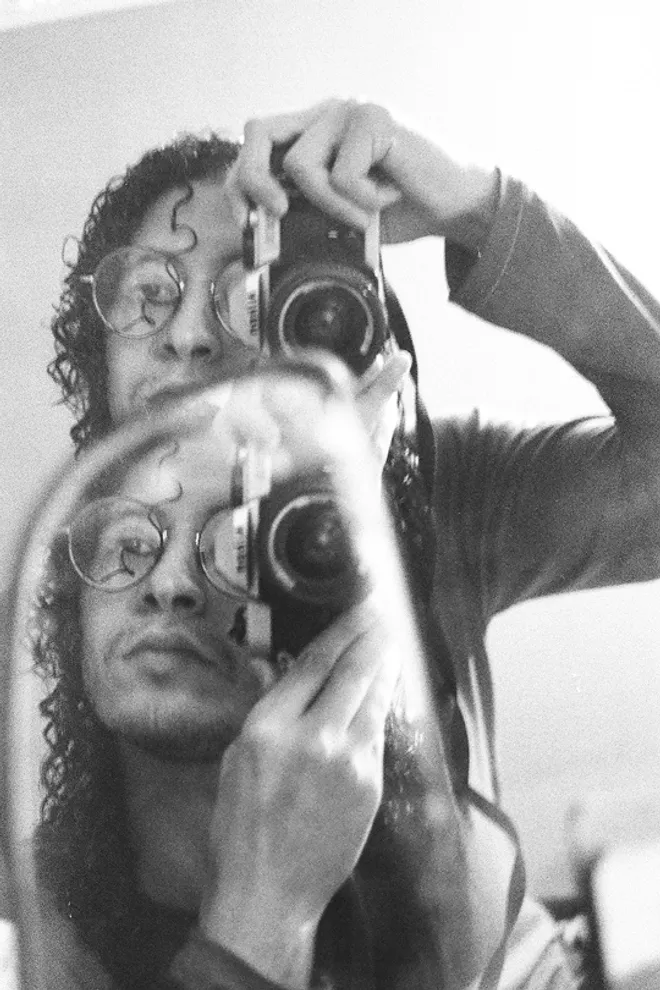
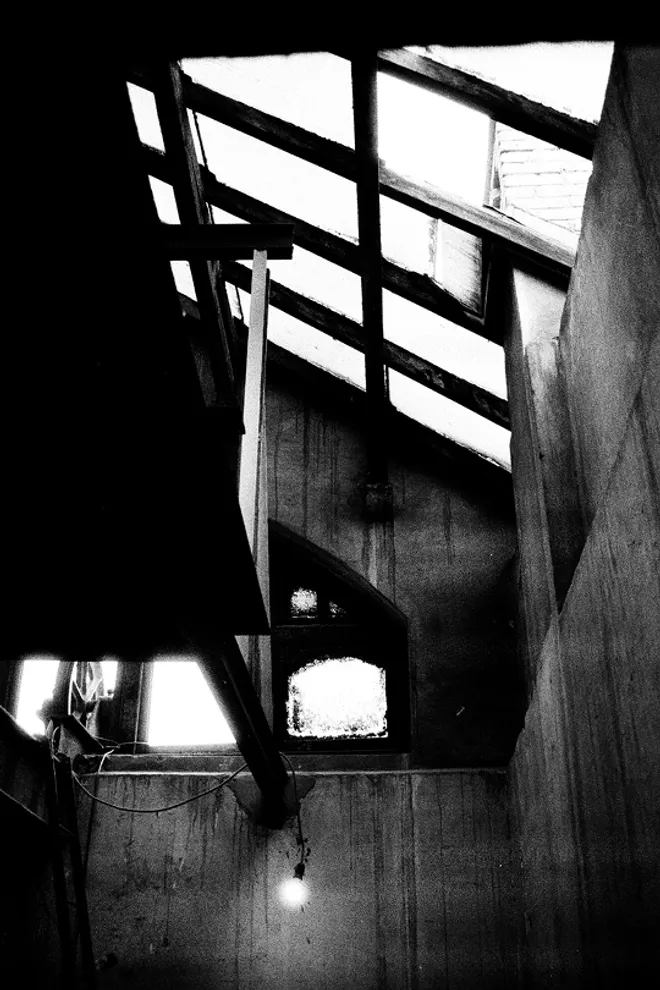
Ahmed Elkhatib - Egyptian filmmaker and photographer

How did you get started in photography?

It all started with cinema. I have always been obsessed with films, and because I wanted to become a filmmaker, I borrowed an analogue camera from a friend. At first, photography was simply a way to train my eye, teaching myself to observe light, composition, and everyday moments more carefully.

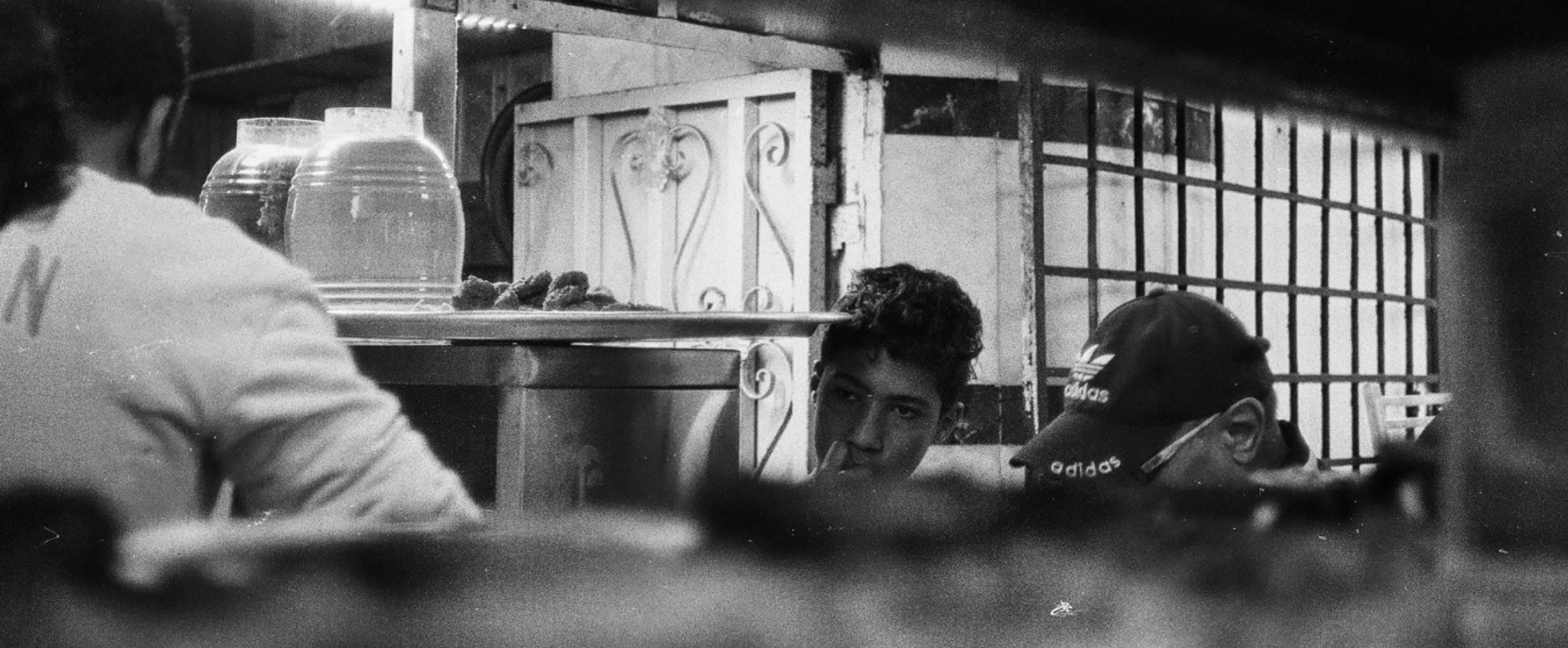
Before long, I fell in love with photography itself, especially analogue photography. I started shooting more and more rolls, mostly expired black-and-white film because it was the most affordable option available to me. There was something magical about never knowing exactly what the images would look like until they were developed.

I still do not consider myself a professional photographer. Photography remains a personal practice more than a profession. I simply enjoy making images, and it has become an important part of how I see and experience the world.

How would you describe yourself?

Slow, lazy, and always procrastinating.

That probably sounds like a terrible introduction, but it is true. When it comes to anything visual, though, I become incredibly excited. I am also the kind of person who almost always chooses the more difficult path instead of the safer one. I am not entirely sure why. Perhaps I simply enjoy making things harder for myself.

Despite constantly joking about being lazy, I am deeply committed to the things I care about. Once an idea captures my attention, I am willing to spend as much time as it takes exploring it.

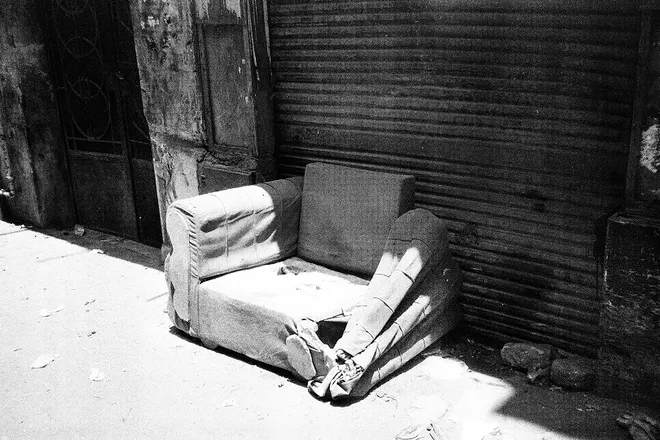
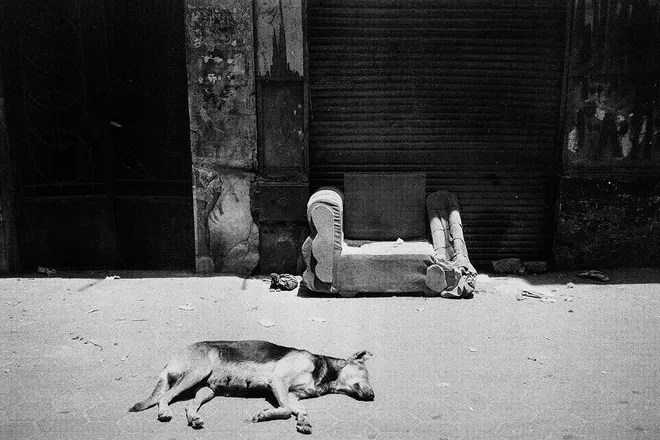
"I have become fascinated by neglected and discarded objects. I like the idea that something people throw away can find a new place and purpose, becoming part of the landscape in an entirely different way."

What are the main themes that inspire your photography?

I am still figuring that out, to be honest.

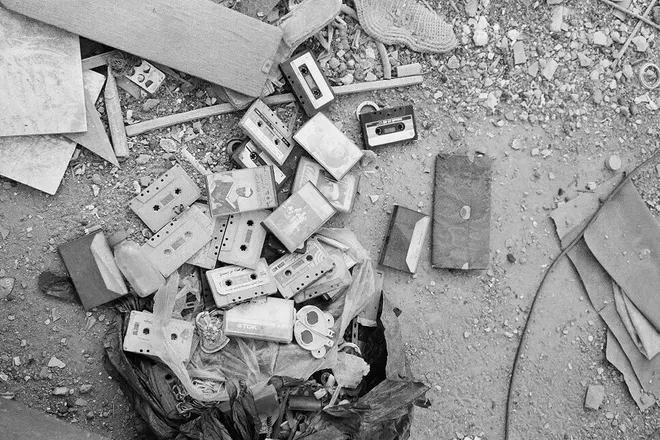
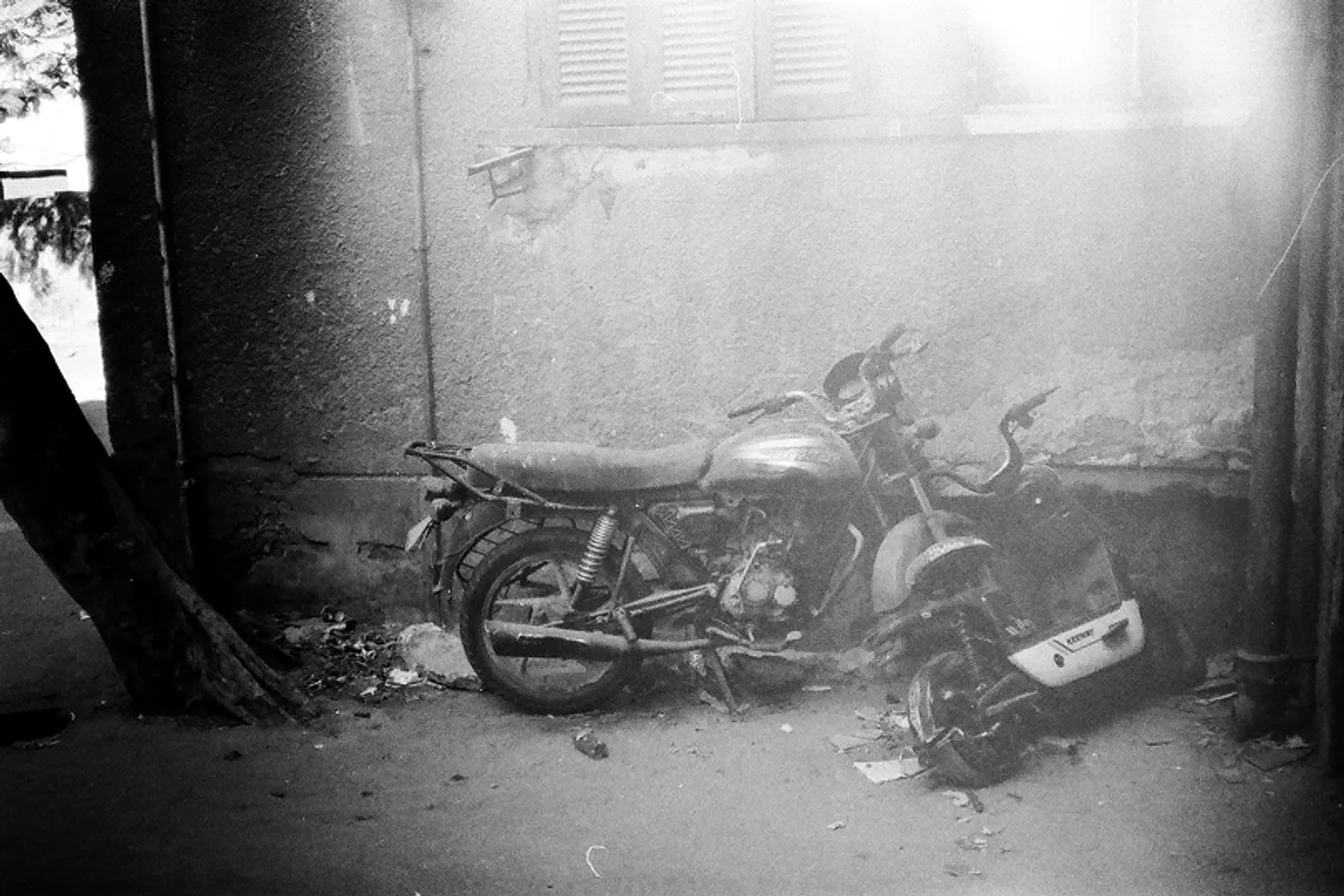
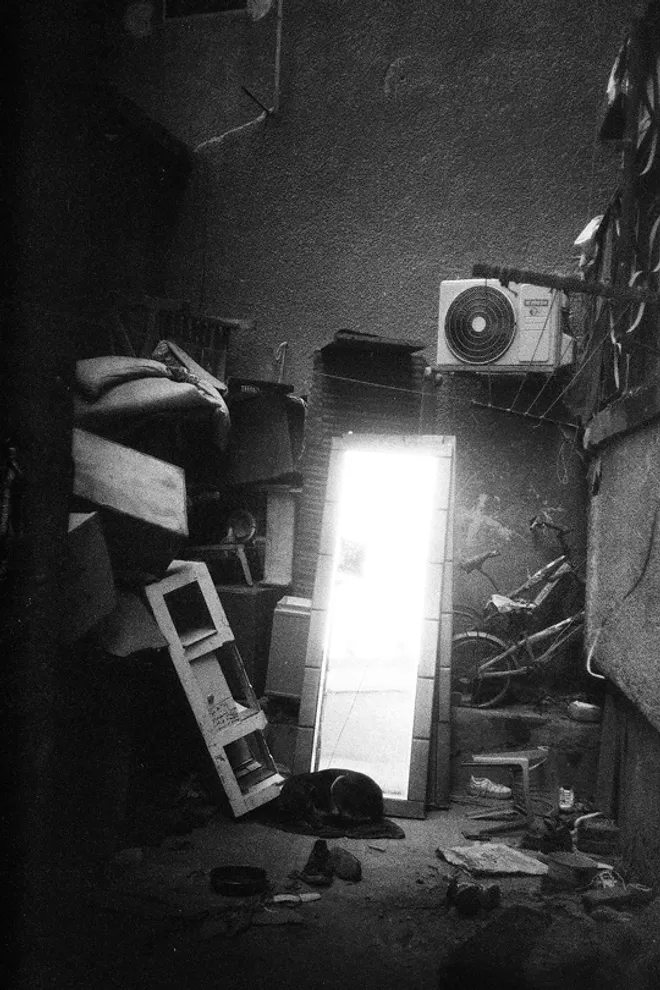
Lately, I have become fascinated by neglected and discarded objects. I have started working on a project exploring the second life of these things, looking at how something people throw away can find a new place and purpose in the street, becoming part of the landscape in an entirely different way.

When it comes to connecting with people, I do not spend much time thinking about how an image will be received. I believe photographs eventually find their own way to the people who need them. My role is simply to offer a different perspective.

What moment in your career are you most proud of?

I do not think I have reached that defining milestone yet.

The moments I value most are when someone tells me they connected with my writing or my photographs. Knowing that something I created stayed with another person is more meaningful to me than any award or achievement.

What is the biggest challenge you've faced as a photographer?

Working with a limited budget.

Film photography can be expensive, especially when I want to experiment with different black-and-white and colour film stocks. For a long time, I simply could not afford them.

Instead of seeing that as a limitation, I learned to work with what I had. Around 95% of my photographs are made on expired film. That constraint has become part of my process, teaching me to be resourceful and to focus more on the image than the equipment.

"The streets of Cairo are constantly changing. I am drawn to the objects, textures, and overlooked details that most people walk past without noticing."

What type of photography do you specialise in?

I mostly photograph the streets.

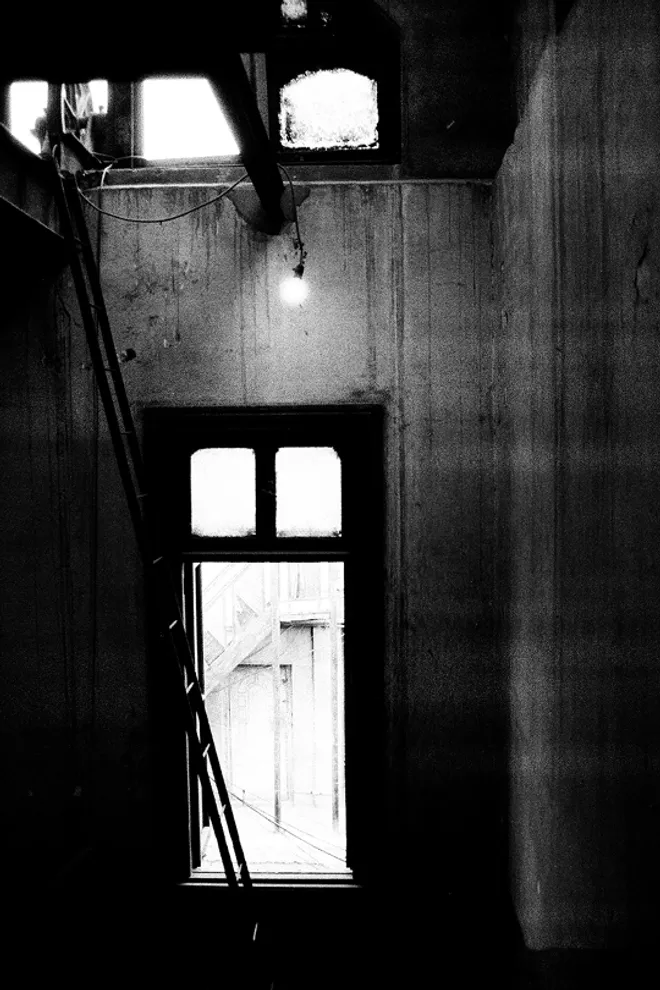
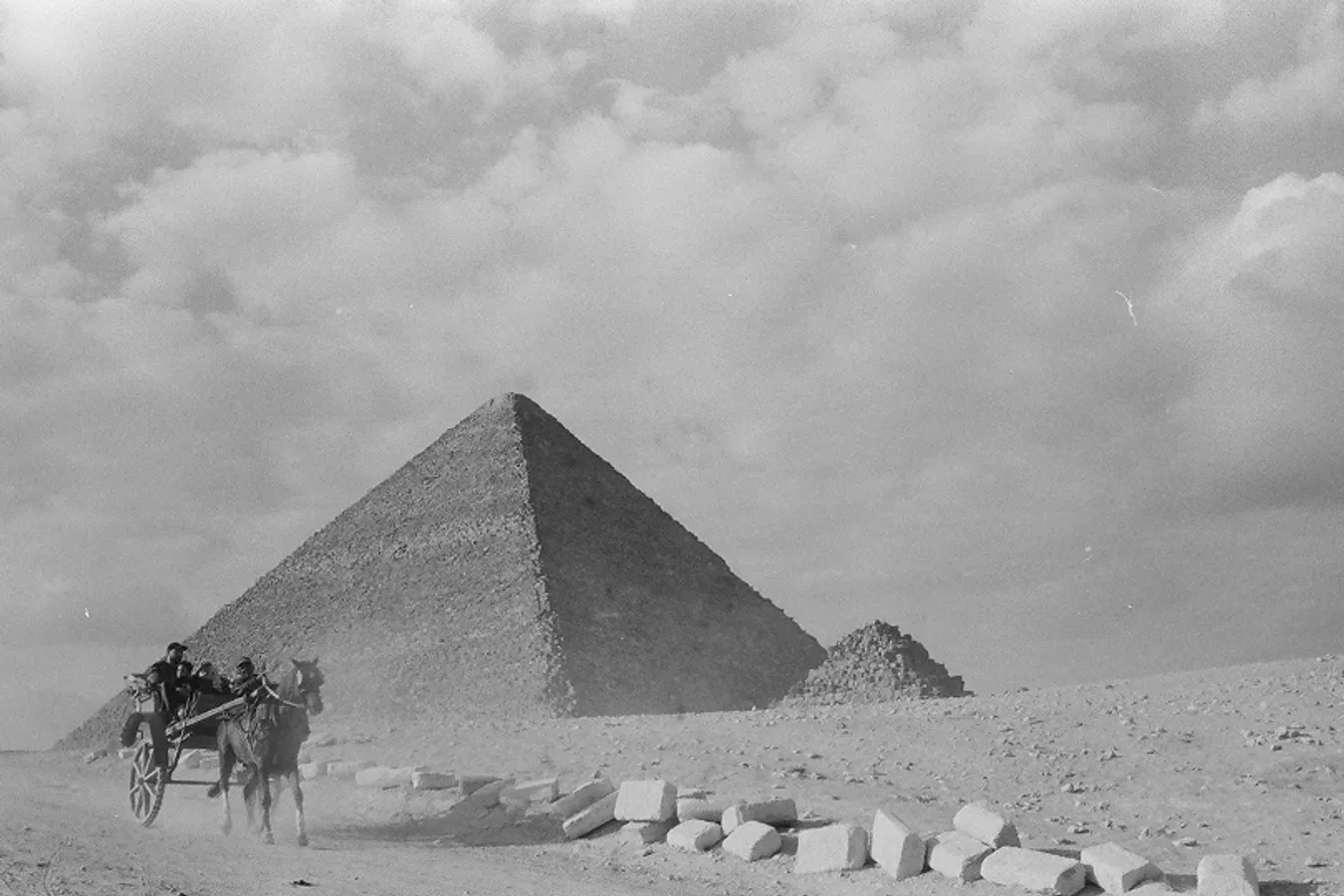
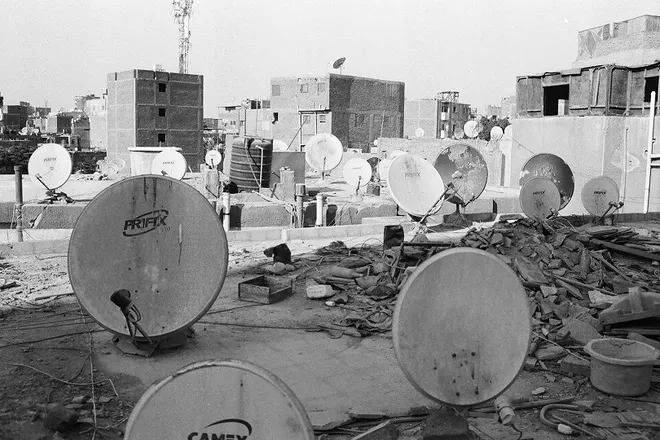
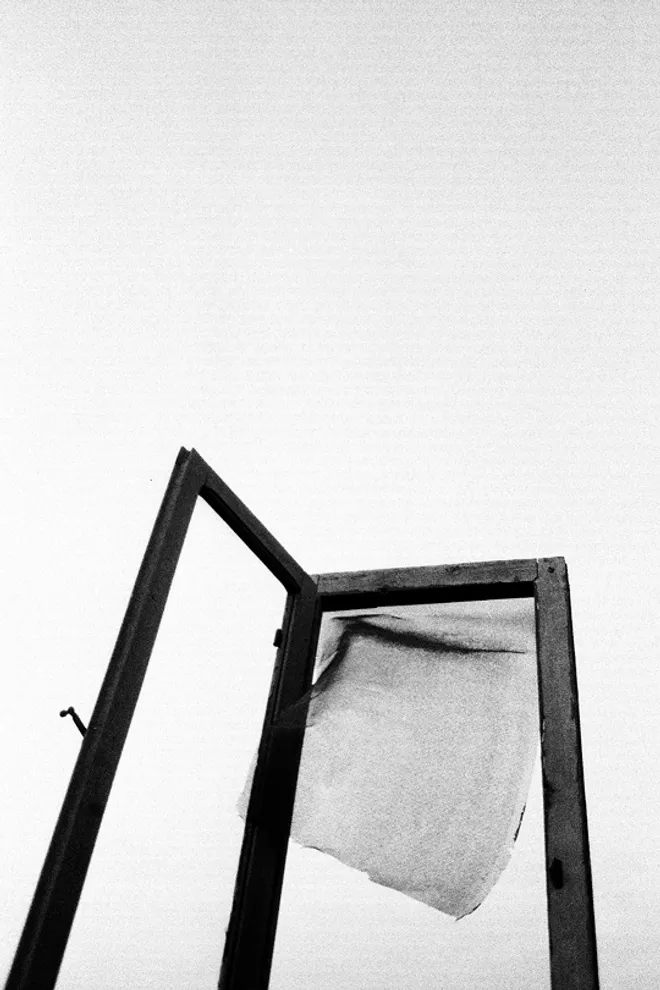
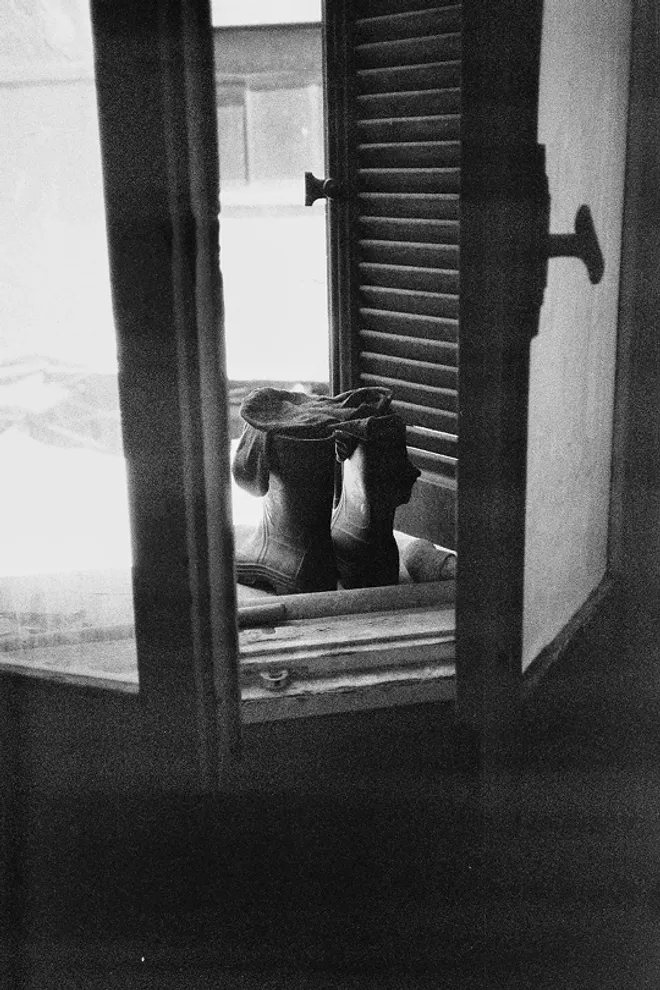
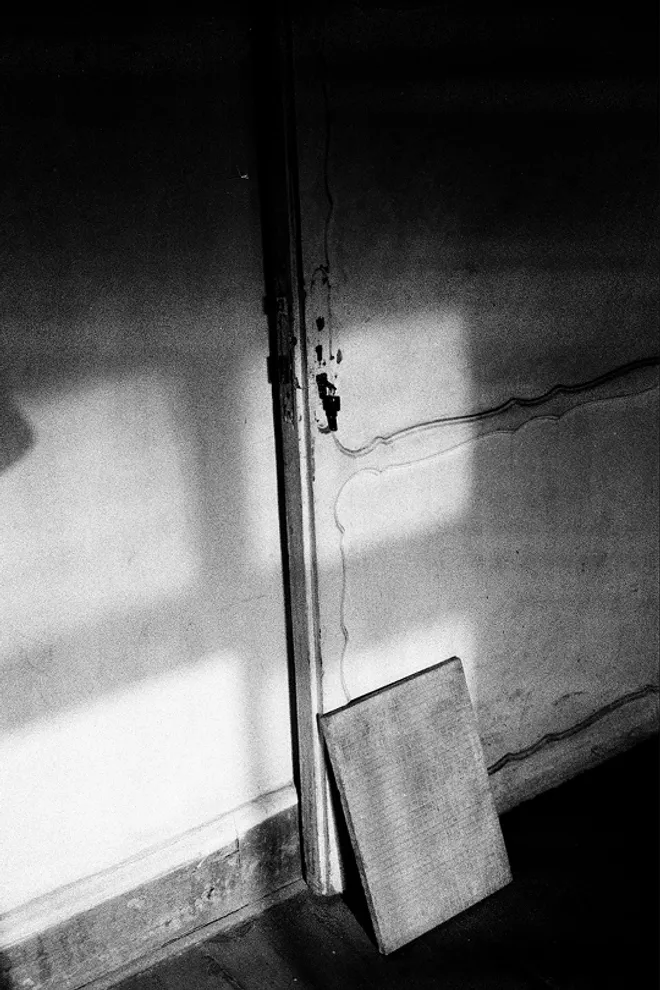
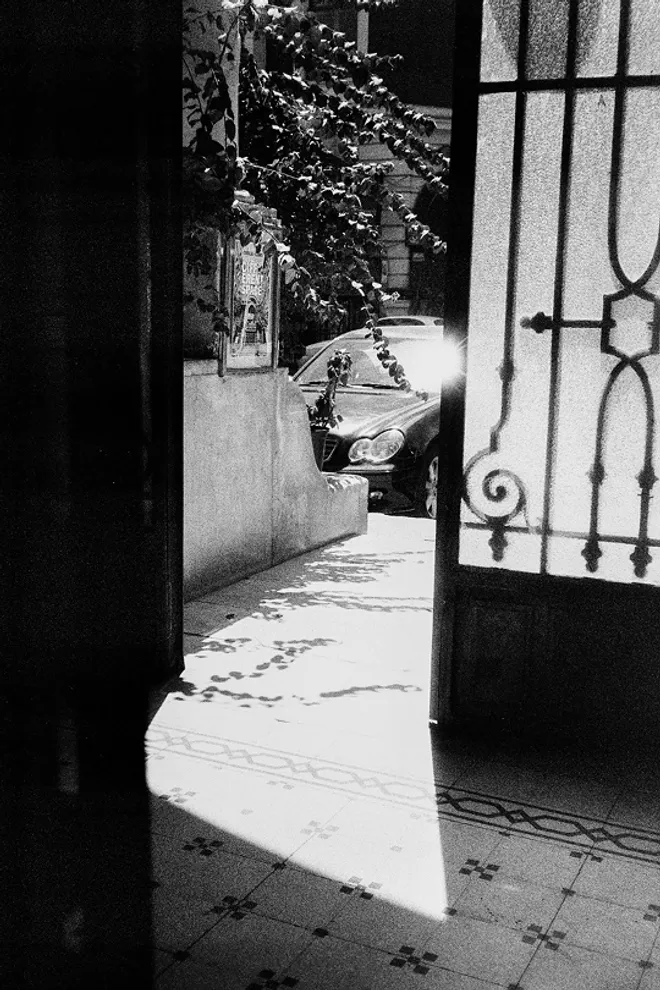
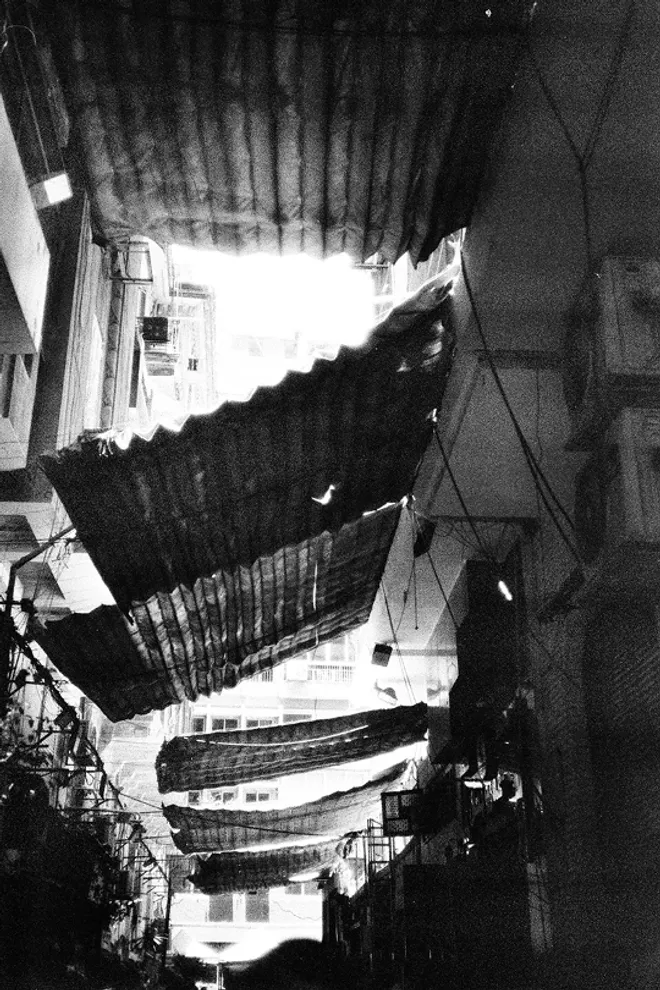
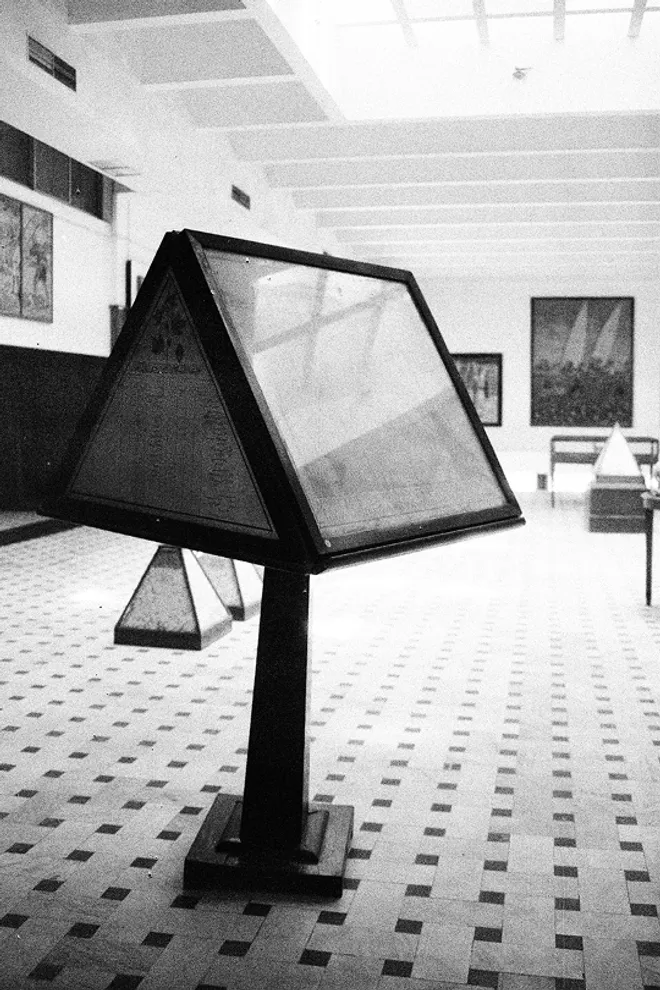
It does not always have to be people. In fact, I am often more interested in the objects, textures, and small details that make up the streets of Cairo. The city is constantly changing, and I enjoy paying attention to the things that most people walk past without noticing, even if they are imperfect or overlooked.

My style continues to evolve with every roll of film I shoot and every image I make. I do not think that is something you can fully control. Your way of seeing changes as you do.

Although street photography is where I naturally feel most at home, I do not like limiting myself to a single genre. I am open to photographing almost anything. Studio photography is probably the only area I have not explored yet, and I would like to change that someday.

What is your primary commercial niche?

Photography is still a personal practice for me, so I do not have a clearly defined commercial niche yet.

Most of my work centres on street photography and everyday life in Cairo. As my practice continues to grow, I hope to collaborate on projects that value thoughtful visual storytelling and personal ways of seeing the world.

What is your unique technical or visual approach?

I like to keep a certain distance from my subjects.

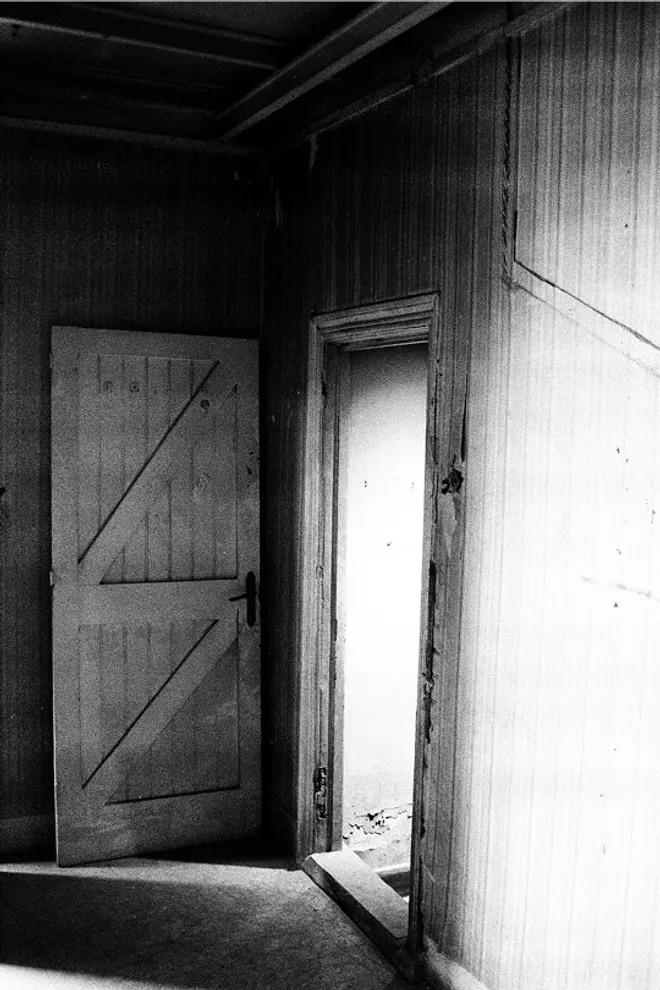
That distance allows me to observe rather than intervene, giving me space to discover quieter and more poetic moments. I am less interested in documenting objects exactly as they are and more interested in the atmosphere, emotions, and subtle stories they can evoke.

Which global brands, photographers, or industries do you feel your work aligns with most?

I do not spend much time thinking about brands. My focus has always been on making photographs.

The photographers who inspire me most are Saul Leiter and Olga Karlovac. I admire the way both of them create atmosphere and emotion through ordinary moments, encouraging viewers to slow down and look more carefully.

"I am less interested in documenting objects exactly as they are and more interested in the atmosphere, emotions, and quiet stories they can evoke."

How's the photography and art space in Egypt?

Egypt has a vibrant photography community that continues to grow.

More people are becoming involved in photography, bringing new perspectives and creative energy to the scene. At the same time, financial challenges still make it difficult for many photographers to access equipment, materials, and opportunities that would help them develop their work further.

Even with those challenges, I believe the community continues to evolve through the dedication of photographers who keep creating and sharing their work.

What is one professional standard you never compromise on?

Respect is something I never compromise on.

Whether I am photographing people, places, or everyday objects, I believe every subject deserves care and attention. I also refuse to rush the creative process. I need time to experiment, make mistakes, and discover what the images are trying to say. That process continues to shape how I see and how I work.

What do you think of the 54Ruum platform?

54Ruum feels like a platform that genuinely values emerging photographers and creates opportunities for them to grow.

I appreciate spaces that bring together different ways of seeing the world and encourage conversations through photography. Platforms like this make it easier for photographers to connect, learn from one another, and share their work with wider audiences.

Credits

Photography

Ahmed Elkhatib

Text

Kànmí Òshó

Curation

guvnor

SHARE THIS STORY

Join Our Community

More Stories

Fauziah Anyango: Kenyan conceptual photographer exploring identity, culture, and emotional tension
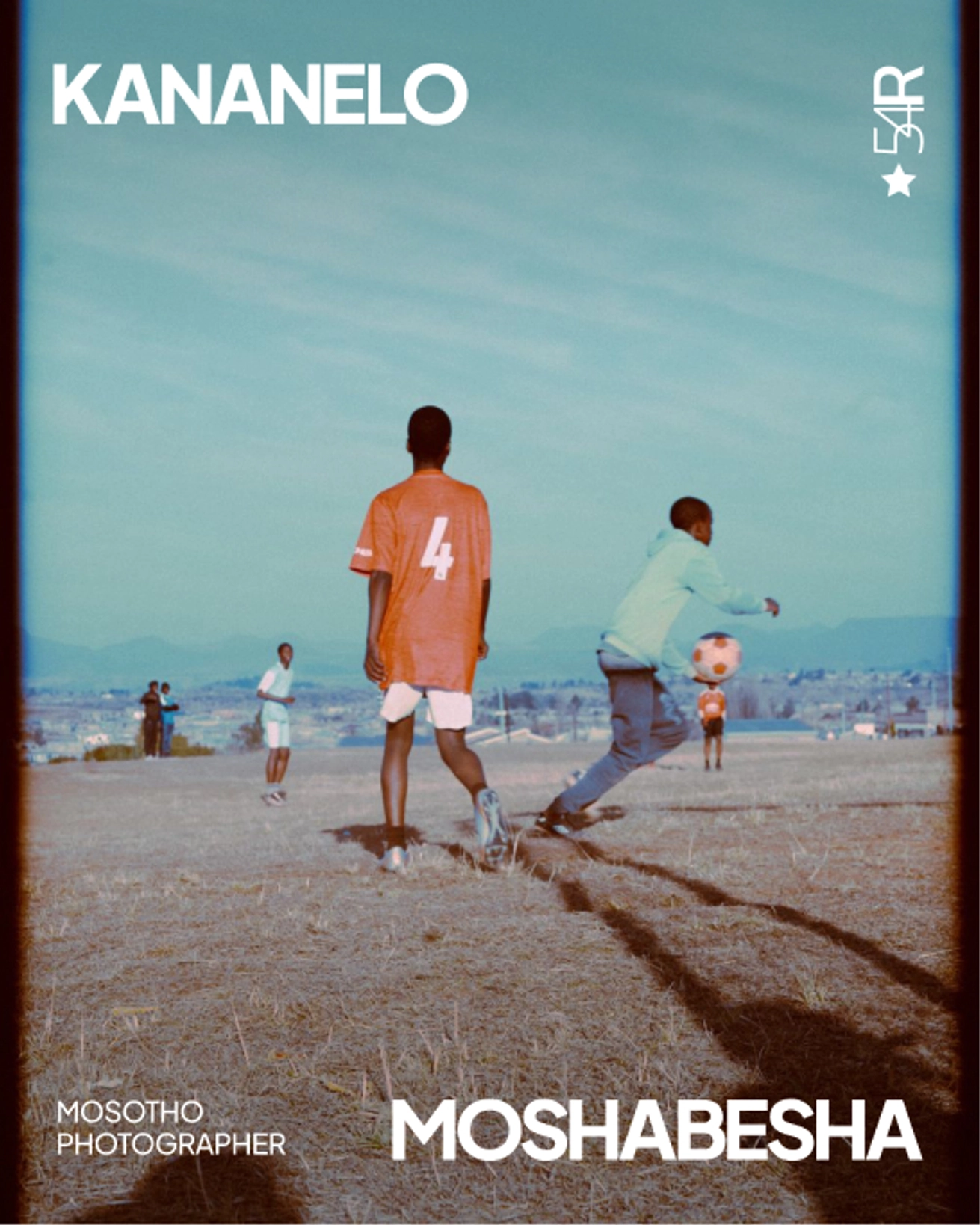
Kananelo Moshabesha: Mosotho documentary photographer capturing culture, human connection, and authentic moments
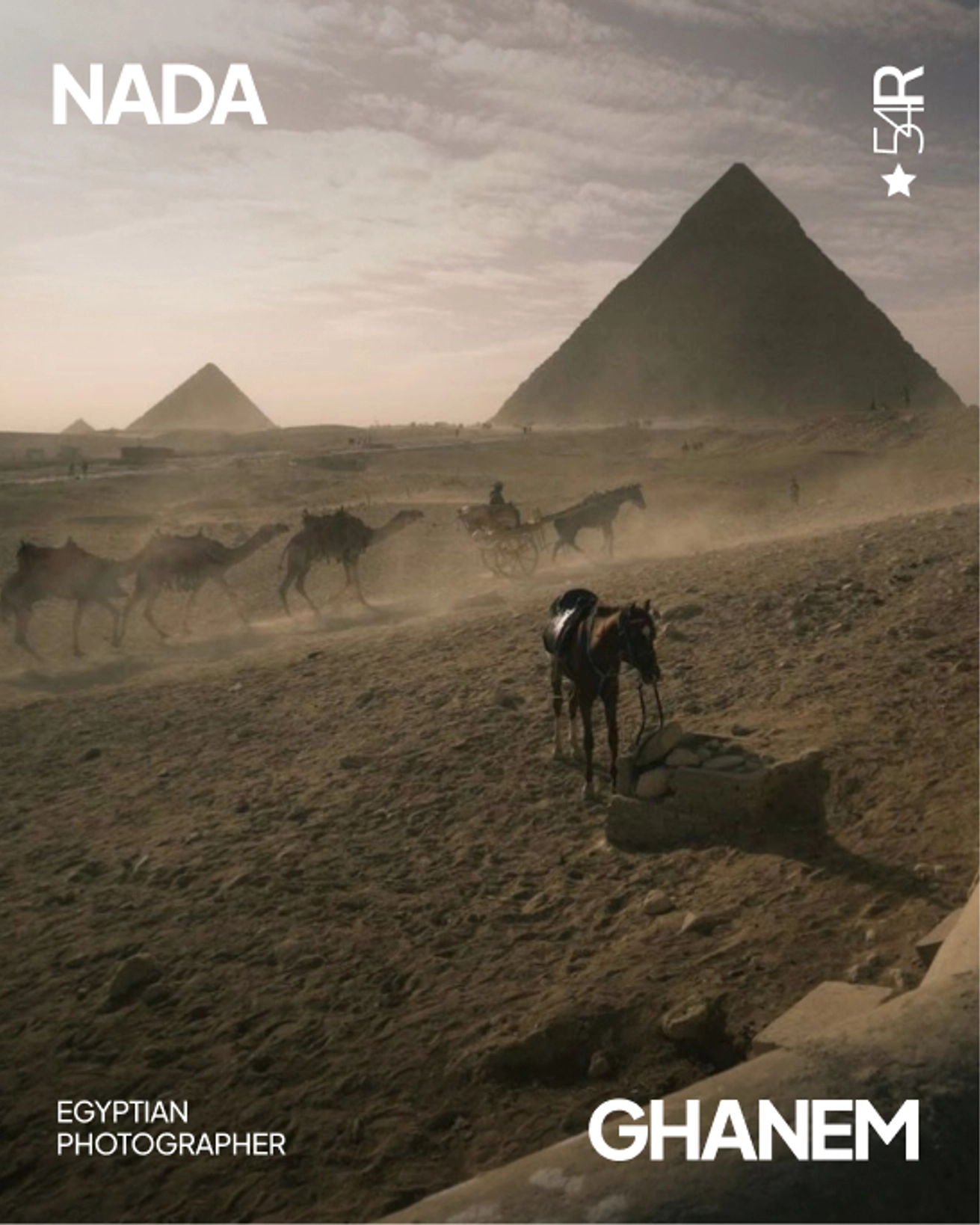
Nada Ghanem: Egyptian documentary photographer capturing everyday life, emotion, and authentic moments on the streets of Egypt
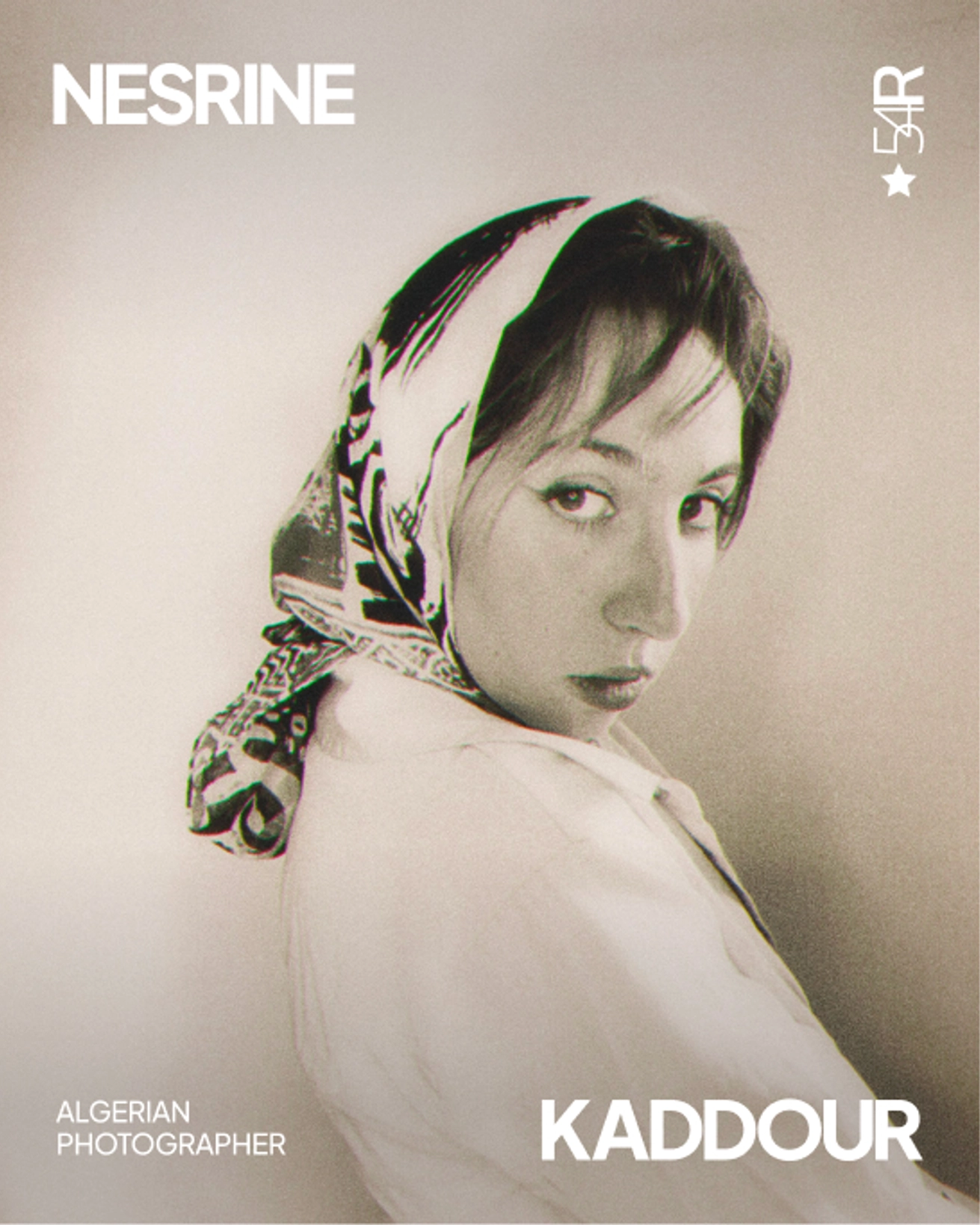
Nesrine Kaddour: Algerian street photographer exploring Algiers through memory, identity, and cultural history
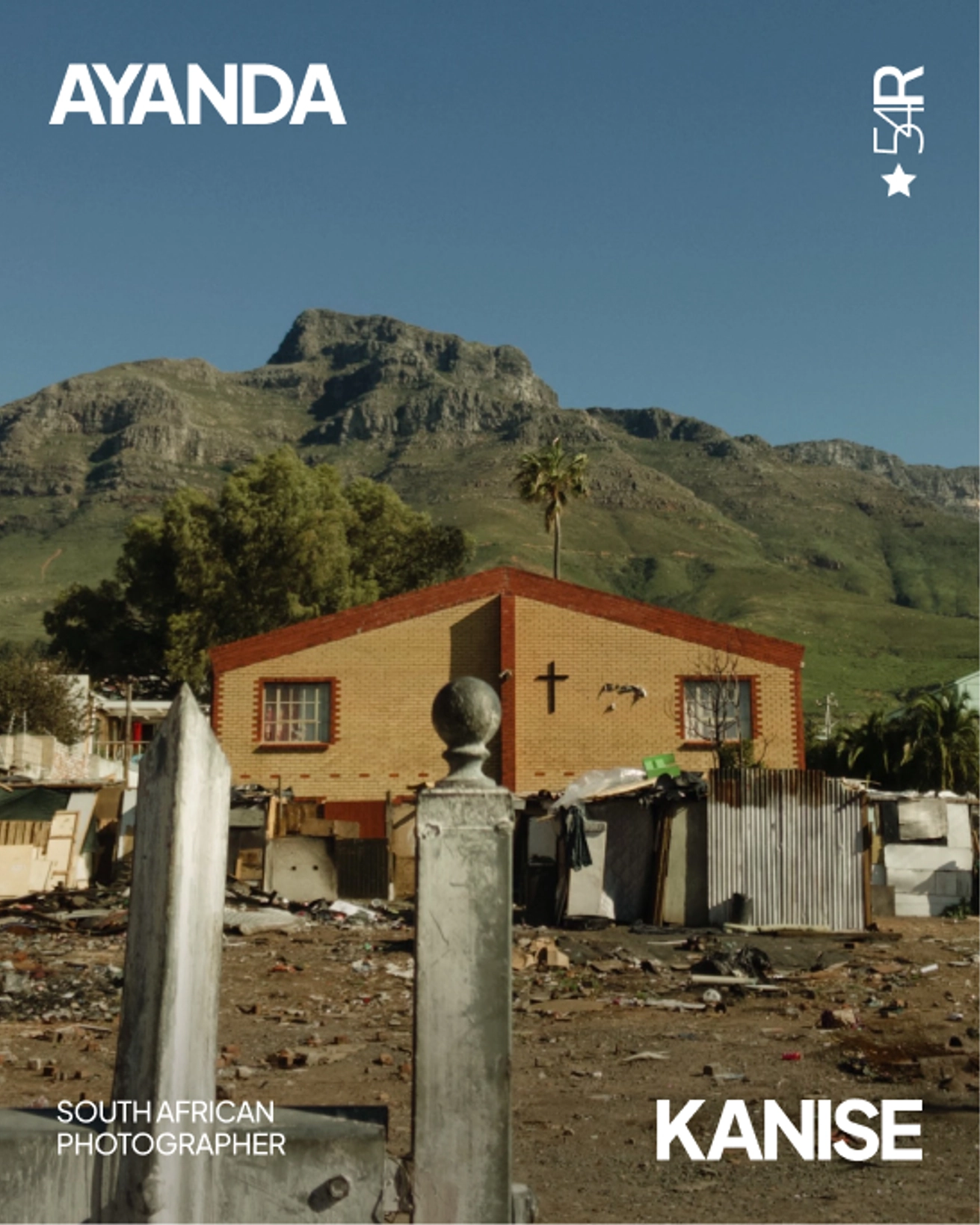
Ayanda Kanise: South African documentary photographer exploring memory, identity, and culture
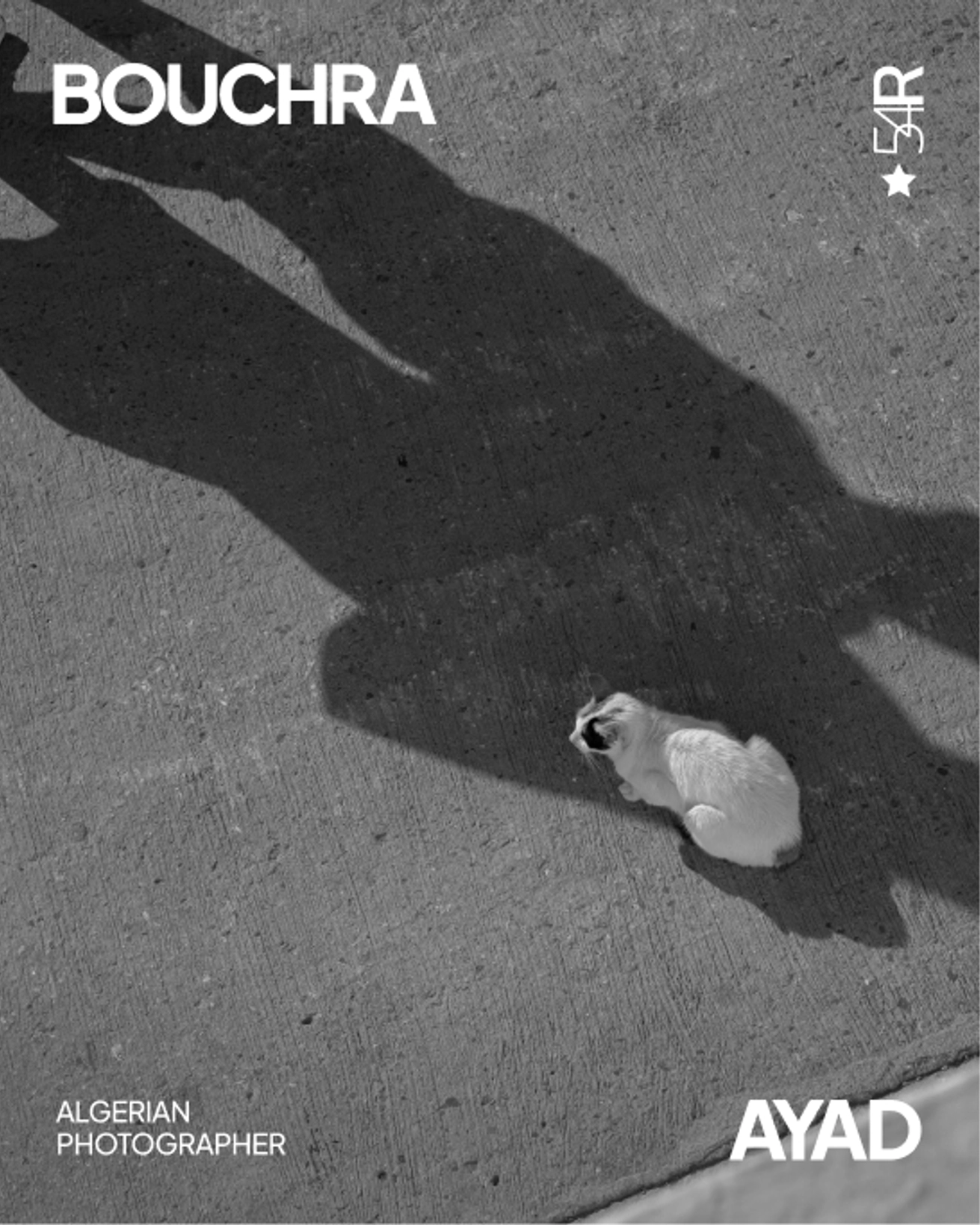
Bouchra Ayad: Algerian documentary photographer preserving emotion through quiet observation
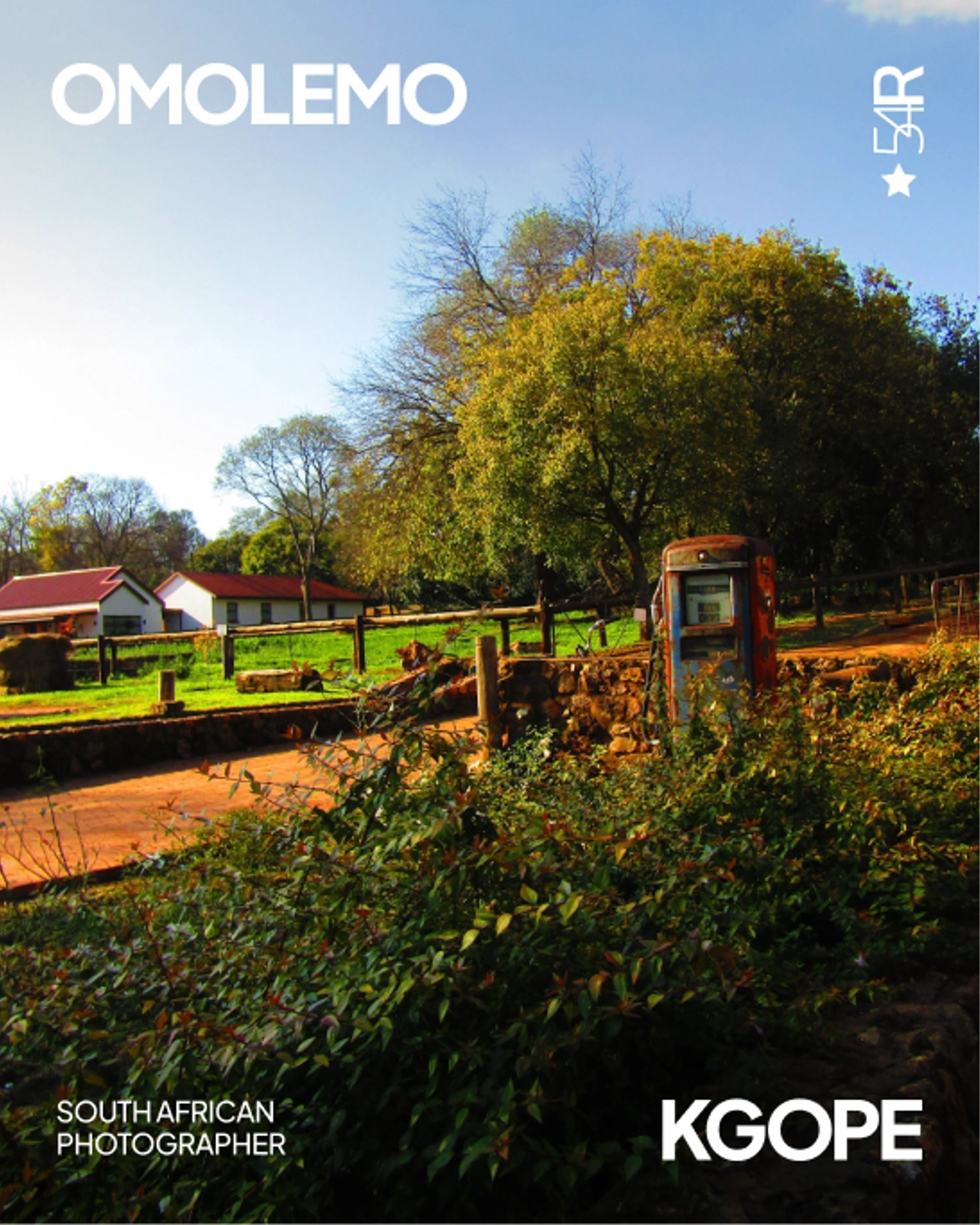
Omolemo-Aobakwe Kgope: South African documentary and fine art photographer exploring land, memory, and social justice
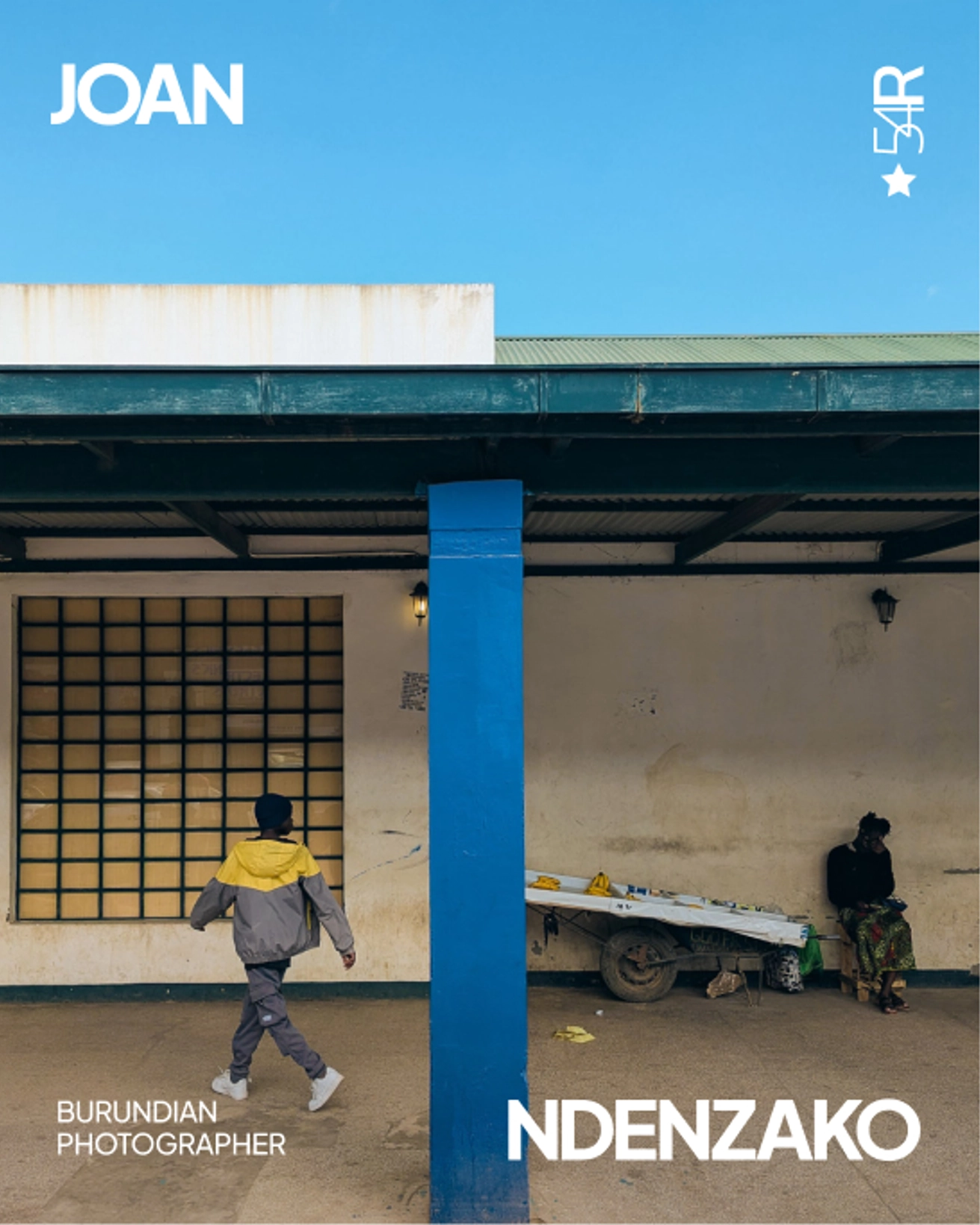
Joan Baptista Ndenzako: Burundian reportage and documentary photographer capturing memory, identity, and the human condition
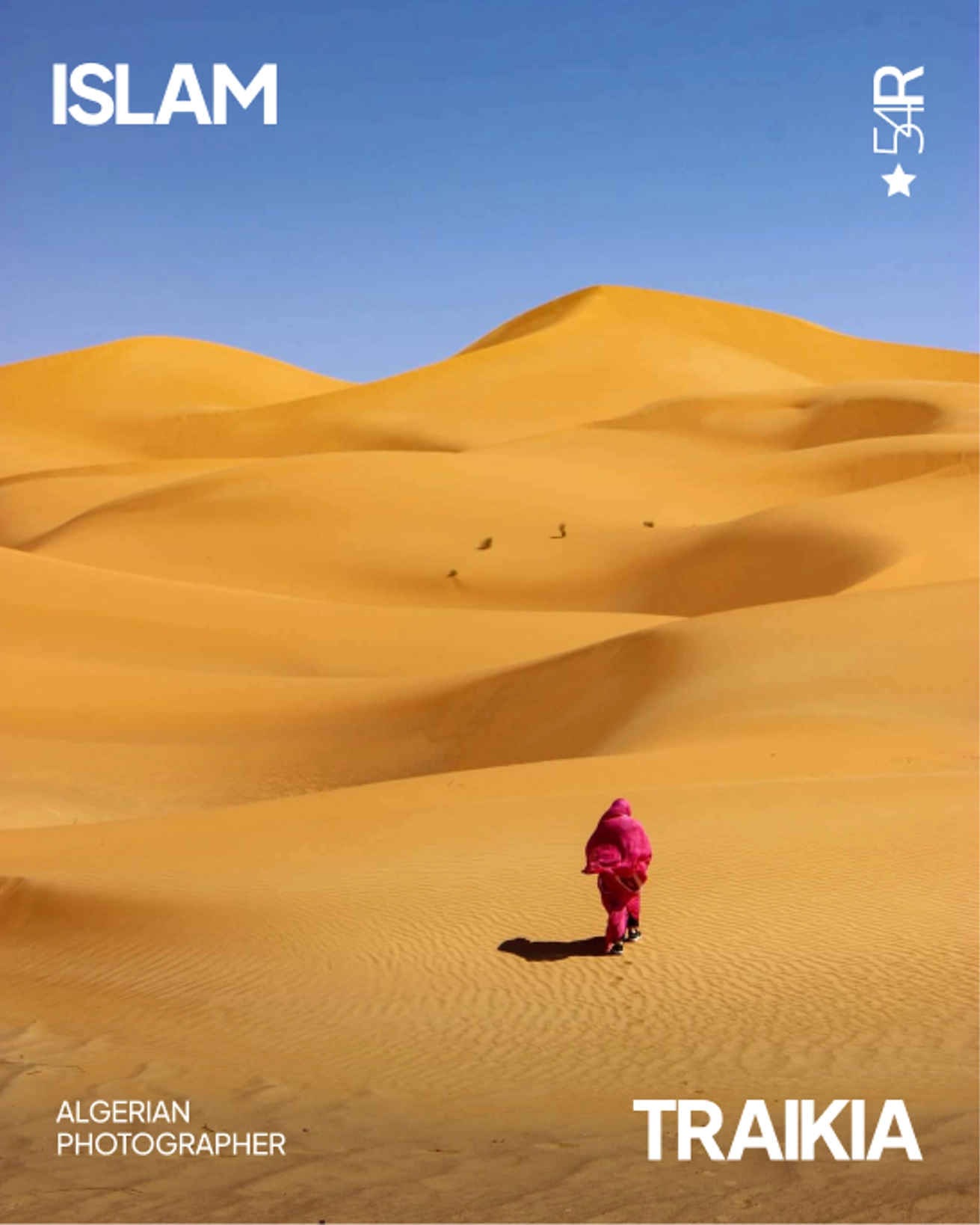
Islam Traikia: Algerian wildlife photographer documenting nature through patience, observation, and authentic visual storytelling
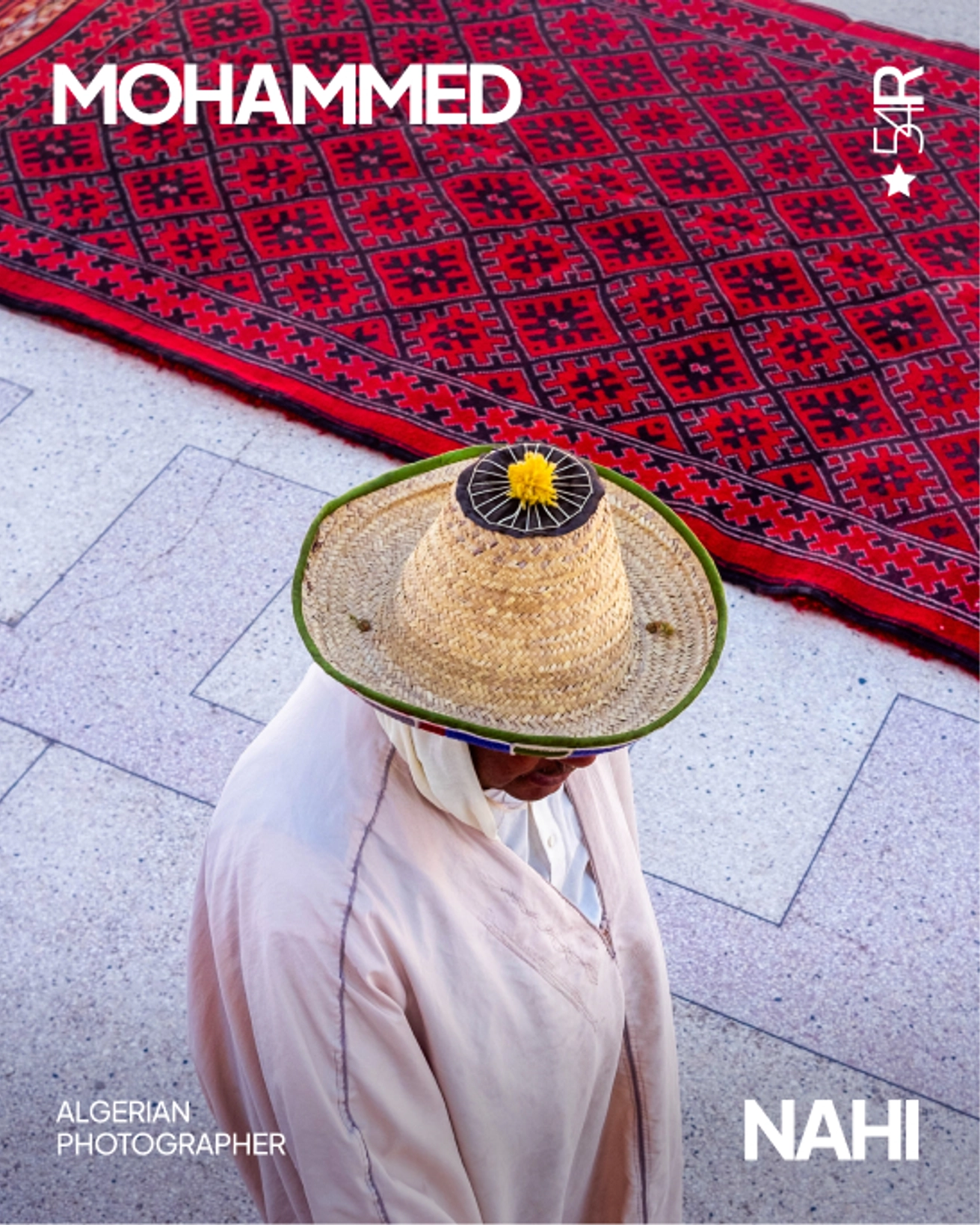
Mohammed Nahi: Algerian street and documentary photographer exploring memory, belief and everyday life
Tonia-Marie Parker: Ghanaian fashion and documentary photographer exploring identity, memory, and African womanhood
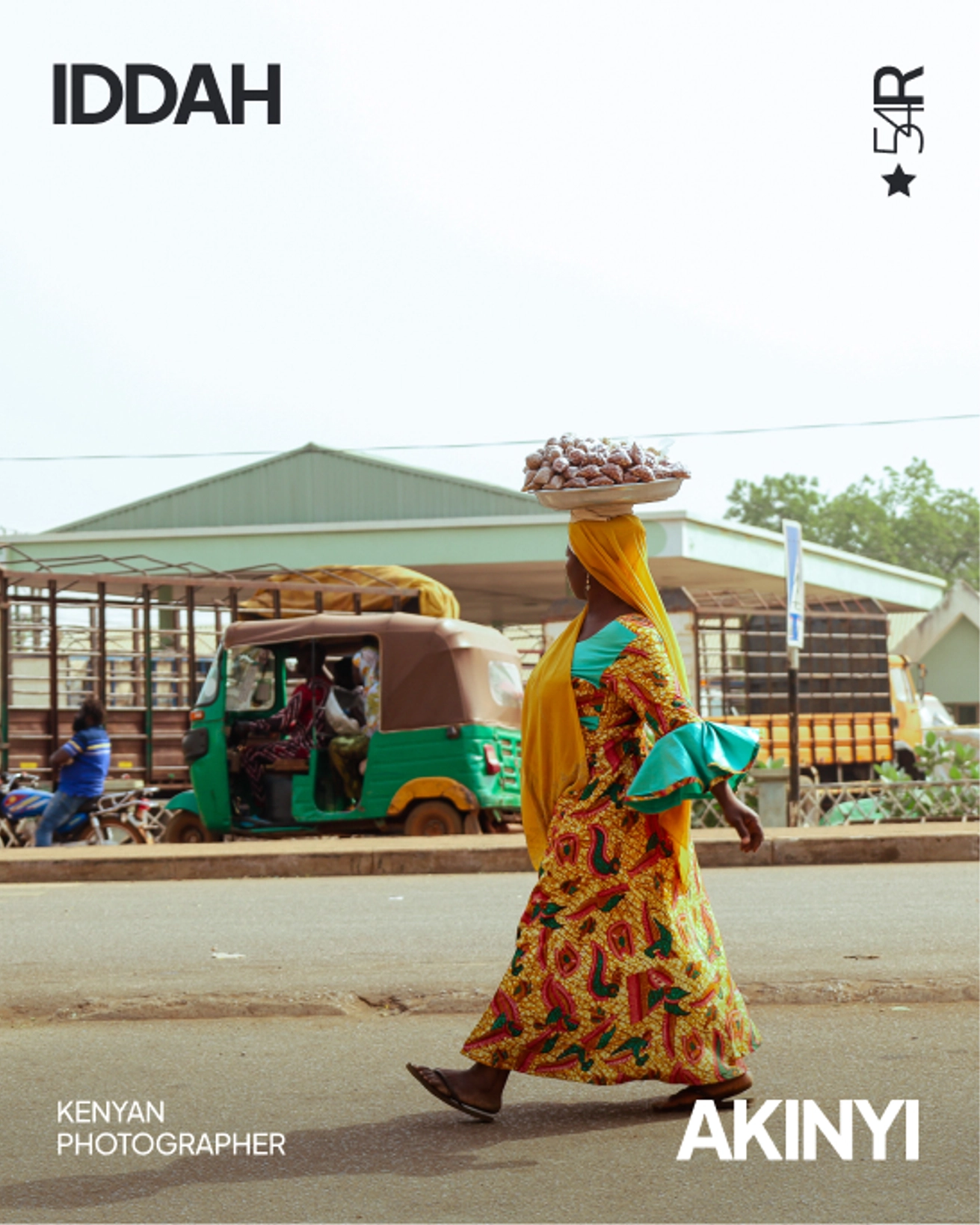
Iddah Akinyi: Kenyan documentary photographer using visual storytelling to amplify communities, identity, and social change
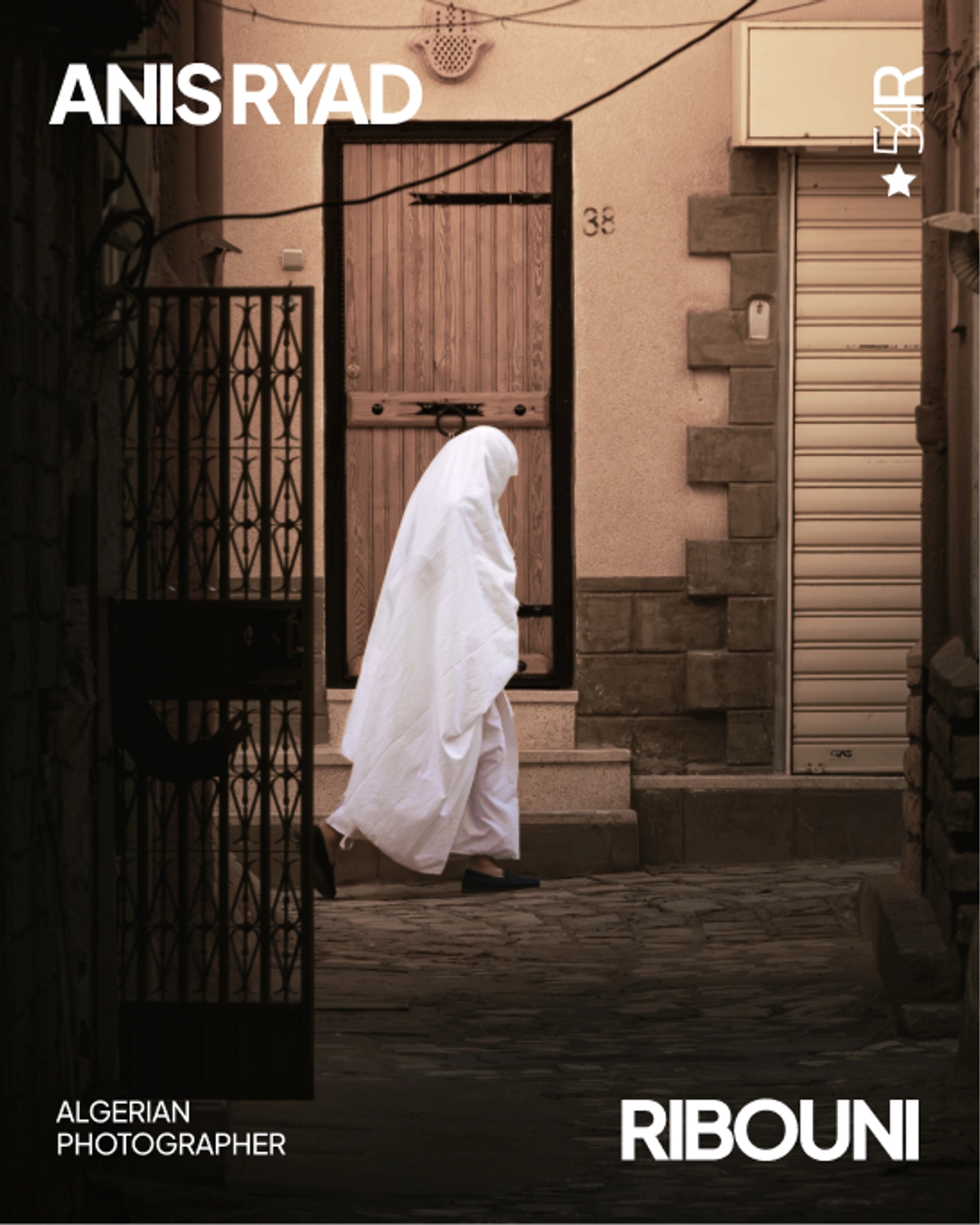
Anis Ryad Ribouni: Algerian documentary and street photographer exploring architecture, memory, and everyday life
Bonolo Tlholoe: South African documentary and editorial photographer exploring identity, family lineage and everyday life
Azeezah Oyeleke Ibrahim: Nigerian fashion and lifestyle photographer exploring heritage through cinematic, nostalgic imagery

Explore more content

Company

The Ruum Africa

Products

RTM
Cookie Policy

© 2026 The Ruum Africa

Built by