Tonia-Marie Parker: Ghanaian fashion and documentary photographer exploring identity, memory, and African womanhood

13 mins read
Published22 Jul, 2026

"Evolving from an interest in how clothes and accessories looked on a body to trying to understand the people in the industry, I began to realise that the fashion and clothing of any people is a story in itself."

Tonia-Marie Parker is a photographer and visual storyteller born and based in Accra, Ghana. During the 2020 lockdown, Parker found herself at home with a camera and an open mind, looking for a meaningful way to spend her time.

What began as a curiosity about fashion and how clothing is presented on runways, in editorials, and on red carpets gradually grew into a deeper interest in fashion, people, and the stories connected to both.

Due to her background in philosophy and psychology, Parker approaches photography with curiosity rather than certainty. Every project begins with questions rather than answers and explores how women influence and are influenced by culture, work, language, family, and place.

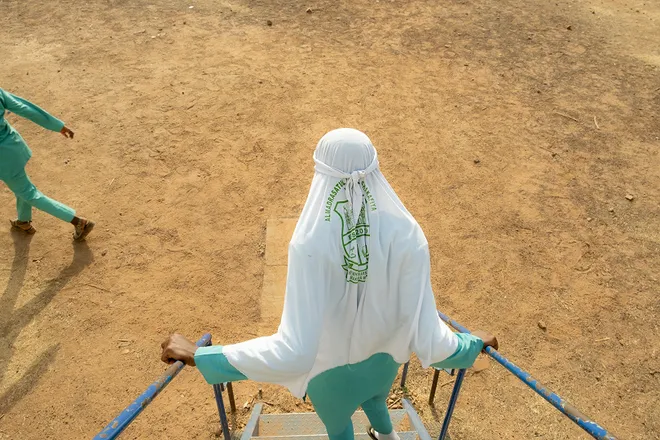
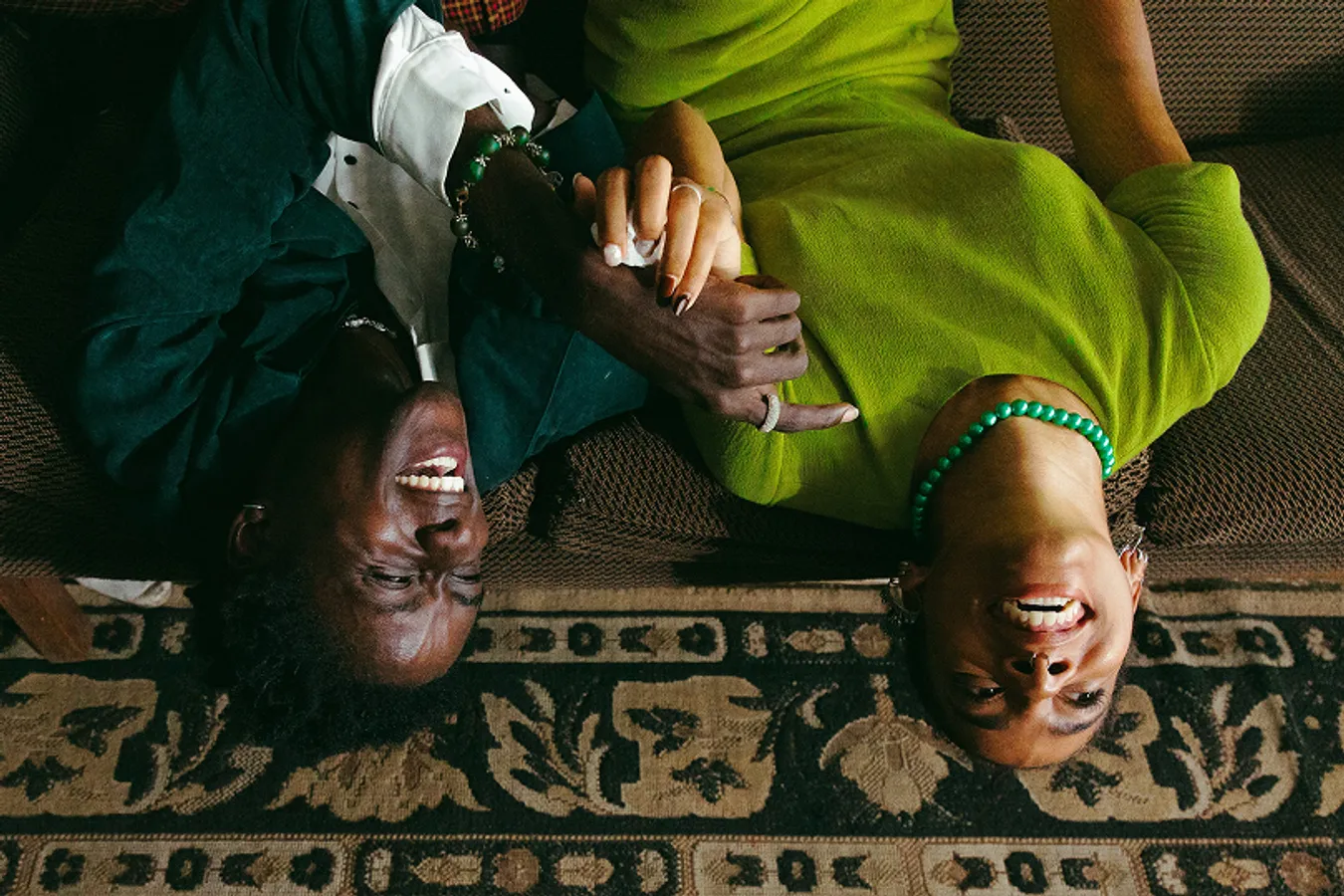
Whether documenting everyday life or creating multimedia stories, Parker sees her work as an archive of African womanhood that celebrates dignity, complexity, and the quiet ways people find meaning in their lives.

For Parker, photography is not just about documenting the world but also about helping people feel seen. Through her work, she hopes to contribute to a richer visual history of African lives while encouraging viewers to slow down, look closely, and connect with the humanity in every story.
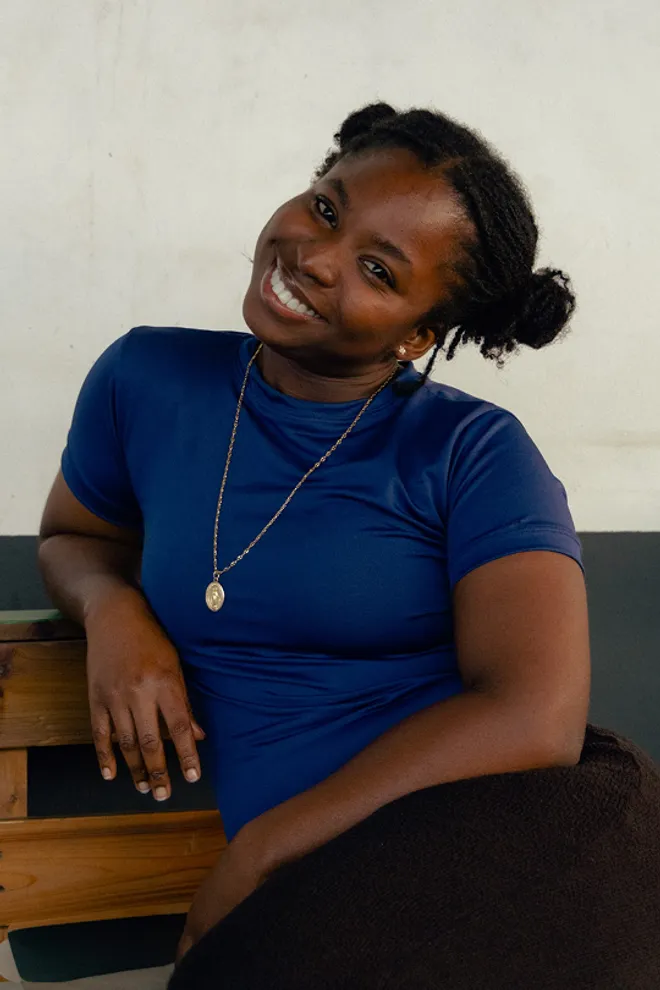
Tonia-Marie Parker - Ghanaian fashion and documentary photographer

"Music has a way of grounding me, accompanying me through different seasons of life, and often inspiring moments of reflection."

How did you get started in photography?

For a long time, I had been drawn to fashion, the clothes, the jewellery, everything about it and considered learning how to sew.

However, sewing was quite difficult for me to pick up; I was never able to control the fabric under the needle, and I quickly realised that while I admired the process of creating garments, my fascination was more rooted in observing and appreciating them.

YouTube videos were my favourite way to pass the time, and when COVID-19 hit suddenly, I found myself stuck at home with a camera my dad owned.

I hadn't noticed he had a camera until then, and through YouTube University, I taught myself how to use it. My first subjects were clothes, accessories, jewellery, and even perfume. I knew exactly what I wanted to photograph.

How would you describe yourself?

I am a naturally curious person. I love learning, asking questions, and paying attention to the small details that often go unnoticed.

I find joy in understanding people, cultures, and the little things that shape our everyday lives, which I think is why I am so drawn to reading. I enjoy books that make me think differently or introduce me to new ways of seeing the world.

Outside of work, music is a big part of my life. I almost always have something playing in the background, and I love discovering artists across different genres and languages.

Music has a way of grounding me, accompanying me through different seasons of life, and often inspiring moments of reflection.

I have recently developed a love for birdwatching. There is something incredibly calming about slowing down enough to notice birds; their colours, songs, and behaviours. It has taught me to be more patient and present, and it has become one of my favourite ways to spend quiet time outdoors.

I also enjoy journaling, wandering through museums and bookshops, and can happily disappear down a research rabbit hole if a question captures my curiosity. I find beauty in everyday moments and believe there is always something new to learn if we are willing to pay attention.

What are the main themes that inspire your photography?

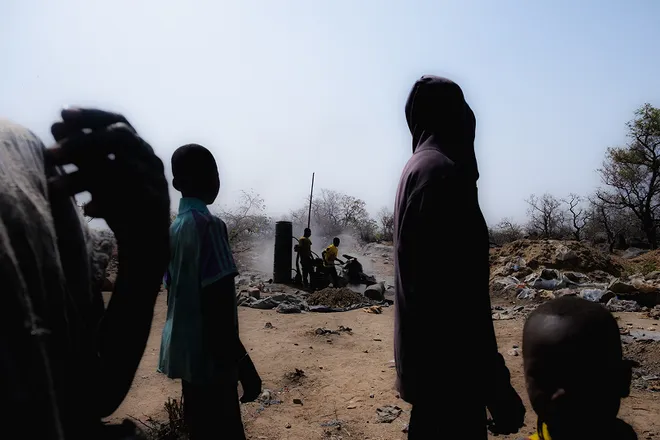
Time, memory, identity, and the human experience shape my photography. These ideas allow me to reflect life to my audience in a way that invites us to confront ourselves, our histories, and the ways we move through the world.

At its core, my practice is about connection. I use my images to create moments of pause where the audience can sit with others' stories and, in doing so, perhaps feel a sense of shared humanity.

"Every project asks me to examine my assumptions, to listen more carefully, and to ask whether the images I am making are truthful not just to what I see, but to how the people I photograph see themselves."

What moment in your career are you most proud of?

I decided to intentionally explore other genres of photography to expand my understanding of the practice. That decision led me to enrol in Dikan’s Photojournalism and Documentary Practice course for six months.

During that time, I was exposed to different approaches to storytelling, visual research, and long-form documentary work, and I began to see photography as more than a creative outlet.

The course also introduced me to a community of photographers and artists, each telling stories rooted in their own lived experiences.

Seeing the range of ways people were using photography to engage with their communities made me reflect more deeply on my own practice and the kinds of stories I wanted to tell.

Looking back, that decision marked a turning point for me. It did not just expand my technical and conceptual understanding of photography; it reshaped my intention as a photographer and set the foundation for the kind of long-term, research-driven practice I continue to develop today.

What is the biggest challenge you've faced as a photographer?

One of the challenges I have as a photographer has been representation. I am constantly thinking about how the people I photograph are represented through my images and the stories I choose to tell.

It is one thing to listen to someone’s story, but it is another to truly understand their lived experience, empathise with it, and represent it with honesty and respect.

I have come to realise that representation is not something you perfect; it is an ongoing responsibility. Every project asks me to examine my assumptions, to listen more carefully, and to ask whether the images I am making are truthful not just to what I see, but to how the people I photograph see themselves.

While it is the greatest challenge I have faced, it is also what continues to shape me into a more thoughtful storyteller.

What type of photography do you specialise in?

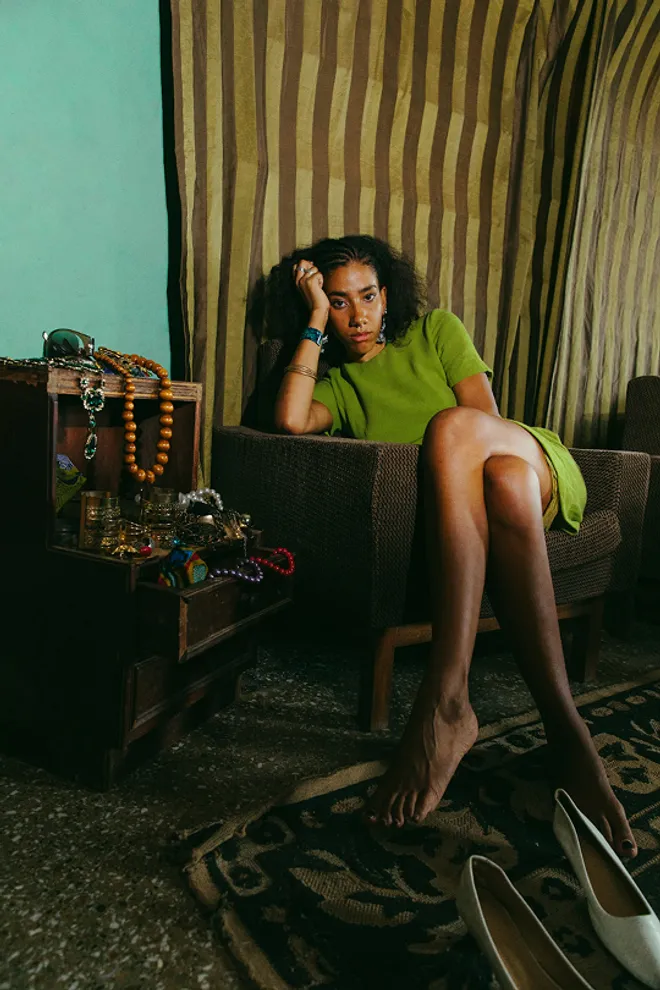
Fashion and documentary photography are the two fields I currently specialise in.

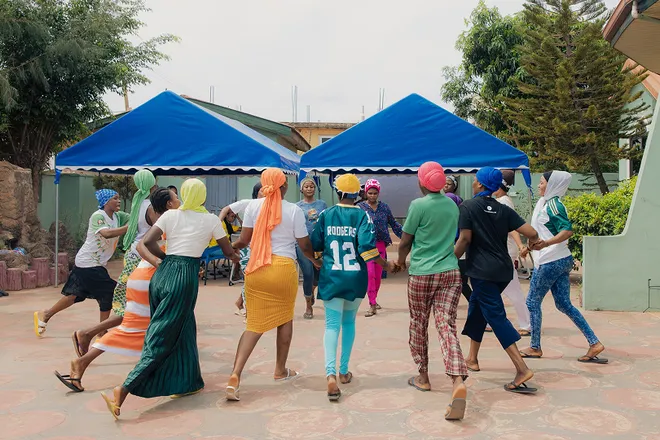
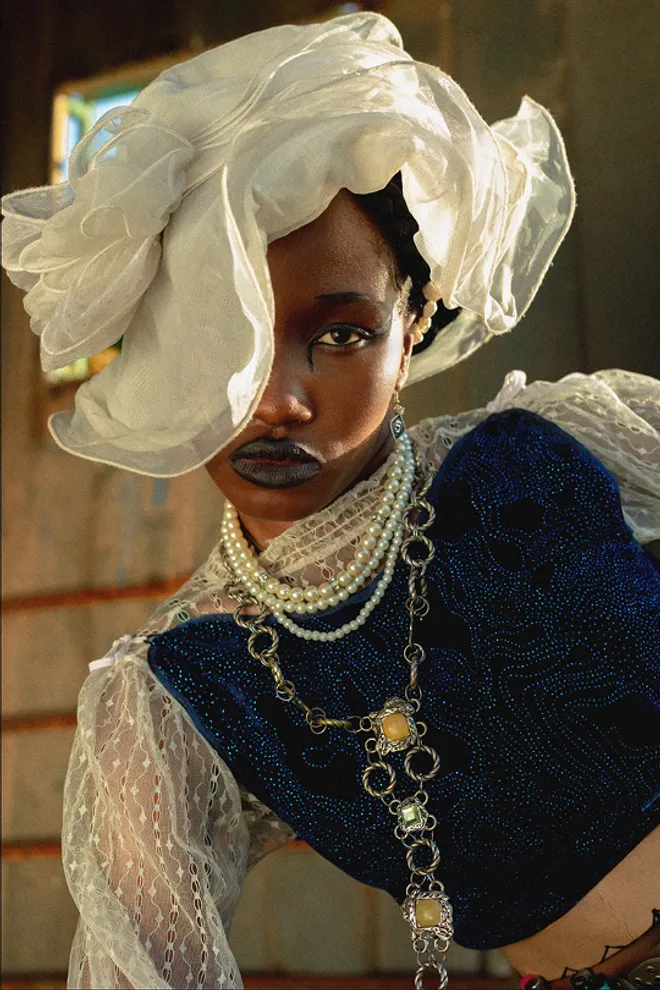
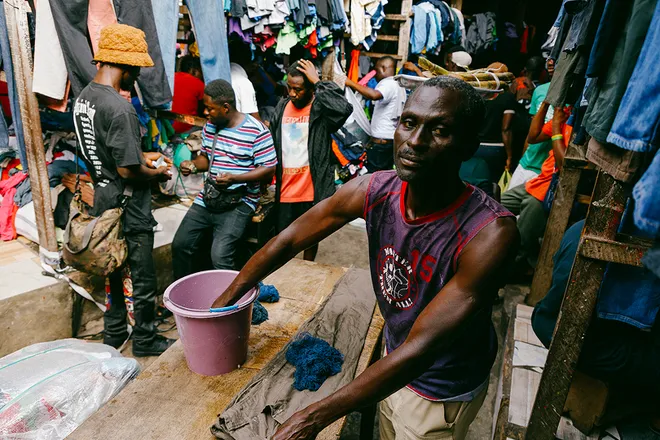
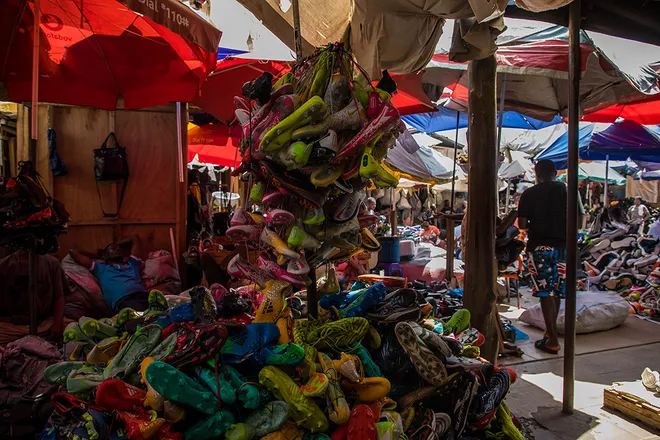
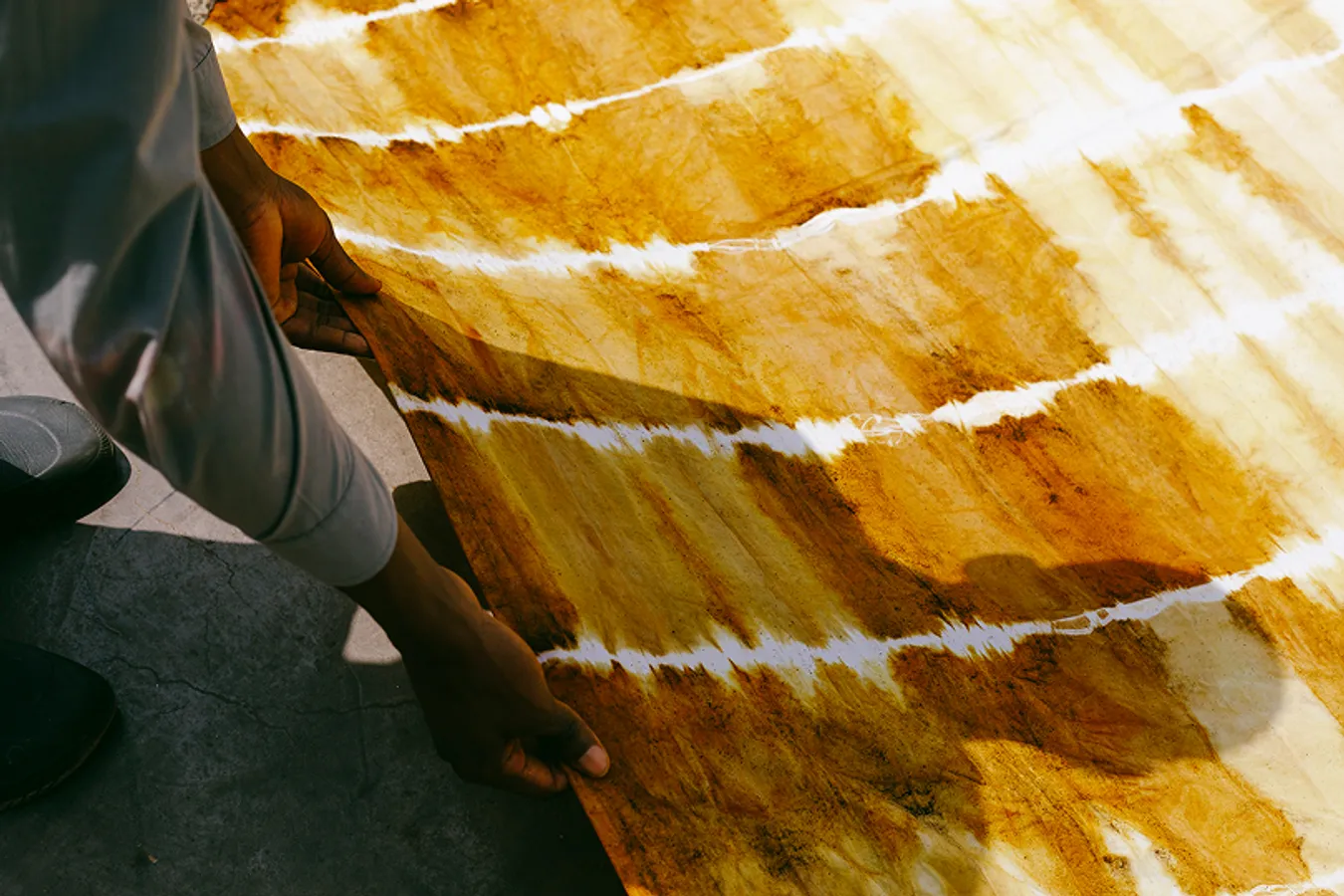
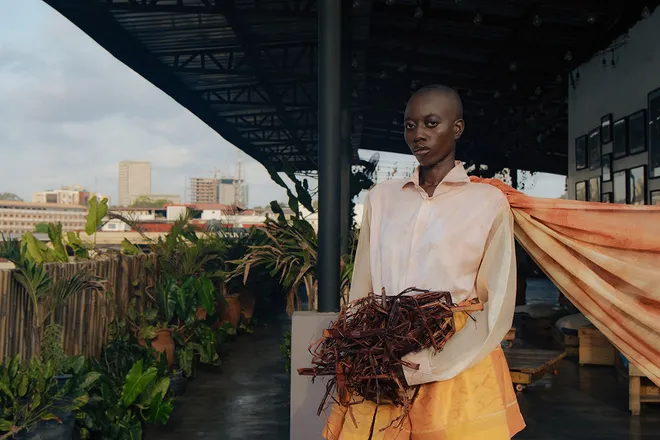
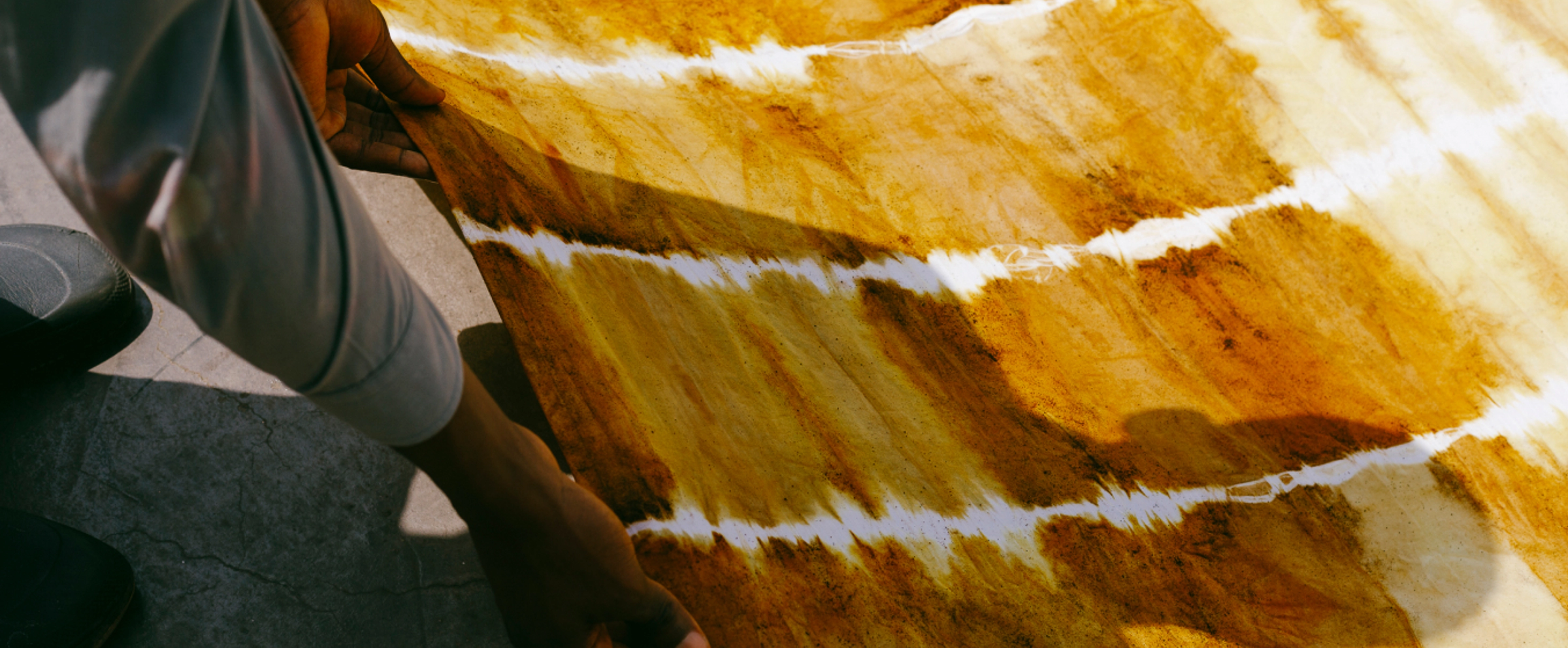
This is mainly because, as I continuously photographed and documented fashion and its elements, I found myself drawn to the people working within the fashion ecosystem, the stories they possessed, and their relationship with clothes and textiles.

Evolving from an interest in how clothes and accessories looked on a body to trying to understand the people in the industry, I began to realise that the fashion and clothing of any people is a story in itself.

The relationships and meanings that people establish and attribute to dress and fashion form another layer, and those are the stories I want to tell.

More broadly, I see my work existing at the intersection of documentary photography, fashion, and contemporary visual storytelling.

While photography remains at the core of my practice, I am increasingly interested in incorporating text, moving images, sound, and archival material to create richer, more layered narratives.

I hope my work contributes to a growing field of visual storytellers who are expanding the ways African stories, particularly those of African women, are seen, remembered, and understood.

"My process is observational, grounded in long-term research, and built through relationships ... I aim to create photographs that are both visually engaging and emotionally grounded ... "

What is your primary commercial niche?

Fashion photography and documentary photography form my primary commercial niche. I enjoy documenting and telling the stories of people and brands that embody and value culture, identity, and the overall mundanity of the human experience.

What is your unique technical or visual approach?

Technically, my process is observational, grounded in long-term research, and built through relationships. Through this approach, I seek to understand how clothing, fashion, and dress carry memory, labour, identity, care, aspiration, and belonging.

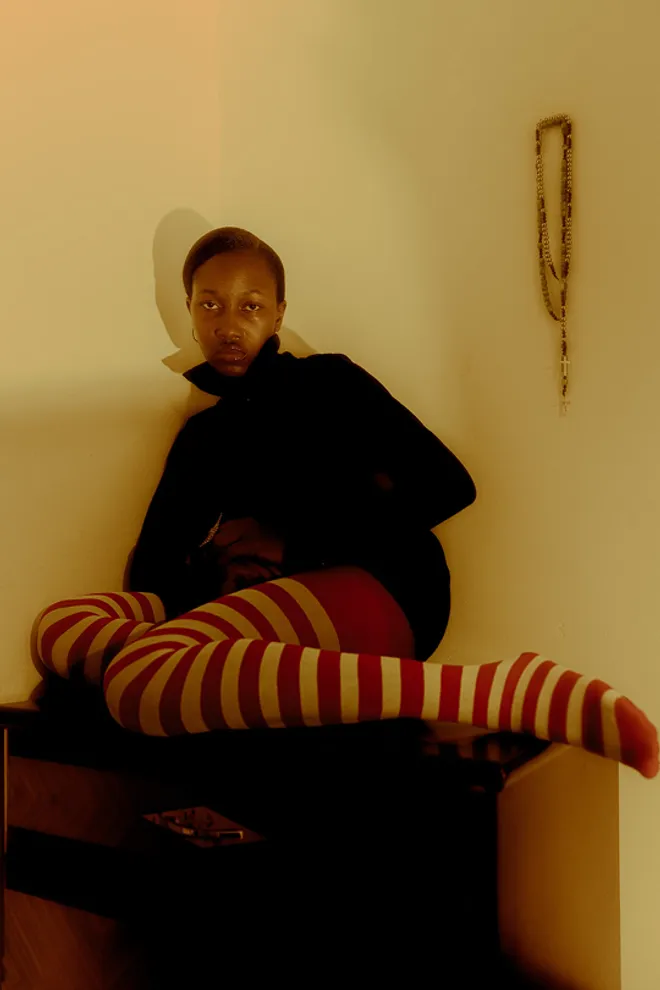
My visual approach is currently curious, playful, and observational as I continuously refine the elements of my unique visual direction and language.

Lately, however, I have been pushing myself to experiment more with perspectives and compositions, using them to evoke feeling as much as to document reality.

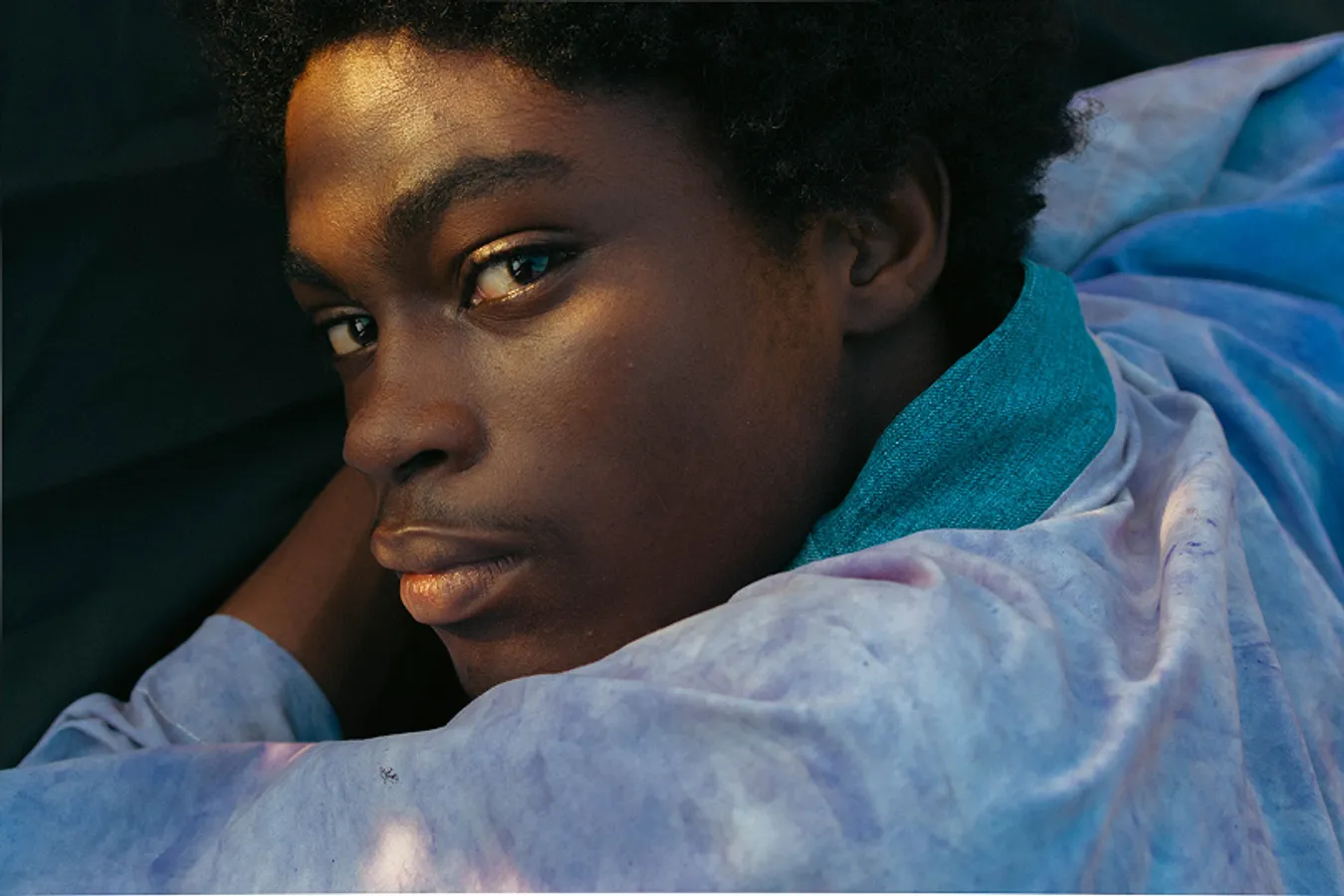
I aim to create photographs that are both visually engaging and emotionally grounded, inviting viewers into a deeper relationship with the people and stories they encounter.

"In Ghana, it is exciting to see photography increasingly intersecting with disciplines such as history, fashion, anthropology, and contemporary art."

Which global brands, photographers, or industries do you feel your work aligns with most?

I feel my work resonates most with organisations and photographers that approach storytelling through a commitment to human dignity.

Organisations like the National Geographic Society resonate with me because they tell stories that connect individual lives to broader social, cultural, and environmental realities.

I am particularly drawn to their emphasis on immersive, research-driven storytelling that encourages audiences to slow down and better understand the world through the lives of others.

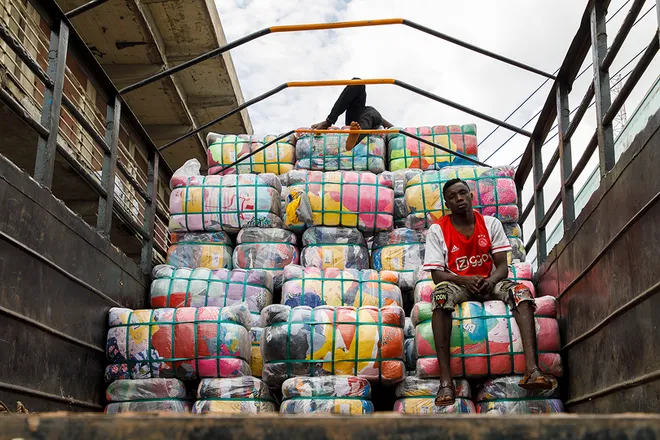
This reflects how I approach my own work within Ghana’s second-hand clothing ecosystem, where I am interested not only in documenting fashion and sustainability, but also in exploring the people, relationships, and histories that exist within those systems.

I also feel aligned with photographers like Yagazie Emezi, whose work centres African people with intimacy, care, and complexity.

What resonates with me is her commitment to photographing from within her community and creating images that resist stereotypes in favour of dignity and nuance. My own practice shares that desire to tell stories from a place of relationship and lived experience rather than observation from a distance.

How's the photography and art space in Ghana?

In all honesty, I think the photography and art space in Ghana has evolved greatly since I began photographing.

More photographers are approaching photography and image-making as a way of thinking and asking questions, rather than simply documenting or creating aesthetically pleasing images.

There is growing interest in long-term storytelling, archives, culture, identity, memory, and community, and it is exciting to see photography increasingly intersecting with disciplines such as history, fashion, anthropology, and contemporary art.

I also think there has been a stronger emphasis on collaboration and knowledge-sharing. More workshops, residencies, exhibitions, and creative spaces have made it easier for photographers to learn from one another and develop their own voices.

While there is still room for growth, particularly in terms of funding and infrastructure, it is encouraging to see more photographers using the medium to tell nuanced stories about Ghana and the wider African continent on our own terms.

What is one professional standard you never compromise on?

One professional standard I never compromise on is how people are represented in my work. I do not believe in rushing stories or extracting images from environments without context or relationship. I prioritise time to build trust, to listen, and to understand the people and spaces I am working with.

I am also intentional about avoiding reductive narratives. This means constantly checking my own perspective and asking whether the images I make are fair, honest, and respectful to the lives they reflect.

What do you think of the 54Ruum platform?

The 54Ruum platform is a distinct space that is not just another portfolio website; it intentionally creates an environment where African photographers can talk about how they think, not just show what they make.

I also believe 54Ruum is helping to build a stronger sense of community among African photographers by creating opportunities for discovery, connection, and mutual learning.

I am excited to see the platform continue to grow and contribute to a richer and more expansive archive of African stories told by African photographers.

Credits

Photography

Tonia-Marie Parker

Text

Esther Ayoola

Curation

guvnor

SHARE THIS STORY

Join Our Community

More Stories

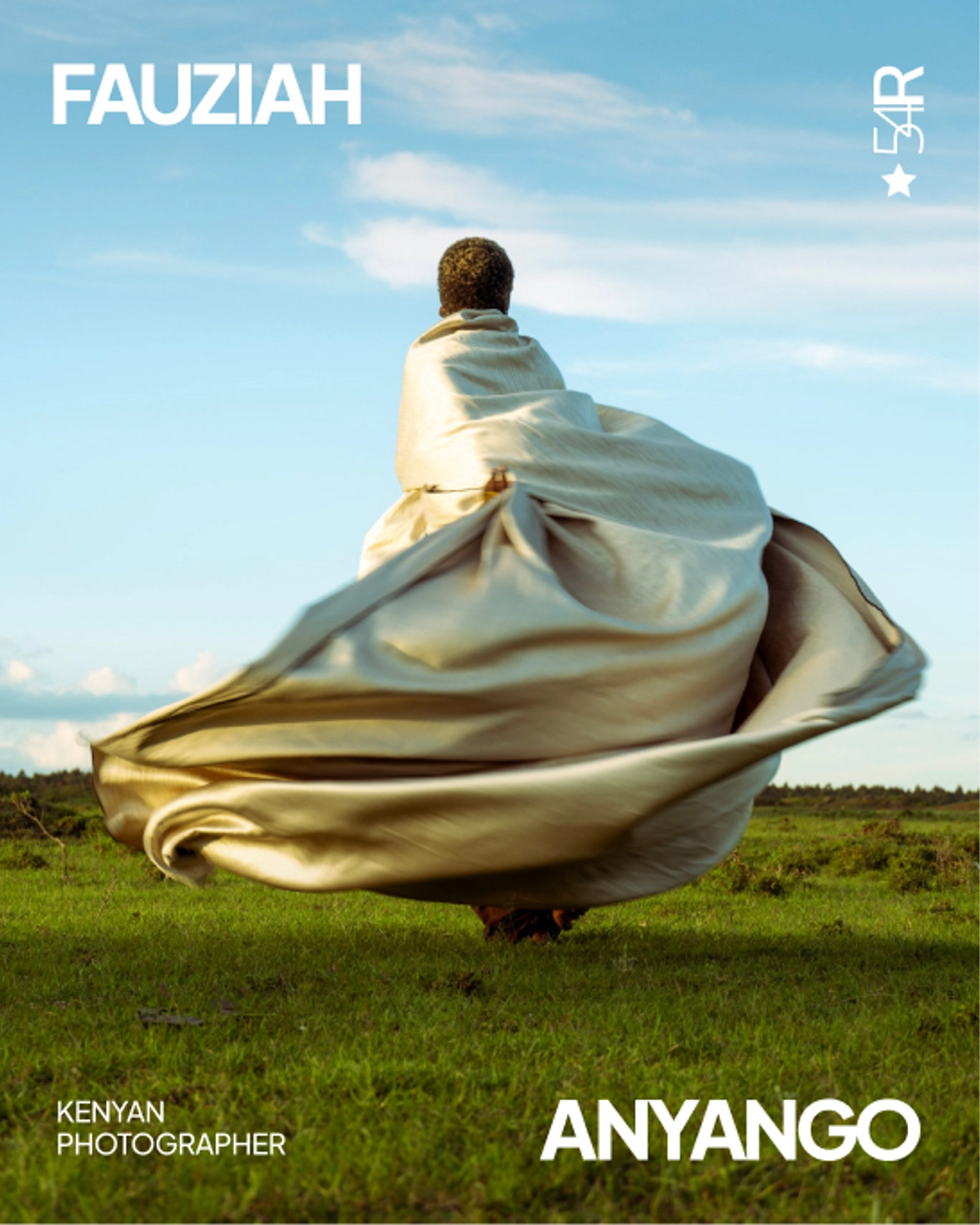
Fauziah Anyango: Kenyan conceptual photographer exploring identity, culture, and emotional tension
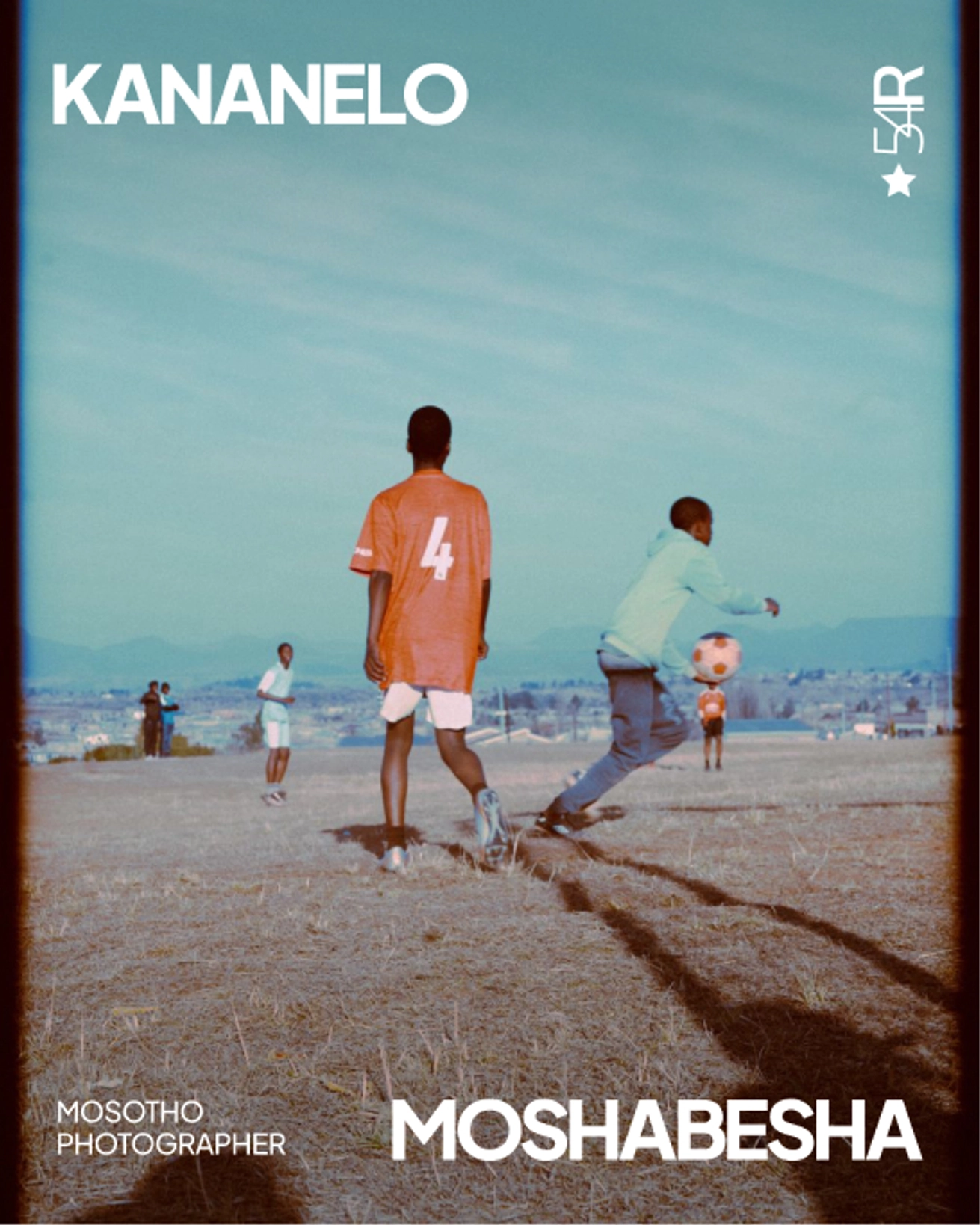
Kananelo Moshabesha: Mosotho documentary photographer capturing culture, human connection, and authentic moments
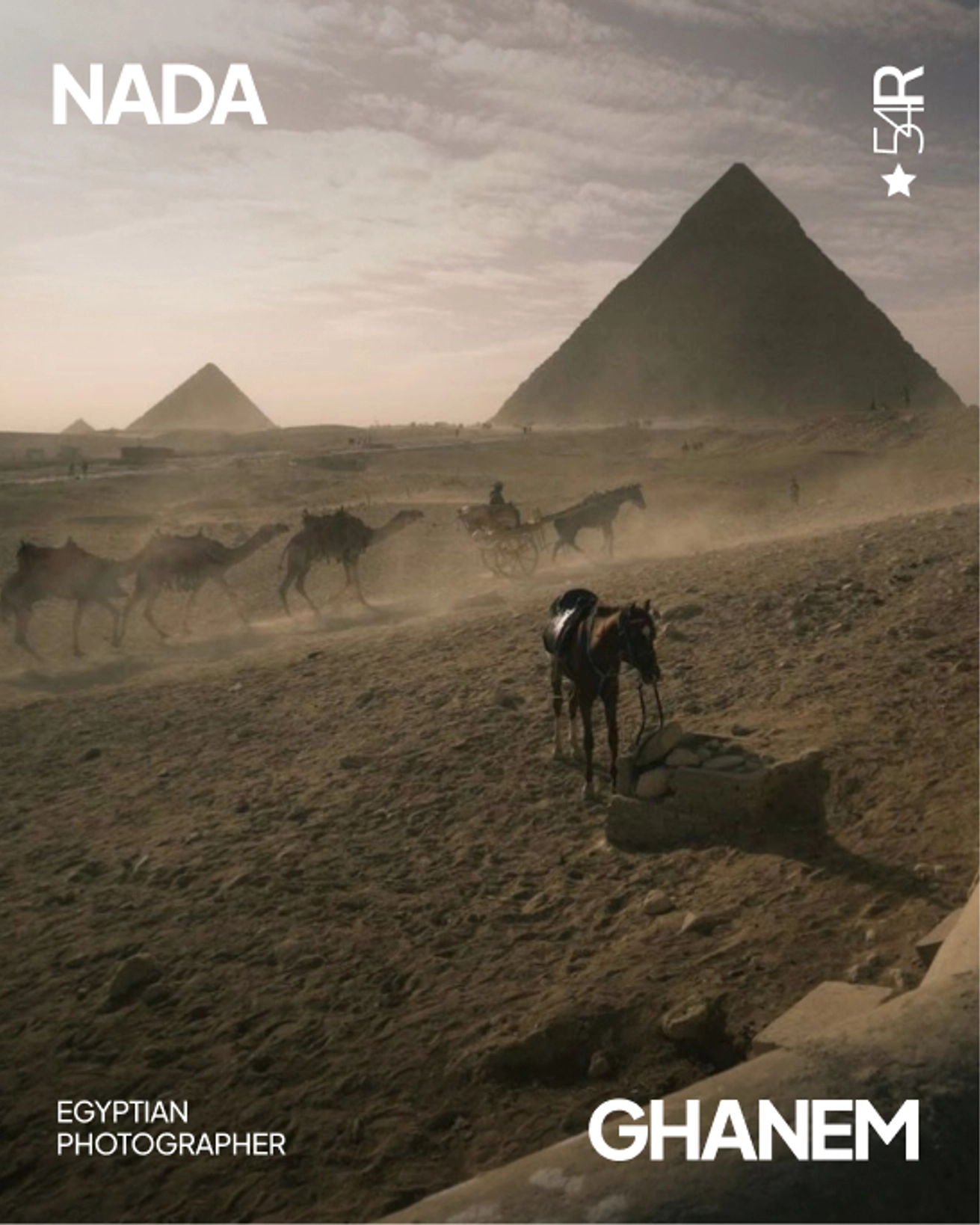
Nada Ghanem: Egyptian documentary photographer capturing everyday life, emotion, and authentic moments on the streets of Egypt
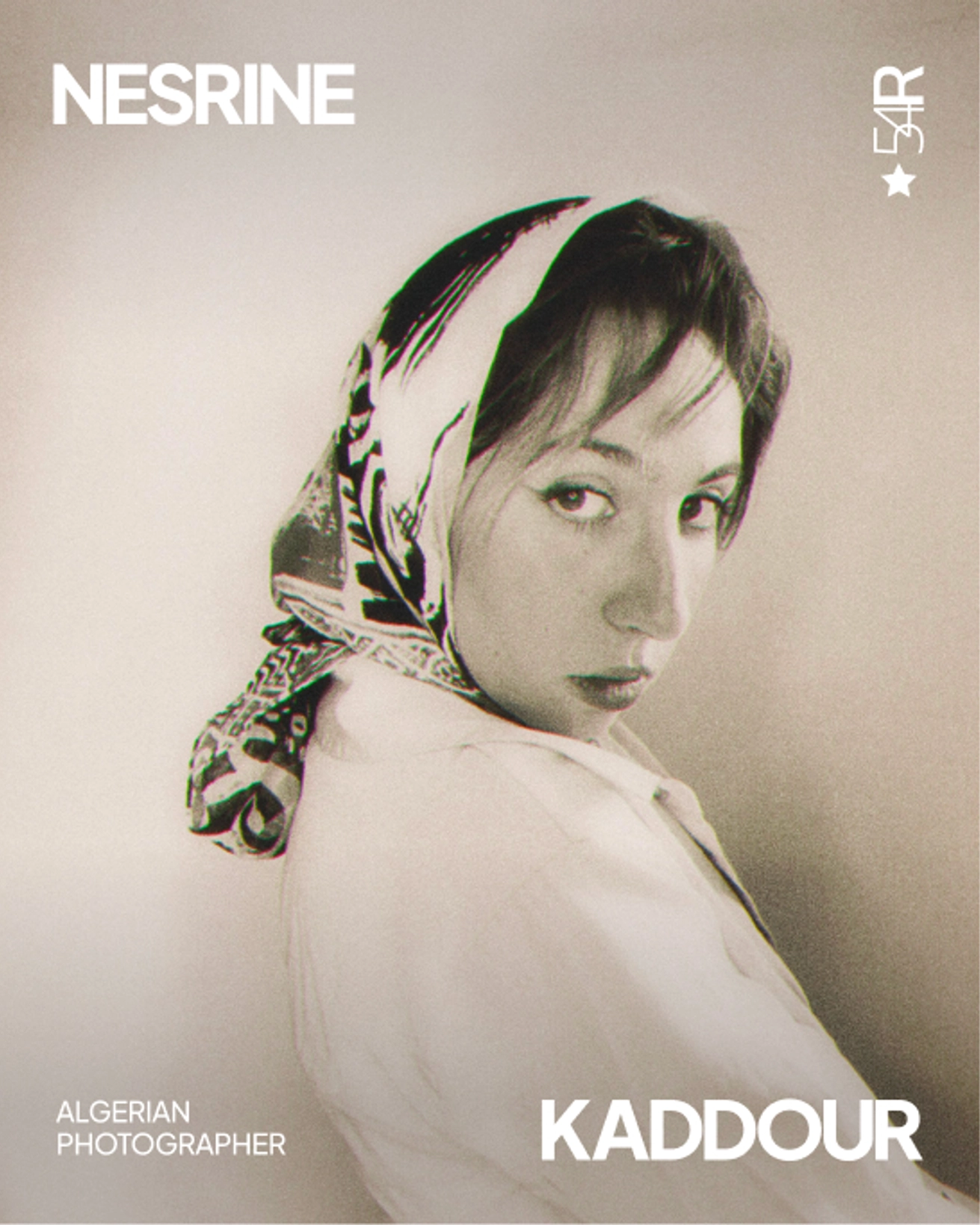
Nesrine Kaddour: Algerian street photographer exploring Algiers through memory, identity, and cultural history
Ayanda Kanise: South African documentary photographer exploring memory, identity, and culture
Bouchra Ayad: Algerian documentary photographer preserving emotion through quiet observation
Omolemo-Aobakwe Kgope: South African documentary and fine art photographer exploring land, memory, and social justice
Ahmed Elkhatib: Egyptian film critic, filmmaker and photographer exploring cinema, analogue photography and everyday life
Joan Baptista Ndenzako: Burundian reportage and documentary photographer capturing memory, identity, and the human condition
Islam Traikia: Algerian wildlife photographer documenting nature through patience, observation, and authentic visual storytelling
Mohammed Nahi: Algerian street and documentary photographer exploring memory, belief and everyday life
Iddah Akinyi: Kenyan documentary photographer using visual storytelling to amplify communities, identity, and social change
Anis Ryad Ribouni: Algerian documentary and street photographer exploring architecture, memory, and everyday life
Bonolo Tlholoe: South African documentary and editorial photographer exploring identity, family lineage and everyday life
Azeezah Oyeleke Ibrahim: Nigerian fashion and lifestyle photographer exploring heritage through cinematic, nostalgic imagery

Explore more content

Company

The Ruum Africa

Products

RTM
Cookie Policy

© 2026 The Ruum Africa

Built by