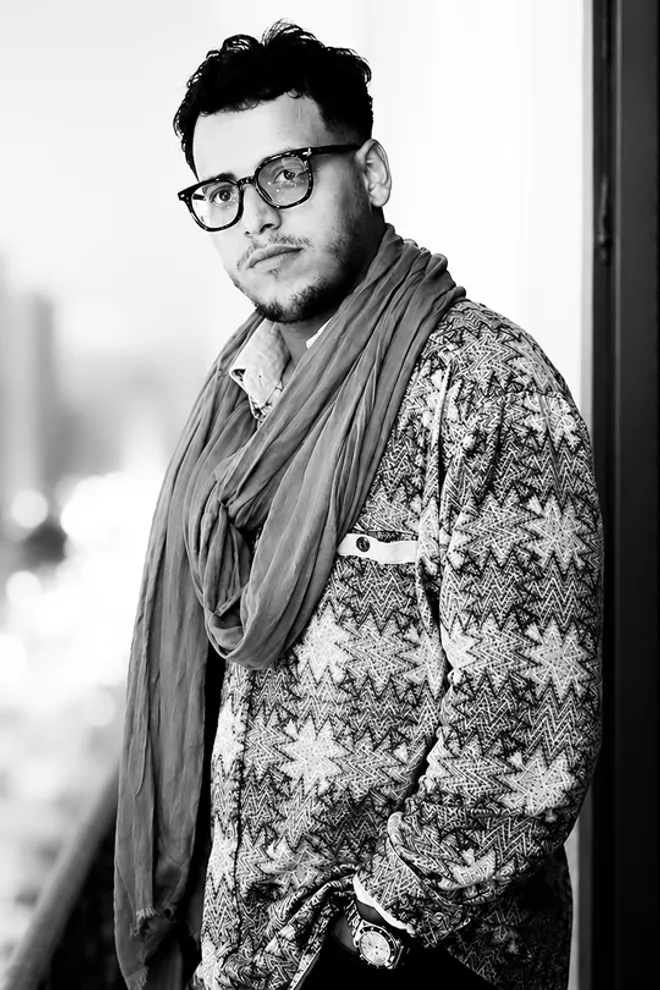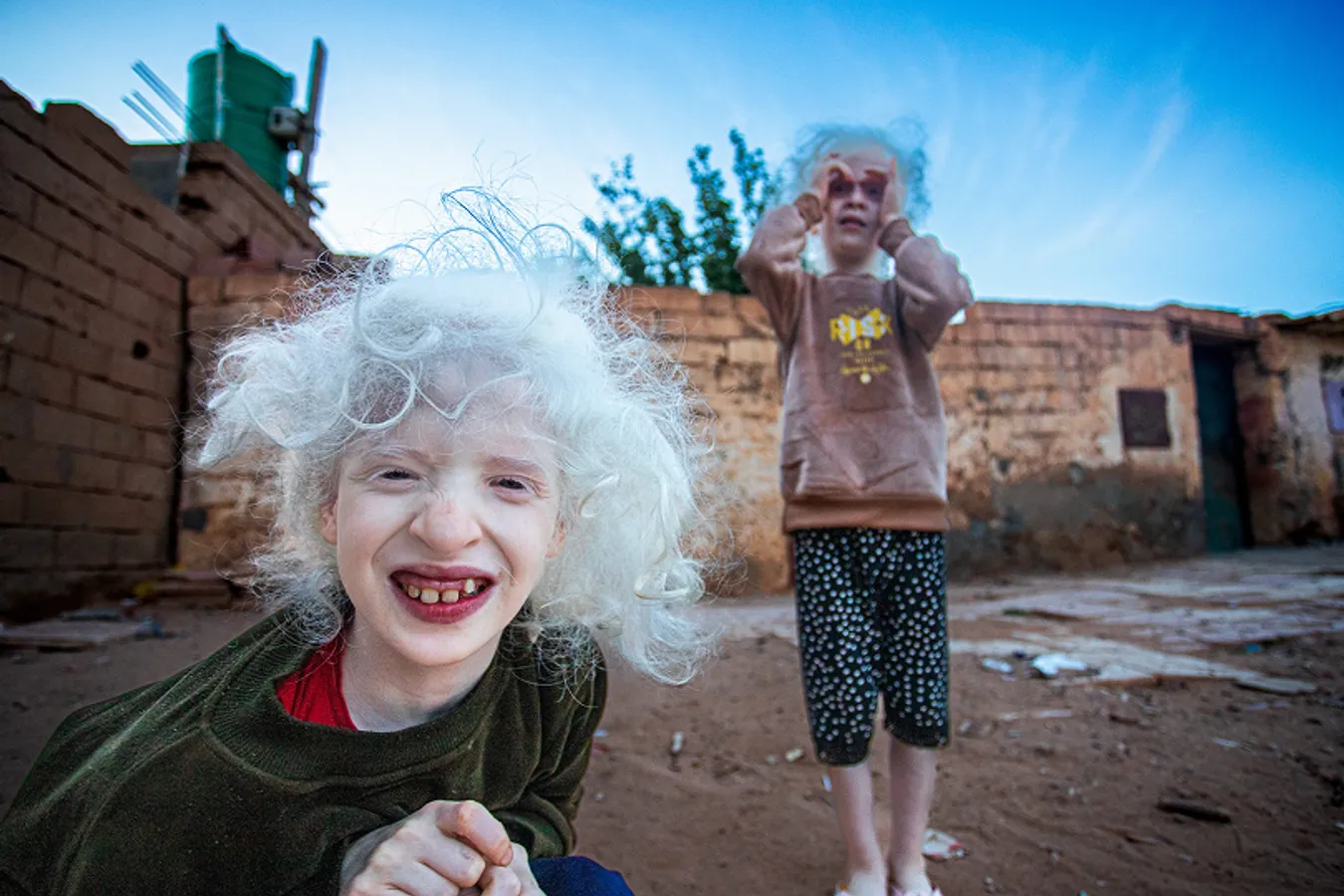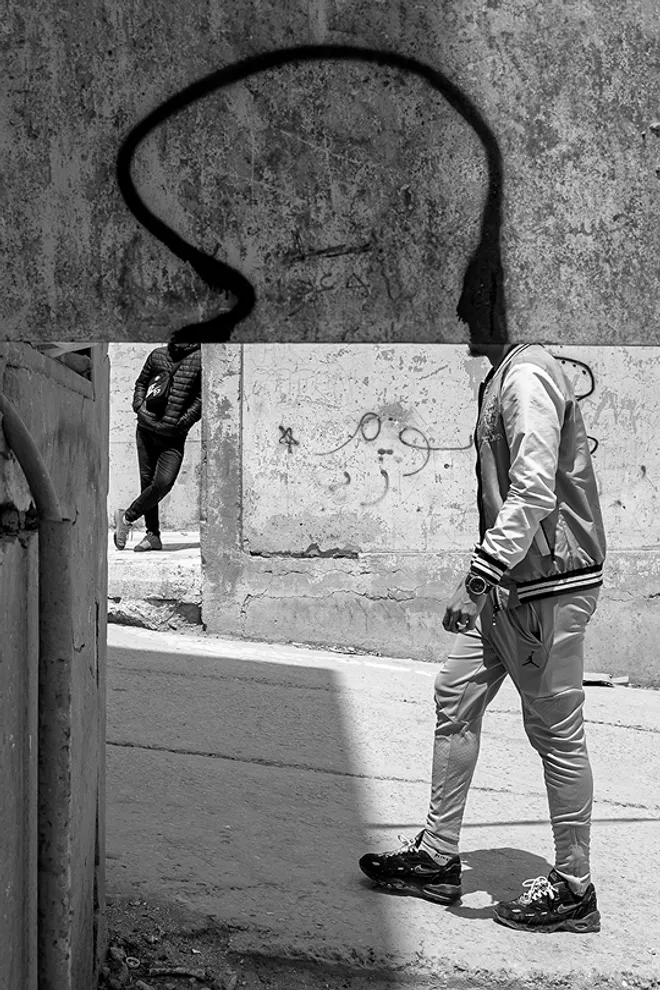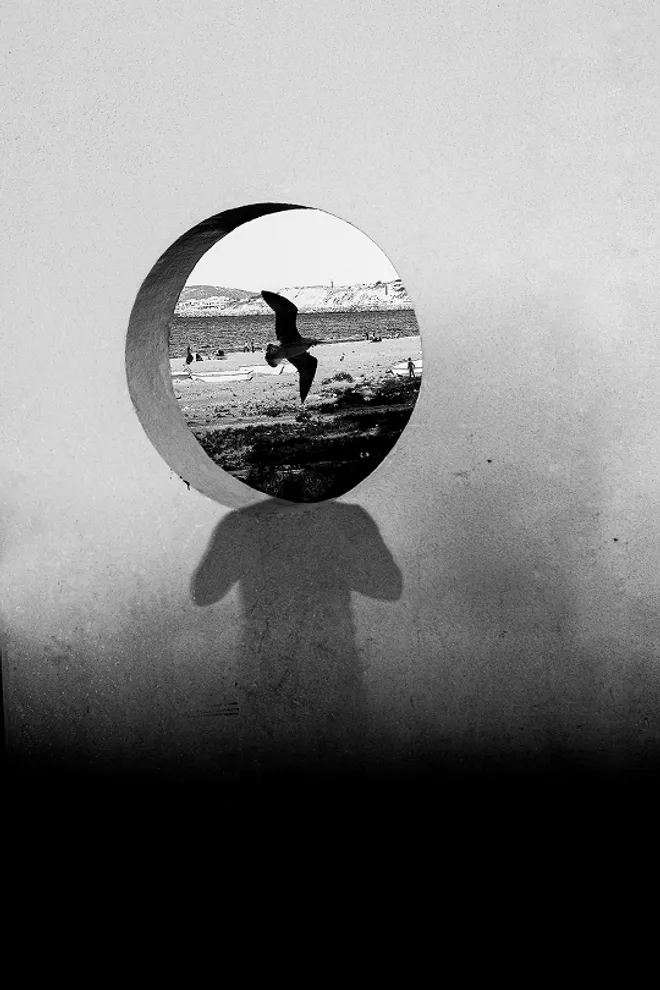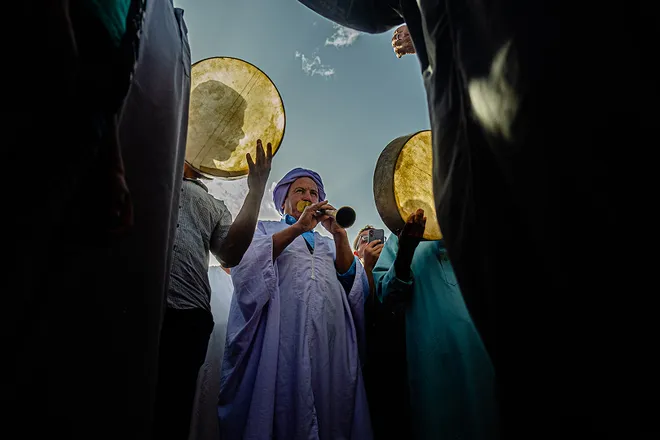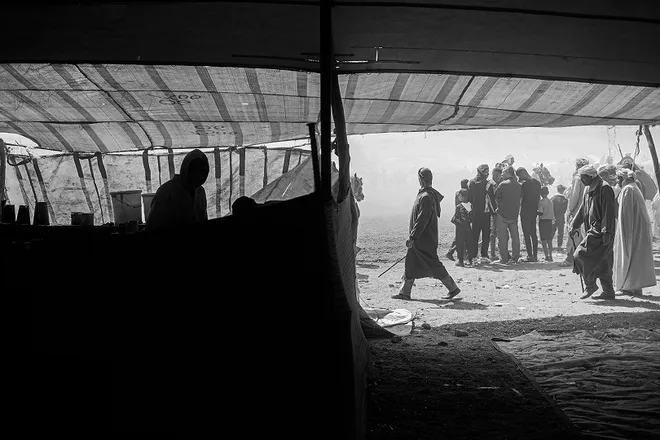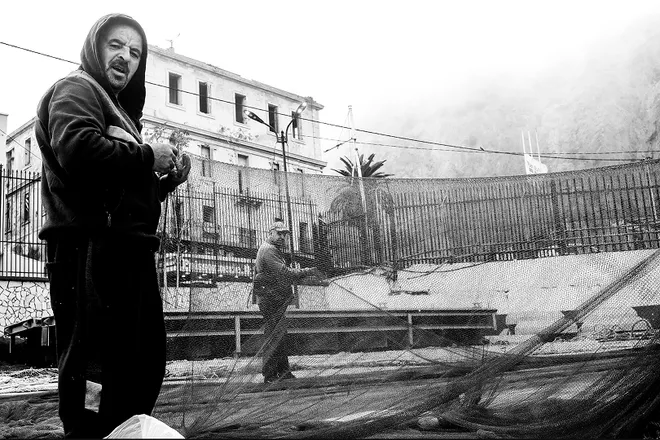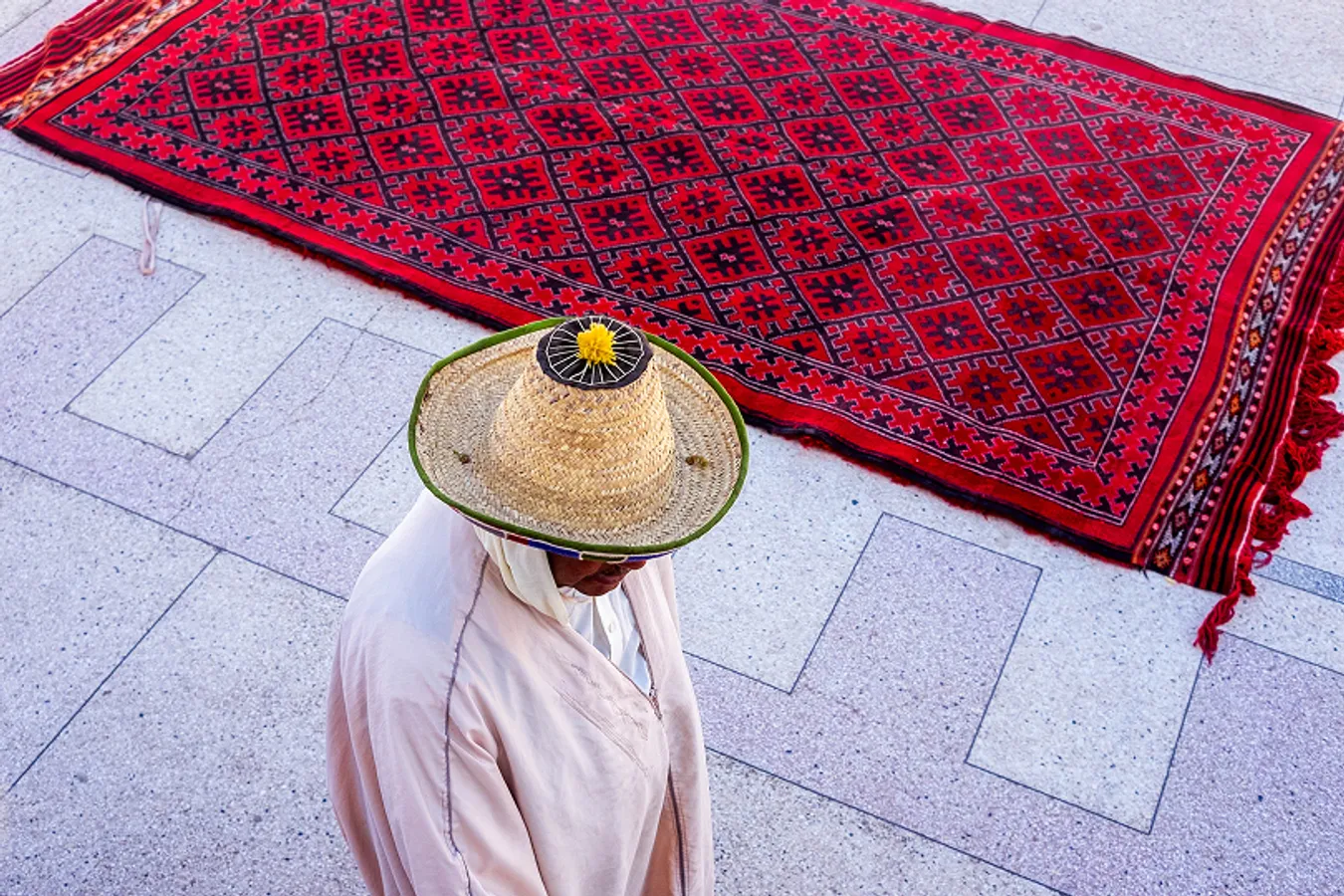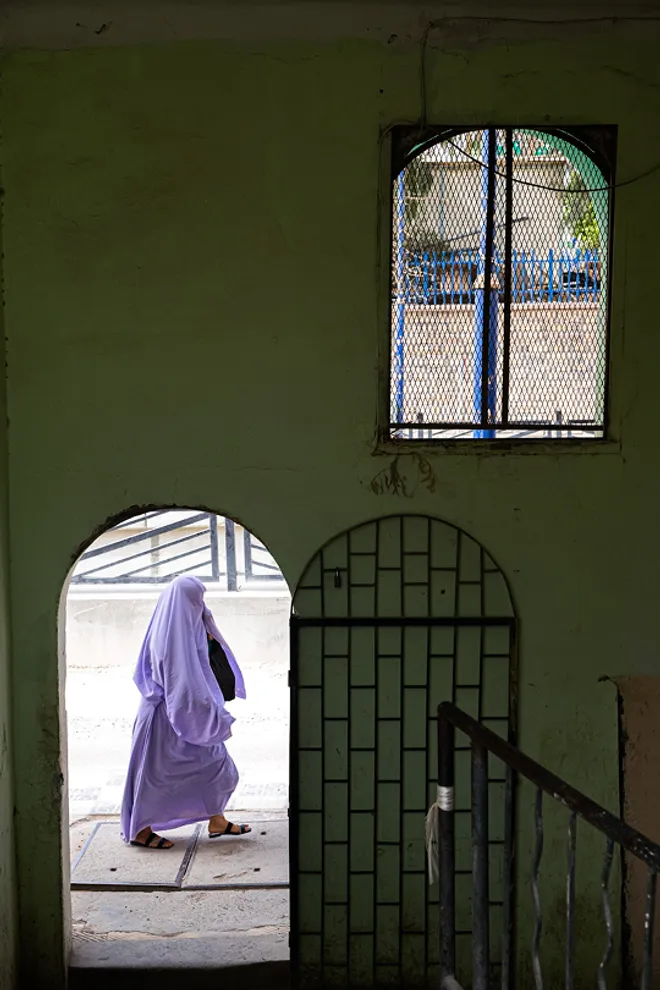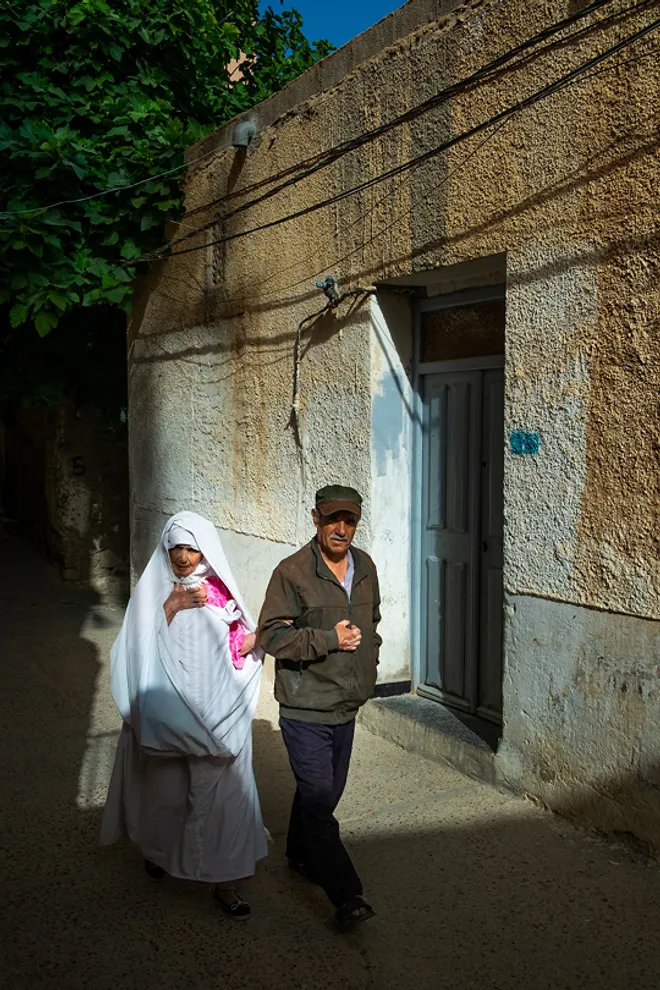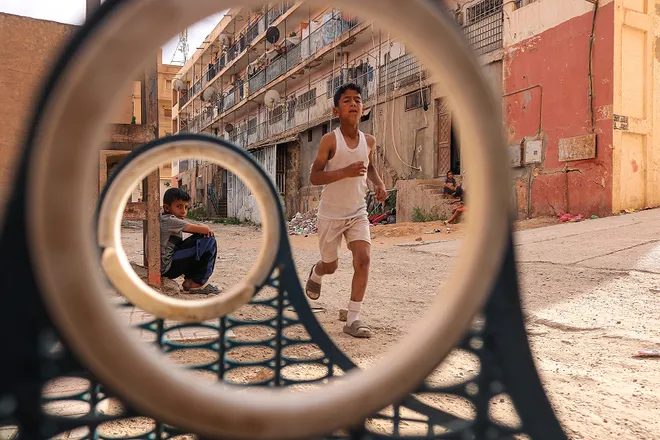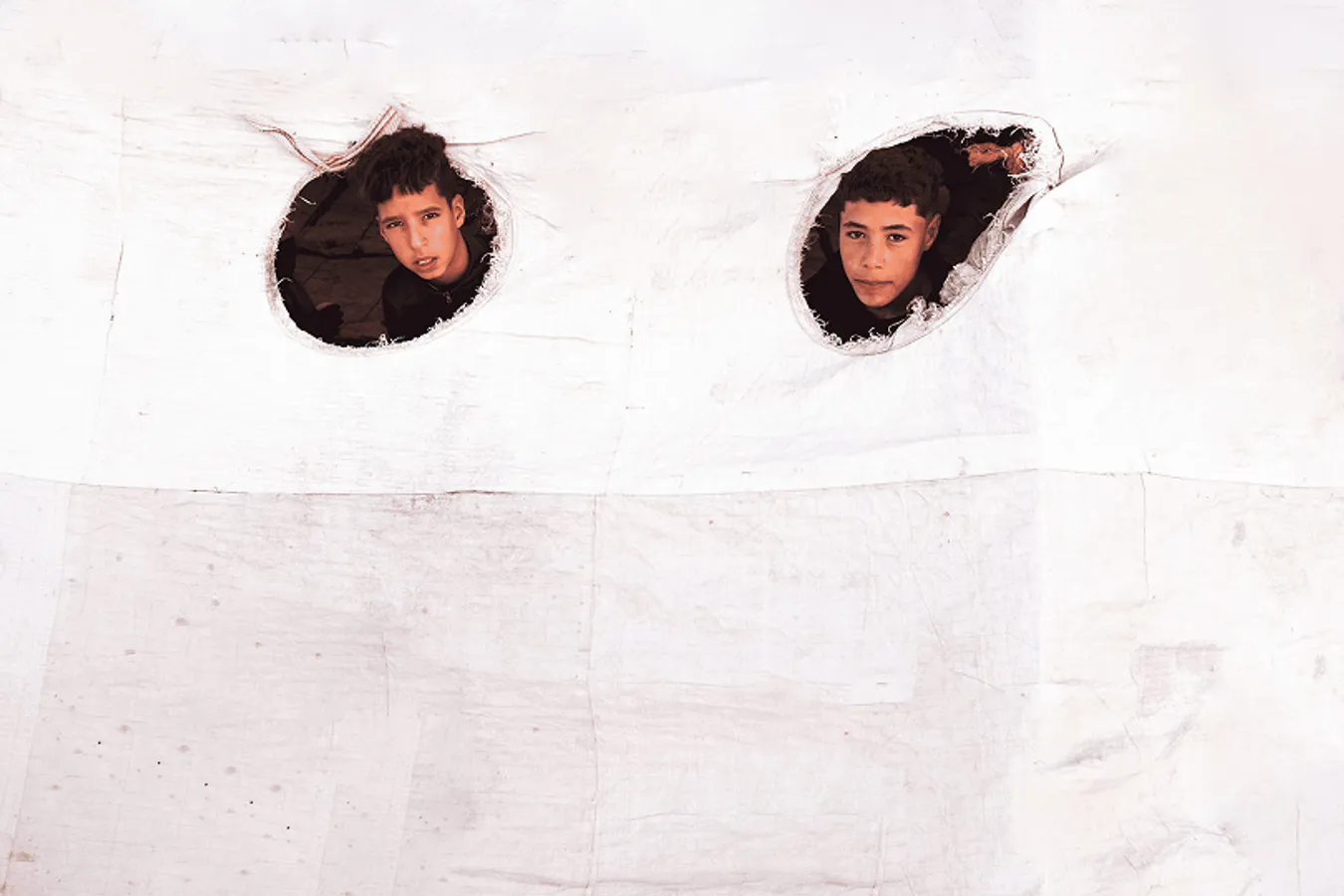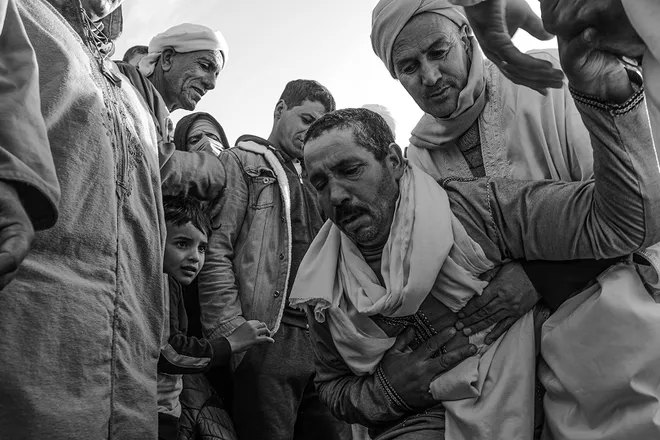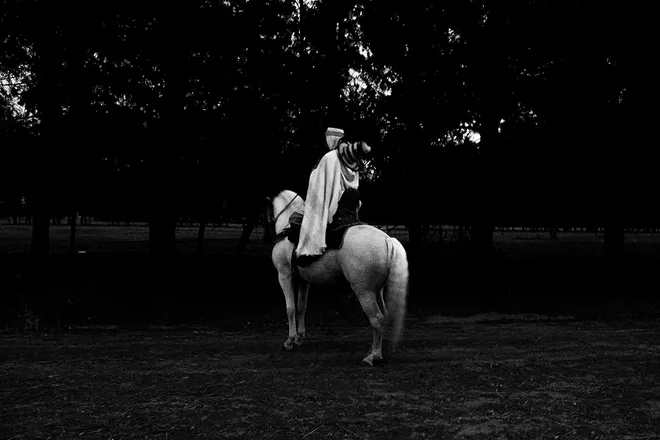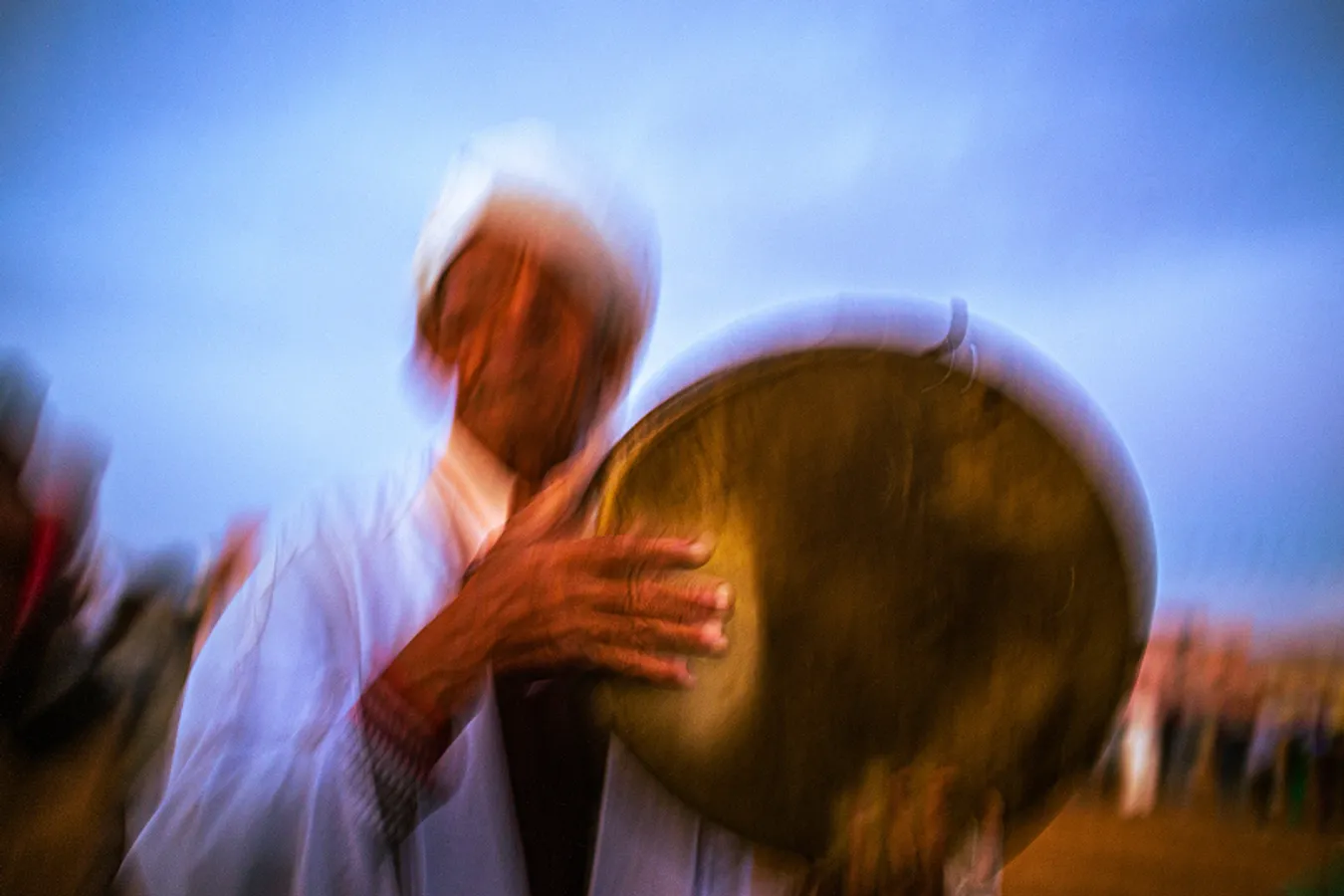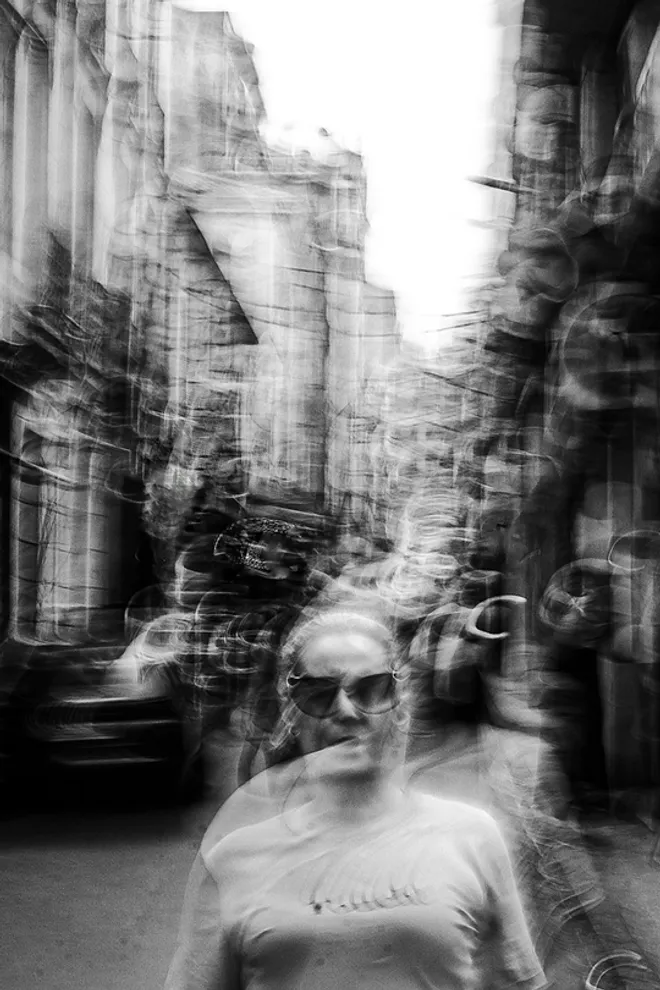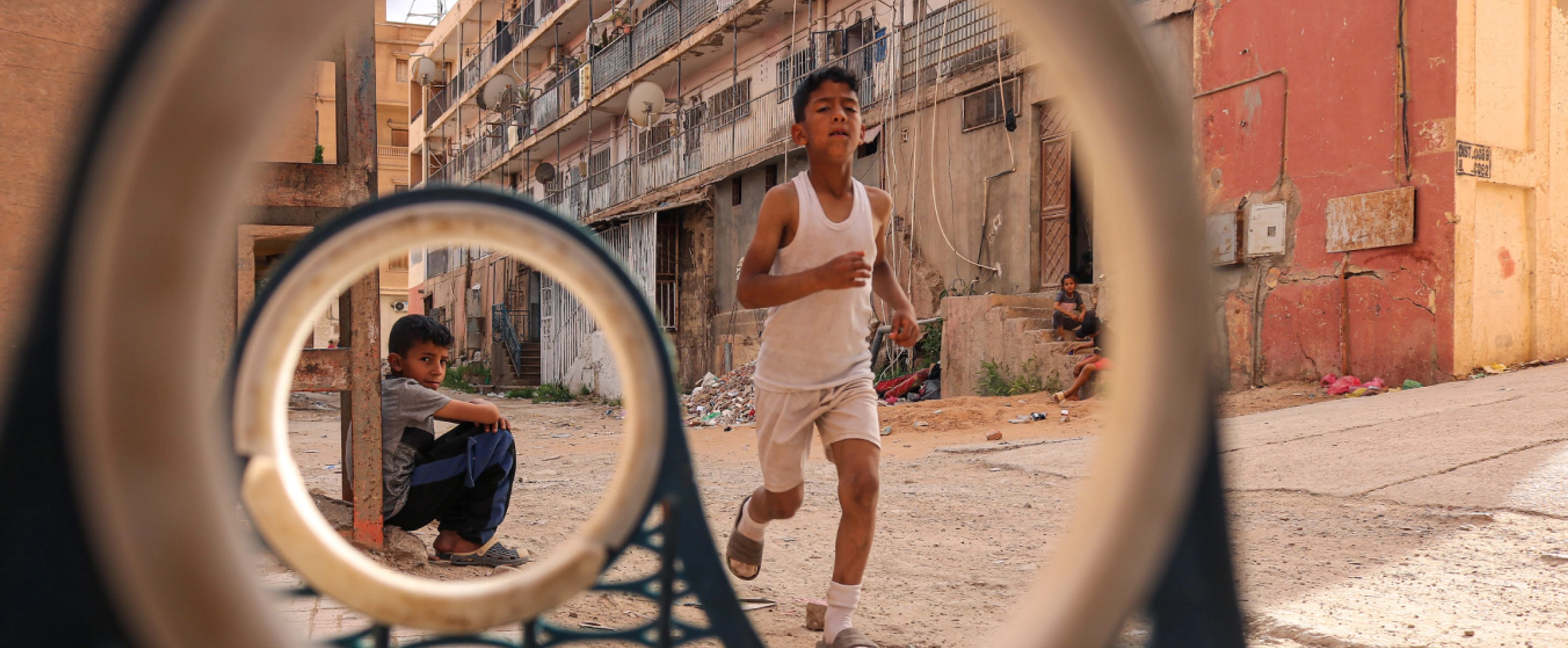
Born and raised in Aflou, a small city in Algeria, Mohammed Nahi is a street and documentary photographer whose work is rooted in the streets where he grew up, where everyday life unfolds through rituals, traditions, ordinary encounters, and the quiet complexities of human behaviour.
Photography has always been part of his life. His father spent years collecting photographs of their city, building an archive that preserved its memory. He was also fascinated by documenting everyday life, photographing people, places, and moments that many would overlook. Growing up around these images shaped the way Nahi sees photography: not simply as a way to record reality, but as a way to preserve memory and ask questions.
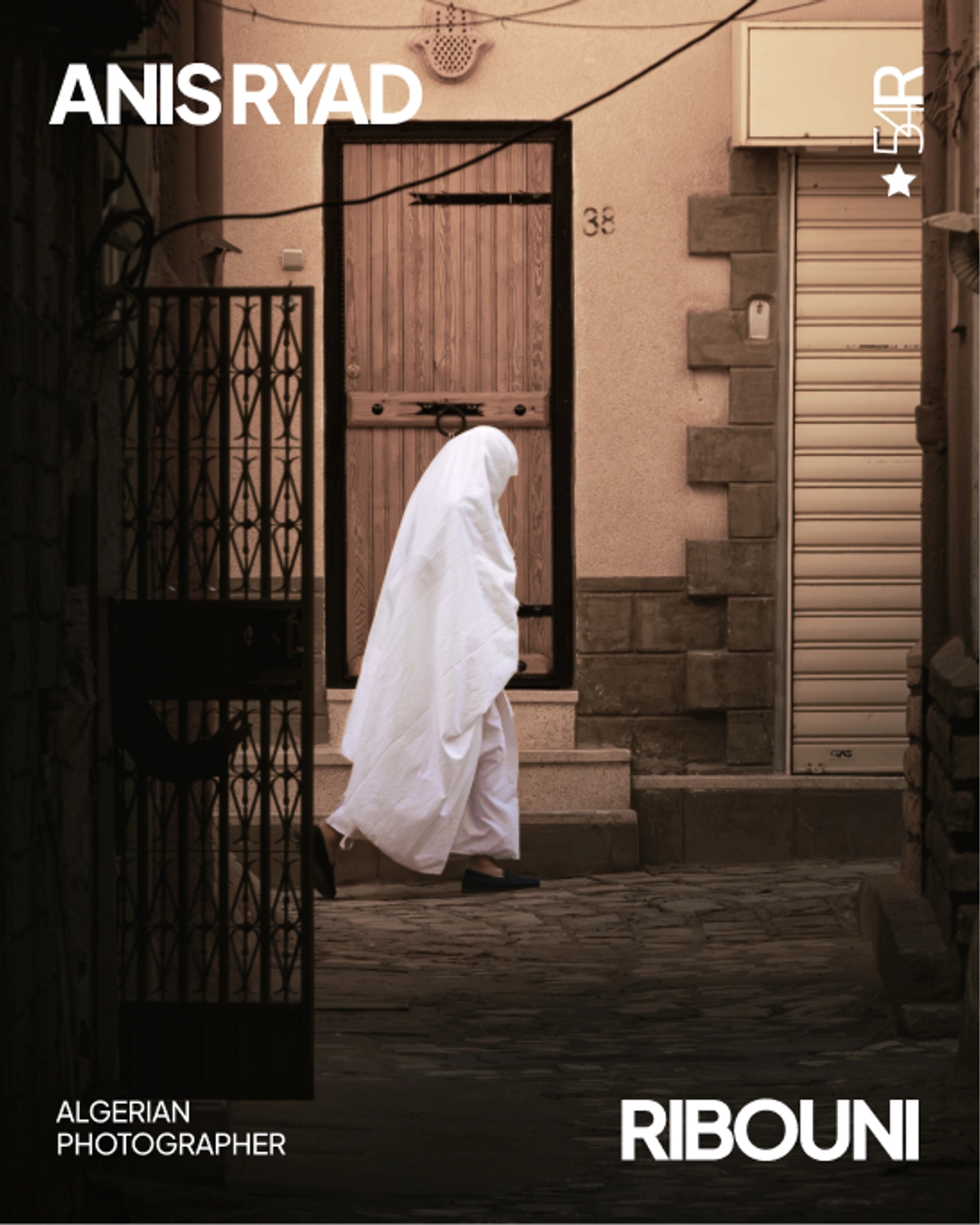
The streets of Aflou became his first classroom. Walking through markets, neighbourhoods, and public spaces, he became increasingly curious about the beliefs, fears, and social behaviours that define his community. Rather than searching for dramatic events, he is drawn to the ordinary moments that reveal something deeper about the relationship between people and their environment.
His projects often combine documentary observation with carefully reconstructed scenes inspired by real experiences and memories. He uses reenactment as a visual language to communicate emotional or psychological truths that cannot always be captured directly.
One of his ongoing projects, “How Much Do You Pay to Relief?”, explores popular rituals surrounding healing, protection, the evil eye, envy, inherited beliefs, and the hidden economy built around the search for reassurance.
The project does not seek to judge these practices, but to examine why people choose to pay for something intangible, and what these rituals reveal about fear, hope, vulnerability, and survival. Having witnessed and personally experienced many of these practices while growing up, his curiosity became the starting point for the work.
Questions rather than answers drive his photography. He is interested in how environment shapes psychology, how collective beliefs influence everyday decisions, and how ordinary streets become stages where social realities quietly unfold.
Through his work, he hopes to create images that invite viewers to pause, question, and reflect on the societies people inhabit and the invisible forces that shape their lives.