Omolemo-Aobakwe Kgope: South African documentary and fine art photographer exploring land, memory, and social justice

9 mins read
Published28 Jul, 2026

"Holding on to who I really am outside of predetermined expectations is about being brave and reconstructing my family's lineage of possibility. It's a revolution. It's saying I refuse just to survive."

Omolemo-Aobakwe Kgope is a multidisciplinary visual artist who studied Fine Arts at the Michaelis School of Fine Arts at the University of Cape Town before returning to Johannesburg to continue her practice through Artist Proof Studio's printmaking programme. She works across photography, video storytelling, printmaking, painting, and sculpture.

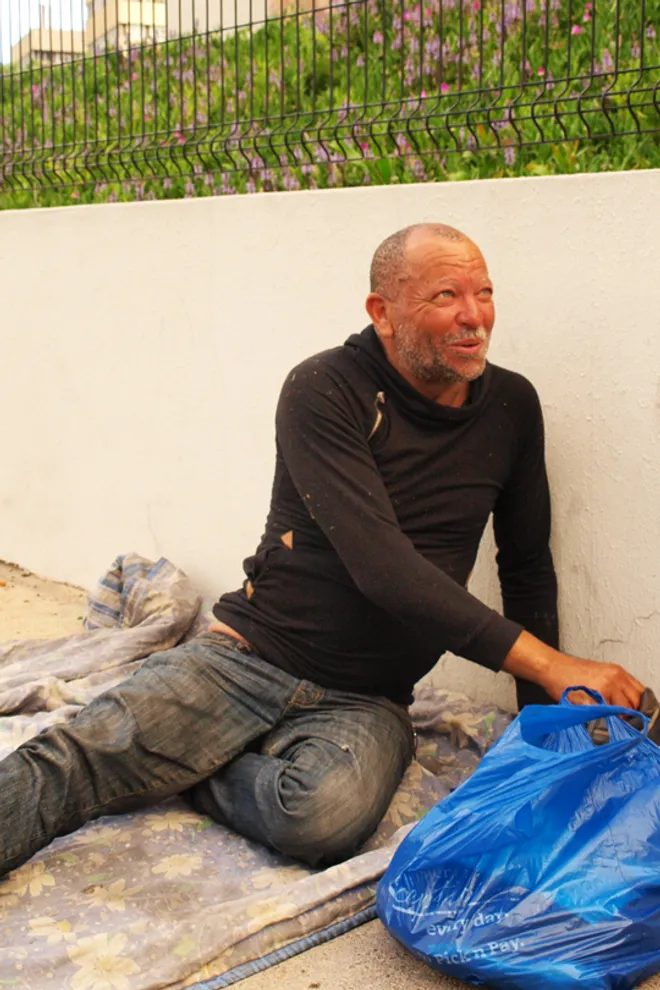
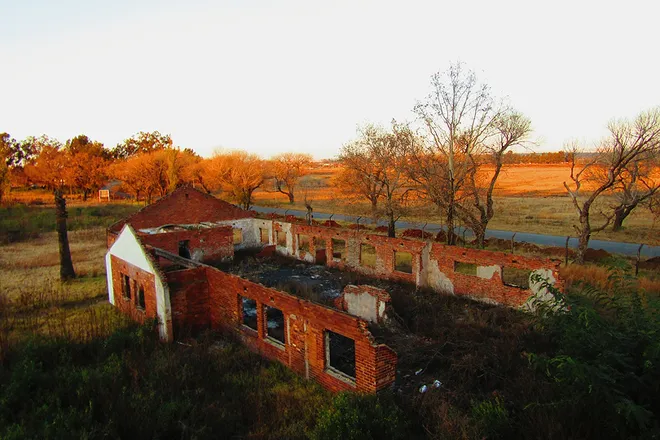
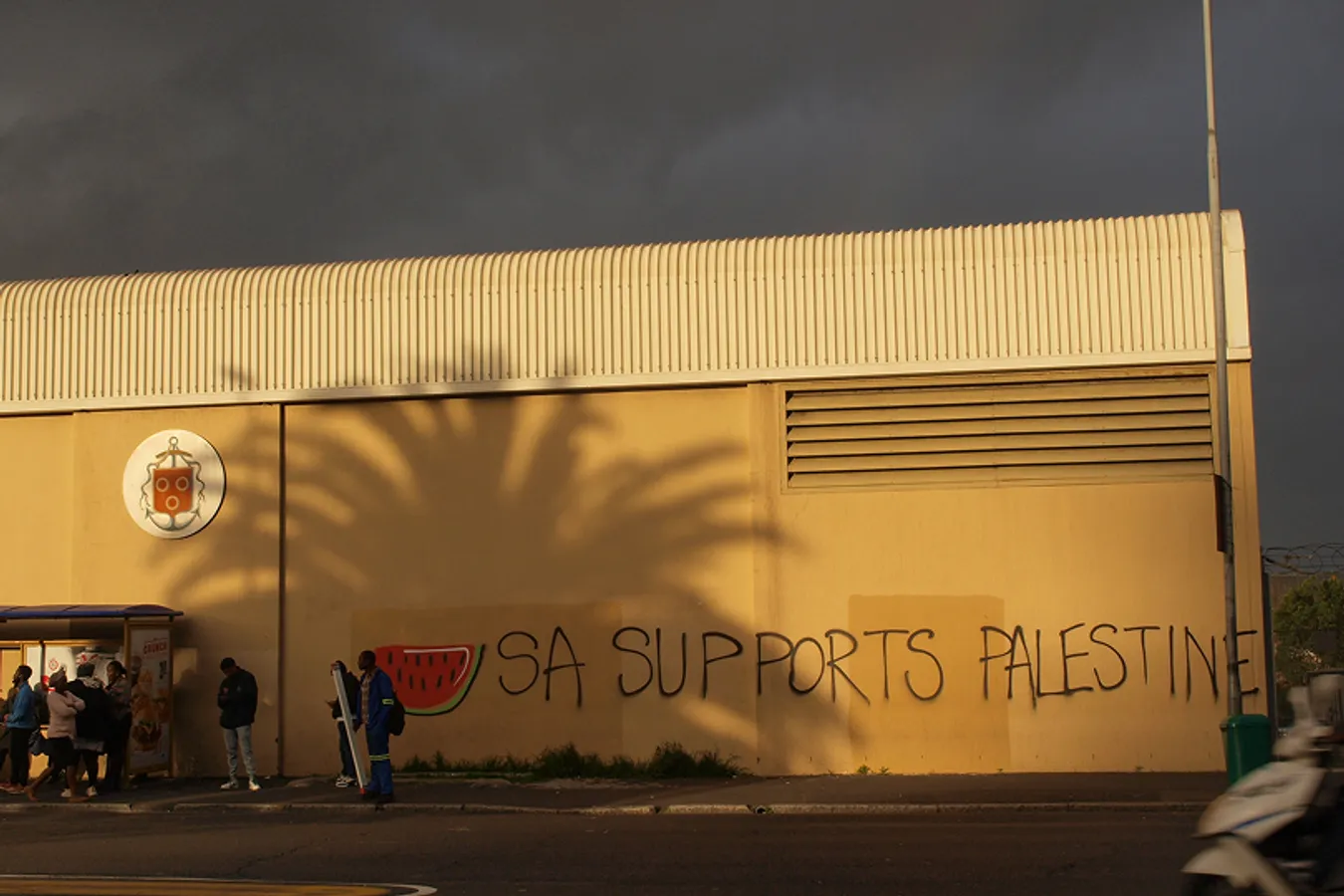
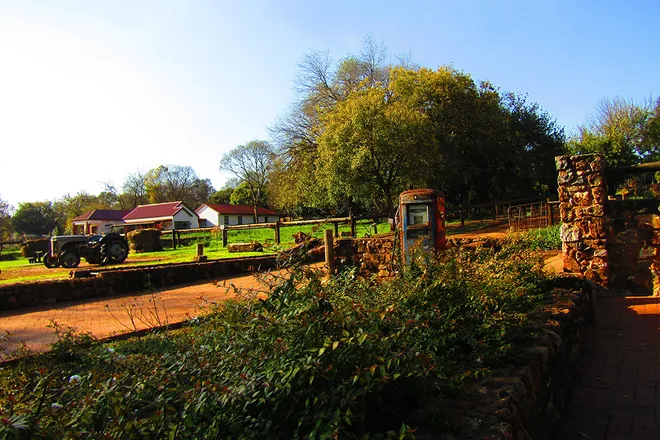
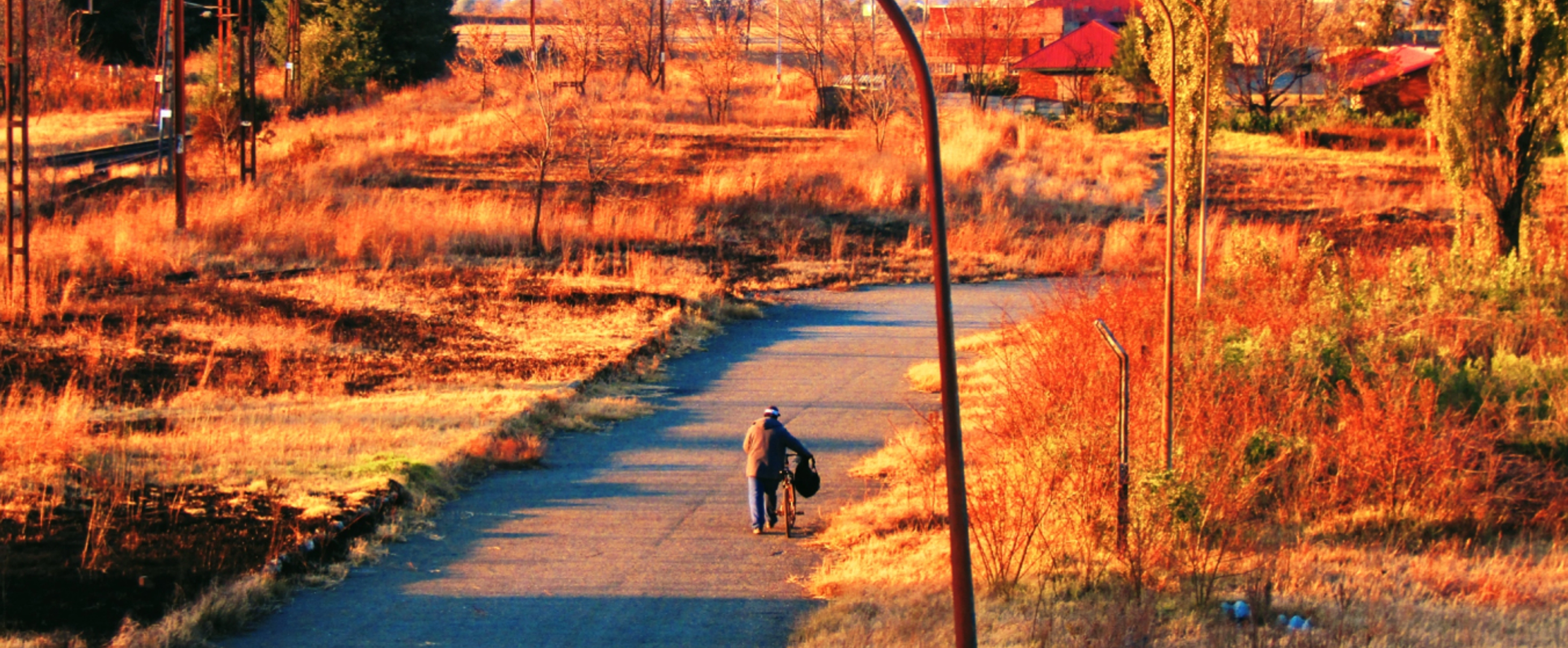
Kgope's work explores land dispossession, the lasting impact of Apartheid in South Africa, and how history, politics, gender, imperial violence, and capitalism continue to shape people's lives.

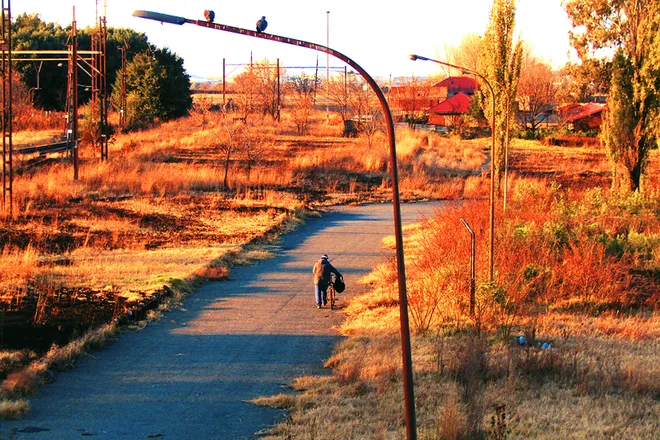
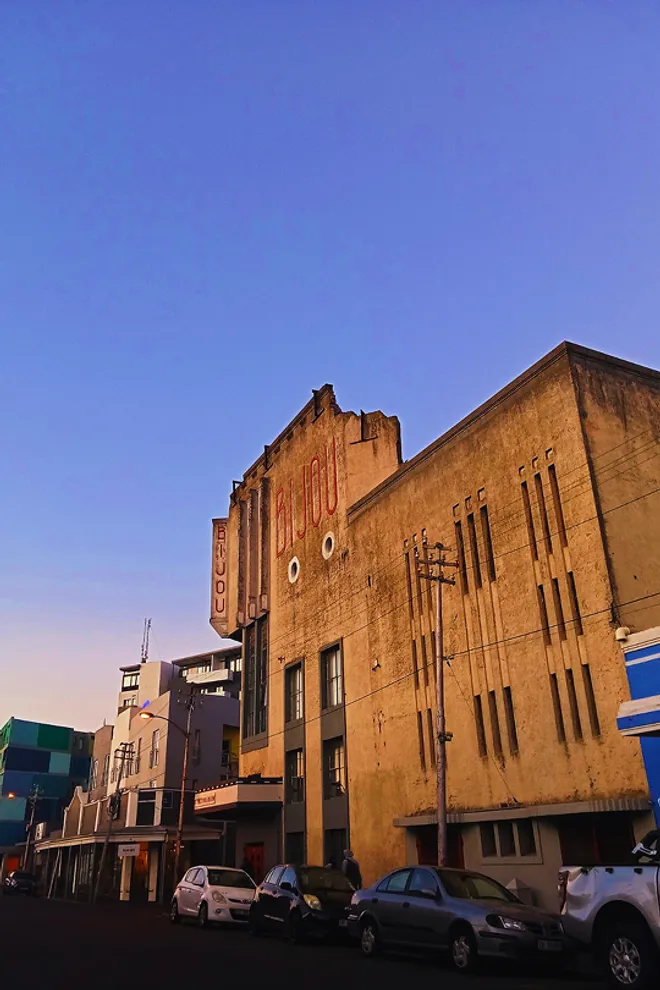
Through documentary photography, printmaking, and photojournalism, she documents life in Johannesburg and Cape Town, examining the effects of historical violence while highlighting the strength and resilience of marginalised communities.

Her work challenges inequality, political systems, and collective erasure through thoughtful and powerful visual storytelling. Her documentary photographs and prints combine intimacy with social and political commentary, revealing the humanity that is often overlooked in mainstream representations. Through her multidisciplinary practice, Kgope hopes to show how art and visual storytelling can question, affirm, and inspire change.
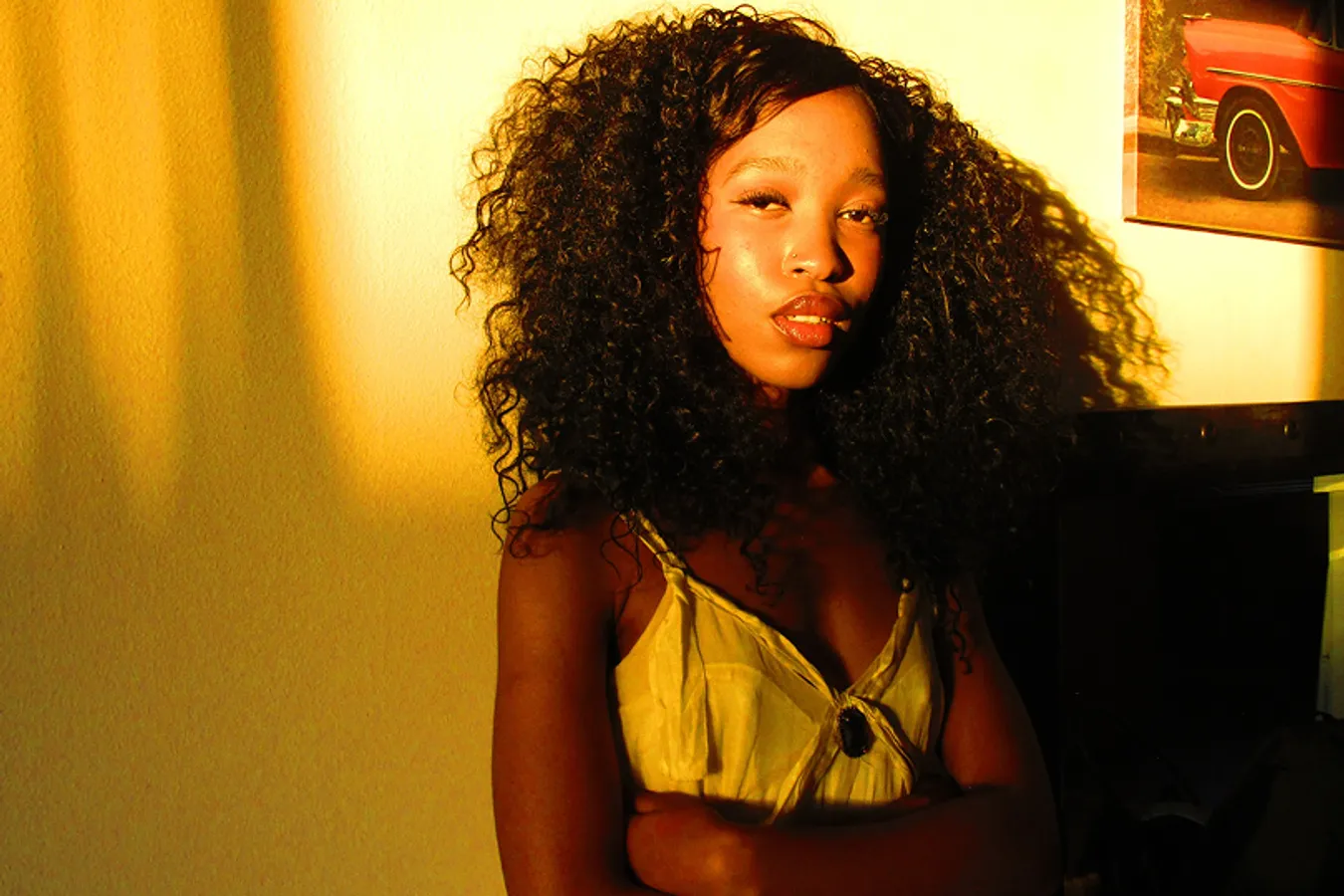
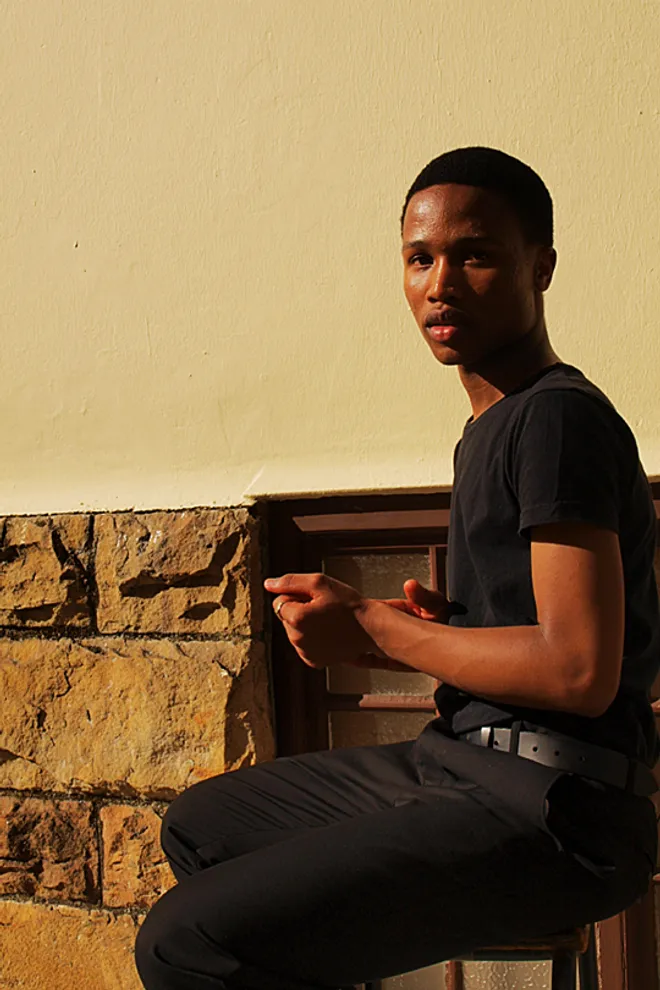
Omolemo-Aobakwe Kgope - South African visual artist

How did you get started in photography?

I observe the world as a 'cause-and-effect' of the systems created long before we existed. The places we're born in, the wealth we have access to, the language we use, and how we hold space for ourselves and our emotions are all shaped by how our society is organised.

When I observe people, I immediately see and connect the socio-political networks that had to have been institutionalised and are still upheld to keep people in these circumstances.

When you have a country like South Africa, riddled with inequality, you find the frames around you every day, whether you're a photographer or not. Being artistic, I naturally see the world in images and writing. Films and Santu Mofokeng hold a deep place in my heart.

How would you describe yourself?

I always seek to be gentle and intentional about everything I do and everyone I interact with. I make it my life's mission to hold space for people in the truest, most affirming ways I can in the moment and share whatever I find might resonate with them.

I love creating short films of my life on my Instagram and incorporating my images into them. They aren't fully fledged yet, but I adore them and think they are beautiful.

I adore people through their literature, daily theatre, opinions, art, political thought, philosophy, and their unique, intricate emotional landscapes.

I've always come from an academically high-achieving background, and I am currently studying Psychology, Political Science, and Printmaking.

So, choosing to devote my life to art and image-making, and making it indistinguishable from me as Omolemo in a concrete way, even amidst the plethora of hypercritical voices around me that wanted a more lucrative path for my intelligence, was, I think, my way of preserving myself from falling into responsibilities and fake livelihoods that would depress me for the sake of everyone else, while letting my soul rot inside my body until my last breath.

Holding on to who I really am outside of predetermined expectations is not just about being brave; it's about reconstructing my family's lineage of possibility. It's intelligence and imagination. It's a revolution. It's saying I refuse just to survive. It's difficult, it's beautiful, it's alive, it is human.

What are the main themes that inspire your photography?

Land dispossession, the contemporary legacy of Apartheid imperialism, dismantling gender roles, and the beauty and resilience of Black aspiration.

What moment in your career are you most proud of?

Exhibiting my work, "Lerato" (2023), at the Cape Town City Hall with Art School Africa under the 'The Voices Of The Future' exhibition.

When you have a country like South Africa, riddled with inequality, you find the frames around you every day, whether you're a photographer or not."

What is the biggest challenge you've faced as a photographer?

The fine balance between respecting your subjects and making them feel human and seen without commercialising them and their story for the image, thus commodifying them.

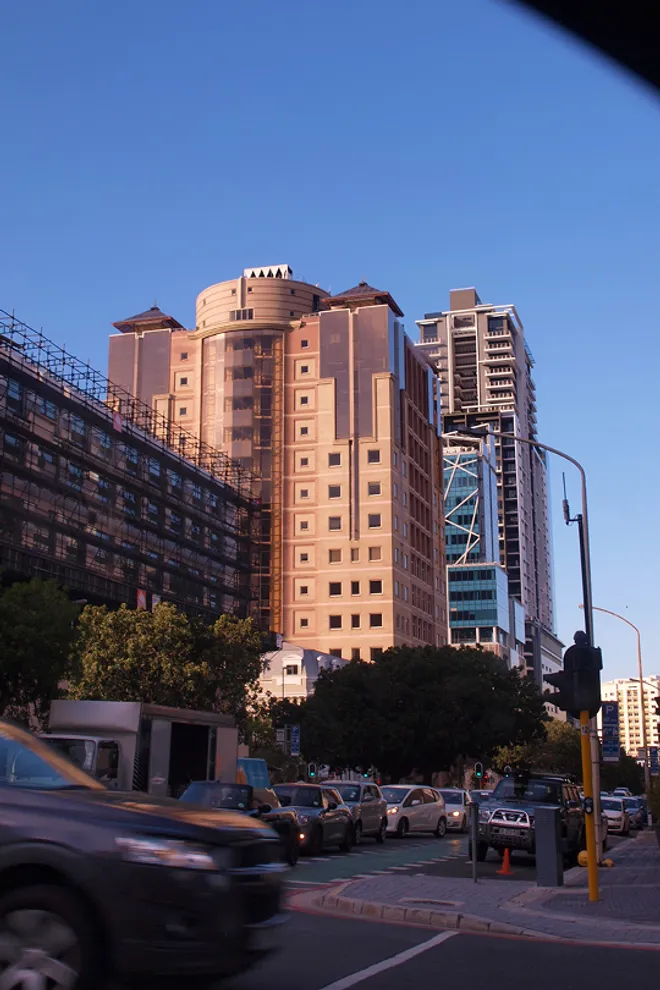
Shooting photos out of a moving car is pretty difficult too, lol. But yes, hoping that what I attempt to articulate is seen and understood, while simultaneously raising the difficult questions that are avoided in the name of surviving and putting ourselves and our families first.

What type of photography do you specialise in?

I enjoy photojournalism, documentary, and fine art the most. My work focuses on telling honest stories, documenting lived experiences, and exploring the social and political realities that shape people's lives.

What is your primary commercial niche?

Fine art and photojournalism. I enjoy creating work that is both visually compelling and socially meaningful, whether for exhibitions, publications, or editorial projects.

What is your unique technical or visual approach?

I combine photography with printmaking to create layered, evocative images. By incorporating my photographs into my artistic prints, I add depth, political reflection, and emotional nuance, creating work that encourages viewers to look beyond the surface while affirming the people and stories within each image.

Which global brands, photographers, or industries do you feel your work aligns with most?

I believe that my work resonates most closely with curatorial archives, political journals, fine art institutions, and documentary photography organisations. I also see it fitting alongside artists and institutions that use visual storytelling to explore history, politics, identity, and social justice.

How's the photography and art space in South Africa?

It's beautiful, booming, alive, and fuller than ever from the independent artist's perspective. In terms of the art industry, it's capitalist, commercial, and regressive; it regurgitates the same artists, rewards safer narratives, and only a few institutions do the work of showcasing newer, more evocative artists.

What is one professional standard you never compromise on?

Honesty. I believe honesty is the foundation of meaningful photography. It shapes how I approach the people I photograph, the stories I choose to tell, and the way I present my work.

I strive to represent people and their experiences with integrity, avoiding images or narratives that misrepresent or exploit them.

What do you think of the 54Ruum platform?

It's so needed. It's authentic, it isn't exploitative, and it's for the masses. The values of community, non-authoritarianism, and freedom are upheld in ways I deeply admire.

Credits

Photography

Omolemo-Aobakwe Kgope

Text

Esther Ayoola

Curation

guvnor

SHARE THIS STORY

Join Our Community

More Stories

Fauziah Anyango: Kenyan conceptual photographer exploring identity, culture, and emotional tension
Kananelo Moshabesha: Mosotho documentary photographer capturing culture, human connection, and authentic moments
Nada Ghanem: Egyptian documentary photographer capturing everyday life, emotion, and authentic moments on the streets of Egypt
Nesrine Kaddour: Algerian street photographer exploring Algiers through memory, identity, and cultural history
Ayanda Kanise: South African documentary photographer exploring memory, identity, and culture
Bouchra Ayad: Algerian documentary photographer preserving emotion through quiet observation
Ahmed Elkhatib: Egyptian film critic, filmmaker and photographer exploring cinema, analogue photography and everyday life
Joan Baptista Ndenzako: Burundian reportage and documentary photographer capturing memory, identity, and the human condition
Islam Traikia: Algerian wildlife photographer documenting nature through patience, observation, and authentic visual storytelling
Mohammed Nahi: Algerian street and documentary photographer exploring memory, belief and everyday life
Tonia-Marie Parker: Ghanaian fashion and documentary photographer exploring identity, memory, and African womanhood
Iddah Akinyi: Kenyan documentary photographer using visual storytelling to amplify communities, identity, and social change
Anis Ryad Ribouni: Algerian documentary and street photographer exploring architecture, memory, and everyday life
Bonolo Tlholoe: South African documentary and editorial photographer exploring identity, family lineage and everyday life
Azeezah Oyeleke Ibrahim: Nigerian fashion and lifestyle photographer exploring heritage through cinematic, nostalgic imagery

Explore more content

Company

The Ruum Africa

Products

RTM
Cookie Policy

© 2026 The Ruum Africa

Built by