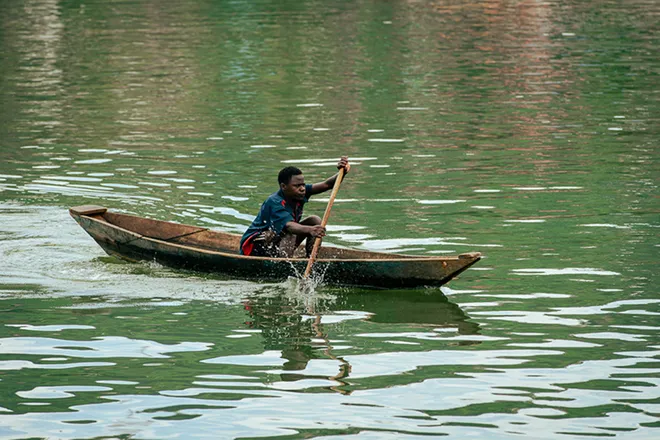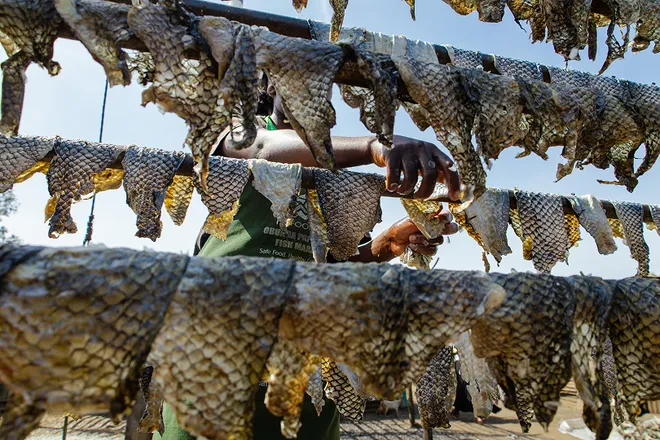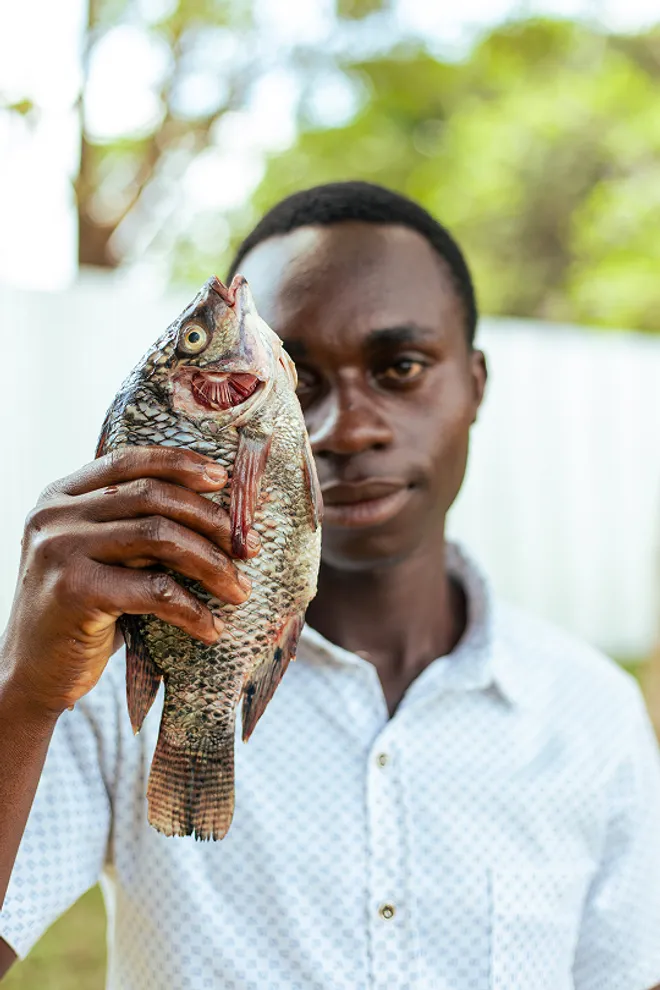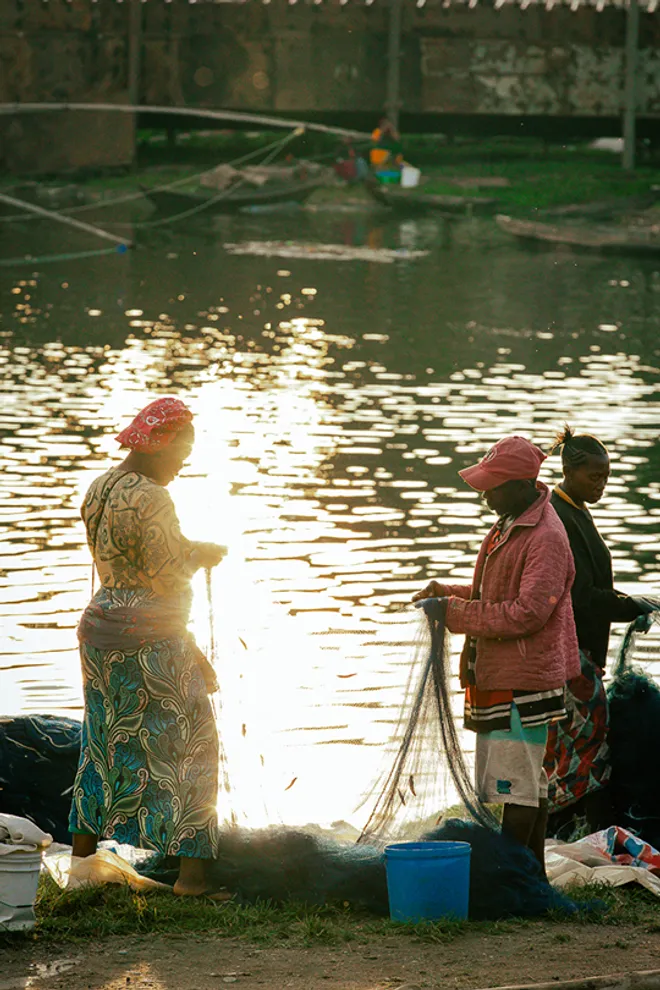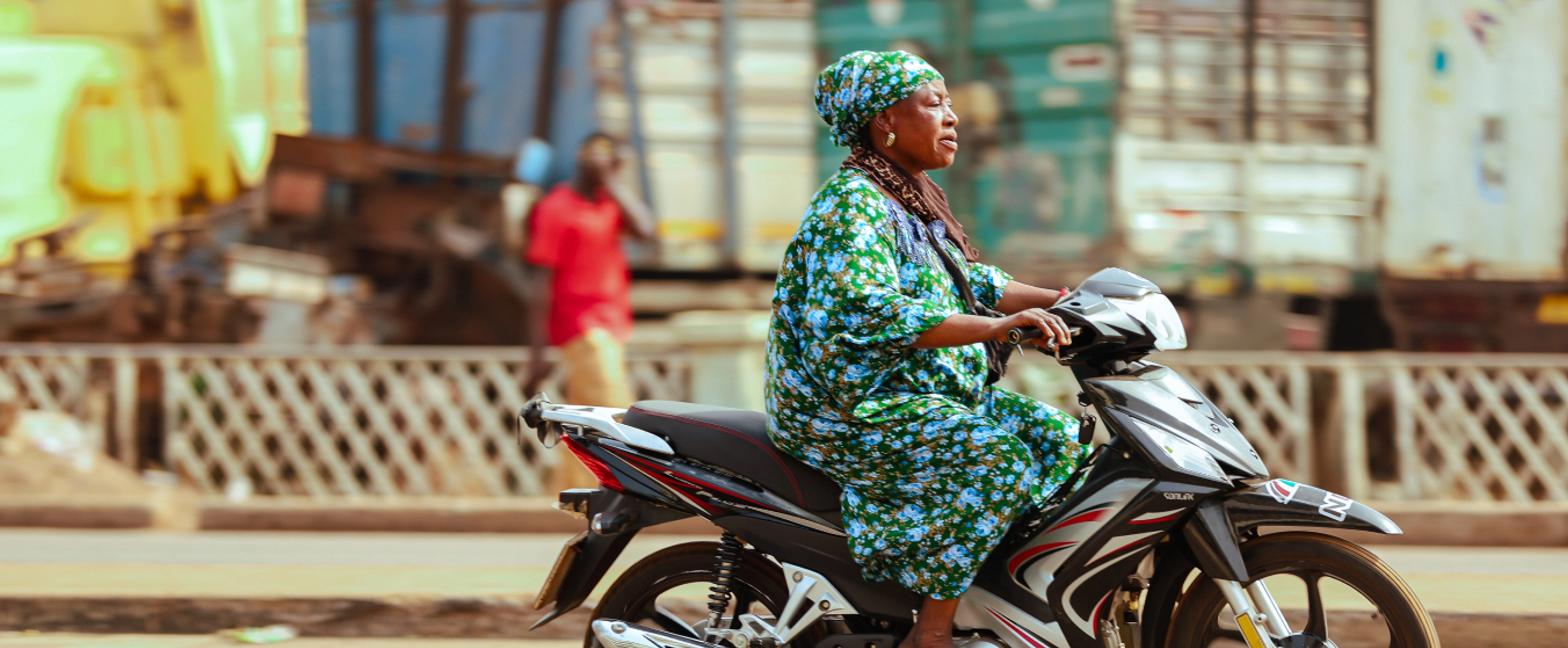
Iddah Akinyi: Kenyan documentary photographer using visual storytelling to amplify communities, identity, and social change

11 mins read
Published21 Jul, 2026

"Photography is more than a profession for me. It is a tool for connection, empathy, and social change. Through every story I tell, I hope to create understanding and amplify voices that deserve to be heard."

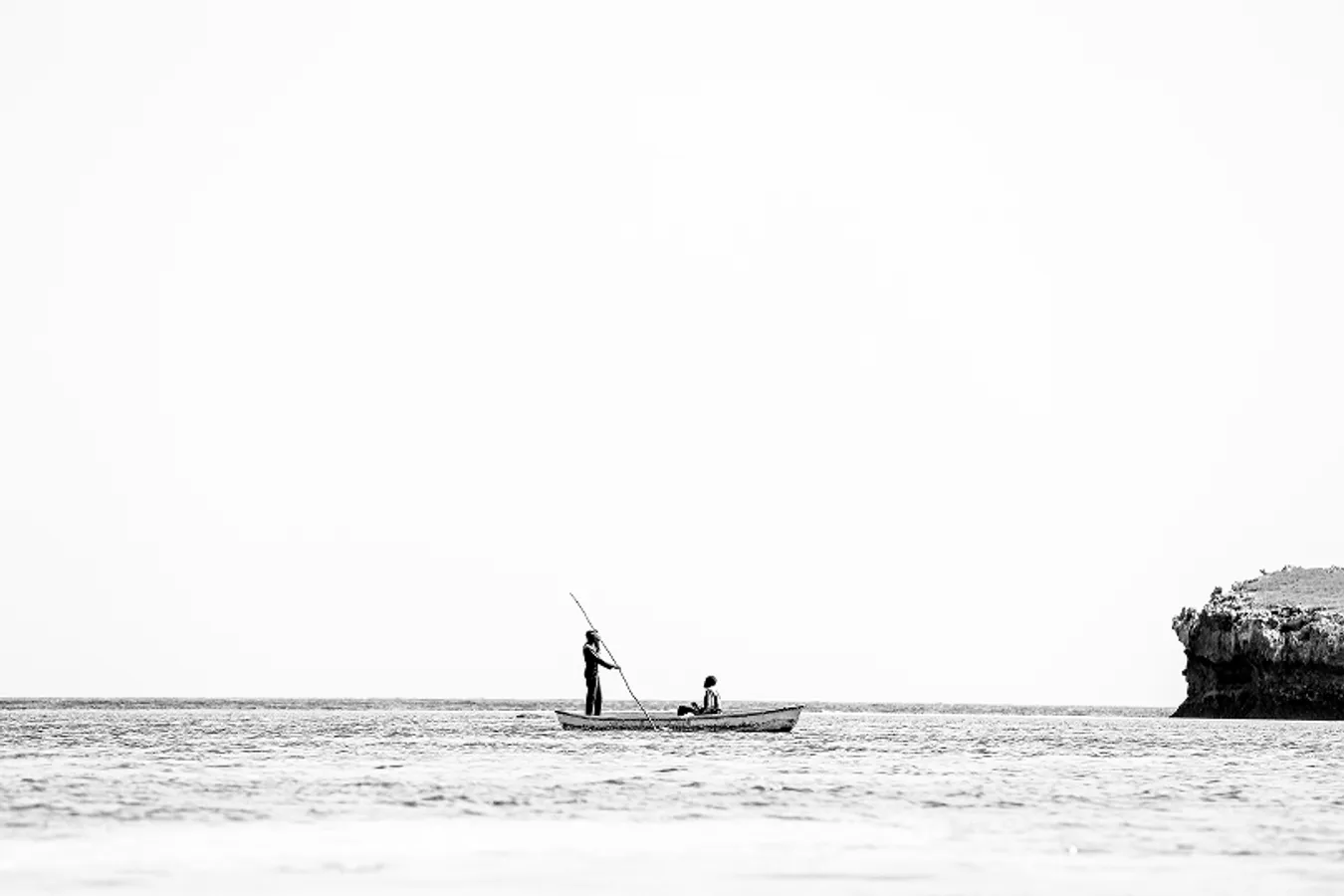
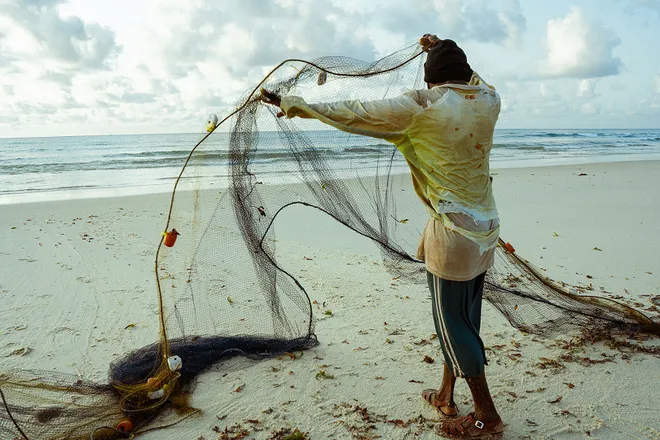
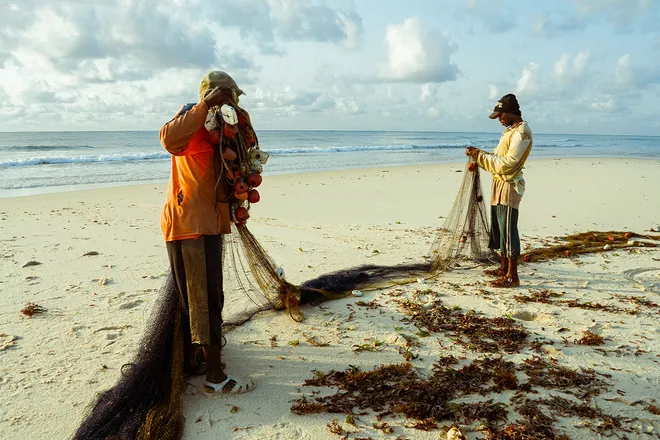
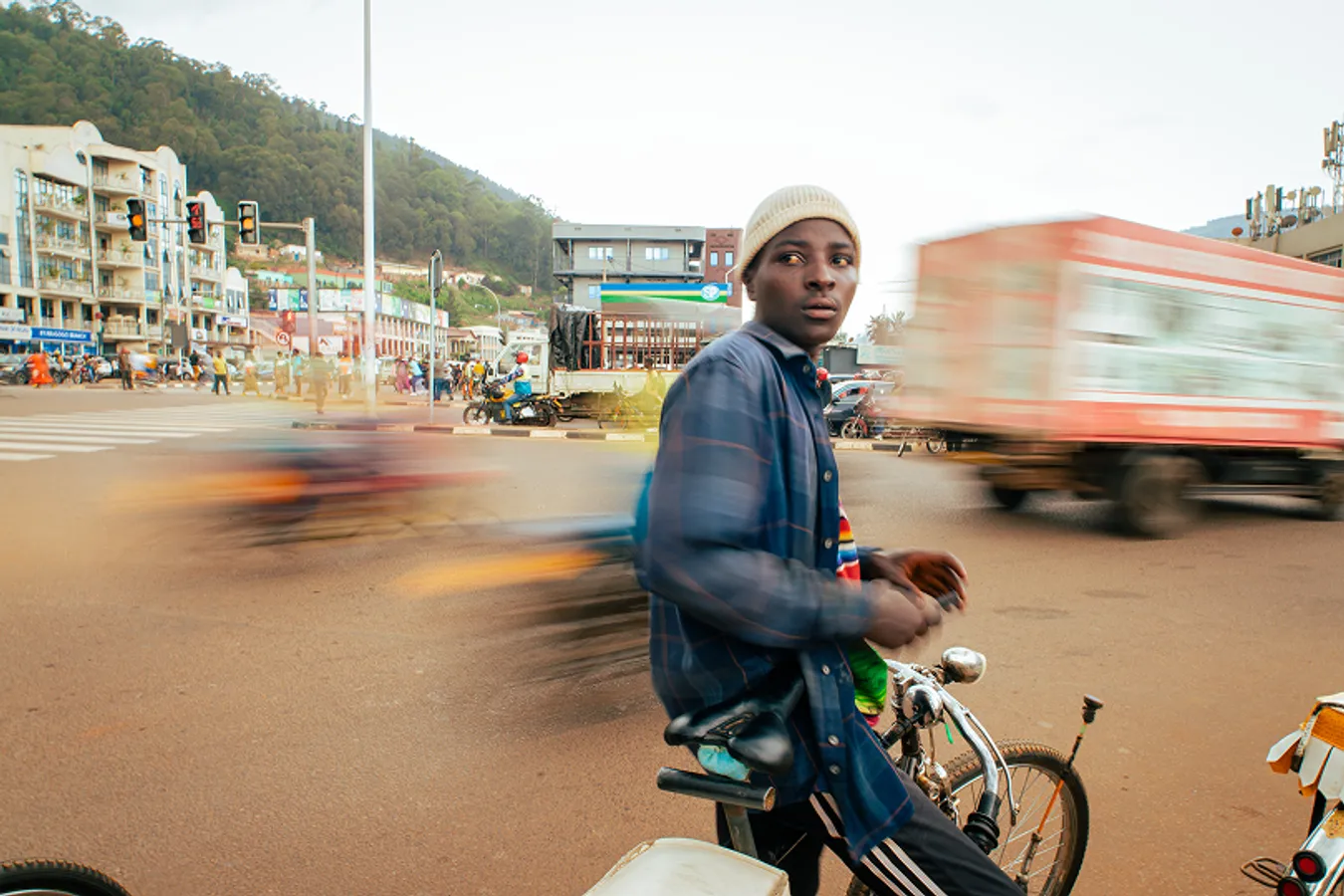
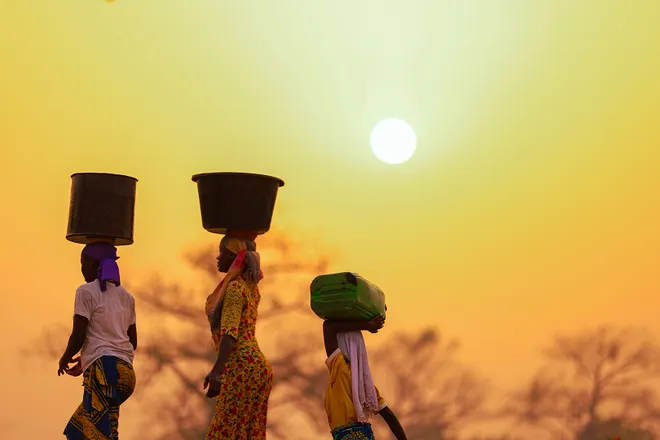
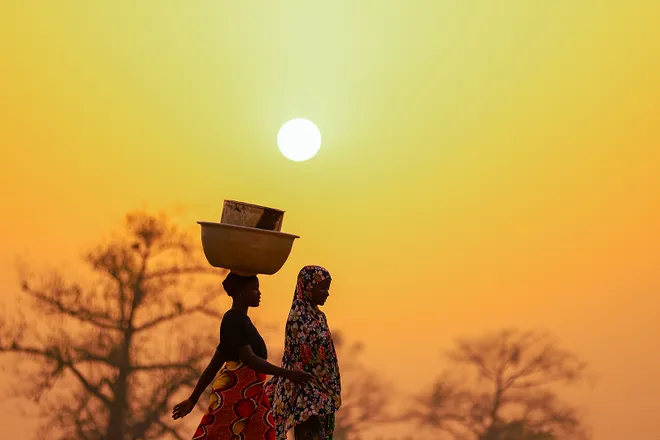
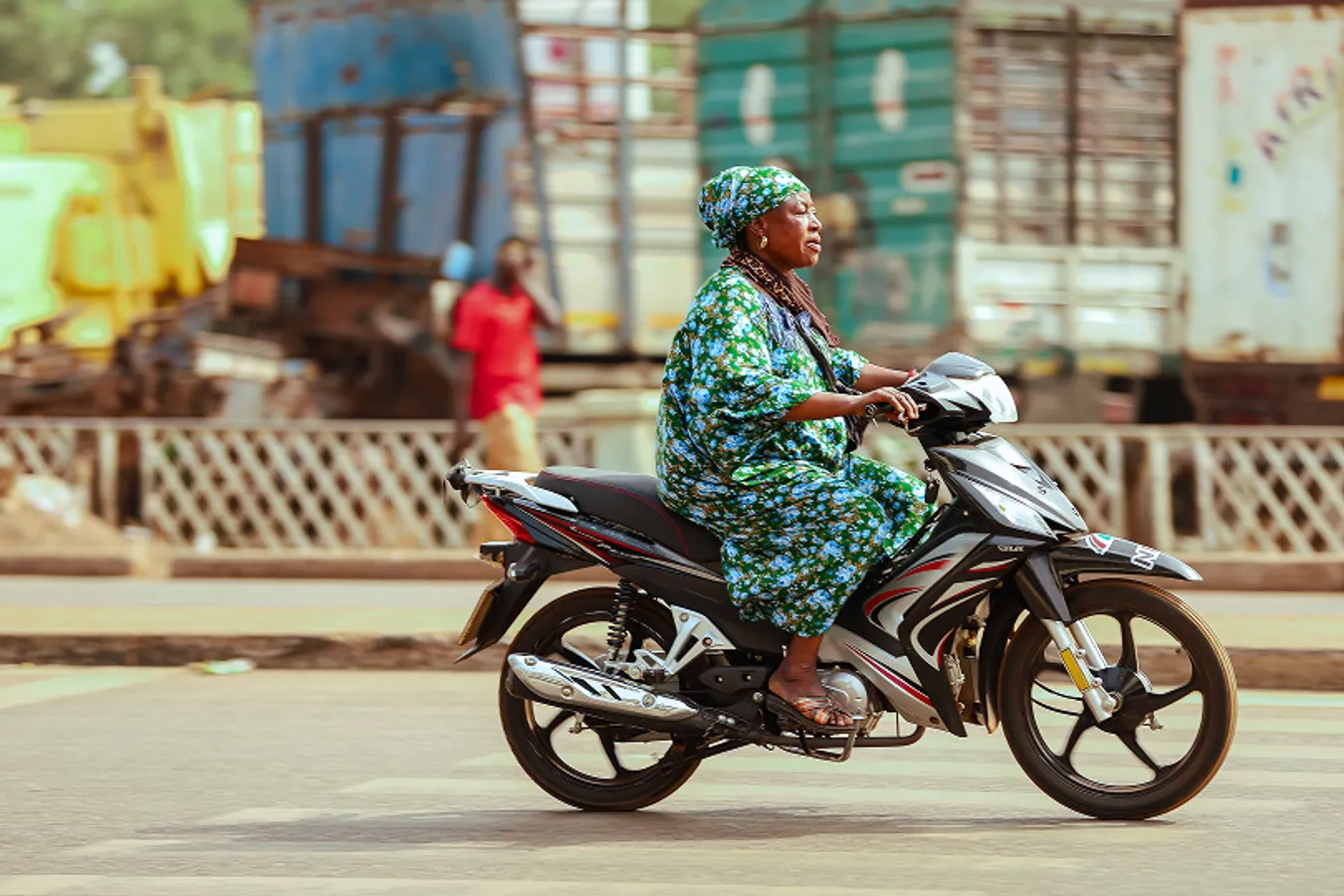
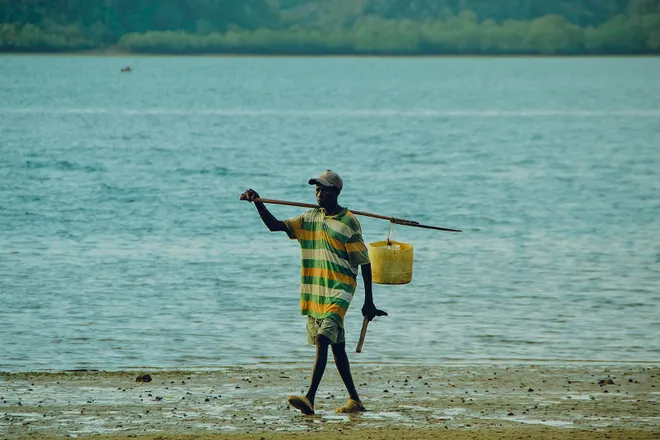
Iddah Akinyi is a Nairobi-based documentary photographer, filmmaker, and visual storyteller whose work explores social justice, identity, memory, and community. Through documentary and participatory storytelling, she creates visual narratives that amplify underrepresented voices and celebrate the resilience of the communities she documents.

She has collaborated with grassroots organisations, development agencies, artists, and community groups across Kenya, documenting stories around youth empowerment, governance, mental well-being, gender, education, and social inclusion.

Guided by ethical storytelling and collaboration, Akinyi centres the lived experiences of the people she photographs while creating space for honest, community-driven narratives.

Akinyi is also the co-founder of Somaso Afrika, where she mentors emerging photographers and filmmakers while leading projects that use photography and film as tools for advocacy, learning, and community engagement.

Alongside her documentary practice, she facilitates workshops that explore mindful and participatory photography as approaches to self-expression, reflection, and social change.
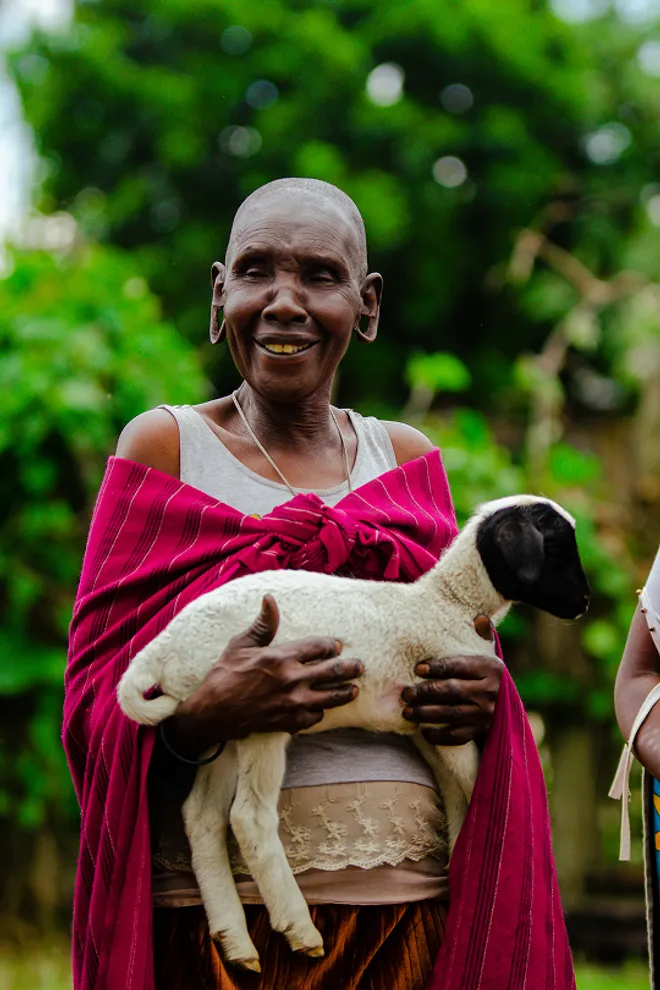
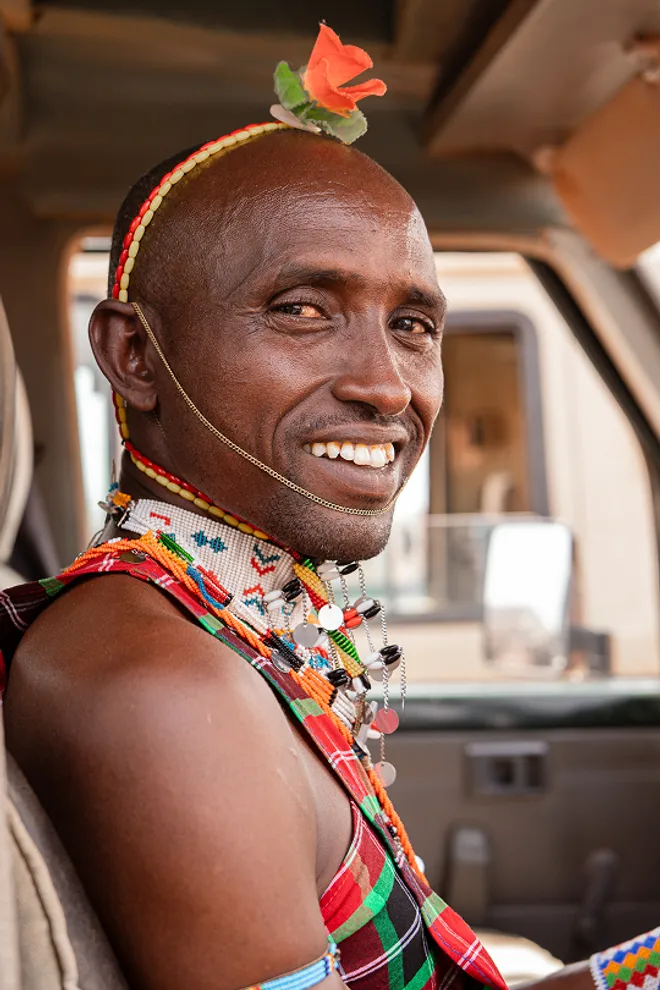
How did you get started in photography?

My photography journey began during university while I was looking for a creative outlet beyond my studies. Through friends who were photographers, I was introduced to the world behind the camera and became fascinated by photography's ability to capture moments, preserve emotions, and tell stories.

What began as a hobby soon developed into a passion for meaningful visual storytelling. I found myself drawn to images that encourage reflection, conversation, and connection, which naturally led me towards documentary photography. I became interested in documenting people, communities, and everyday experiences that are often overlooked or underrepresented.

Today, photography is more than a profession for me. It is a tool for connection, empathy, and social change. Through my work, I hope to tell stories that matter, create understanding, and amplify diverse voices.
How would you describe yourself?

I am naturally curious, determined, and creative. I enjoy turning ideas into meaningful visual stories and find myself constantly drawn to people, places, and moments that others might overlook. Photography and filmmaking allow me to explore those moments while creating space for conversation and reflection.

Outside photography, I love football, both as a spectator and a player. If I were on the pitch, I would be a striker. I enjoy the creativity, timing, and instinct the role demands, qualities that also influence how I approach storytelling.

"Being selected for the Reimagining African Narratives Fellowship reminded me that persistence matters. Every setback became part of the journey that brought me here."

What are the main themes that inspire your photography?

My photography is inspired by people, their lived experiences, and the stories that shape their lives. I am particularly drawn to personal narratives and everyday moments that reveal resilience, identity, and transformation, especially within communities whose voices are often underrepresented.

Conversation and social change sit at the heart of my practice. I use photography as a way of listening, documenting, and encouraging dialogue around issues including social justice, inclusion, democracy, mental well-being, and youth empowerment.

Through visual storytelling, I hope to create awareness, inspire empathy, and encourage people to engage more thoughtfully with the world around them.

What moment in your career are you most proud of?

One of the moments I am most proud of was being selected for the Reimagining African Narratives Fellowship by Nature, Environment and Wildlife Filmmakers (NEWF). After many unsuccessful applications for fellowships and grants, receiving that opportunity reminded me of the value of persistence and believing in my journey.

The fellowship opened new professional opportunities while strengthening my commitment to creating stories that challenge stereotypes and celebrate African perspectives. More importantly, it reminded me that setbacks are often part of the process, and that growth comes from continuing to show up.

"My approach to photography is rooted in observation, presence, and intentionality. Slowing down allows me to build trust and create images that feel honest, intimate, and deeply human."

What is the biggest challenge you've faced as a photographer?

Lack of access to equipment was one of the biggest challenges I faced when I was starting out. Although I was passionate about photography, owning a camera was beyond my reach, so I relied on borrowed cameras from friends and used my mobile phone to learn and practise.

That experience taught me that meaningful storytelling is not defined by expensive equipment but by creativity, observation, and the ability to connect with people and their stories. After months of saving, I bought my first camera, a Nikon D3200. It was a milestone that reflected persistence as much as progress. Looking back, those early limitations made me more resourceful and helped shape the way I approach photography today.

What type of photography do you specialise in?

I specialise in documentary photography because of its ability to tell authentic stories and capture life as it naturally unfolds. I am drawn to creating images that provide context, evoke emotion, and reflect the experiences of people and communities, particularly around identity, social change, youth empowerment, mental well-being, and collective memory.

Over time, my style has evolved into what I describe as mindful photography. This approach encourages observation, presence, and intentionality, allowing me to engage more deeply with the people and stories I document. As a result, my work has become more reflective, intimate, and emotionally grounded.

What is your primary commercial niche?

My primary commercial niche is visual storytelling for non-profits, development agencies, and social impact organisations in Kenya. Through photography and filmmaking, I document programmes, capture community experiences, and produce stories that highlight impact across youth empowerment, governance, education, gender equality, mental well-being, and social justice.

What draws me to this work is the opportunity to combine documentary storytelling with meaningful social impact. Over the years, I have collaborated with non-profits, foundations, and community organisations to create visual content for advocacy campaigns, reports, fundraising, digital communications, and community engagement initiatives.

"For me, the human experience always comes before the photograph."

What is one professional standard you never compromise on?

Ethics.

As a documentary photographer and visual storyteller, I believe ethical practice is the foundation of meaningful and responsible storytelling.

I prioritise respect, honesty, informed consent, and dignity in every project, ensuring the people whose stories I document are represented thoughtfully and truthfully. Ethics also shapes the way I work with clients and collaborators through transparency, accountability, and professionalism. Building trust is just as important to me as creating compelling images.

What do you think of the 54Ruum platform?

I believe 54Ruum is creating valuable opportunities for photographers and visual artists across Africa by increasing visibility, encouraging discovery, and supporting long-term professional growth. I appreciate its commitment to showcasing diverse African voices and visual narratives while giving creatives a platform to share their work with wider audiences.

Beyond visibility, 54Ruum is helping to strengthen the continent's photography ecosystem by encouraging collaboration, learning, and meaningful connections between photographers. Platforms like this play an important role in amplifying African talent and supporting the continued growth of African visual storytelling.

Credits

Photography

Iddah Akinyi

Text

Moyin Adediran

Curation

guvnor

SHARE THIS STORY

Join Our Community

More Stories

Fauziah Anyango: Kenyan conceptual photographer exploring identity, culture, and emotional tension
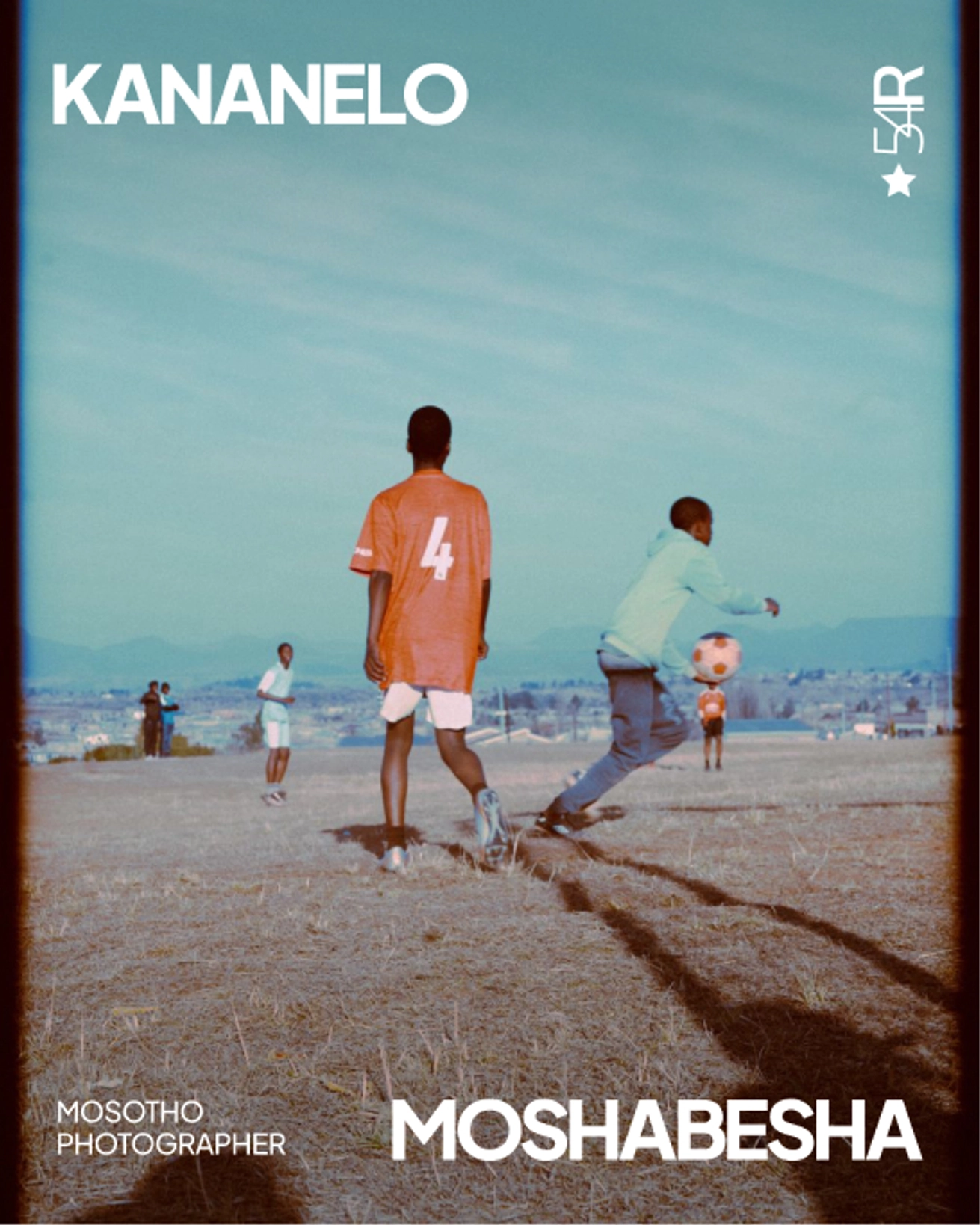
Kananelo Moshabesha: Mosotho documentary photographer capturing culture, human connection, and authentic moments
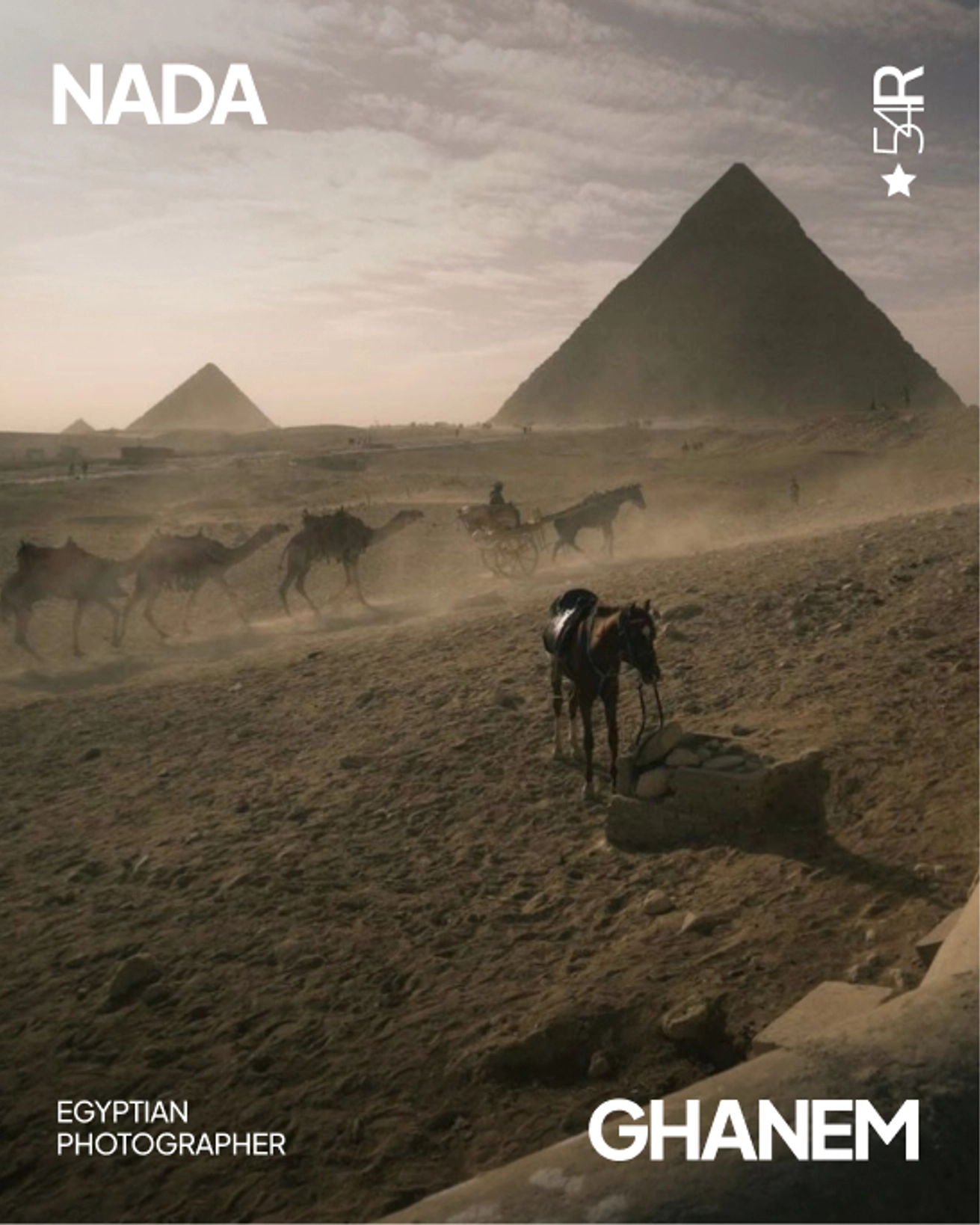
Nada Ghanem: Egyptian documentary photographer capturing everyday life, emotion, and authentic moments on the streets of Egypt
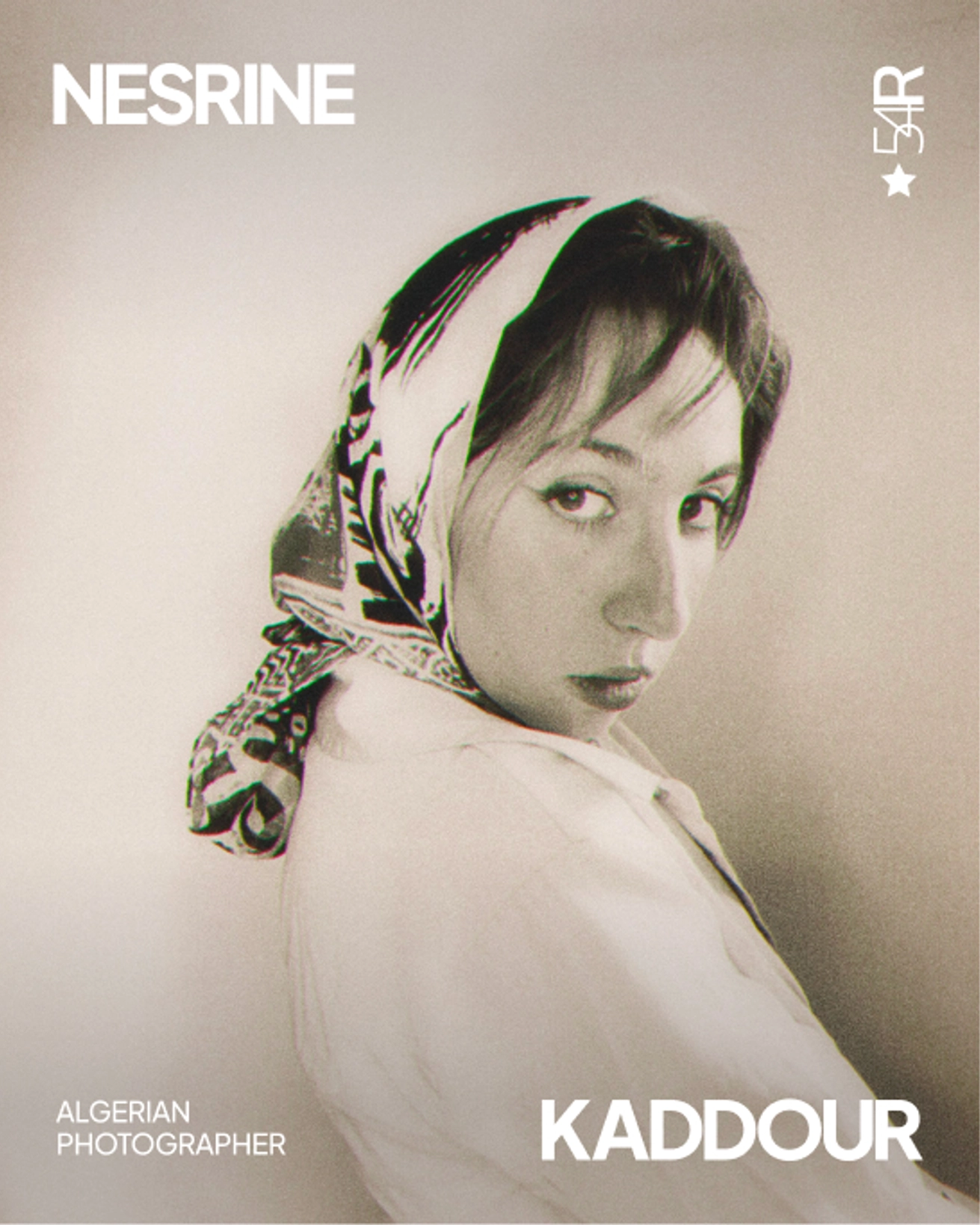
Nesrine Kaddour: Algerian street photographer exploring Algiers through memory, identity, and cultural history
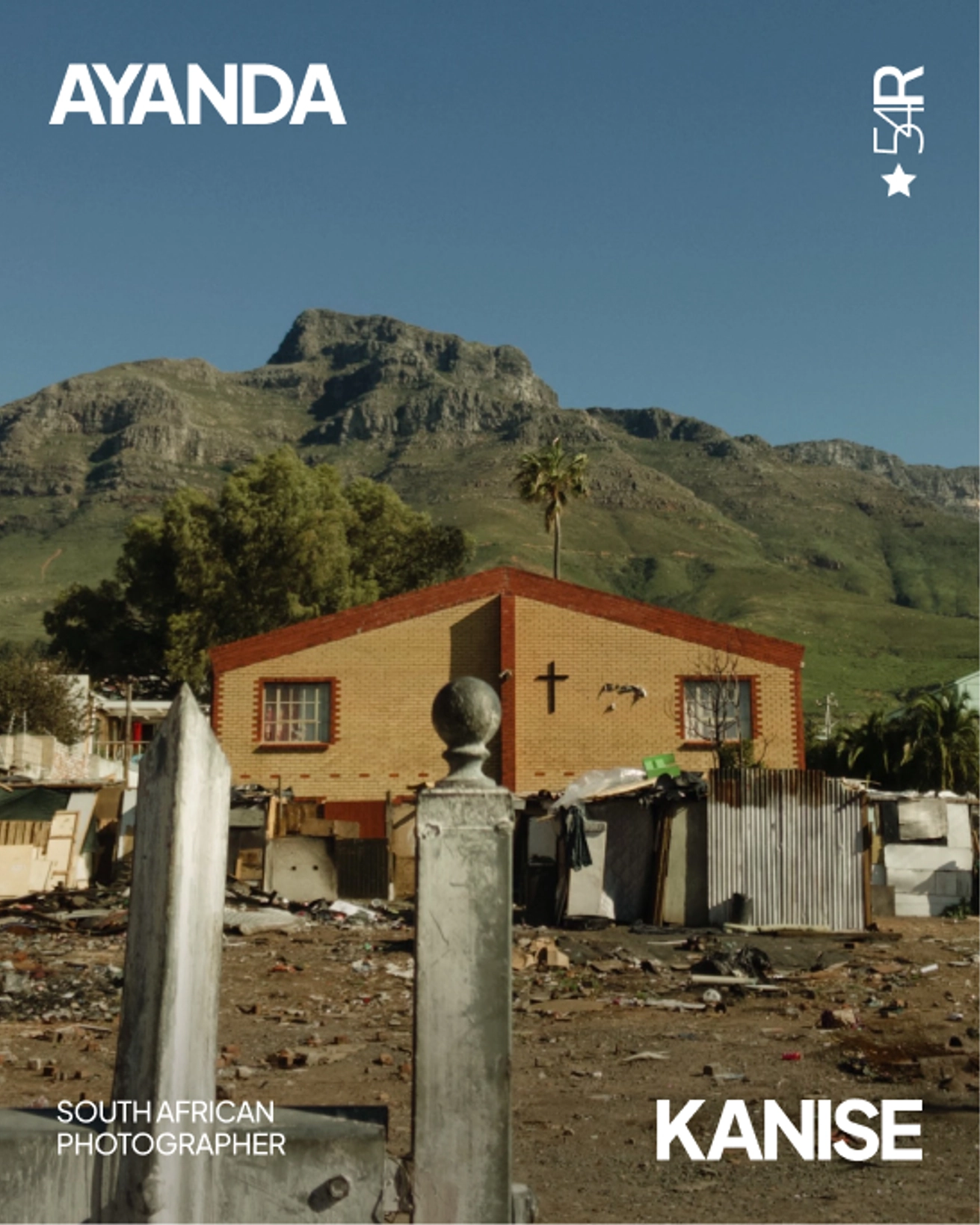
Ayanda Kanise: South African documentary photographer exploring memory, identity, and culture
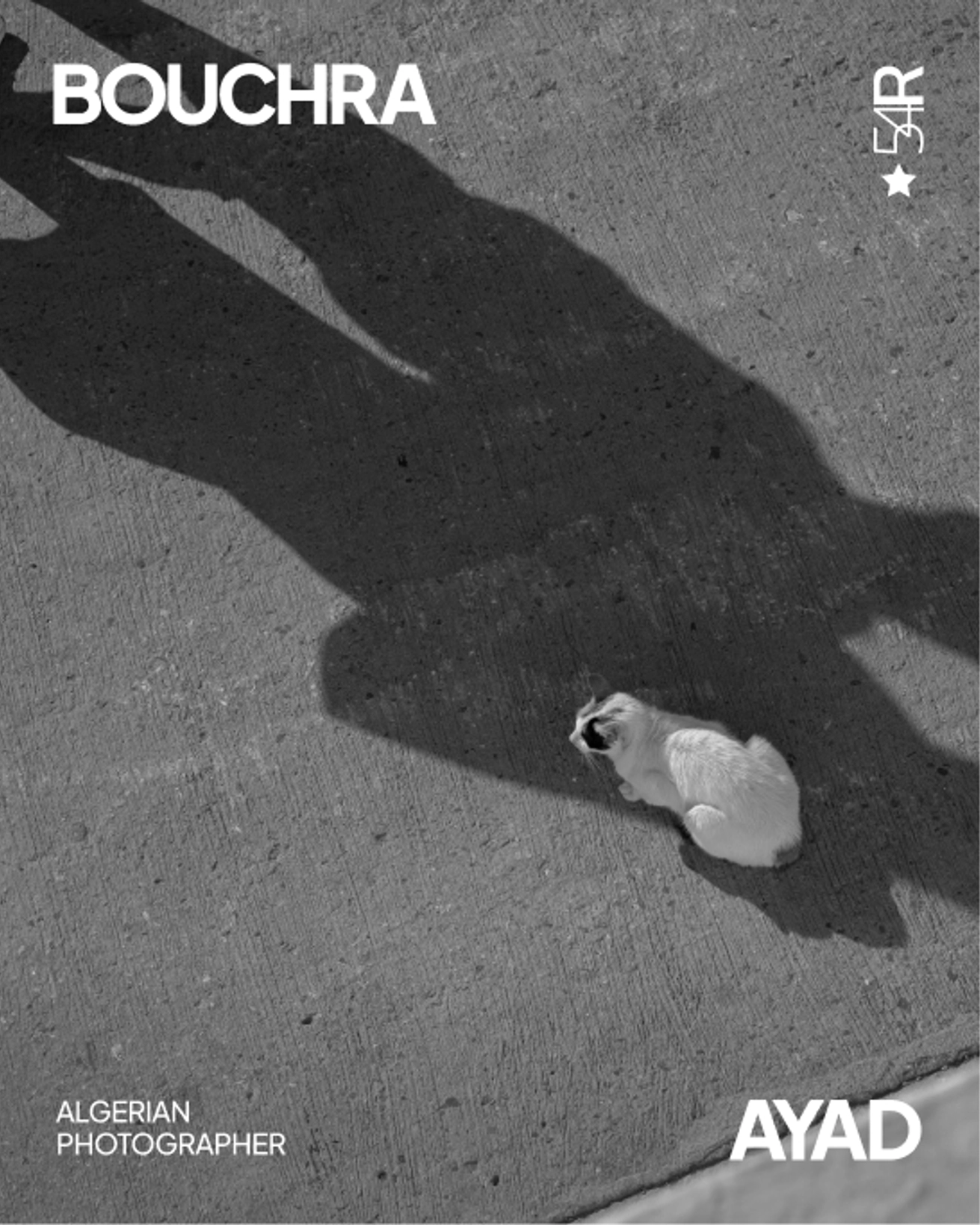
Bouchra Ayad: Algerian documentary photographer preserving emotion through quiet observation
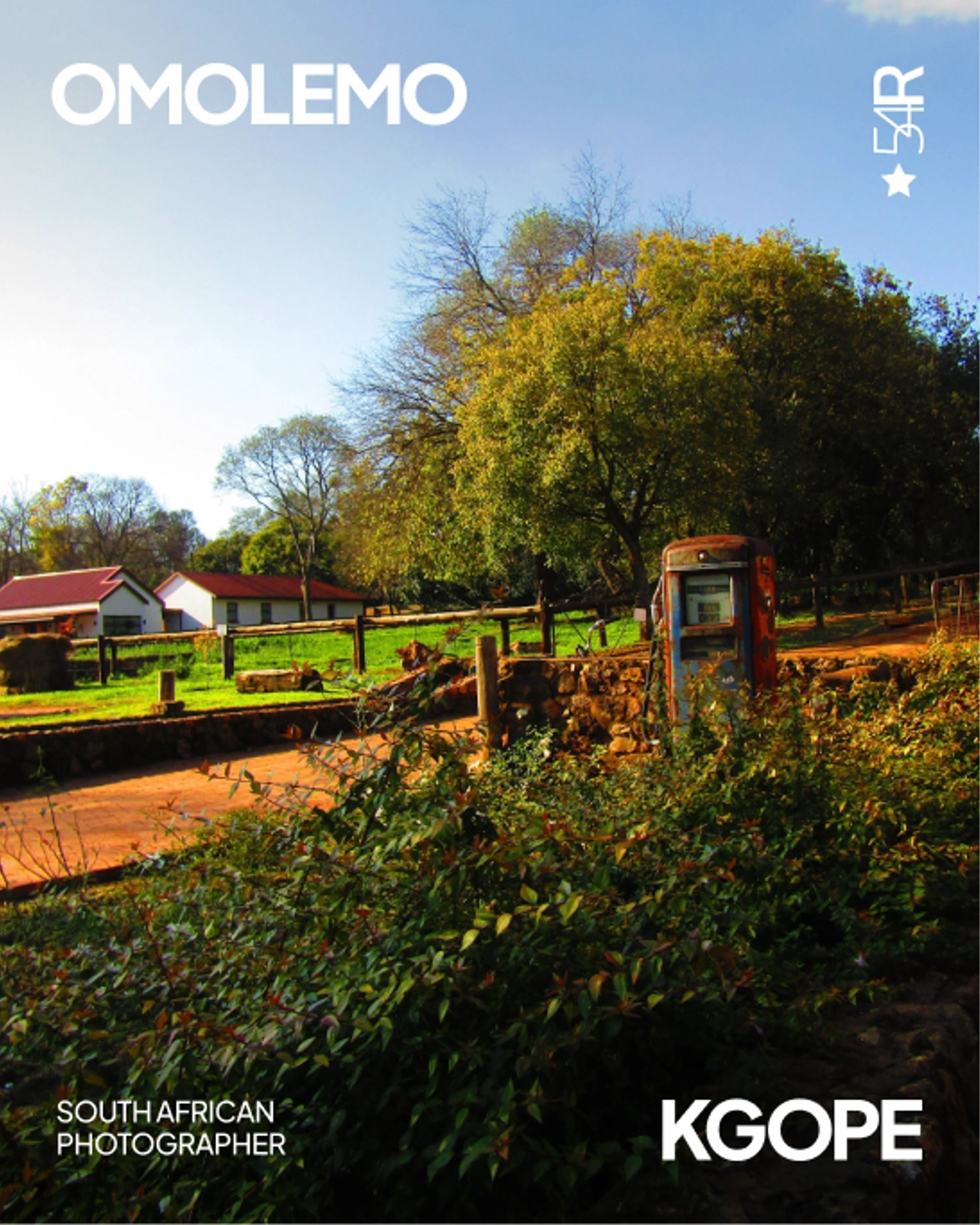
Omolemo-Aobakwe Kgope: South African documentary and fine art photographer exploring land, memory, and social justice
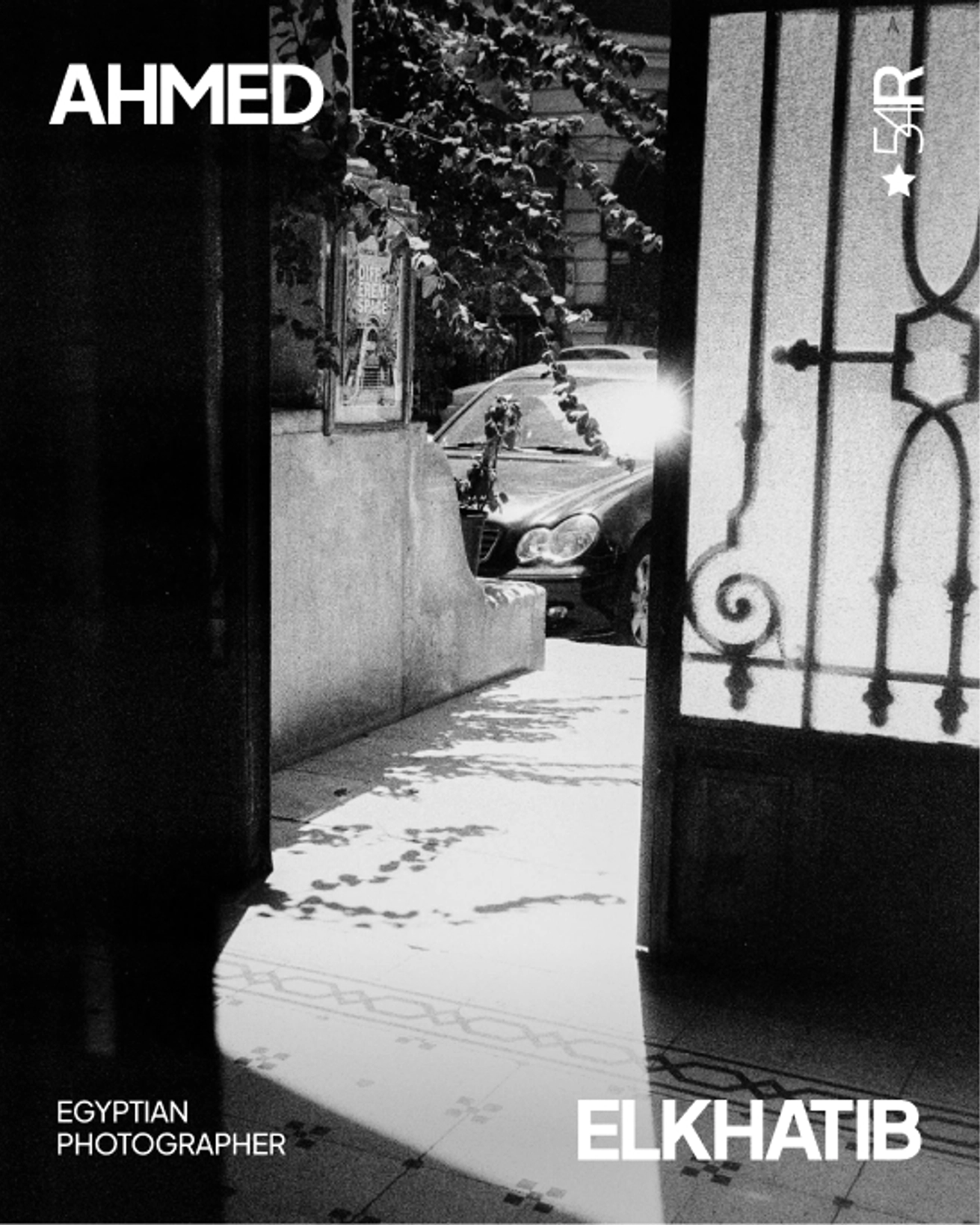
Ahmed Elkhatib: Egyptian film critic, filmmaker and photographer exploring cinema, analogue photography and everyday life
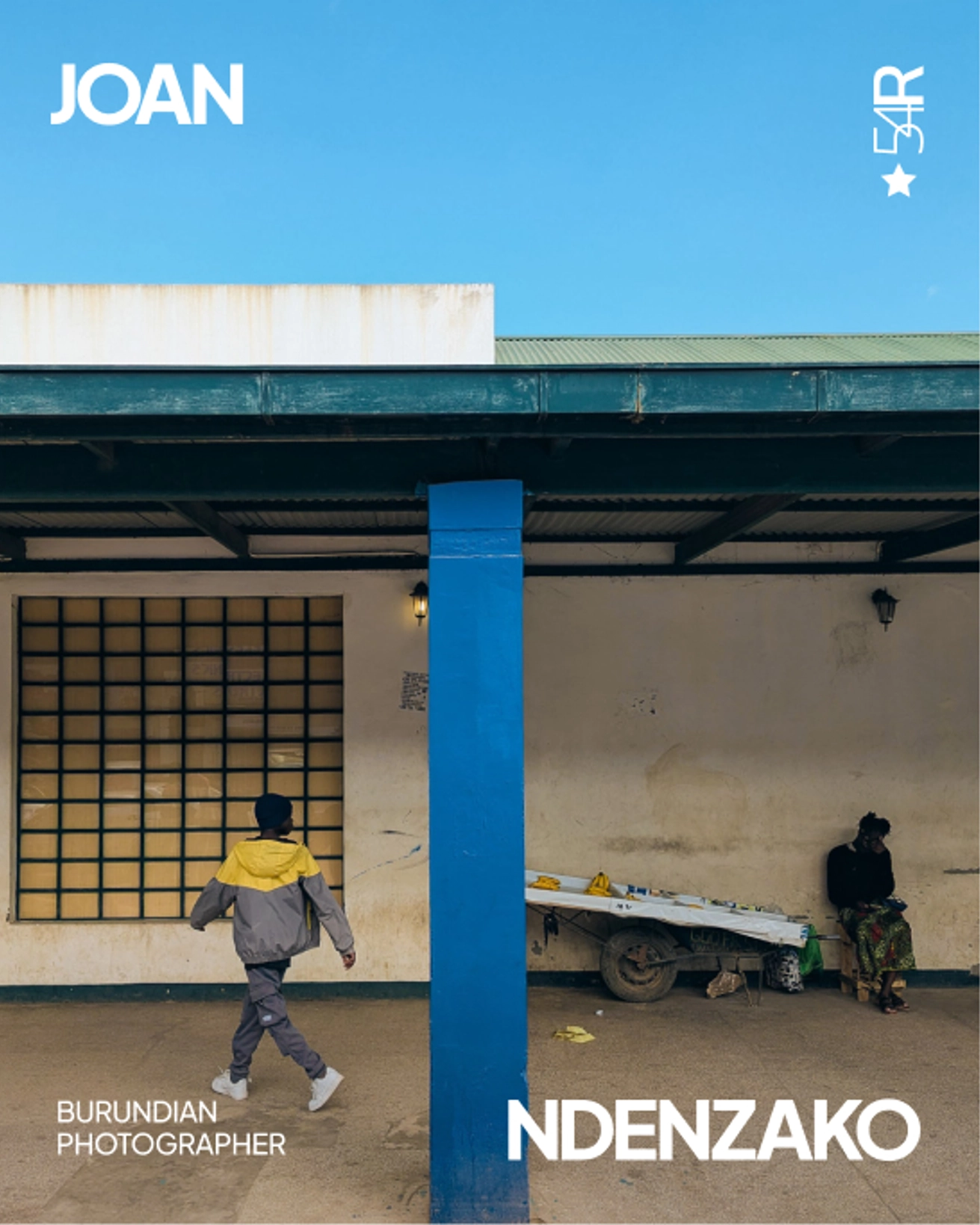
Joan Baptista Ndenzako: Burundian reportage and documentary photographer capturing memory, identity, and the human condition
Islam Traikia: Algerian wildlife photographer documenting nature through patience, observation, and authentic visual storytelling
Mohammed Nahi: Algerian street and documentary photographer exploring memory, belief and everyday life
Tonia-Marie Parker: Ghanaian fashion and documentary photographer exploring identity, memory, and African womanhood
Anis Ryad Ribouni: Algerian documentary and street photographer exploring architecture, memory, and everyday life
Bonolo Tlholoe: South African documentary and editorial photographer exploring identity, family lineage and everyday life
Azeezah Oyeleke Ibrahim: Nigerian fashion and lifestyle photographer exploring heritage through cinematic, nostalgic imagery

Explore more content

Company

The Ruum Africa

Products

RTM
Cookie Policy

© 2026 The Ruum Africa

Built by