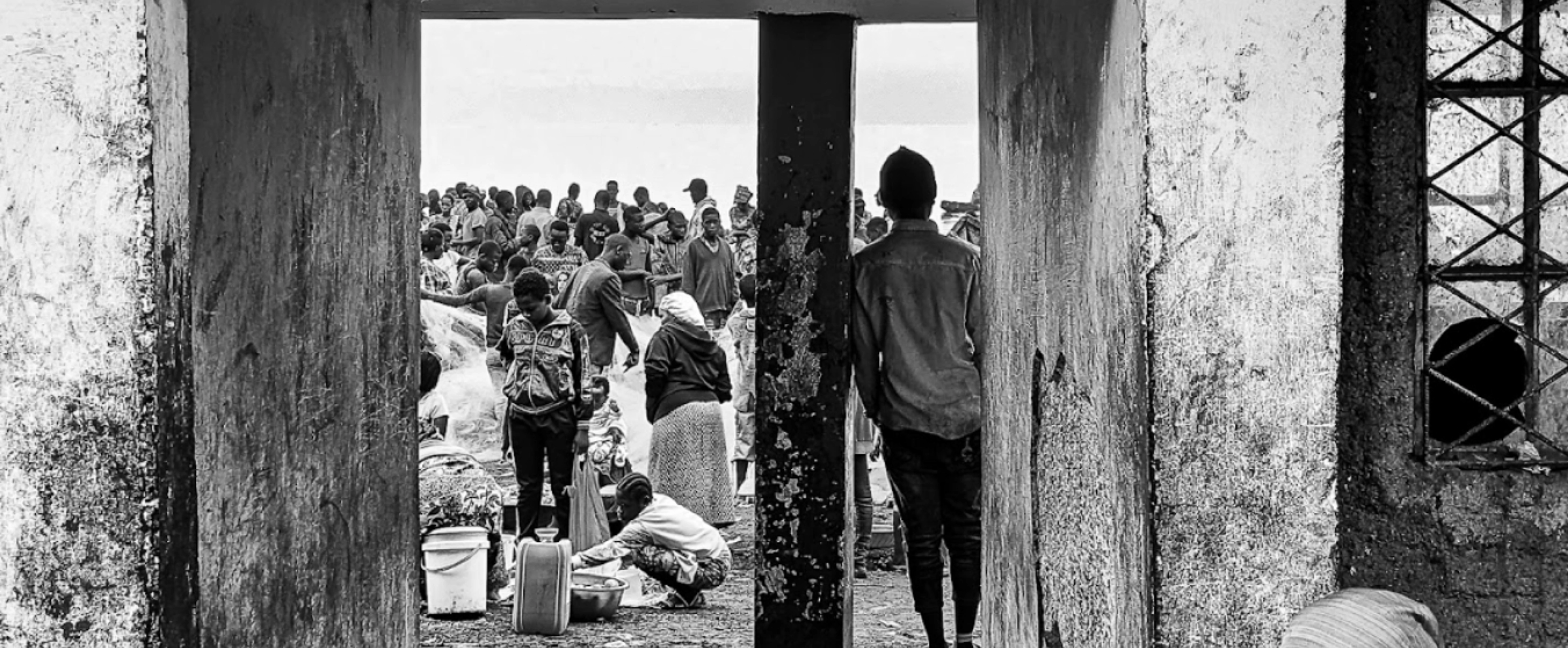
Joan Baptista Ndenzako: Burundian reportage and documentary photographer capturing memory, identity, and the human condition

9 mins read
Published27 Jul, 2026

“I am naturally a shy person. Becoming a photographer meant constantly stepping outside my comfort zone. Approaching strangers, earning people's trust, and photographing intimate moments never came naturally to me.”

Joan Baptista Ndenzako (Baps) is a Burundian photographer whose work explores memory, identity, and the relationship between people and the environments they inhabit. Self-taught since 2017, he developed his photographic practice through observation, personal research, and a deep curiosity about everyday life.

He first encountered photography through a friend of his older brother, who invited him to assist at events as a student. Behind the camera, he discovered a way to celebrate life, capture raw emotion, and create connections between people and the stories they carry.

For Joan, photography is an encounter, a quest for the self through others. His practice is rooted in personal experience and driven by curiosity and empathy: a testimony to our shared humanity.
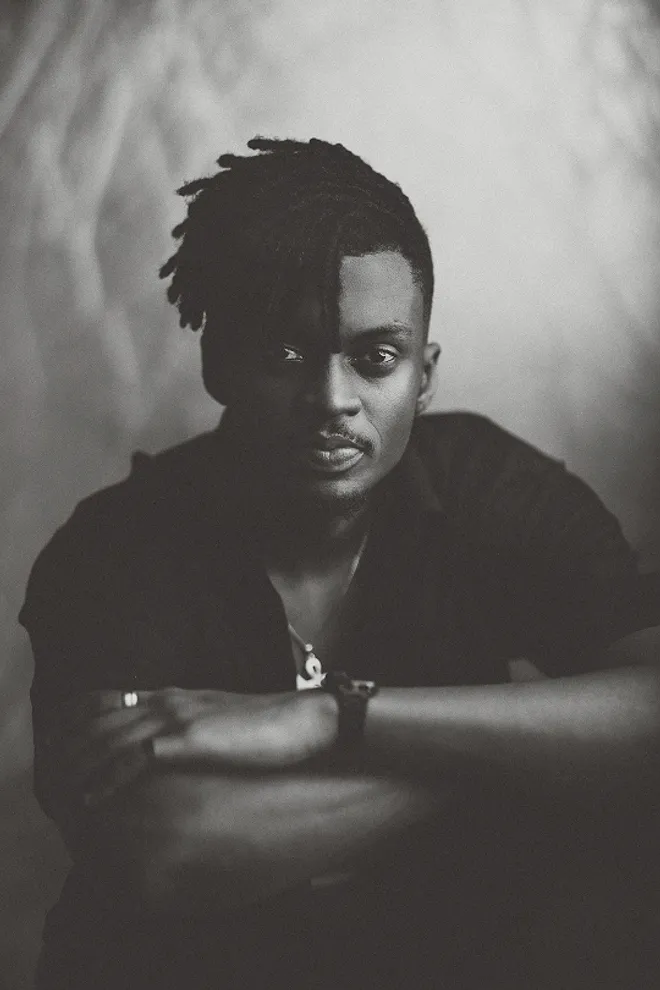
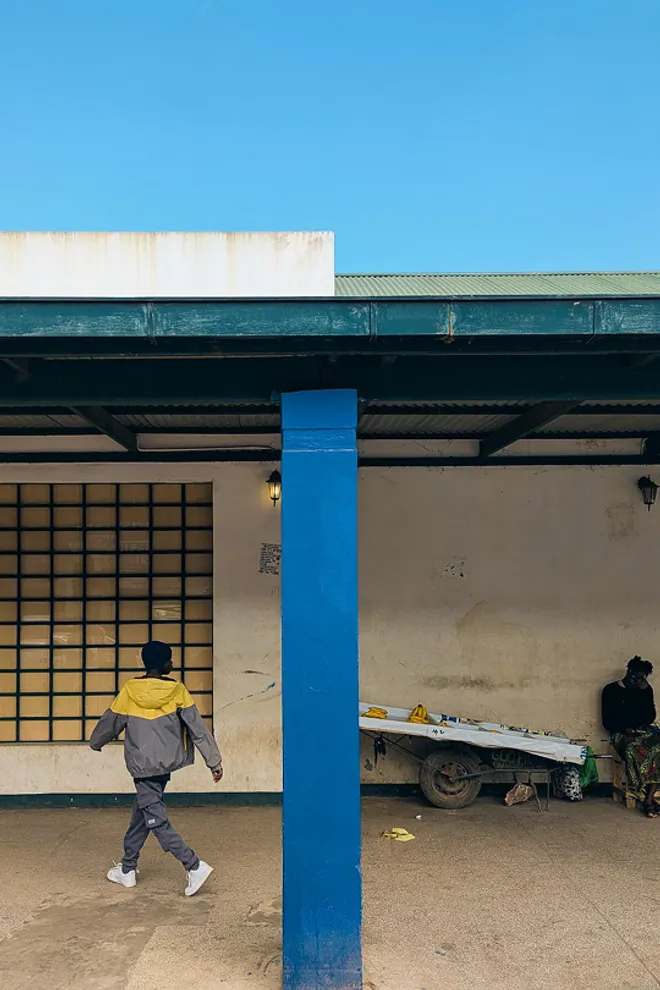
Joan Baptista Ndenzako - Burundian reportage and documentary photographer

How did you get started in photography?

It all started through a friend of my older brother who worked as a wedding photographer. He invited me to assist him on event gigs as a student job, and that was my first real glimpse behind the lens. What began as a simple way to earn some extra income quickly turned into a passion.

How would you describe yourself?

Ever since I was a child, I have loved drawing and everything related to visual arts, though I was far from becoming the next Picasso. Back then, hyperrealism was the trend, and people would spend weeks perfecting a single portrait. Being a little lazy, I figured photography could do all of that in one click. That is how I ended up choosing photography.

Yours truly,

A photographer for fun and profit.

"I'm a writer who happens to know how to use a camera."

What are the main themes that inspire your photography?

Memory, beliefs, identity, and the relationship between people and the environments they inhabit. I use storytelling.


What moment in your career are you most proud of?

It is difficult to choose just one moment because each represents a different chapter of my journey. My first solo exhibition, "Ndi...", at the Izuba Cultural Centre, was the moment I realised my personal work could resonate with others.

Photographing the wedding of Benjamin and Lydia reminded me why I love documentary photography. Nothing went as planned that day. I witnessed frustration, tears, resilience, and, ultimately, joy.

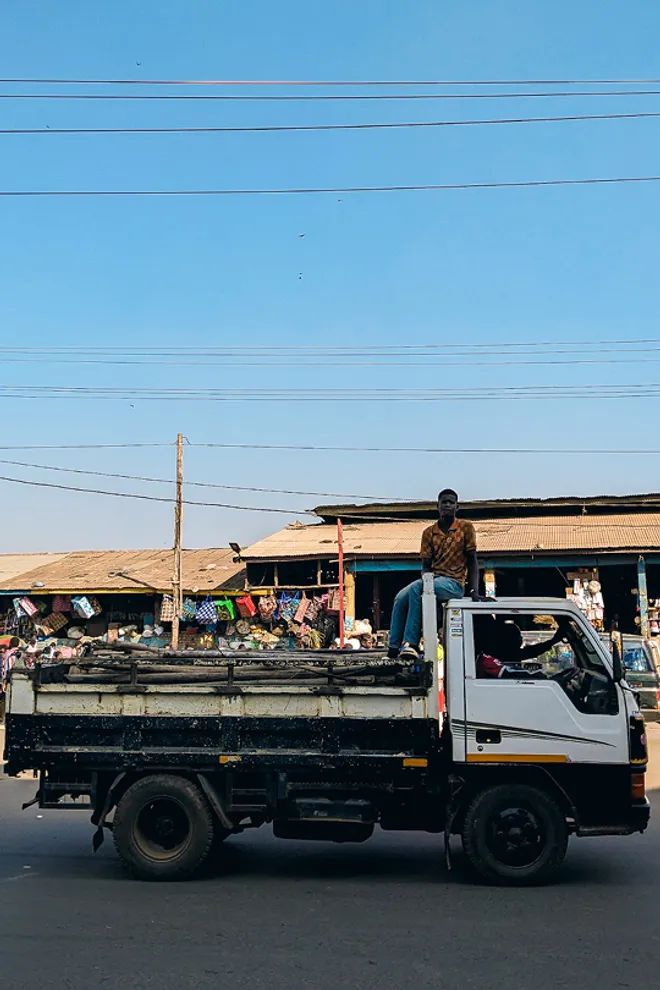
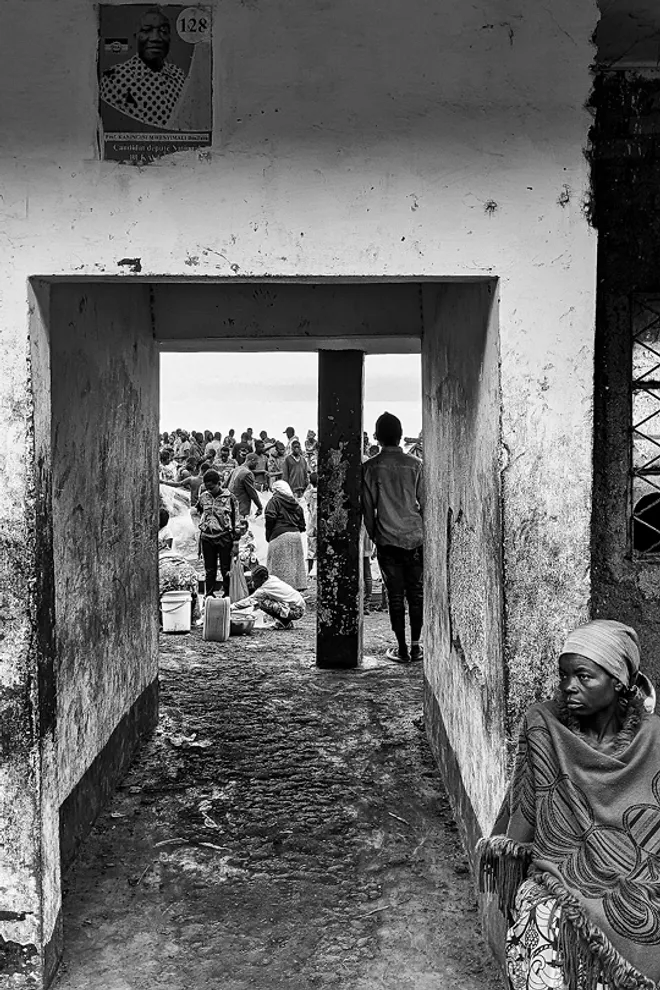
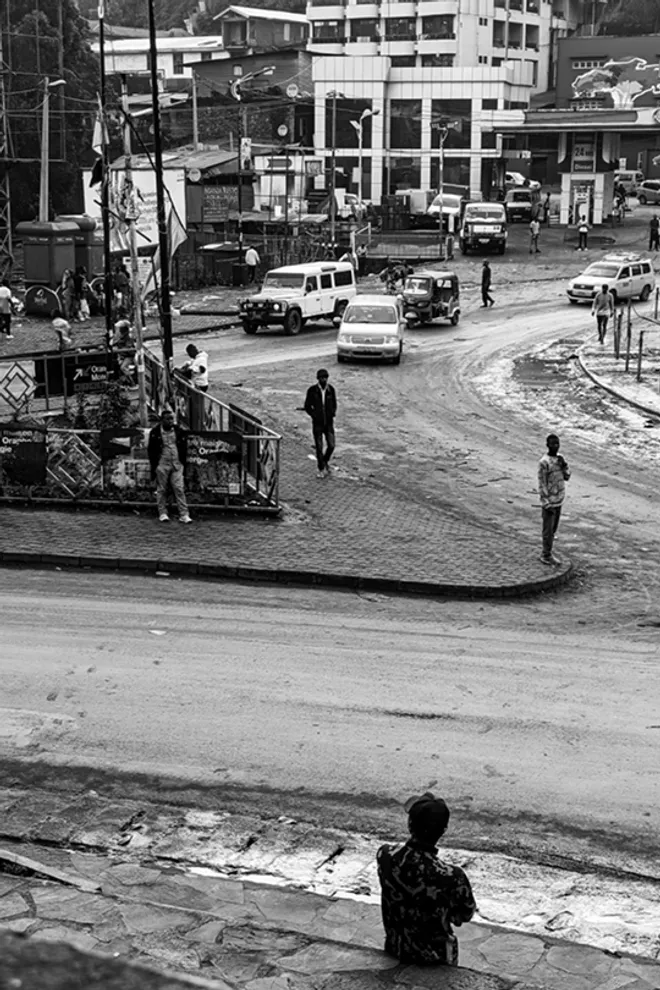
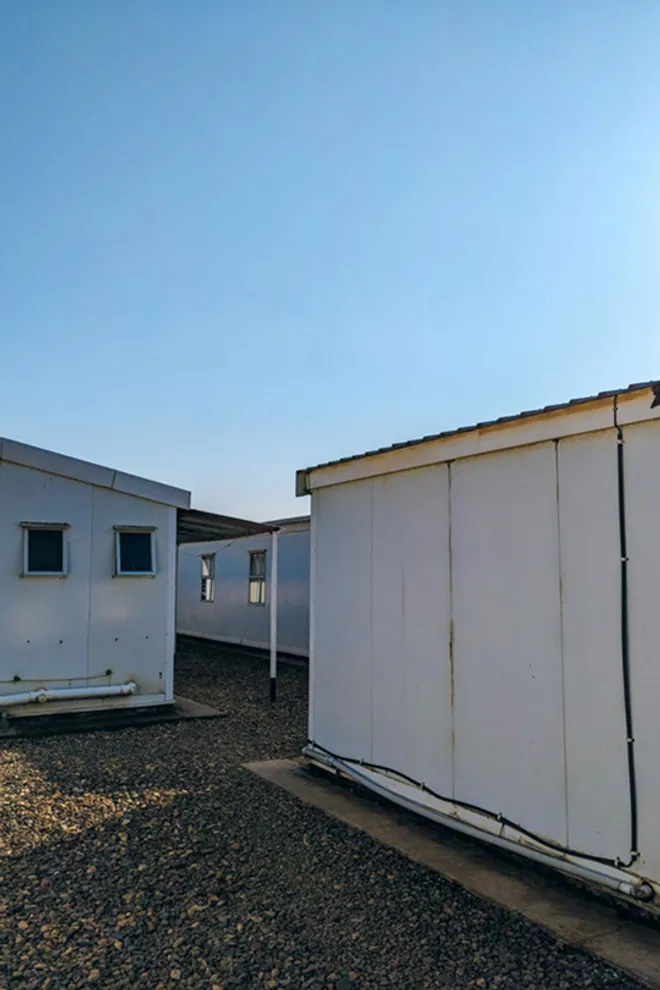
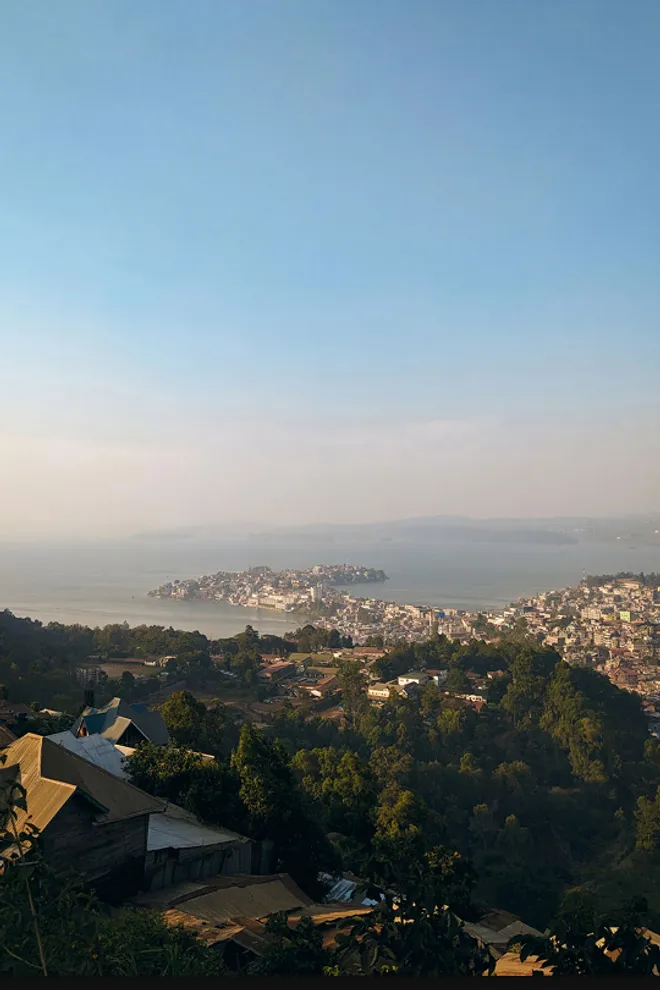
If I had to choose one defining milestone, though, it would be Bukavu, Notes. The photobook marked my transition into street photography and allowed me to bring together my two greatest passions: writing and photography.

Although the project could not be completed as originally envisioned because of the war in eastern Democratic Republic of the Congo, it profoundly shaped the way I tell stories and remains one of the most personal works I have created.

"My style has evolved from simply documenting moments to creating photographs that invite reflection."

What is the biggest challenge you've faced as a photographer?

I am naturally a shy person, so becoming a photographer meant constantly stepping outside my comfort zone. Approaching strangers, earning people's trust, and photographing intimate moments never came naturally to me.

Another challenge has been dealing with imposter syndrome and finding my own voice. For a long time, I wondered whether my work was relevant or simply influenced by the photographers I admired.

I will borrow the words of Miles Davis: "Man, sometimes it takes you a long time to sound like yourself." I think that perfectly describes my journey. Finding your voice is not something you achieve overnight; it is something you keep discovering. So, in my view, it is still very much a work in progress.

What type of photography do you specialise in?

Reportage, documentary photography, and portraiture. I am drawn to these forms because they allow me to build genuine connections with people and tell stories that go beyond a single image.

Over the years, my style has evolved from simply documenting moments to creating photographs that invite reflection. My work increasingly focuses on honest emotions, quiet details, and the subtle relationships between people and their environments. Whatever the subject, my goal remains the same: to create images that feel authentic and resonate with the moment they were made.

What is your unique technical or visual approach?

I am a writer who happens to know how to use a camera. I enjoy collaborating closely with clients to create images that are both meaningful and timeless, while bringing the same documentary approach and attention to human connection that defines my personal work.

Which global brands, photographers, or industries do you feel your work aligns with most?

Photographers who use the camera as a tool for storytelling, human connection, and exploring identity. I feel a strong connection with the approaches of Odieux Boby, James Barnor, Alex Webb, Pete Souza, Platon, Jean-Christophe Béchet, Omar Victor Diop, and Ernest Cole. Their works demonstrate the power of photography to capture personalities, communities, and meaningful moments while revealing deeper stories behind the images.

Beyond photography, I am drawn to industries and organisations that value authentic narratives: cultural institutions, documentary platforms, NGOs, and brands looking to tell stories with depth and purpose. My goal is to create work that goes beyond aesthetics and reflects the complexity of human experiences.

How is the photography and art space in Burundi?

It is a young and evolving space, shaped by a generation of artists who are exploring new ways of telling stories about their country and its people. For a long time, photography was mainly associated with commissioned work, events, and commercial purposes, but in recent years there has been a growing interest in documentary photography, contemporary art, and personal storytelling.

The emergence of creative spaces, photography collectives, residencies, and workshops has helped create more opportunities for artists to experiment, share their work, and connect with wider audiences. A new generation of photographers is moving beyond simply documenting reality and using photography as a medium for reflection, identity, and social dialogue.

Being part of this evolution is both exciting and challenging. The scene is still developing, with limited infrastructure and resources, but the passion, creativity, and determination of Burundian artists continue to push the boundaries and place the country within a broader African contemporary art conversation.

What is one professional standard you never compromise on?

Authenticity.

Whether I am working on a personal project, a wedding, or a commissioned assignment, I believe in creating images that are honest and respectful of the people and stories in front of my camera.

What do you think of the 54Ruum platform?

I will quote another author I know well (a.k.a. me): "On a moins peur du coup de feu quand c'est nous qui tenons le fusil." For a long time, images of us were created by others, often through perspectives that did not fully belong to us and were sometimes used to shape narratives about who we are.

Today, through photography and storytelling, we have the opportunity to reclaim our image and our narratives to document our realities, express our own perspectives, and tell our stories in our own voices, for ourselves and by ourselves.

"C'est créateur d'être entouré de créatifs" (by the same famous author). 54Ruum has the potential to become a space where African photographers can not only be discovered but also build relationships, exchange ideas, and contribute to a broader narrative about the continent.

I think 54Ruum is an important and timely platform for African photographers. Beyond showcasing images, what I appreciate is its focus on the stories behind the photographers: their journeys, perspectives, and the contexts that shape their work.

Coming from Burundi, where the photography and art ecosystem is still growing, platforms that create visibility, connection, and dialogue across the continent are essential.

What resonates with me most is the idea of having African stories told by African photographers, with our own perspectives and voices at the centre.

Credits

Photography

Joan Baptista Ndenzako

Text

Kelvin Otum

Curation

guvnor

SHARE THIS STORY

Join Our Community

More Stories

Fauziah Anyango: Kenyan conceptual photographer exploring identity, culture, and emotional tension
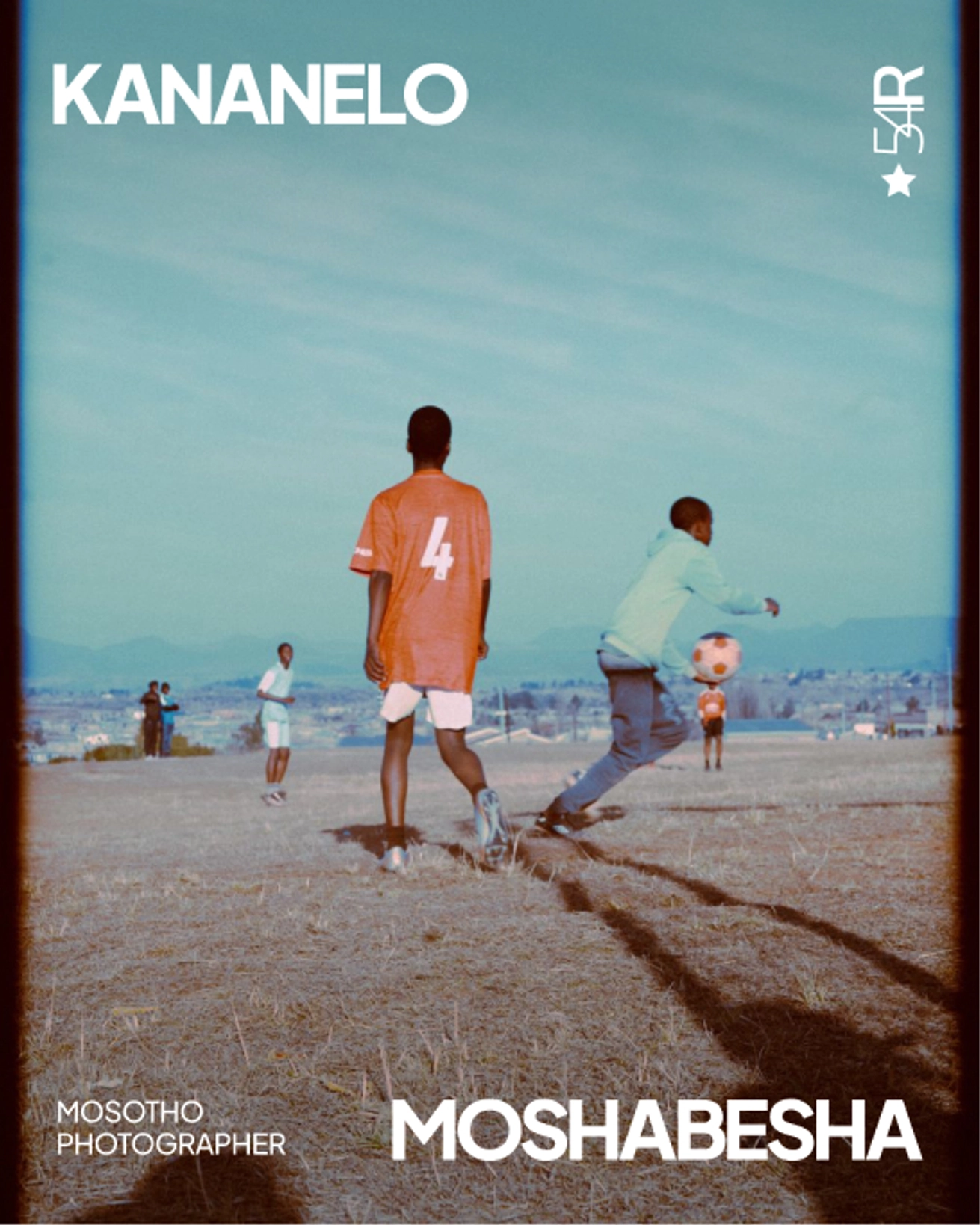
Kananelo Moshabesha: Mosotho documentary photographer capturing culture, human connection, and authentic moments
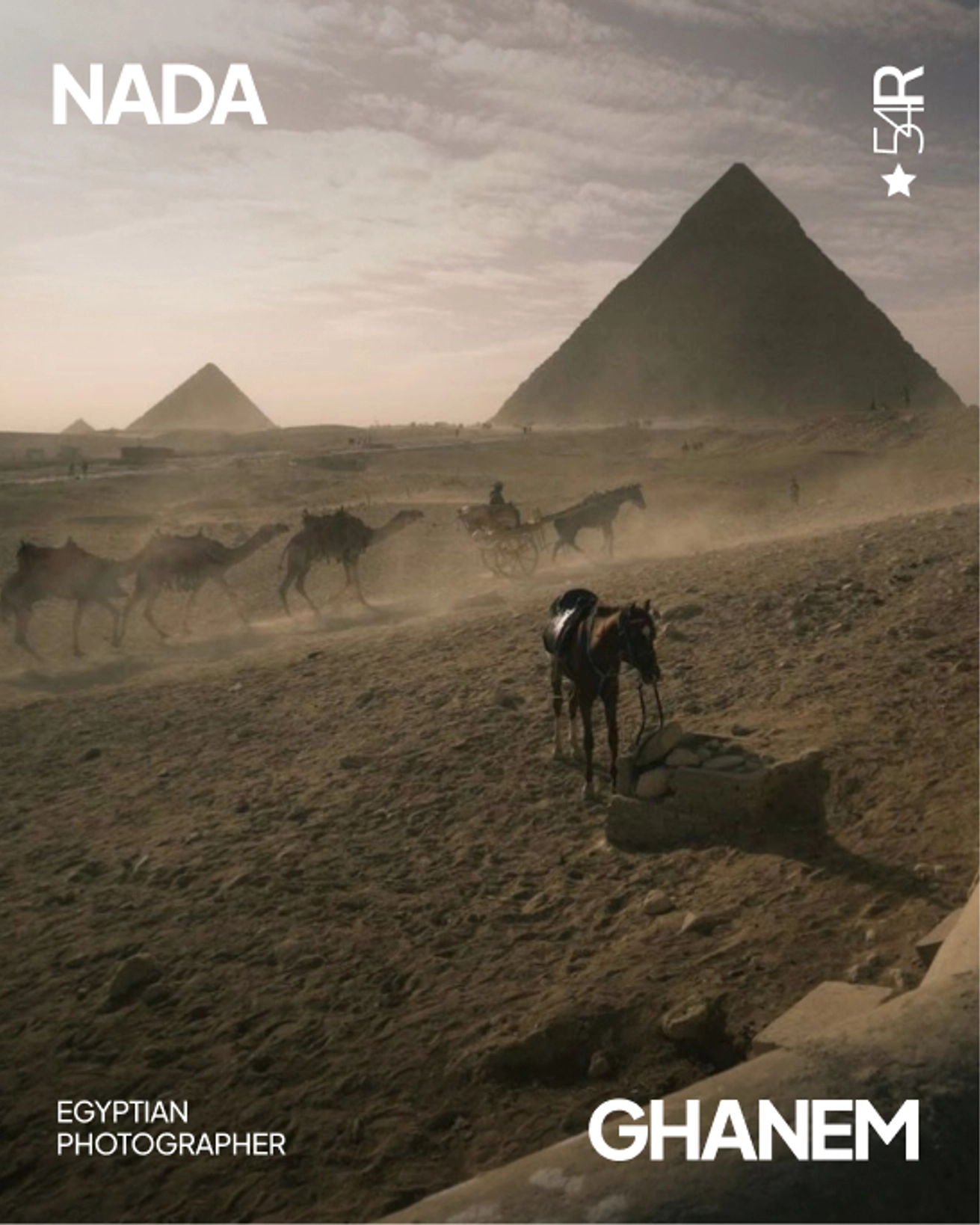
Nada Ghanem: Egyptian documentary photographer capturing everyday life, emotion, and authentic moments on the streets of Egypt
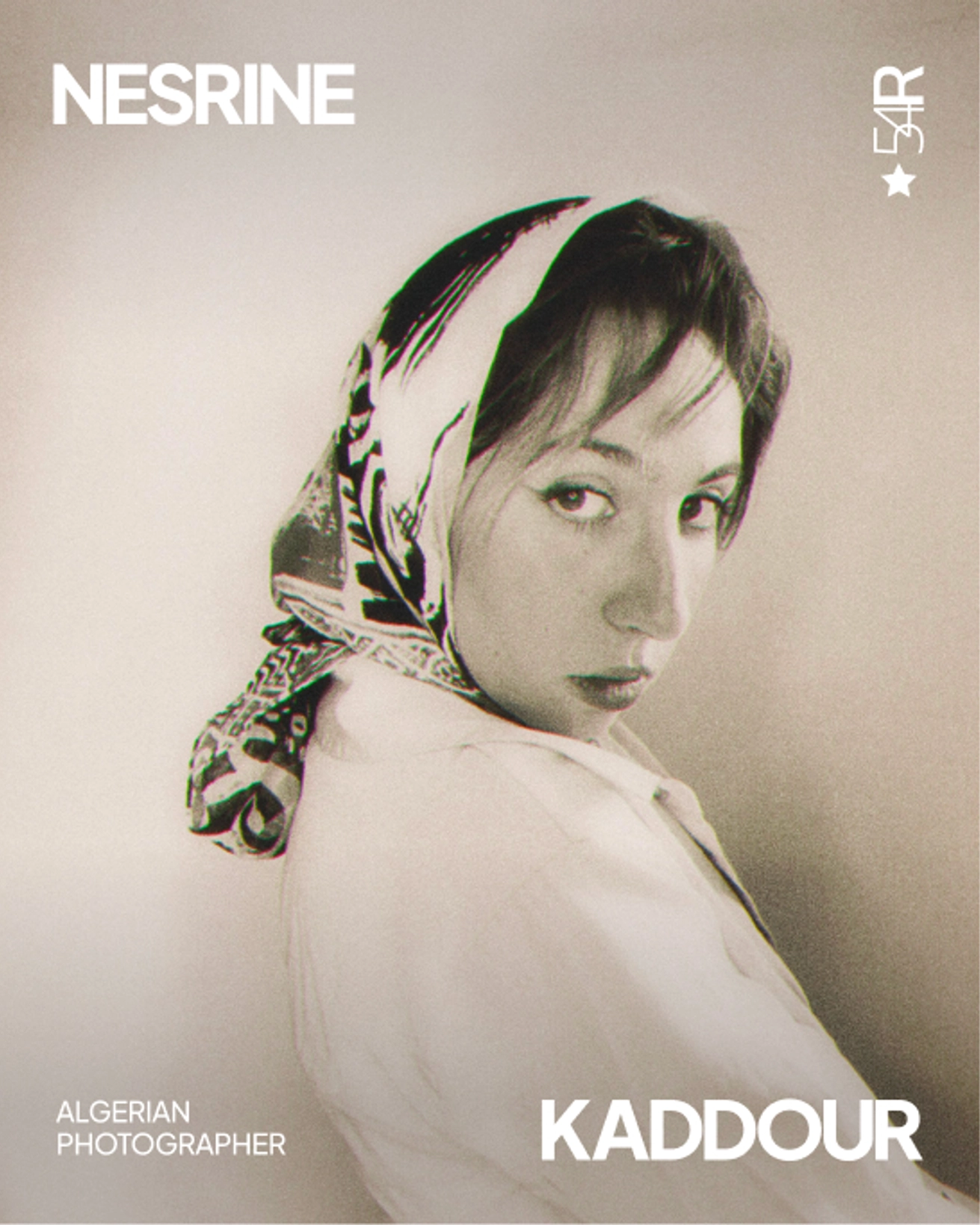
Nesrine Kaddour: Algerian street photographer exploring Algiers through memory, identity, and cultural history
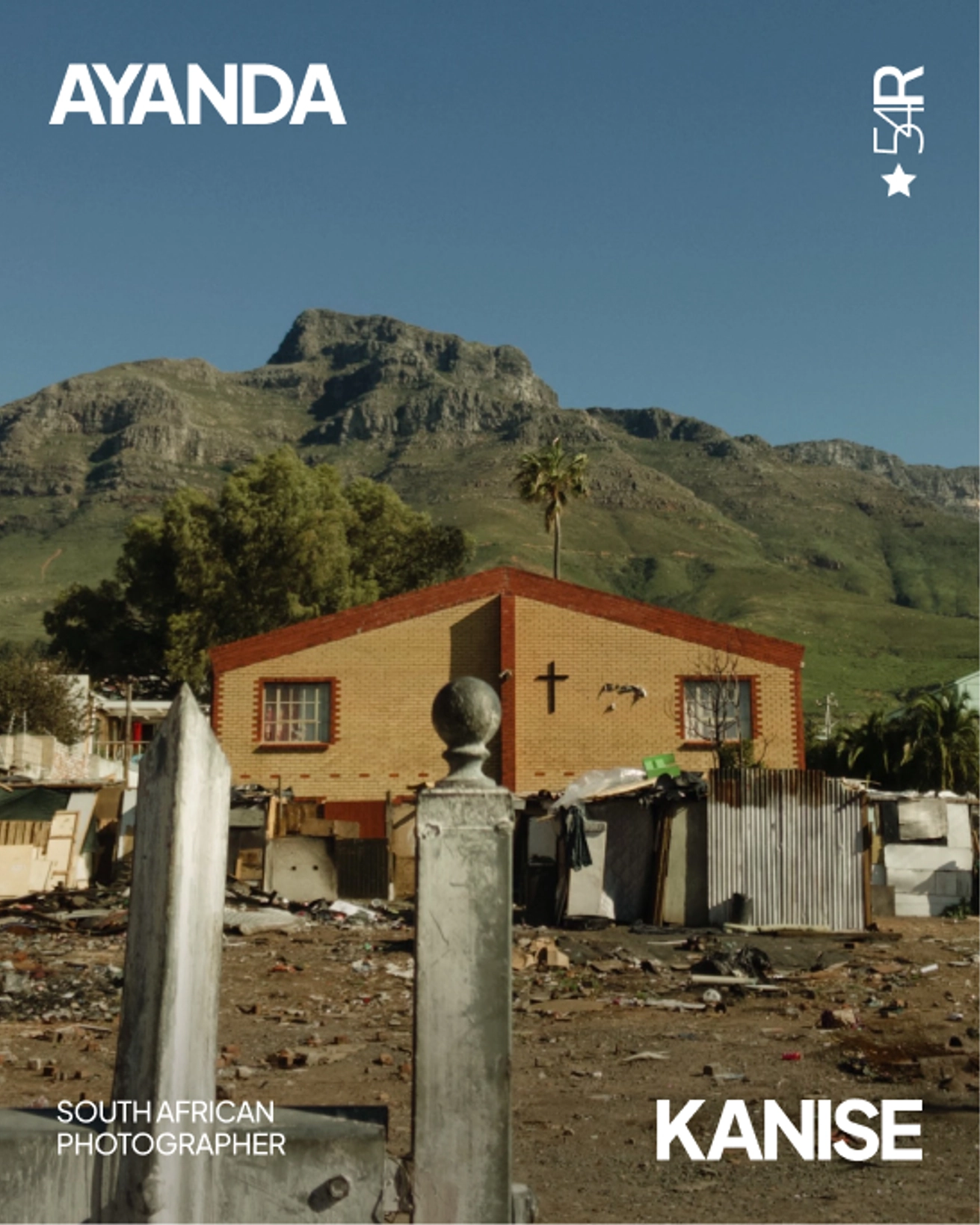
Ayanda Kanise: South African documentary photographer exploring memory, identity, and culture
Bouchra Ayad: Algerian documentary photographer preserving emotion through quiet observation
Omolemo-Aobakwe Kgope: South African documentary and fine art photographer exploring land, memory, and social justice
Ahmed Elkhatib: Egyptian film critic, filmmaker and photographer exploring cinema, analogue photography and everyday life
Islam Traikia: Algerian wildlife photographer documenting nature through patience, observation, and authentic visual storytelling
Mohammed Nahi: Algerian street and documentary photographer exploring memory, belief and everyday life
Tonia-Marie Parker: Ghanaian fashion and documentary photographer exploring identity, memory, and African womanhood
Iddah Akinyi: Kenyan documentary photographer using visual storytelling to amplify communities, identity, and social change
Anis Ryad Ribouni: Algerian documentary and street photographer exploring architecture, memory, and everyday life
Bonolo Tlholoe: South African documentary and editorial photographer exploring identity, family lineage and everyday life
Azeezah Oyeleke Ibrahim: Nigerian fashion and lifestyle photographer exploring heritage through cinematic, nostalgic imagery

Explore more content

Company

The Ruum Africa

Products

RTM
Cookie Policy

© 2026 The Ruum Africa

Built by